
Patent CN105963988B
Updated October 24, 2026X-Braced Square Magnetic Building Tile with Locating-Post Shell
Magnetic building tiles are one of the best-selling construction toys, and the square tile is the piece every set contains most of. It is also where cheap tiles fail: thin walls crack when children step on them, shells separate, and loose magnets become a serious hazard. This patent describes a square tile built around an X-shaped brace from corner to corner. Two shells - each with its own X brace - close over the magnets, which sit in pockets formed by double ribs along the edges and in lugs at the four corners. Locating posts at the middle of the edges and at the X crossing plug into each other, so the halves line up before they are bonded.
- China invention patent - in force in China until Jun 2036 at most
- No filings outside China
- Magnetic building toys
- ABS shells, NdFeB magnets
Splat! What let you down?
✖️
X-brace frame
Corner-to-corner bracing gives an open window tile that stays stiff with less material.
🧲
Magnets in rib pockets
Each magnet is boxed by double ribs from both shells along the edges and in the corner lugs.
📍
Self-aligning shells
Hollow posts at the edges and at the X crossing plug into matching posts on the other half.
🏗️
Corner lugs
Rectangular lugs at each corner also hold magnets, adding attachment points.
Bring this product to market
- ✓ Patent vetted China-only family and legal status checked
- 2 Product brief · now How it works, uses and options written up
- 3 Prototype First samples for buyers to review
- 4 Pilot run Small first batch for launch customers
- 5 Volume production Repeat orders at scale
Buyer interest
– of 100 buyers needed to start prototyping
One click, no sign-up. Each vote is one real visitor, and products with the most interest go to prototyping first.
Build team: no members yet. Need a partner, co-funding or skills to build this? Join and we introduce the team once it forms.
The problem
Square tiles are the workhorse of every magnetic building set. They are thrown, stepped on and pulled apart thousands of times, and the two plastic halves around the magnets have to stay together for the life of the toy - a magnet that falls out of a tile is a well-known swallowing hazard. Solid or clear tiles use a lot of plastic; open-frame tiles save material but can twist or crack if the frame is not braced. The patent sets out to keep a square frame strong while saving material, and to hold the magnets firmly between two shells.
The solution
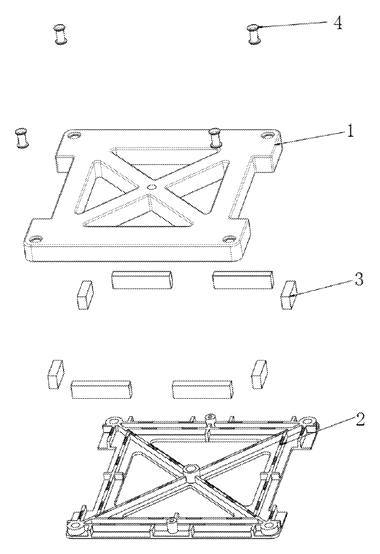
The tile is a square frame with a rectangular lug protruding at each corner, built from two shells:
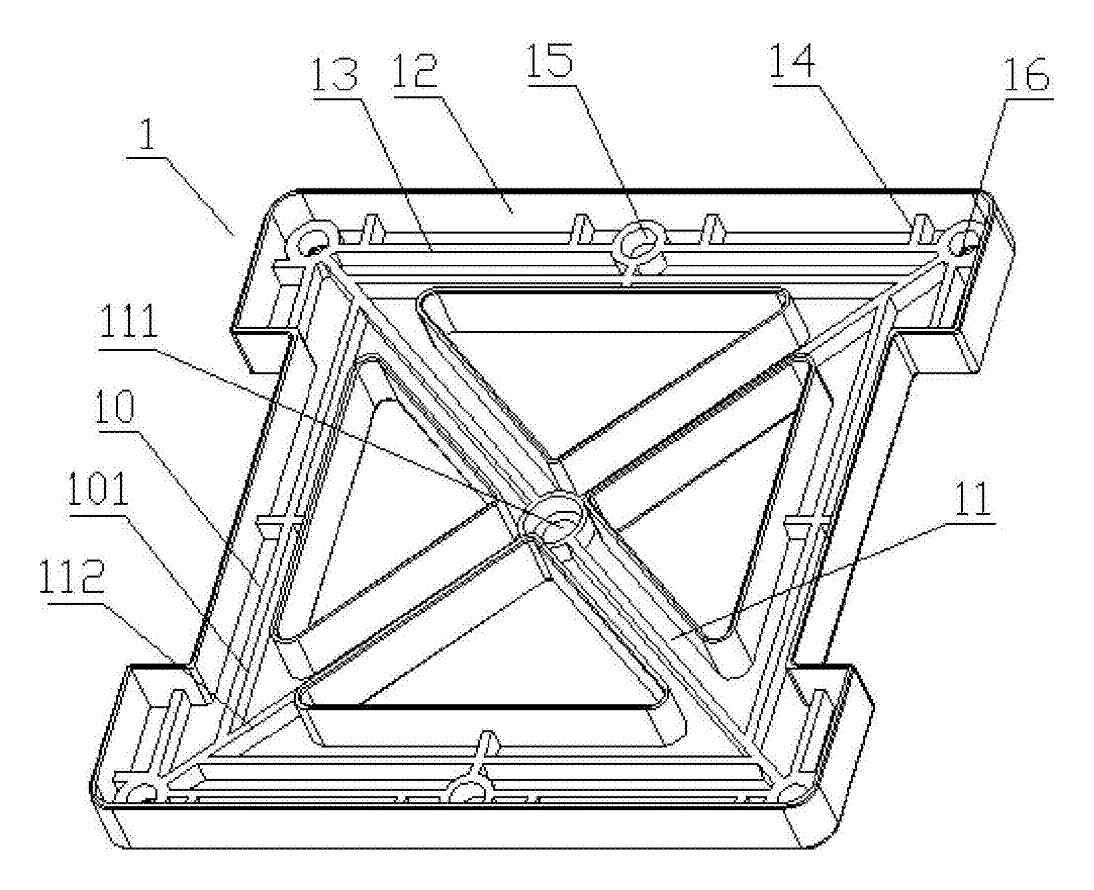
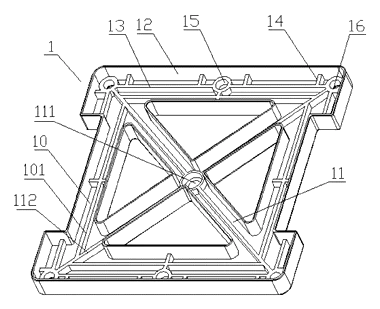
- The first shell (1) has a cover plate (10) with an outer rim rib (12) and, inside it, a lower inner rib (13); short block ribs (14) run between them.
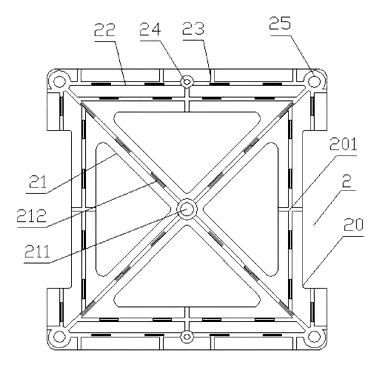
- The second shell (2) has a cover plate (20) with a supporting rib (22) and its own block ribs (23) matching those of the first shell.
- Together, rim, inner rib, supporting rib and block ribs form closed pockets for the magnets (3) along the top and bottom edges and in the corner lugs.
- Inside the frame each shell has an X-shaped brace (11, 21) running corner to corner, with crossing ribs (112, 212) along the X and an inner frame rib (101, 201) around it. Triangle ribs in the four triangles press against the opposite cover.
- Edge locating posts (15, 24) at the middle of the top and bottom edges, and central locating posts (111, 211) at the X crossing, plug into each other to line up the halves.
- According to the patent, the X brace supports the inside of the square frame while saving material, and the magnet size in the example is 20 x 5 x 3 mm; the number of magnets can follow the tile size.
Who it is for
- Toy brands building or expanding a magnetic-tile line and looking for a sturdy square piece with an open look.
- STEM and educational suppliers selling classroom sets that must survive heavy daily use.
- Private-label sellers on Amazon and in big-box stores who need a distinct tile design rather than a copy of a market leader’s.
- Magnet makers moving downstream into finished toys.
How it works
The main parts
| No. | Part | What it does |
|---|---|---|
| 1, 10 | First shell and cover plate | One face of the tile. |
| 12, 13 | Outer rim rib and inner rib | Form the outer wall and the inner wall of the magnet pockets. |
| 14, 23 | Block ribs | Close the ends of each pocket. |
| 2, 20 | Second shell and cover plate | The other face of the tile. |
| 22 | Supporting rib | Matches the inner rib from the other side. |
| 3 | Magnets | Along the top and bottom edges and in the corner lugs. |
| 11, 21 | X-shaped braces | Stiffen the open square frame. |
| 15, 24, 111, 211 | Locating posts | Align and join the shells at edges and center. |
Assembly and play
- Magnets are placed in the pockets of one shell.
- The second shell is pressed on; edge and central posts plug into each other, and the ribs from both sides box in each magnet.
- The shells are bonded (for example by ultrasonic welding) into one tile.
- In play, tiles attract each other along their edges and corner lugs to build walls, cubes, towers and flat patterns; the open X window lets light through.
Applications
Home building sets
Square tiles make up the bulk of any set. A braced, open-window tile can be the core piece of a new branded range alongside triangles and other shapes.
Classrooms and makerspaces
Teachers use magnetic tiles for geometry, symmetry and engineering lessons. Robust tiles with well-enclosed magnets suit shared classroom kits.
Light-table and window play
Open X-frame tiles cast patterns on light tables and windows, a popular play idea in early-learning settings.
Add-on and replacement packs
Brands sell bulk packs of squares to extend existing sets; the same tile can be sold in colors that match other lines.
Promotional and themed kits
Printed or tinted tiles for museum shops, themed playsets and party favors.
Where it is less suitable
- Children under 3 - magnetic toys are sold for ages 3 and up; products for infants and toddlers need a different design approach.
- Very small tiles - the pocket structure suits standard-size squares; mini tiles may not leave room for the double ribs.
Frequently asked questions
How are the magnets kept inside?
Each magnet sits in a pocket boxed in by ribs from both shells - an outer rim rib and inner rib on one side, a supporting rib on the other, and block ribs at each end. The shells are aligned by locating posts and then bonded, so the magnet has no path out.
Why an X brace instead of a solid panel?
According to the patent, the X brace supports the inside of the square frame while saving material. It also gives the tile an open window look that works well on light tables.
Will these tiles connect with other brands?
Tiles connect magnetically, so they will attract other tiles of similar size and magnet layout. Matching sizes and edge thickness to popular sets is a design decision; we can size the tile to your existing range.
What magnet size is used?
The patent example uses 20 x 5 x 3 mm magnets and says the number can follow the tile size. Grade, number and coating are set in design for the pull strength you want.
Which tests does a US toy need?
Magnetic toys for children must pass the ASTM F963 magnet and use-and-abuse tests and CPSIA testing at an accepted lab, with age labelling of 3+. We plan these tests into the project.
Can you make the other shapes in a set?
Yes. Triangles, rectangles and larger squares can be designed in the same rib-and-post style so a full set looks consistent.
Can this design be made and sold in the US?
The patent was filed only in China, so it does not restrict the design in the US. It is in force in China until June 2036 at most, and making or selling it there needs the owner’s permission. Magnetic building tiles may be covered by other US patents - see Patent & Production - so we recommend a freedom-to-operate check before volume production.
Are you affiliated with the patent owner?
No. IP2M is an independent design and manufacturing service working from the public patent document.
Request a quote
Click Request a Quote below to see our email address - copy it, or open your email app with a ready-made message. Please mention patent CN105963988B in the subject.
Helpful details to include:
- Your company and channel (toy brand, educational supplier, online seller, resale)
- Tile sizes and shapes you need
- Colors and transparency
- Set contents and packaging
- Estimated quantity and target price
- Timeline - when you would like samples and the first shipment
You can also reach us at (332) 203-9997.
Explore this product
Interested in building this?
Tell us your target market, quantity and timeline. We reply with options for prototyping, small-batch runs or volume production.
Send your inquiry to
Please put CN105963988B in the subject line and tell us your company, country, estimated quantity and timeline.
Prefer to talk? Call (332) 203-9997.
More product-ready patents
All Toys & Games patents →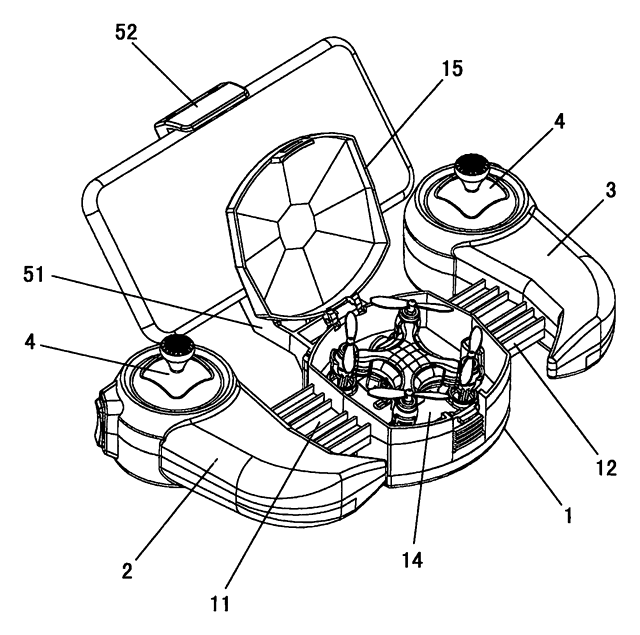
Toys & Games
Stretch-to-Fit Toy Remote with Drone Storage
Toy drone remote with slide-out handles for any hand size, a phone clamp and built-in drone storage.
Patent CN205412243U
Toys & Games
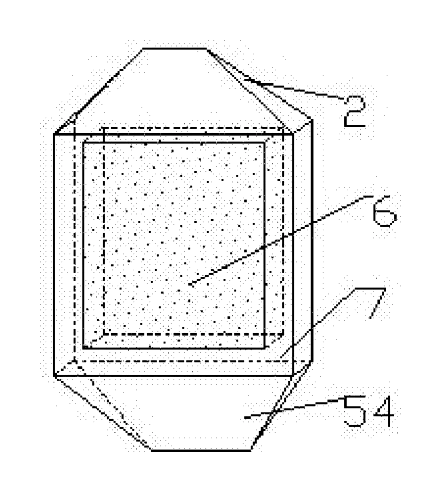
Magnetic Tile Racks for Ultra-Thin Travel Mahjong
Magnetic rack frames that hold ultra-thin mahjong tiles upright and fold into the set's carrying box.
Patent CN207169017U
Toys & Games
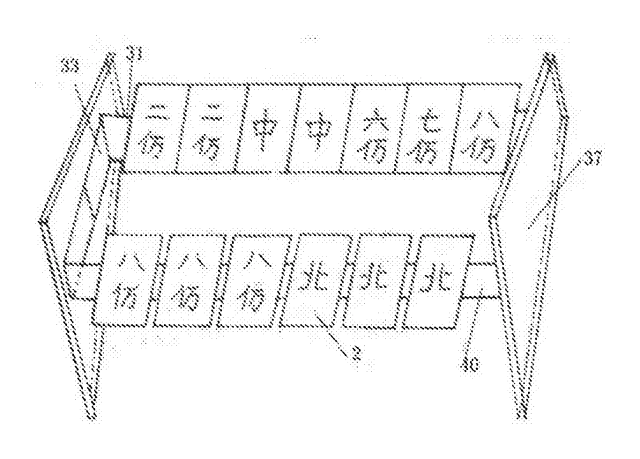
Card-Thin Magnetic Travel Mahjong and Chess Sets with Magnet Racks
Pocket mahjong and chess sets: thin magnetic-powder tiles, finger magnet picker and fold-out magnetic racks.
Patent CN206896783U
Toys & Games
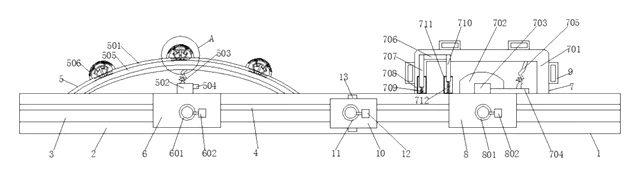
Inflatable Baby Climbing Mat with a Bumpy Hump and a Ramp Obstacle
Inflatable crawling mat: a bumpy rounded hump and a sloped ramp on a stiffened air base.
Patent CN108905229B
Toys, Games & Puzzles
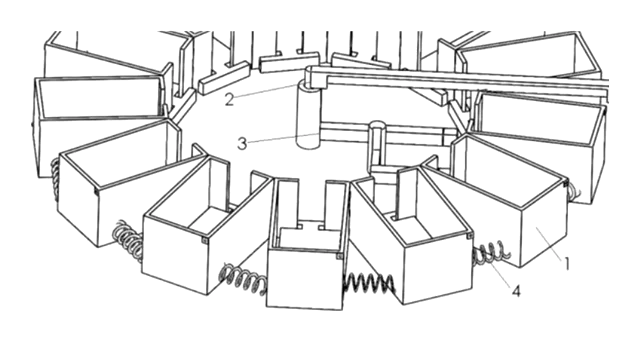
Ring-Layout Automatic Card Shuffler with Electromagnetic Box Coupling
Ring-layout card shuffler that sweeps stacks between boxes via electromagnetic coupling.
Patent CN209564602U
Toys & Games
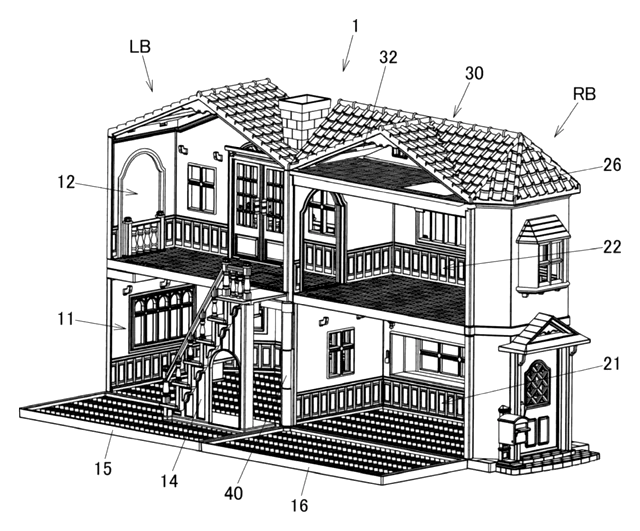
Transforming Construction Toy with an Extendable Roof Unit and Attic Room
Construction toy with a roof unit that lowers legs to add a smaller attic room above the main floor.
Patent CN219941768U
Browse by category
- Apparel & Accessories (22)
- Baby & Kids (16)
- Bags & Luggage (9)
- Bath & Personal Care (16)
- Car Accessories (10)
- Furniture, Bedding & Storage (12)
- Garden & Outdoor (18)
- Health & Wellness (8)
- Home, Kitchen & Cleaning (24)
- Lighting (12)
- Packaging & Containers (6)
- Pet Products (6)
- Phone & Camera Accessories (4)
- Retail Display (13)
- School, Office & Art (19)
- Sports & Recreation (25)
- Tools & Workshop (27)
- Toys & Games (12)
This page is based on the public patent document CN105963988B, assigned to Pan'an Zhongcheng Magnetic Industry Co., Ltd.. IP2M is an independent manufacturing service and is not affiliated with, endorsed by or licensed by the patent owner. Images marked as concept renderings are illustrations, not photos of an existing product. Patent status information is provided for reference only and is not legal advice; confirm freedom to operate for your market before production. Full disclaimer.