
Patent CN106110633B
Updated October 28, 2026Roller-Activated Inline Skate Brake with Adjustable Shoe Piece
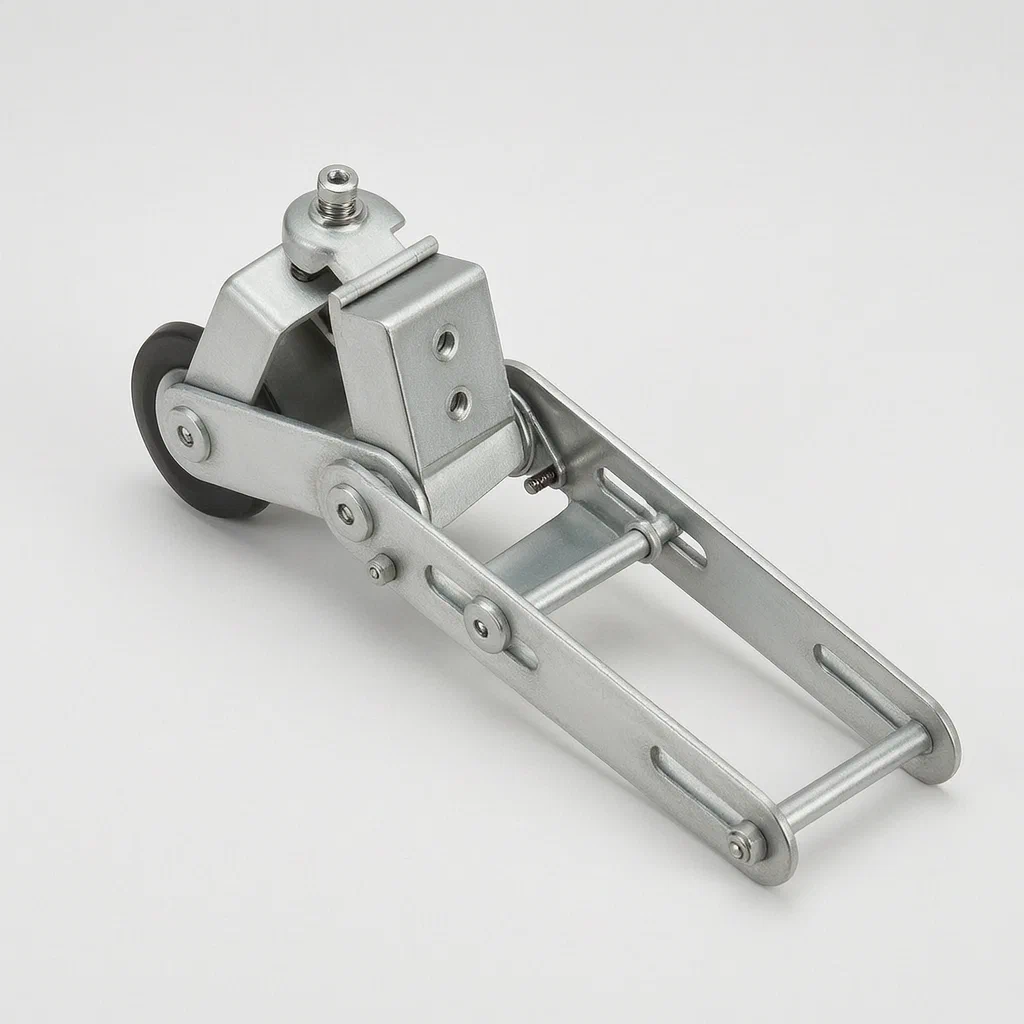
Standard heel brakes on inline skates require the rider to lift the toe and press a rubber pad on the ground, a motion that is hard for beginners to balance. This design changes the action: the skater simply stands on tiptoe. A small directive wheel at the front of the brake touches the ground and pushes a supporting rack backward. That rack forces a brake shoe piece against the last roller of the skate, creating friction that slows the rider down. The contact angle of the shoe piece is set by an adjusting bolt with a threaded shaft and nut, so the braking force can be tuned. Once the foot returns flat, two compression springs pull the assembly back to its starting position. The whole unit bolts to the skate frame through an ice skate connector made of clamping plates, a rotation axis and a double-threaded screw.
- China invention patent - lapsed
- No filings outside China
- Inline and roller skates
- Metal plates, bolt hardware, springs and brake shoe piece
Splat! What let you down?
🛑
Tiptoe activation
Standing on tiptoe lowers the directive wheel to the ground, triggering the brake without lifting the toe high.
🔧
Adjustable shoe angle
An adjusting bolt with a threaded shaft and nut changes how far the brake shoe piece deflects toward the rear roller.
🔄
Spring return
Two compression springs restore the brake to its resting position as soon as the foot flattens.
🛠️
Detachable shoe piece
The brake shoe piece is fastened to a connecting block by a fixed screw, allowing replacement when worn.
Bring this product to market
- ✓ Patent vetted China-only family and legal status checked
- 2 Product brief · now How it works, uses and options written up
- 3 Prototype First samples for buyers to review
- 4 Pilot run Small first batch for launch customers
- 5 Volume production Repeat orders at scale
Buyer interest
– of 100 buyers needed to start prototyping
One click, no sign-up. Each vote is one real visitor, and products with the most interest go to prototyping first.
Build team: no members yet. Need a partner, co-funding or skills to build this? Join and we introduce the team once it forms.
The problem
Traditional inline skate brakes mount a rubber pad behind the last wheel. To use it, the skater must lift the front wheels off the ground and lean back until the pad scrapes the pavement. Beginners often lose balance during this motion because it shifts the center of gravity abruptly. Heel brakes also wear unevenly and require the rider to twist the ankle to maintain contact. For children and casual skaters, learning this stopping technique takes repeated practice and carries a risk of falling backward. A simpler activation method that keeps both feet closer to the ground would reduce the learning curve and provide more controlled deceleration.
The solution
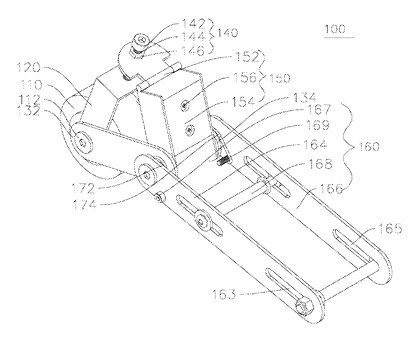
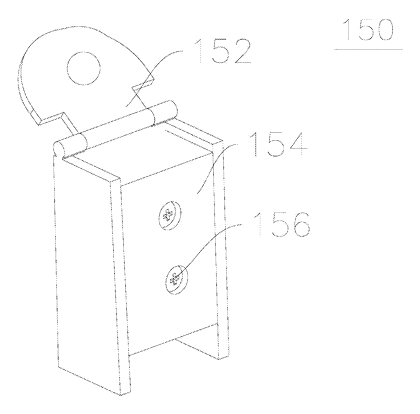
This skate brake replaces the heel-drag action with a tiptoe motion. The assembly fits between a first connecting plate (132) and a second connecting plate (134) arranged in parallel. At the front, a directive wheel (110) rotates on a fixing axle (112). One end of a supporting rack (120) is hinged to that axle. The other end of the rack connects to a brake member (150), which pivots between the two connecting plates. When the skater points the toe downward, the directive wheel touches the ground and forces the supporting rack to rotate. That rotation pushes the brake member forward so its shoe piece (154) presses against the skate’s last roller, generating friction. An adjusting bolt (140) between the rack and the brake member lets the user set the deflection angle. Two compression springs (172, 174) pull the parts back to their original positions when the foot is lowered.
Who it is for
- Inline skate brands looking for an alternative braking system that simplifies stopping for entry-level models.
- Children’s skate manufacturers needing a safer, easier-to-learn brake that reduces backward falls.
- Roller derby and club organizers who teach group classes and want students to master speed control faster.
- Replacement parts suppliers offering retrofit brake kits for standard inline skate frames.
How it works
The main parts
| No. | Part | What it does |
|---|---|---|
| 110 | Directive wheel | Contacts the ground when the skater stands on tiptoe. |
| 112 | Fixing axle | Holds the directive wheel between the connecting plates. |
| 120 | Supporting rack | Hinged to the fixing axle; transfers ground contact into brake movement. |
| 132, 134 | First and second connecting plates | Parallel side plates that house the moving parts. |
| 140 | Adjusting bolt | Threaded shaft and nut that set the brake member’s deflection angle. |
| 150 | Brake member | Pivots to push the shoe piece against the rear roller. |
| 152 | Connecting block | Links the supporting rack to the shoe piece. |
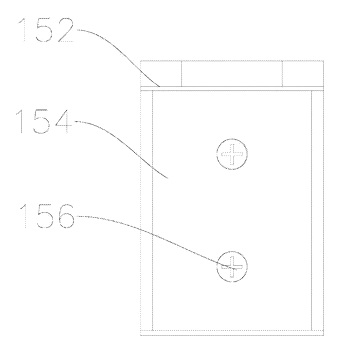
| 154 | Shoe piece | Friction surface that contacts the last roller to slow the skate. |
| 160 | Ice skate connector | Rotation axis, clamping plates and double-threaded screw for mounting. |
| 167, 169 | Set screws | Limit excessive rotation of the connecting block during braking. |
| 172, 174 | Compression springs | Return the brake to its resting position after use. |
Operating steps
- Skating normally - the springs hold the brake member away from the rear roller, and the directive wheel stays above the ground.
- Standing on tiptoe - the directive wheel lowers and contacts the ground surface.
- Pivoting the rack - ground contact drives the supporting rack to rotate around the fixing axle.
- Applying friction - the rack pushes the brake member forward; the shoe piece presses against the last roller of the skate, slowing it down.
- Returning to rest - flattening the foot lifts the directive wheel off the ground, and the compression springs stretch the assembly back to its starting position.
Applications
Beginner skating lessons
Instructors teaching first-time skaters spend significant time on stopping techniques. A tiptoe-activated brake allows students to slow down by simply pointing their toes, keeping their balance centered over the skates rather than leaning backward onto a heel pad.
Children’s recreational skates
Young skaters often lack the ankle strength to lift the front wheels and press a traditional heel brake firmly. This mechanism requires less force because the directive wheel translates a small tiptoe motion into direct friction on the rear roller, making it easier for lighter riders to control speed.
Urban fitness skating groups
Adult fitness skaters riding in parks or on paved trails encounter pedestrians and intersections frequently. A quick tiptoe tap provides immediate deceleration without the exaggerated body movement of a heel drag, helping riders maintain a steady pace in crowded areas.
Roller rink and club rentals
Rental facilities need durable equipment that new users can operate safely without lengthy instruction. Because the shoe piece is detachably connected to the block by a fixed screw, worn pads are replaced quickly, and the simple activation reduces accidents among occasional visitors.
Where it is less suitable
- Aggressive inline skating - trick skaters grind rails and jump stairs; an exposed directive wheel near the ground could catch on obstacles.
- Speed skating - competitive racers minimize all drag and weight; any added mechanism near the wheels interferes with aerodynamics and stride length.
- Ice hockey skates - the patent describes attachment to inline skate roller bearings; ice blades have no rear roller to press against.
Frequently asked questions
How does the tiptoe braking action work?
When the skater stands on tiptoe, the directive wheel at the front of the assembly touches the ground. That contact pushes the supporting rack to pivot around the fixing axle. The rack then forces the brake member forward, pressing the shoe piece against the last roller of the skate to create friction and slow the rider down.
Can I adjust how hard the brake presses the wheel?
Yes. An adjusting bolt with a threaded shaft and nut connects the supporting rack to the brake member. Turning the nut closer to the rack increases the deflection of the shoe piece toward the roller; turning it away decreases the pressure. Exact adjustment increments are set in design and confirmed on prototypes.
Is the brake shoe replaceable when it wears out?
The patent describes the shoe piece as detachably connected to the connecting block by a fixed screw. When the friction surface wears down, the screw is removed and a new shoe piece is installed.
Does the brake stay out of the way when not stopping?
Two compression springs are fitted inside the assembly. During braking they compress; when the skater lowers the foot back flat, the springs stretch and pull the supporting rack and brake member back to their original resting positions, clearing the rear roller.
Will this fit any inline skate?
The ice skate connector uses a double-threaded screw that passes through bar holes in the clamping plates and the skate’s existing roller bearing. Frame widths and wheelbase lengths vary by brand and size, so the plate dimensions and hole spacing must be designed to match the specific skate model.
What prevents the brake from slamming into the wheel too hard?
The assembly includes first and second set screws positioned at the axis holes of the clamping plates. These set screws limit the connecting block from rotating excessively, preventing the shoe piece from striking the last roller with sudden force.
Can this design be made and sold in the US?
The patent was filed only in China and is lapsed (terminated for non-payment of annual fees, recorded 2022-08-12), so it does not restrict the design in the US or in China. Inline skate braking mechanisms may be covered by other US patents - see Patent & Production - so we recommend a freedom-to-operate check before volume production.
Are you affiliated with the patent owner?
No. IP2M is an independent design and manufacturing service working from the public patent document.
Request a quote
Click Request a Quote below to see our email address - copy it, or open your email app with a ready-made message. Please mention patent CN106110633B in the subject.
Helpful details to include:
- Your company and channel (skate brand, sporting goods wholesaler, Amazon seller, rental facility supplier)
- Target skate models - frame width, wheelbase length and bearing type
- User group - children, adults, or both (affects compliance testing)
- Shoe piece material preference and desired friction level
- Estimated quantity and target price
- Timeline - when you would like prototypes and the first shipment
You can also reach us at (332) 203-9997.
Explore this product
Interested in building this?
Tell us your target market, quantity and timeline. We reply with options for prototyping, small-batch runs or volume production.
Send your inquiry to
Please put CN106110633B in the subject line and tell us your company, country, estimated quantity and timeline.
Prefer to talk? Call (332) 203-9997.
More product-ready patents
All Sports & Recreation patents →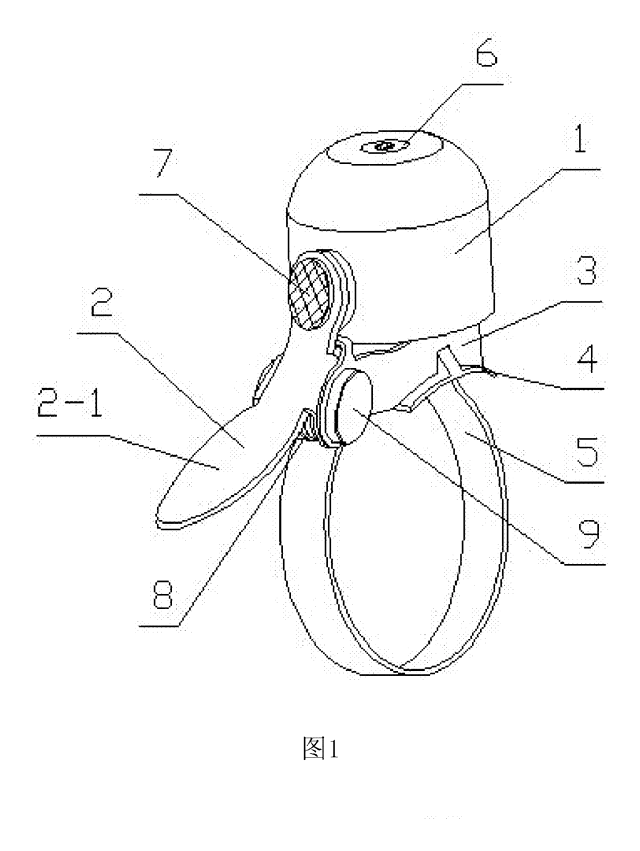
Sports & Recreation
Compact Torsion-Spring Bike Bell
Mini bike bell with a standard torsion spring and a rubber-floated dome - small size, clear tone, quick strap mount.
Patent CN205819384U
Sports & Recreation
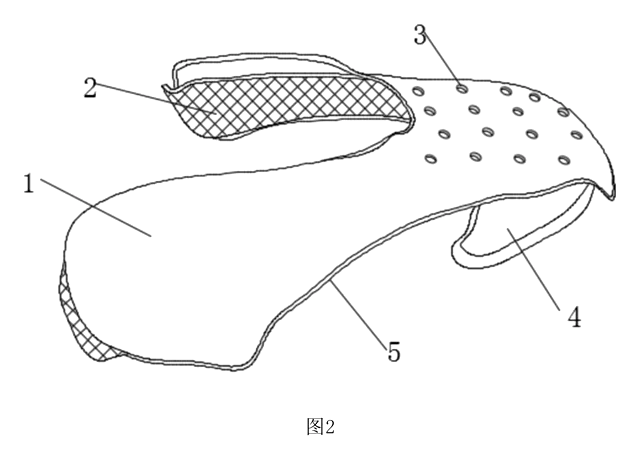
Padded Toe-Box Shield for Sneakers
Ventilated, silicone-lined toe-box insert that supports the front of a sneaker and cushions the toes.
Patent CN209473731U
Sports & Recreation
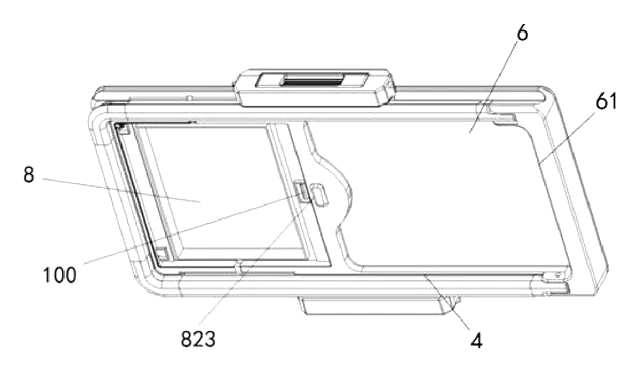
Reversible Fishing Seat-Box Lid with Backrest
Fishing seat-box lid that flips on removable hinge pins: cushion, backrest and storage on one face.
Patent CN208624426U
Sports & Recreation
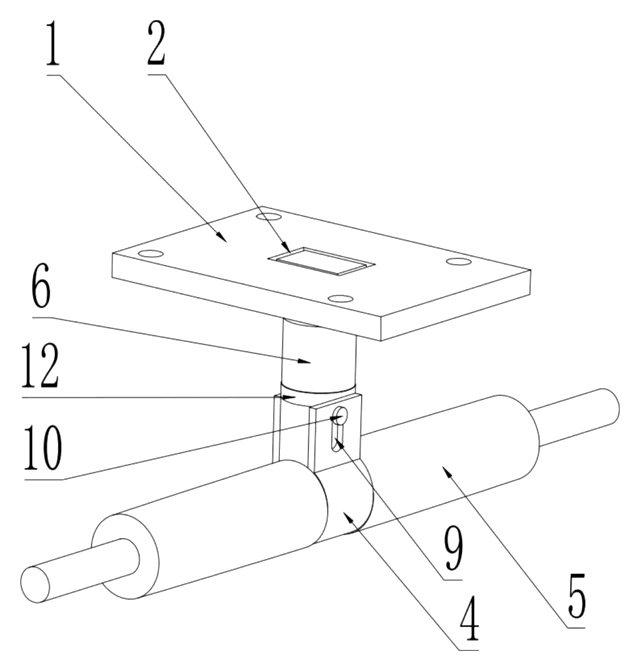
Swivel-Pin Skateboard Truck with Rubber Sleeve
Skateboard truck with a turning center pin, a tilting axle clamp and a rubber sleeve that centers it.
Patent CN216777880U
Sports & Recreation
Full-Face Bike Helmet with Magnetic Detachable Chin Bar
Full-face cycling helmet whose chin bar clips on and off with magnetic, latching side connectors.
Patent CN206630067U
Sports & Recreation
Bike Phone Holder with Built-In Flashlight Clamp
Handlebar mount with a phone cradle on top and a flashlight clamp below, on one arm.
Patent CN206077485U
Browse by category
- Apparel & Accessories (22)
- Baby & Kids (16)
- Bags & Luggage (9)
- Bath & Personal Care (16)
- Car Accessories (10)
- Furniture, Bedding & Storage (12)
- Garden & Outdoor (18)
- Health & Wellness (8)
- Home, Kitchen & Cleaning (24)
- Lighting (12)
- Packaging & Containers (6)
- Pet Products (6)
- Phone & Camera Accessories (4)
- Retail Display (13)
- School, Office & Art (19)
- Sports & Recreation (25)
- Tools & Workshop (27)
- Toys & Games (12)
This page is based on the public patent document CN106110633B, assigned to Individual. IP2M is an independent manufacturing service and is not affiliated with, endorsed by or licensed by the patent owner. Images marked as concept renderings are illustrations, not photos of an existing product. Patent status information is provided for reference only and is not legal advice; confirm freedom to operate for your market before production. Full disclaimer.