At a glance
| Patent number | CN106805345B (application CN201611249711) |
| Type | China invention patent (发明专利) - examined; protects the technical solution |
| Original title | Anti-heatstroke type helmet structure (一种防中暑型头盔结构) |
| Patent owner | Zhejiang Gongshang University (浙江工商大学) |
| Inventors | Li Tongqiang, Zhang Xinbo |
| Filing date | 2016-12-29 |
| Grant date | 2019-05-31 |
| Status (China) | Lapsed - terminated for non-payment of annual fees (recorded 2021-12-10) |
| Patent family | Chinese filings only - no US, European, Japanese, PCT or other filings listed |
| Cited by | 2 later documents |
| Source | Google Patents (search for CN106805345B) |
What the claims cover, in plain language
Claim 1 - a helmet with a body, a front visor that pivots, a rigid inner shell with a 3D mesh layer, and a water tank between the inner shell and the rear wall. A thermoelectric cooling plate sits on the tank wall. An air inlet pipe from outside, fitted with a micro air pump, ends below the water level; an outlet pipe starts above the water level and leads to an air nozzle at the top front of the inner shell. A lithium battery and controller at the top connect to the pump and cooling plate. The outlet pipe ends in a sleeve with a piston, vent holes and a slip ring linked to a float.
Claims 2-9 - further features described in the patent, such as the radiator for the cooling plate, the solar panel under a clear cover, the partition and filter chamber in the tank, filling and drain pipes, the proximity sensor and alarm, the tilt switches and the adjustable sleeve on the float rod.
This is a simplified reading for orientation only. The legal scope is defined by the exact claim wording in the official Chinese document.
What this means for US production
This patent was filed only in China and has lapsed, so it no longer restricts anyone in China either. It has no US or other foreign counterpart.
Two points to settle early:
- Other patents may exist. Cooled and ventilated helmets - fans, thermoelectric modules and air-conditioned motorcycle helmets - have several US patents and applications from helmet makers and start-ups; a freedom-to-operate (FTO) review of the final system by a US patent attorney should come before tooling.
- The helmet must stay a helmet. Tank, battery and electronics change impact behaviour and weight; the protective shell must be re-designed and certified with the cooling system installed.
Customization and manufacturing
What can be customized
| Area | Options |
|---|---|
| Helmet type | Full-face motorcycle, open-face scooter, or work hard hat versions |
| Cooling | Peltier module size, pump flow, fan-only economy version |
| Power | Battery capacity, USB-C charging, optional solar panel |
| Tank | Capacity, fill and drain layout, washable filter |
| Sensors | Low-water alarm, electronic tilt sensor instead of mercury switches |
| Branding | Shell colors, fleet graphics, visor tint, packaging |
Things to plan for (US market)
- FMVSS 218 (DOT) - a motorcycle helmet must meet the federal impact, penetration and retention standard with the cooling hardware fitted; bicycle versions fall under 16 CFR 1203, and work hard hats under ANSI/ISEA Z89.1.
- Mercury-switch ban - many states prohibit mercury-added switches in consumer products; the patent’s tilt switches would be replaced by an electronic tilt sensor.
- UN 38.3 and IEC 62133 - the lithium battery needs transport testing and cell safety certification.
- FCC Part 15 - the controller and pump drive electronics need unintentional-radiator compliance.
- Health claims - market the product as a cooling helmet; claims about preventing heatstroke should not be made in the brand’s own voice.
How a project runs
- Inquiry - helmet type, market, cooling target and quantity.
- Design - shell, tank and electronics packaged together; weight and balance budget.
- Prototype - working samples for cooling performance, run time, leaks and comfort.
- Pilot run - small batch for helmet-standard impact testing and battery certification.
- Production - volume production, packaging and shipping.
Quantities & timeline
The outer shell and inner shell need injection or composite tooling, the EPS liner needs a foam mold, the tank and pipes need blow or injection molds, and the controller needs a PCB build; helmet certification and battery testing are part of the schedule. Most development time goes into fitting the system without losing impact performance. Send us your helmet type, market, quantity and target price and we will reply with options.
Patent drawings
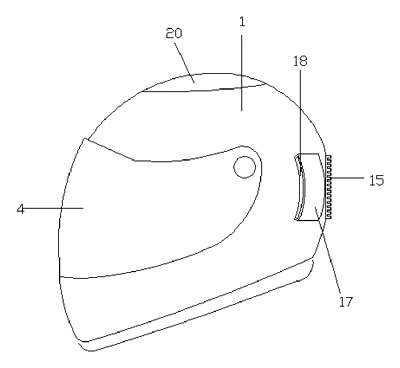
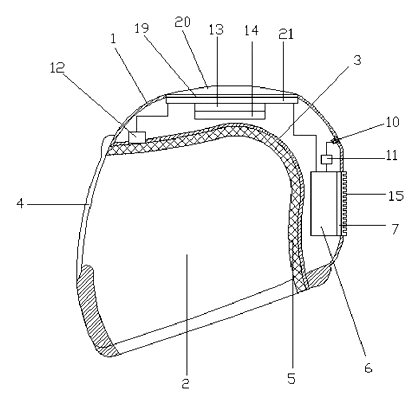
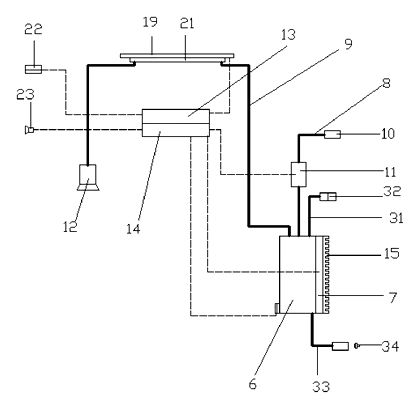
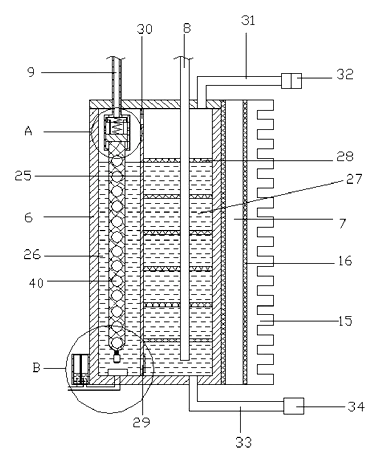
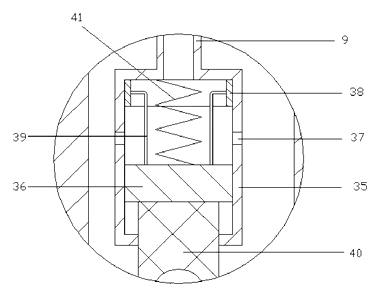
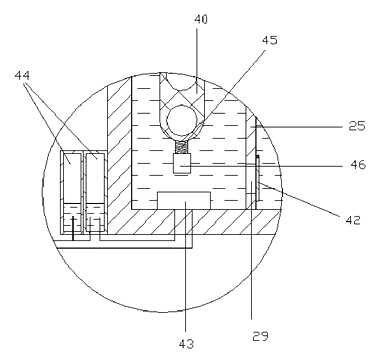
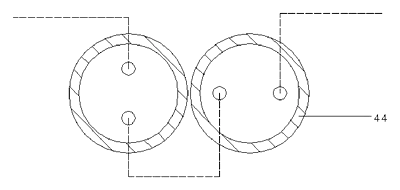
Drawings reproduced from the public patent document for reference.