At a glance
| Patent number | CN107080417B (application CN201710448731) |
| Type | China invention patent (发明专利) - protects product shape, structure, and method |
| Original title | A kind of Portable water cup with agitating function (一种带搅拌功能的便携式水杯) |
| Patent owner | ANHUI QIANLI GLASSWORK Co.,Ltd. |
| Inventors | Ye Mengjie |
| Filing date | 2017-06-14 |
| Grant date | 2018-10-16 |
| Status (China) | In force until at most 2037-06-14 (if annual fees are paid) |
| Patent family | Chinese filings only - no US, European, Japanese, PCT or other filings listed |
| Cited by | 29 later documents |
| Source | Google Patents (search for CN107080417B) |
What the claims cover, in plain language
Claim 1 - a portable water cup with a cup lid, a cup body, and a cavity at the top of the lid. The lid has spiral threads to connect to the cup body. Inside the cavity, a support column holds a rotating locking shaft extending front-to-back. The front end of the shaft has a slide chamber containing an inner locking rotating shaft connected to a locking motor. Behind the motor is a rechargeable portion. The front end of the locking shaft holds a sliding first locking part comprising a plate, a first casting lug, a first bolt, and a second bolt. The second bolt contains a locking transmission cavity holding an outer locking rotating shaft with a convex runner. Guide shifting sets and locking levers with catch bars control the sliding lock.
Claim 2 - the rear end of the rotating locking shaft has a first runner, and a stirring motor fixed behind the support column has a second runner, connected by a conveyer belt. Claim 3 - the rotating locking shaft is electrically connected to the rechargeable portion. Claim 4 - a stirring head connects the first locking part to the rotating locking shaft via a second locking part with a clamping hole matching the first casting lug and a connection slot for the first bolt. Claim 5 onward - details of the guide shifting sets, fixture blocks for limiting lever stroke, grooves for the first bolt, and touch controllers inside locking holes in the slide chamber walls.
This is a simplified reading for orientation only. The legal scope is defined by the exact claim wording in the official Chinese document.
What this means for US production
This patent was filed only in China and is currently in force there. Because there is no US counterpart, the specific design described here is not restricted by this particular patent in the United States. However, making or selling this exact design in China needs the owner’s permission while the patent remains active.
Two points to settle early:
- Other patents may exist. The self-stirring cup market is heavily patented globally. Companies such as Blendjet Inc. and Mavorco Operations Llc hold later US and foreign patents citing this Chinese document in the portable blender and mixing cup field. A freedom-to-operate (FTO) review covering the motor placement, magnetic or mechanical drive couplings, and lid-locking structures is essential before tooling up for the US market.
- Waterproofing the electronics. The patent places a rechargeable portion and motors inside the lid cavity. Engineering the seals to prevent liquid ingress into the slide chamber and locking transmission cavity during washing or drinking is the primary manufacturing challenge.
Customization and manufacturing
What can be customized
| Area | Options |
|---|---|
| Capacity | To be confirmed in design; about 12 oz to 20 oz typical for portable cups |
| Cup material | Glass, Tritan, stainless steel, or PP plastic |
| Stirring head shape | Whisk style, flat blade, or spiral depending on the target powder |
| Battery size | Capacity set in design / confirmed on prototypes based on motor load |
| Exterior finish | Matte, glossy, silicone sleeve, or printed branding |
| Charging port | USB-C or magnetic charging contacts to maintain sealing |
Things to plan for (US market)
- FDA 21 CFR - all materials contacting water or beverages (cup body, lid threads, stirring head, seals) must comply with FDA food-contact regulations.
- FCC Part 15 - the rechargeable portion and motor circuitry may require FCC testing if they generate radio frequency energy or use wireless charging.
- UN 38.3 and UL 2054 - the patent only says “rechargeable portion”; if a lithium cell is chosen, the cell or pack needs UN 38.3 transport testing and the pack a battery safety standard such as UL 2054, plus a sealed charging contact because the lid is washed near water.
- California Prop 65 - plastics, metals, and batteries must be screened for listed chemicals.
How a project runs
- Inquiry - target capacity, materials, battery life, and quantity.
- Design - engineering the lid cavity, sealing the slide chamber, routing the conveyer belt, and sizing the stirring motor.
- Prototype - 3D-printed lids and machined cups to test the locking mechanism, touch controllers, and mixing performance.
- Pilot run - injection molds for the lid, blow molding or glass forming for the cup body, waterproof testing, and battery cycle tests.
- Production - assembly of the rechargeable portion, motors, runners, and locking parts, followed by food-safety and electrical QA checks.
Quantities & timeline
The cup body requires blow molds, glass molds, or deep-draw dies depending on the material chosen. The lid cavity, support column, slide chamber, and locking parts require multi-cavity precision injection molds. The conveyer belt, runners, and stirring motor need custom assembly jigs. Certification tests for food contact and battery safety take several weeks. Send us your target capacity, material preferences, battery requirements, estimated quantity, and target price and we will reply with options.
Patent drawings
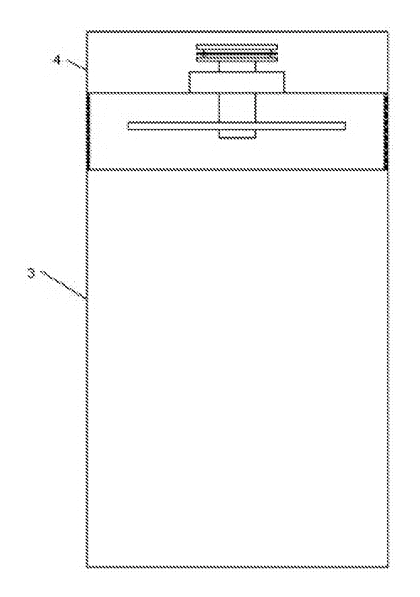
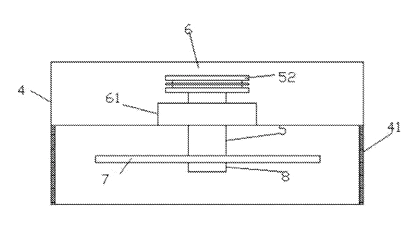
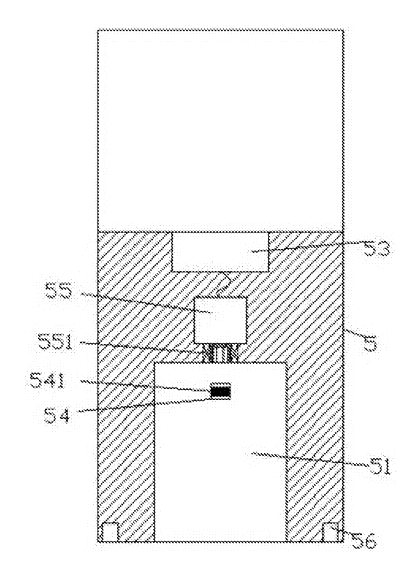
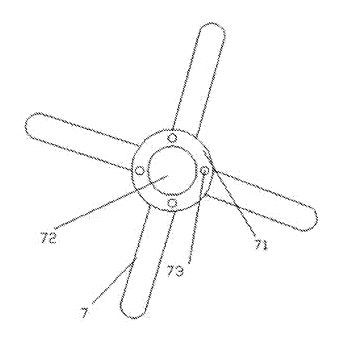
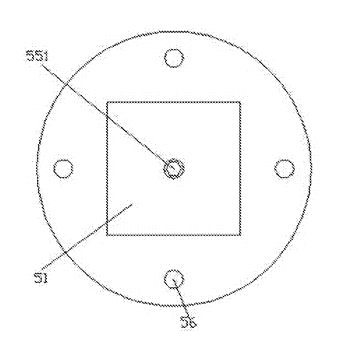
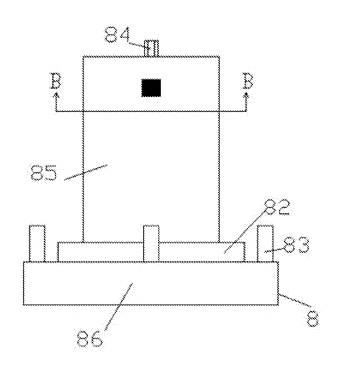
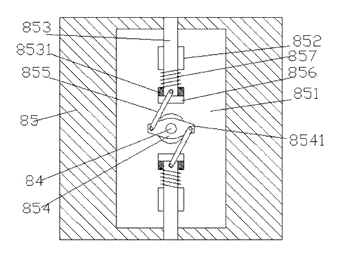
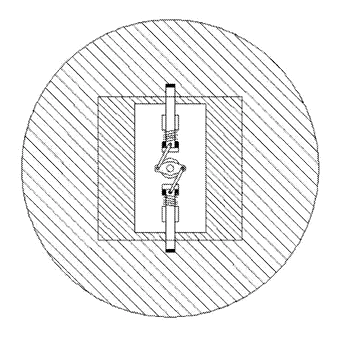
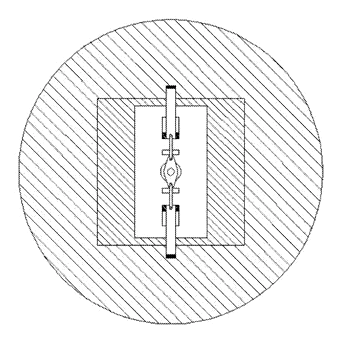
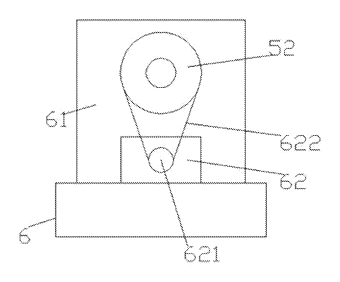
Drawings reproduced from the public patent document for reference.