
Patent CN108372980B
Updated October 29, 2026Insulated Food Packaging Box with Detachable Liner and Self-Heating Cavity
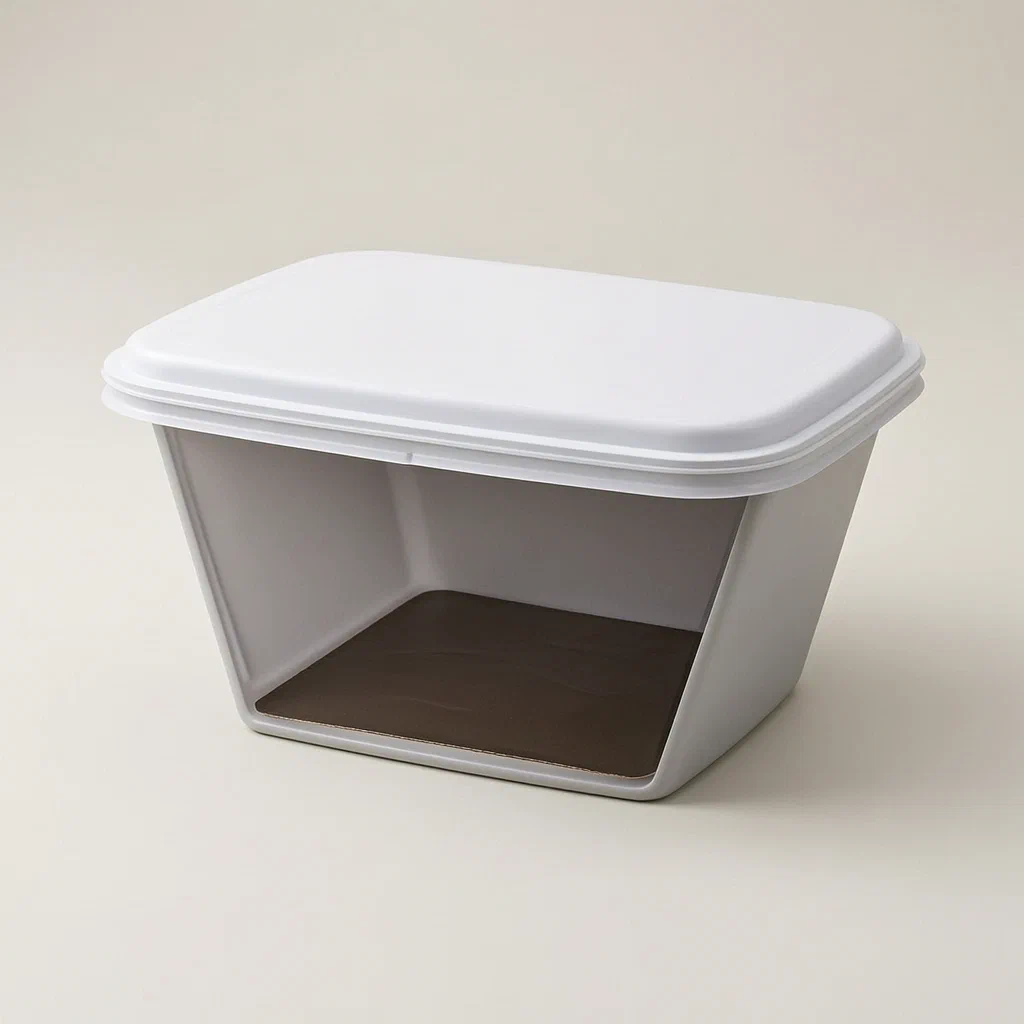
Standard takeout containers lose heat quickly during transit, especially in cold weather, leaving meals lukewarm by the time they reach the customer. This insulated food packaging box addresses that issue through a two-part structure: an outer box and an inner liner whose edges are completely bonded together to create a sealed cavity. A self-heating sheet placed inside this cavity provides warmth to the food compartment. The design keeps the container functional during winter deliveries while remaining detachable so the outer box can be separated and reused, reducing single-use plastic waste. A temperature sticker applied to the box cover lets handlers check the internal heat level without opening the lid.
- China invention patent - in force
- No filings outside China
- Food packaging & delivery
- Self-heating cavity, detachable liner, temperature sticker
Splat! What let you down?
🔥
Self-heating cavity
A sealed space between the outer box and liner holds a self-heating sheet to maintain food temperature.
♻️
Detachable and reusable
The liner and outer box separate after use, allowing the outer box to be reused instead of discarded.
🌡️
Temperature sticker
A sticker on the box cover displays temperatures in the 40-80° C range for quick visual checks.
📦
Sealed bonded rim
The liner rim is completely bonded to the outer box, enclosing the cavity and preventing heat loss.
Bring this product to market
- ✓ Patent vetted China-only family and legal status checked
- 2 Product brief · now How it works, uses and options written up
- 3 Prototype First samples for buyers to review
- 4 Pilot run Small first batch for launch customers
- 5 Volume production Repeat orders at scale
Buyer interest
– of 100 buyers needed to start prototyping
One click, no sign-up. Each vote is one real visitor, and products with the most interest go to prototyping first.
Build team: no members yet. Need a partner, co-funding or skills to build this? Join and we introduce the team once it forms.
The problem
When hot meals are packed for delivery, standard single-wall containers allow heat to escape rapidly into the surrounding air. During winter months or long transit routes, the food often drops to an unappetizing temperature before it reaches the customer. Adding loose insulation pads increases packing time, and fully disposable insulated boxes generate significant waste after a single use. Delivery drivers and restaurant staff also lack a simple way to verify whether the food inside remains adequately warm without breaking the seal and releasing more heat.
The solution
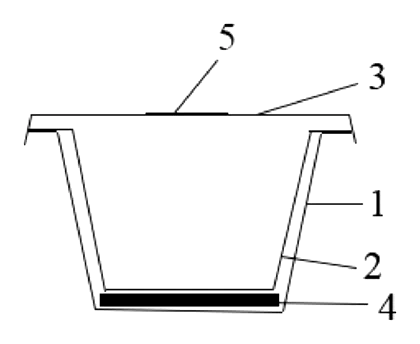
This patent describes a food packaging box built from three main components: an outer box, an inner liner, and a box cover.
- The inner liner is placed inside the outer box.
- The top edge of the liner is completely bonded to the inner rim of the outer box, creating a closed cavity between the two walls.
- A self-heating sheet is positioned inside this sealed cavity to provide continuous warmth to the food held within the liner.
- The box cover fits securely over the outer box to enclose the meal.
- A temperature sticker pasted on the outside of the box cover displays the internal temperature in the range of 40-80° C.
- After the meal, the bonded joint allows the container to be detached, meaning the outer box can be separated from the used liner and reused.
Who it is for
- Meal delivery platforms and logistics companies that need to keep food hot during extended winter transit routes without relying on bulky external thermal bags.
- Restaurant chains and catering businesses looking for a premium takeout container that maintains serving temperatures and offers a reusable outer shell to reduce packaging costs over time.
- Eco-focused packaging brands seeking a product that limits single-use plastic waste by separating the soiled food liner from a durable outer box designed for multiple trips.
- Wholesale food packaging distributors supplying high-end takeout boxes to restaurants that serve soups, stews, or hot entrees requiring strict temperature maintenance.
How it works
The main parts
| No. | Part | What it does |
|---|---|---|
| 1 | Outer box | Forms the exterior shell and one wall of the sealed cavity. |
| 2 | Inner liner | Holds the food; its rim bonds to the outer box to close the cavity. |
| 3 | Box cover | Seals the top of the outer box and carries the temperature sticker. |
| 4 | Closed cavity | The sealed space between the outer box and liner where the heating element sits. |
| 5 | Self-heating sheet | Placed in the cavity to generate and retain heat for the food. |
| 6 | Temperature sticker | Applied to the box cover to display temperatures between 40-80° C. |
Operating steps
- Prepare the box - place the inner liner into the outer box and bond the rims completely to seal the cavity.
- Insert the heating element - position the self-heating sheet inside the closed cavity, either between the outer box and the bottom of the inner liner, or between the outer box and the side wall of the inner liner.
- Load the food - place the hot meal into the inner liner.
- Close and check - fit the box cover over the outer box. The temperature sticker on the cover shows the heat level in the 40-80° C range.
- Deliver and separate - once delivered, the user eats the meal. The liner and outer box can then be detached, and the outer box is saved for reuse.
Applications
Winter food delivery
Delivery couriers transporting hot meals in freezing outdoor temperatures struggle to keep food warm using thin plastic clamshells. The sealed cavity and self-heating sheet maintain the temperature throughout the route. The temperature sticker on the cover lets the courier confirm the heat level without opening the package.
Premium restaurant takeout
High-end restaurants sending out hot dishes need packaging that matches their brand standards and preserves the dining experience at home. This detachable box keeps entrees warm while offering a structured, sturdy presentation. The ability to reuse the outer box aligns with sustainability goals promoted by modern dining establishments.
Corporate catering and events
Catering teams delivering bulk meals to offices or event venues often face delays between packing and serving. The self-heating sheet inside the cavity compensates for these gaps, ensuring food arrives at a suitable eating temperature. Staff can monitor the heat via the temperature sticker rather than opening each container.
Soup and stew transport
Liquid-heavy meals like soups lose heat faster than solid foods due to their volume and surface area. Placing the self-heating sheet at the bottom of the cavity directly under the liner targets the area where heat loss is greatest. The completely bonded rim prevents any liquid or steam from leaking into the heating compartment.
Where it is less suitable
- Cold or frozen food transport - the self-heating sheet is intended to keep food warm, making this design unsuitable for items that must remain chilled or frozen.
- Microwave reheating - the presence of a self-heating sheet and the bonded double-wall cavity means the complete assembly should not be placed directly into a microwave oven.
- Lowest-cost bulk takeout - the multi-part construction and heating elements cost more than basic single-wall foam or paper containers, limiting its use to premium or specialized applications.
Frequently asked questions
How does the box keep food warm?
The inner liner is bonded to the outer box to form a sealed cavity. A self-heating sheet placed inside this cavity generates warmth, which transfers through the liner wall to the food. The closed space prevents the heat from escaping quickly into the outside air.
Where is the heating sheet located?
The patent states the self-heating sheet can be arranged between the outer box and the bottom of the inner liner, or between the outer box and the side wall of the inner liner. The exact placement is set in design based on the type of food being packed.
What does the temperature sticker do?
A temperature sticker is pasted on the box cover. It displays the temperature inside the box within the range of 40-80° C, allowing delivery staff or customers to check the heat level visually without removing the lid.
Can the outer box really be reused?
Yes. The patent describes the lunch box as detachable. After the meal, the inner liner can be separated from the outer box. The outer box is then available for reuse, which reduces the amount of plastic discarded after a single delivery.
What sizes are available?
The patent document does not specify exact dimensions or capacities. The length, width, and depth of the outer box and liner are set in design and confirmed on prototypes to match the buyer’s portion requirements.
Is the self-heating sheet safe for food packaging?
The patent describes a specific metal-organic framework compound used in the preparation method. For US market production, the chemical composition of any heating element and the materials of the inner liner must pass FDA 21 CFR food contact safety evaluations. Alternative commercial heating pads can also be sourced.
Does it work for cold foods?
The design relies on a self-heating sheet to maintain warmth, making it intended for hot meals. It is not configured to act as a cooler for cold or frozen items.
Can this design be made and sold in the US?
The patent was filed only in China and has no US counterpart, so this specific document does not restrict making or selling the box in the US. However, it remains in force in China until at most 2038-02-28 (if annual fees are paid), meaning production in China requires the owner’s permission. Because other companies hold related US design patents in this field, we recommend a freedom-to-operate review before starting production.
Are you affiliated with the patent owner?
No. IP2M is an independent design and manufacturing service working from the public patent document.
Request a quote
Click Request a Quote below to see our email address - copy it, or open your email app with a ready-made message. Please mention patent CN108372980B in the subject.
Helpful details to include:
- Your company and channel (meal delivery platform, restaurant chain, packaging distributor, catering business)
- Target dimensions and food volume for the inner liner
- Material preferences for the outer box and liner
- Heating element requirements (placement, duration, heat output)
- Need for the temperature sticker and preferred range
- Estimated quantity per order and annual volume
- Timeline - when you would like prototypes and the first shipment
You can also reach us at (332) 203-9997.
Explore this product
Interested in building this?
Tell us your target market, quantity and timeline. We reply with options for prototyping, small-batch runs or volume production.
Send your inquiry to
Please put CN108372980B in the subject line and tell us your company, country, estimated quantity and timeline.
Prefer to talk? Call (332) 203-9997.
More product-ready patents
All Packaging & Containers patents →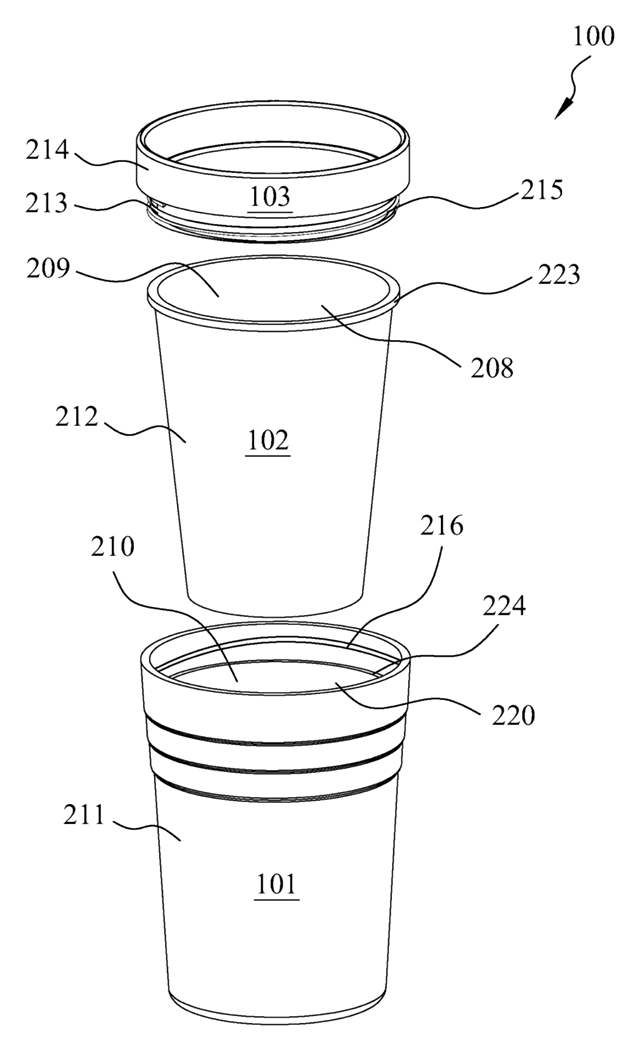
Packaging & Containers
Rigid Shell Container with Removable Silicone Liner
Cup or food box with a rigid outer shell and a removable, leak-tight silicone liner.
Patent CN212638395U
Packaging & Containers
Child-Resistant Paperboard Medicine Box with Three-Point Opening
Paperboard medicine box that opens only when press points on three sides are pushed together.
Patent CN107117365B
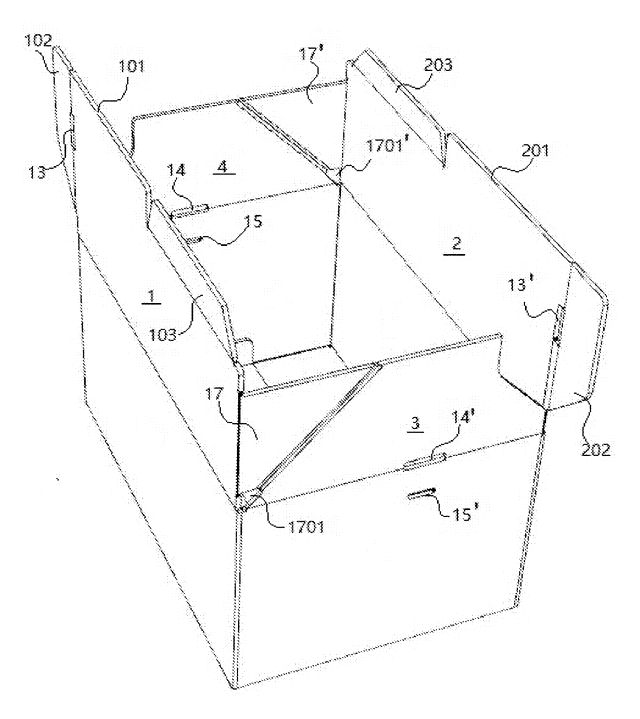
Packaging & Containers
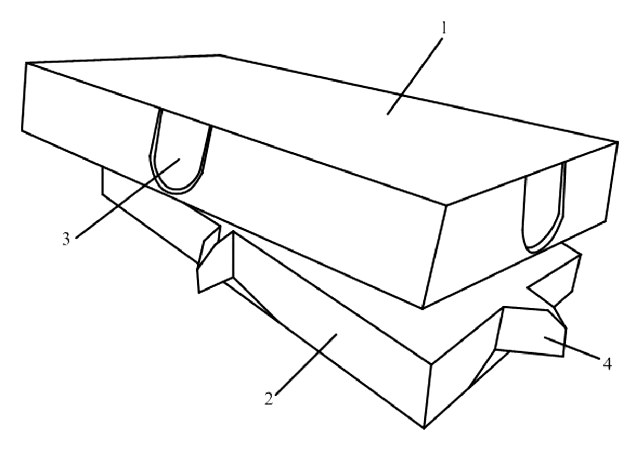
Tape-Free Reusable Shipping Box with Zigzag Interlocking Flaps
Reusable carton closed without tape: zigzag flaps interlock, tabs tuck in, a U-clip locks the lid.
Patent CN207242262U
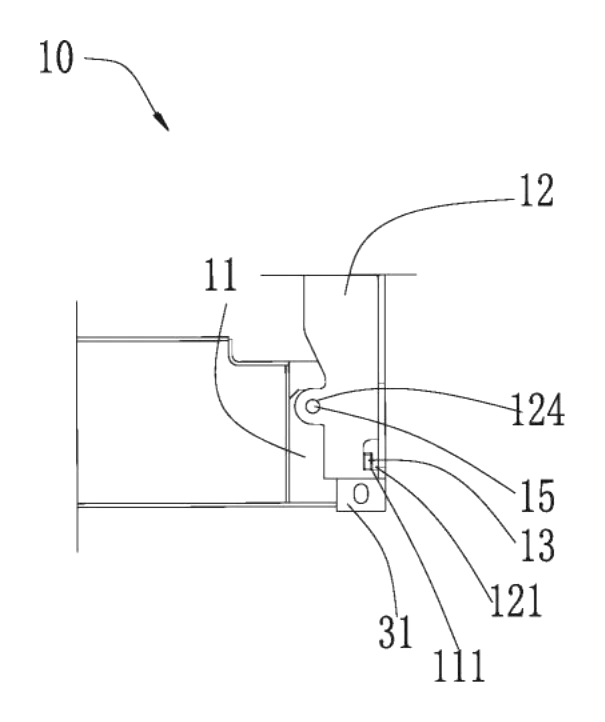
Packaging & Containers
Hinge Device for Folding Containers with Integrated Twistlock Hole
Folding container hinge with a built-in twistlock hole and observation port.
Patent CN113460518B
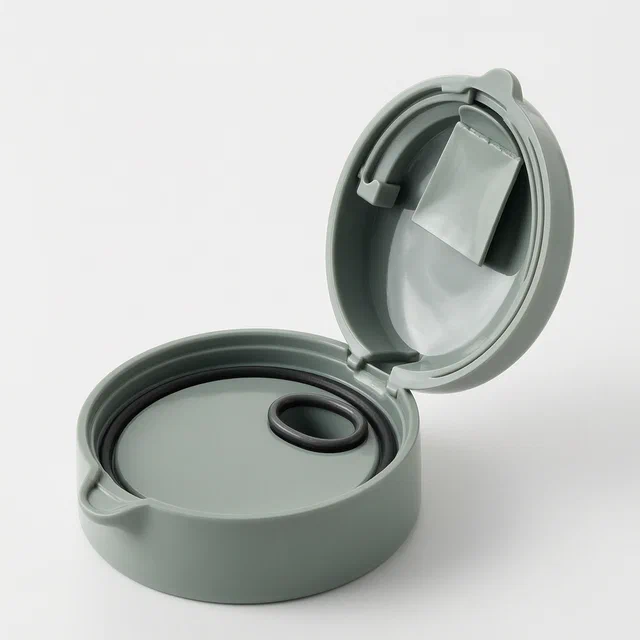
Packaging & Containers
Cylindrical Plastic Bottle Cap with Built-In Soup Ladle
Plastic bottle cap storing a soup ladle inside, with a flip-top lid and inner sealing closure.
Patent CN106144192B
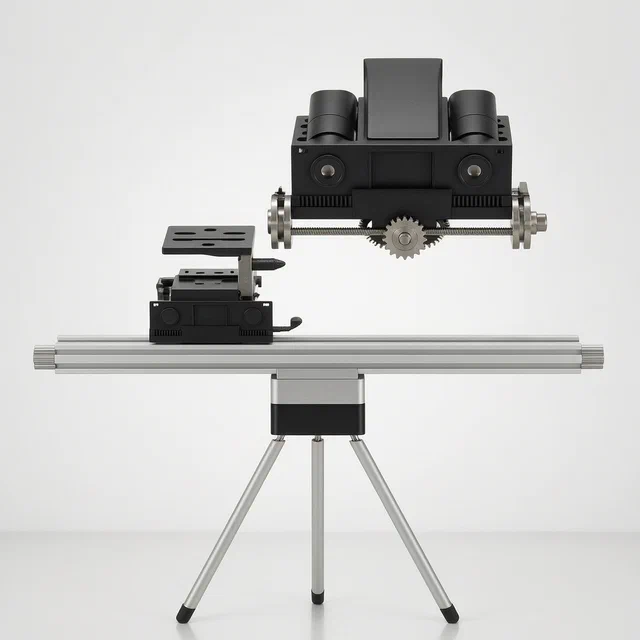
Phone & Camera Accessories
Remote-Controlled Outdoor Photography Tripod with Movable Lens Mount
Motorized tripod with a remote-driven camera seat and a sliding multi-lens mount.
Patent CN118328254B
Browse by category
- Apparel & Accessories (22)
- Baby & Kids (16)
- Bags & Luggage (9)
- Bath & Personal Care (16)
- Car Accessories (10)
- Furniture, Bedding & Storage (12)
- Garden & Outdoor (18)
- Health & Wellness (8)
- Home, Kitchen & Cleaning (24)
- Lighting (12)
- Packaging & Containers (6)
- Pet Products (6)
- Phone & Camera Accessories (4)
- Retail Display (13)
- School, Office & Art (19)
- Sports & Recreation (25)
- Tools & Workshop (27)
- Toys & Games (12)
This page is based on the public patent document CN108372980B, assigned to Shandong Wheat Song Environmental Protection Technology Co Ltd. IP2M is an independent manufacturing service and is not affiliated with, endorsed by or licensed by the patent owner. Images marked as concept renderings are illustrations, not photos of an existing product. Patent status information is provided for reference only and is not legal advice; confirm freedom to operate for your market before production. Full disclaimer.