
Patent CN108422779B
Updated October 31, 2026Adjustable Hob Rest for Pencil Sharpeners with Rotating Disk Mechanism
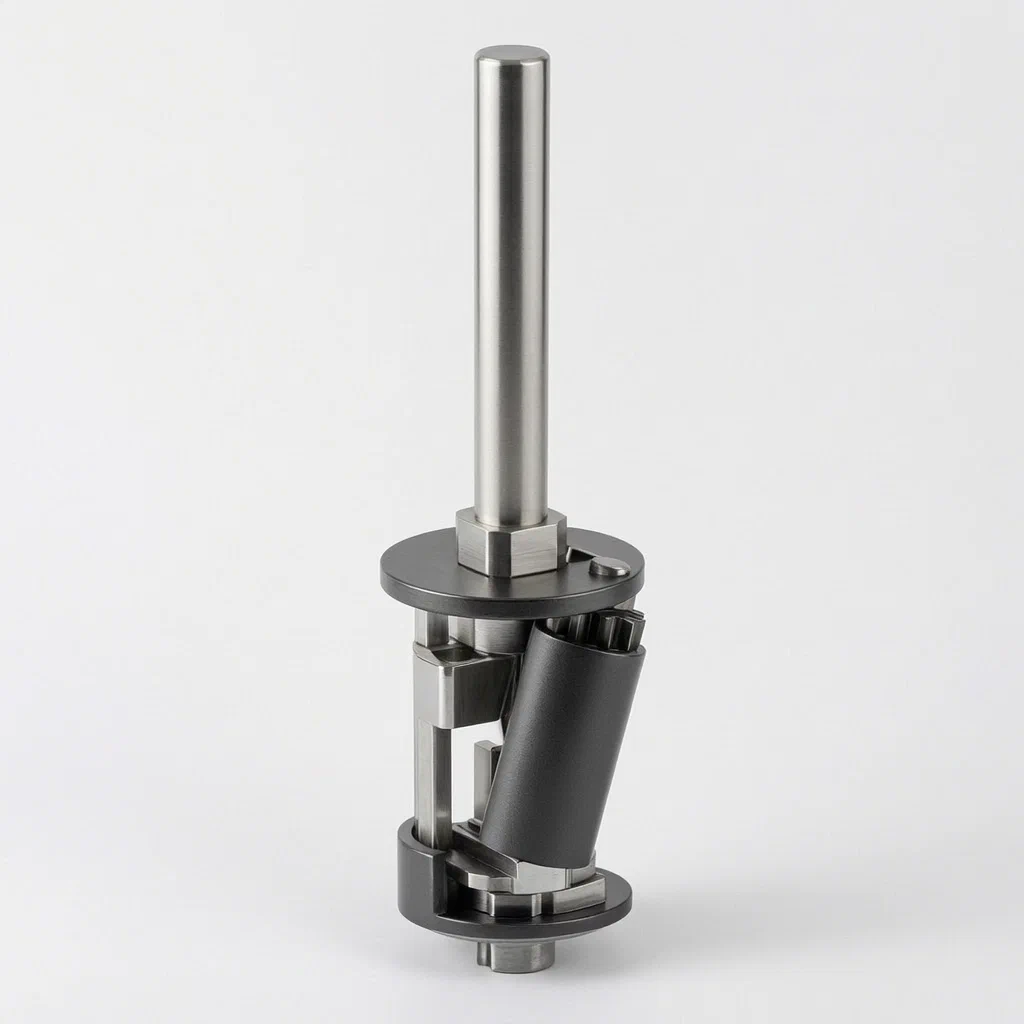
Standard manual sharpeners struggle when switching between thin mechanical pencils and thick wooden ones; the fixed cutter angle or support position leads to breakage or uneven tips. This design uses a single rotary disk to adjust three critical parameters at once. At the lower end of the tool rest, the disk rotates a cam-like structure that pushes a U-shaped limiting block vertically along a guide bar. This block holds the pencil by its hand-pinched part below the planing opening. Simultaneously, the rotation changes the radial distance of the hob's lower shaft against an arc-shaped clamping strip, tilting the cutter to match the desired tip taper. Finally, gears on the same disk rotate a shaft holding staggered pencil-blocking members, swapping out the support geometry for different pencil types.
- China invention patent - active
- No filings outside China
- Office supplies & school tools
- Rotary disk adjustment mechanism
Splat! What let you down?
🔄
Single-disk control
One rotary disk adjusts the limiting block height, hob tilt, and pencil blocker selection.
📐
Variable cutter angle
The hob shaft moves radially against an irregular clamping strip to change the cutting taper.
✏️
Multi-pencil support
Staggered blocking members rotate into place to fit different pencil necks and diameters.
⚙️
Synchronized adjustment
Gears mesh the blocker shaft directly to the main disk, ensuring parts move together.
Bring this product to market
- ✓ Patent vetted China-only family and legal status checked
- 2 Product brief · now How it works, uses and options written up
- 3 Prototype First samples for buyers to review
- 4 Pilot run Small first batch for launch customers
- 5 Volume production Repeat orders at scale
Buyer interest
– of 100 buyers needed to start prototyping
One click, no sign-up. Each vote is one real visitor, and products with the most interest go to prototyping first.
Build team: no members yet. Need a partner, co-funding or skills to build this? Join and we introduce the team once it forms.
The problem
Manual pencil sharpeners often fail when users switch between different pencil types. A standard fixed-angle blade may cut too aggressively on soft graphite or leave a blunt tip on hard wood. Additionally, the support cradle inside the sharpener is usually sized for one diameter range; thinner pencils wobble, causing breaks, while thicker pencils cannot enter the planing mouth correctly. Adjusting these factors individually is complex and prone to misalignment, resulting in inconsistent sharpening quality across a product line.
The solution
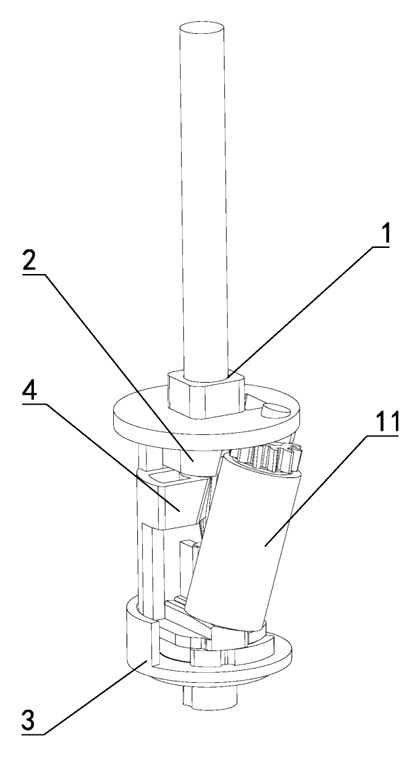
- A hob rest (2) contains a planing opening (1) where the pencil enters.
- A rotary disk (3) sits at the lower end of the rest. It serves as the central actuator.
- A limiting block (4) with a conical abutting groove (5) holds the pencil below the opening. It moves vertically along a guide bar (13).
- As the disk rotates, a matching block (14) pushes the limiting block up or down, adjusting how deep the pencil goes.
- The disk also carries a clamping piece (12) with an irregular inner wall. An elastic piece keeps the hob (11)’s lower shaft pressed against this wall. Rotation changes the radial distance, tilting the hob.
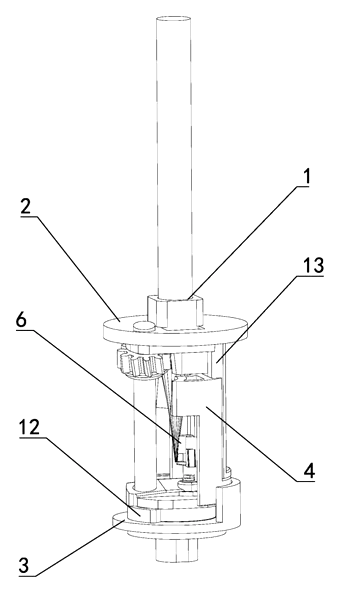
- A pencil blocking block (6) sits on a shaft (7) driven by a gear (8) meshed with teeth on the rotary disk. Different blocking members (staggered blocks and arcs) rotate into position to support specific pencil shapes.
Who it is for
- Office supply brands looking to differentiate their manual sharpeners with multi-pencil compatibility features.
- School furniture manufacturers who need durable sharpeners capable of handling varied student equipment without frequent replacement.
- Art supply distributors selling kits that include both sketching pencils and standard HB writing pencils.
- OEM/ODM factories seeking a compact mechanical design that reduces the number of separate adjustment knobs.
How it works
The main parts
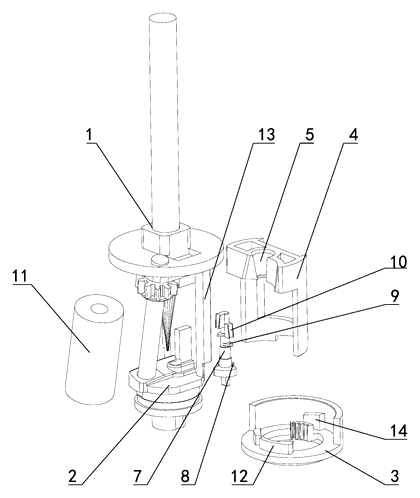
| No. | Part | What it does |
|---|---|---|
| 1 | Planing opening | Entry point for the pencil. |
| 2 | Hob rest | Main body housing the cutter and adjustments. |
| 3 | Rotary disk | Central driver for height, tilt, and blocker selection. |
| 4, 5 | Limiting block & groove | Holds pencil; moves vertically to set depth. |
| 6, 7, 8 | Blocking block, shaft, gear | Rotates to present different support profiles. |
| 9, 10 | Propping/clamping blocks | Support the pencil neck and prevent shaking. |
| 11 | Hob | The cutting tool; angle changes via disk rotation. |
| 12 | Clamping piece | Irregular wall that tilts the hob shaft. |
| 13 | Guide bar | Keeps the limiting block moving strictly vertical. |
| 14 | Matching block | Cam surface on the disk that lifts the limiting block. |
Operating steps
- Insert the pencil into the planing opening; the hand-pinched part rests in the conical groove of the limiting block.
- Rotate the disk. The matching block (14) contacts the inclined bottom of the limiting block (4), pushing it up or down along the guide bar (13). This sets the cutting amount.
- Tilt the cutter. Simultaneously, the hob shaft slides along the irregular inner wall of the clamping piece (12). The change in radial distance alters the hob’s inclination angle, optimizing the tip shape.
- Switch supports. The gear (8) on the blocker shaft turns, bringing the appropriate blocking member (9/10) into alignment with the pencil neck to stabilize it during sharpening.
Applications
School classroom sets
Teachers use one sharpener for a class mixing thin mechanical refills and thick wooden pencils. The synchronized adjustment prevents students from breaking tips due to incorrect support settings.
Art studio stations
Artists switching between charcoal sticks and colored pencils need precise tip tapers. The variable hob angle allows fine-tuning of the cut geometry without changing blades.
Retail display units
Demonstration models in stationery stores can show customers how the device adapts to different products, highlighting the ease of a single-knob adjustment system.
Industrial training centers
Vocational schools using heavy-duty drafting pencils require robust sharpening. The metal-on-metal gear drive provides durability for high-frequency use compared to plastic alternatives.
Where it is less suitable
- Electric sharpeners: The mechanism relies on manual rotation of the disk; integrating it into motorized units requires significant redesign.
- Ultra-fine mechanical pencils: The conical groove and blocking members are designed for standard wooden pencil geometries, not very small lead diameters.
Frequently asked questions
How does one knob adjust everything?
The rotary disk acts as a master cam. Its outer edge interacts with the hob shaft to tilt the blade, while its top surface (via the matching block) pushes the limiting block up or down. Simultaneously, internal gears turn the pencil blocker shaft. All movements are mechanically linked to one rotation.
Can it handle mechanical pencils?
The design focuses on wooden pencils with a “hand-pinching part” and a distinct neck. Mechanical pencils lack this geometry, so the conical groove and blocking members may not provide stable support. It is best suited for standard hexagonal or round wooden pencils.
Why does the blade angle change?
Different pencils have different hardnesses and wood structures. A steeper angle might cause breakage in soft graphite, while a shallower angle leaves a blunt tip on hard wood. Changing the inclination allows the user to optimize the cut for the specific pencil being used.
Is the mechanism difficult to assemble?
It involves several interacting parts: the disk, the U-shaped limiting block, the guide bar, and the gear train. Precision in the cam surfaces and gear meshing is critical to prevent jamming. Tolerances should be tight.
What materials are recommended?
Metal (steel or aluminum) offers durability for the disk and hob shaft. Reinforced nylon or POM can be used for the limiting block and gears to reduce noise and friction. Elastic springs provide constant pressure on the hob.
Does it require maintenance?
Graphite dust accumulates in the mechanism. Regular cleaning is advised. The elastic piece maintaining hob contact may fatigue over time and might need replacement depending on usage frequency.
Can this design be made and sold in the US?
The patent is in force only in China. There is no US patent for this specific family. However, similar mechanical principles may be covered by other US patents. We recommend a freedom-to-operate check before mass production in the US.
Are you affiliated with the patent owner?
No. IP2M is an independent design and manufacturing service working from the public patent document.
Request a quote
Click Request a Quote below to see our email address - copy it, or open your email app with a ready-made message. Please mention patent CN108422779B in the subject.
Helpful details to include:
- Your company and channel (office supply brand, school supplier, art materials distributor)
- Target pencil types (diameter ranges, wood hardness)
- Desired tip styles (fine, broad, conical)
- Material preferences (metal vs. plastic components)
- Estimated quantity and target price
- Timeline - when you would like samples and the first shipment
You can also reach us at (332) 203-9997.
Explore this product
Interested in building this?
Tell us your target market, quantity and timeline. We reply with options for prototyping, small-batch runs or volume production.
Send your inquiry to
Please put CN108422779B in the subject line and tell us your company, country, estimated quantity and timeline.
Prefer to talk? Call (332) 203-9997.
More product-ready patents
All School, Office & Art patents →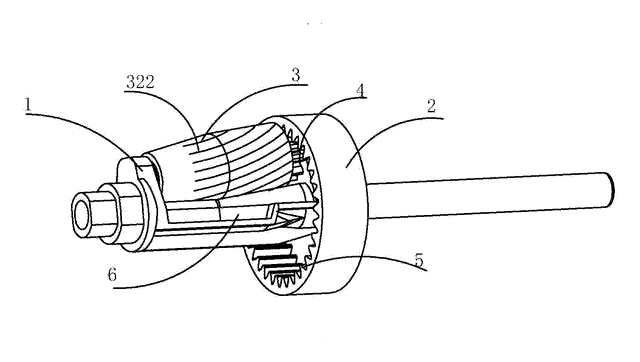
School, Office & Art
Long-Point Sketch Pencil Sharpener
Crank sharpener that cuts only the wood of sketch pencils, leaving a long, round lead about 30 mm long.
Patent CN207241257U
School, Office & Art
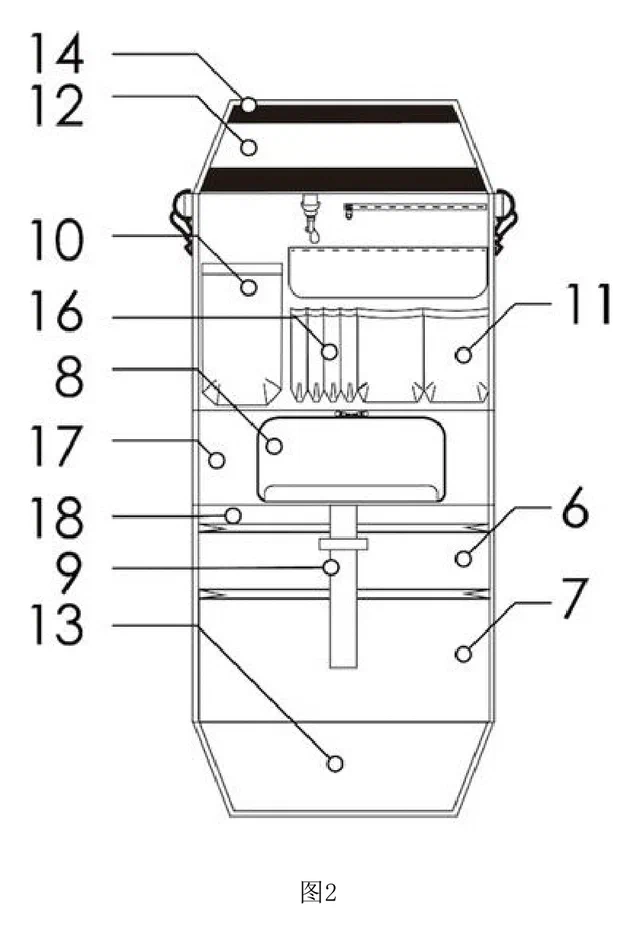
Fold-Out Desk Organizer Insert for School Backpacks
Backpack insert that unfolds into a hanging desk organizer for workbooks, stationery and a water bottle.
Patent CN209436546U
School, Office & Art
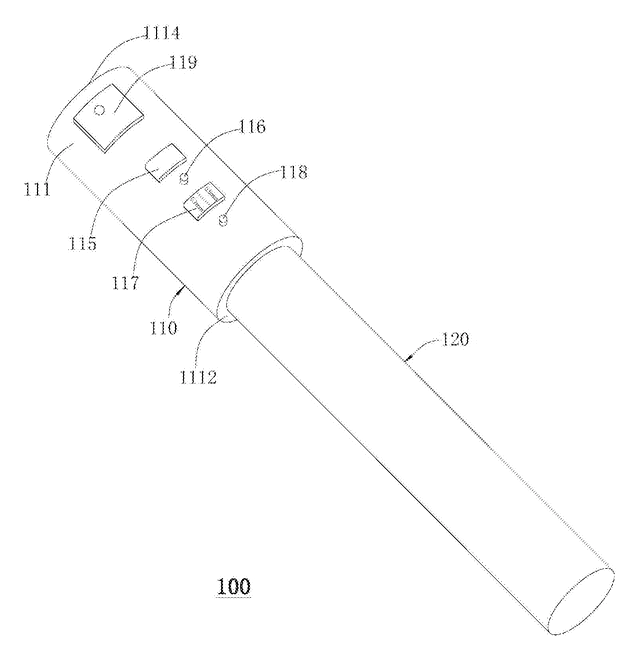
Smart Pencil Cap That Checks the Point with a Camera
Electronic pencil cap that photographs the point, measures it and reminds you to sharpen.
Patent CN106427302B
School, Office & Art
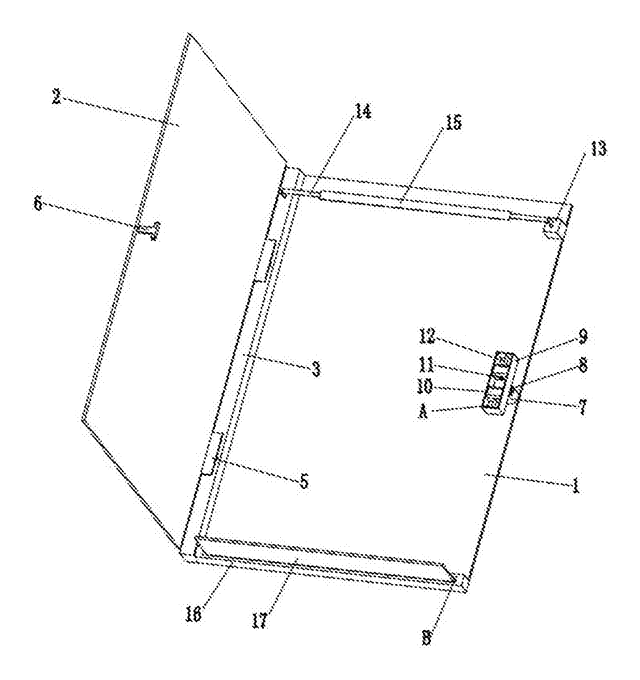
Expanding Clipboard Folder with Spring-Mounted Hinge and Catch
Hard folder whose spring-mounted hinge and catch let the cover clamp any thickness of paper.
Patent CN105667120B
School, Office & Art
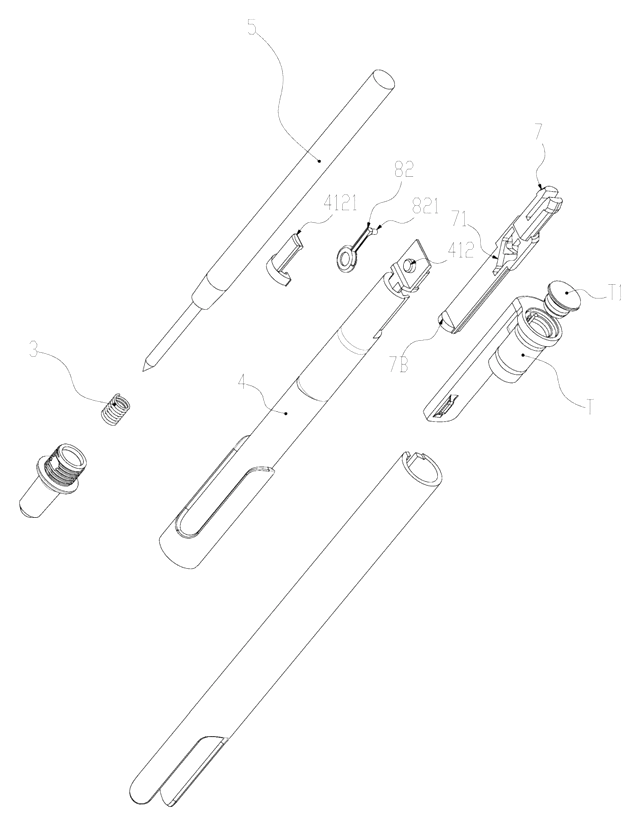
Slide-Action Retractable Pen with a Friction-Loaded Cam That Ignores Gravity
Slide-action retractable pen whose spring-pressed cam latch stays put whichever way the pen is held.
Patent CN217671900U
School, Office & Art
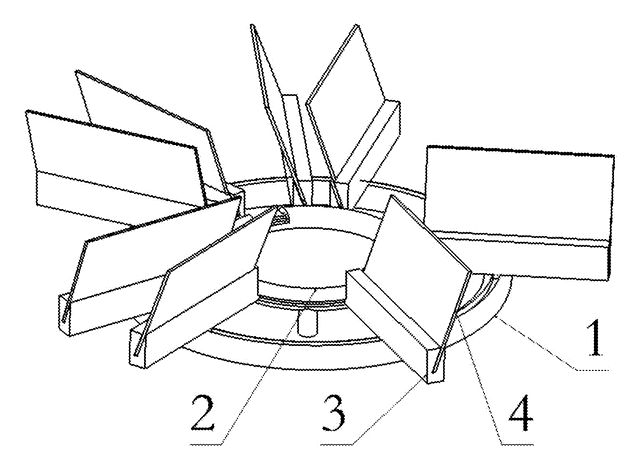
Carousel Business Card Holder with Rolling Card Trays on Twin Ring Tracks
Desk card holder: angled card trays roll on wheels around two concentric ring tracks and lift out.
Patent CN105774300B
Browse by category
- Apparel & Accessories (25)
- Baby & Kids (18)
- Bags & Luggage (12)
- Bath & Personal Care (18)
- Car Accessories (14)
- Furniture, Bedding & Storage (13)
- Garden & Outdoor (21)
- Health & Wellness (9)
- Home, Kitchen & Cleaning (28)
- Lighting (14)
- Packaging & Containers (7)
- Pet Products (6)
- Phone & Camera Accessories (5)
- Retail Display (15)
- School, Office & Art (21)
- Sports & Recreation (27)
- Tools & Workshop (32)
- Toys & Games (14)
This page is based on the public patent document CN108422779B, assigned to Individual. IP2M is an independent manufacturing service and is not affiliated with, endorsed by or licensed by the patent owner. Images marked as concept renderings are illustrations, not photos of an existing product. Patent status information is provided for reference only and is not legal advice; confirm freedom to operate for your market before production. Full disclaimer.