At a glance
| Patent number | CN108819564B (application CN201811081834) |
| Type | China invention patent (发明专利) - protects product structure and method |
| Original title | A kind of pencil elongated pen container (一种铅笔加长笔筒) |
| Patent owner | Individual |
| Inventors | Peng Zihan |
| Filing date | 2018-09-17 |
| Grant date | 2019-08-20 |
| Status (China) | Lapsed - terminated for non-payment of annual fees (recorded 2024-09-13) |
| Patent family | Chinese filings only - no US, European, Japanese, PCT or other filings listed |
| Cited by | 0 later documents |
| Source | Google Patents (search for CN108819564B) |
What the claims cover, in plain language
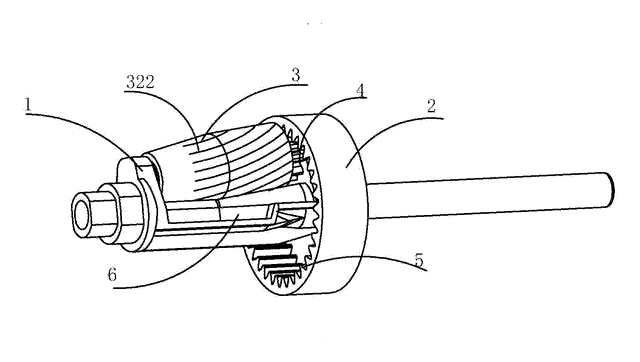
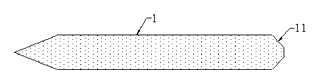
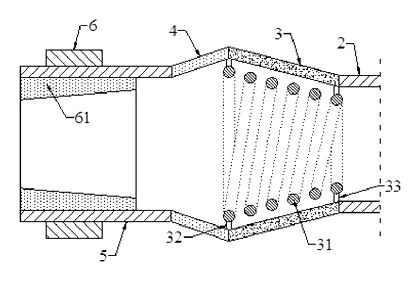
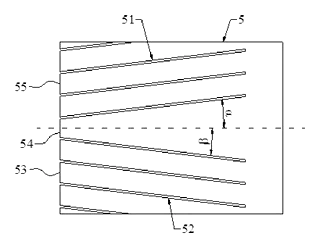
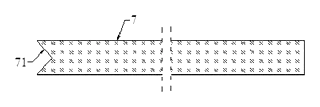
Claim 1 defines a pencil extension device comprising a circular tube-shaped body, a sleeve for clamping the pencil, and a support holder. The sleeve features diagonal open seams on one side and vertical open seams on the other, spaced equally. A first bung flange threads onto the sleeve. Inside the sleeve is a rubber tube with a cylindrical outer wall and a conical inner wall, where the head end is thicker than the tail end. Between the sleeve and the body are two tapered pipes (first and second), connected big-end to big-end. The first tapered pipe contains a volute spring held by connecting rods. The support holder has a conical pit matching the pencil tail and a second bung flange. A pencil sharpener is installed at the tail end of the support holder.
This is a simplified reading for orientation only. The legal scope is defined by the exact claim wording in the official Chinese document.
What this means for US production
This patent was filed only in China and has lapsed, meaning it no longer restricts anyone in China either. It has no US or other foreign counterpart.
Two points to settle early:
- Other patents may exist. Pencil accessories are a crowded field. Simple clamp-on extenders are common prior art, but specific spring-loaded mechanisms or integrated sharpener designs might be covered by other active US patents. A freedom-to-operate (FTO) review is recommended to ensure the specific combination of the split sleeve, tapered spring housing, and integrated sharpener does not infringe on newer utility patents.
- Material safety. Since this is a school/office product, materials must meet strict standards.
Customization and manufacturing
What can be customized
| Area | Options |
|---|---|
| Body Material | ABS plastic, aluminum, or stainless steel |
| Sleeve Design | Number and shape of slits for different grip strengths |
| Rubber Lining | Silicone, natural rubber, or TPE for different friction coefficients |
| Sharpener Type | Single-blade, multi-blade, or replaceable cartridge |
| Finish | Matte, glossy, textured, or branded colorways |
| Size | Diameter adjustments for standard vs. jumbo pencils |
Things to plan for (US market)
- ASTM F963 / CPSIA: If marketed to children under 12, the product must pass toy safety standards, including heavy metal limits and small parts testing.
- FDA Compliance: If any part comes into prolonged contact with food (unlikely here, but relevant for general consumer goods), materials must be FDA-compliant. More critically, California Prop 65 warnings may be required for certain plastics or inks.
- Labeling: Country of origin and material composition labels must comply with FTC rules.
How a project runs
- Inquiry - define target pencil sizes, material preferences, and quantity.
- Design - finalize the sleeve slit pattern and spring tension calculations.
- Prototype - 3D print bodies and mold test sleeves/rubbers for fit.
- Testing - verify grip strength on round/hex/triangular pencils and sharpener durability.
- Production - injection molding for plastic parts, stamping for metal components, assembly.
Quantities & timeline
Injection molds for the body and sleeve require precision tooling. Rubber linings may need compression molding or insert molding. Springs are standard off-the-shelf components unless custom wire gauges are needed. Send us your material specs, target retail price, and estimated volume and we will reply with options.
Patent drawings
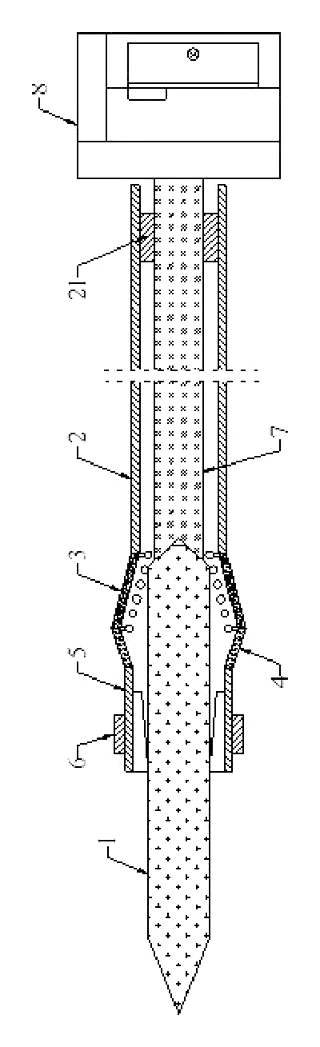
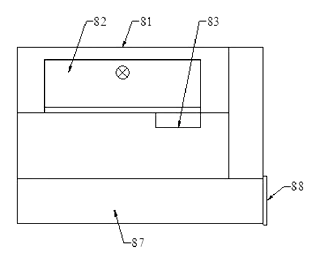
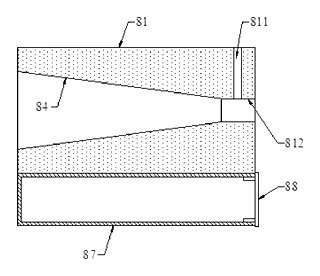
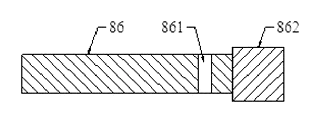
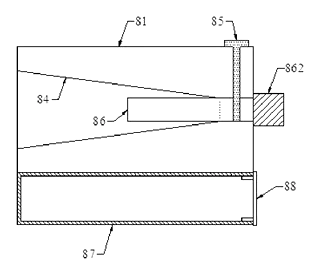
Drawings reproduced from the public patent document for reference.