
Patent CN108851491B
Updated October 26, 2026Toothbrush and Cup Set with Built-In Bristle Dewatering Mechanism
After brushing, a wet toothbrush sits in a closed bathroom environment where the bristles stay saturated with water for hours. This patent describes an integrated cup and toothbrush system that addresses this by building a dewatering routine directly into the storage step. Instead of just holding the brush, the cup contains a brush holder clamping mechanism, a bristle poking mechanism, and a ventilation placing structure inside a dedicated dewatering room. When the user returns the toothbrush to the cup, these components work together to separate moisture from the bristles during the normal placing process. The design also includes a drinking cup region, combining rinsing and storage into one countertop unit.
- China invention patent - lapsed
- No filings outside China
- Bathroom personal care
- Plastic housing, rubber rollers, imitation deer-skin towel
Splat! What let you down?
💧
Built-in dewatering
A clamping mechanism and poking device inside the cup act on the bristles to separate moisture when the brush is stored.
🪥
All-in-one station
Combines a brush cup body, a drinking cup region, and a dewatering room in a single countertop unit.
🔄
Roller clamping arms
Clamping arm columns with smooth arc surfaces and anti-skid rubber strips hold the brush handle during placement.
🌬️
Ventilation and absorption
A ventilation placing structure and a replaceable imitation deer-skin water-absorbing towel assist the drying process.
Bring this product to market
- ✓ Patent vetted China-only family and legal status checked
- 2 Product brief · now How it works, uses and options written up
- 3 Prototype First samples for buyers to review
- 4 Pilot run Small first batch for launch customers
- 5 Volume production Repeat orders at scale
Buyer interest
– of 100 buyers needed to start prototyping
One click, no sign-up. Each vote is one real visitor, and products with the most interest go to prototyping first.
Build team: no members yet. Need a partner, co-funding or skills to build this? Join and we introduce the team once it forms.
The problem
When a toothbrush is used, the bristles become saturated with water. In typical bathroom storage, the brush is placed upright in a cup or laid flat on a counter, leaving the bristles wet for extended periods. Because bathrooms are often enclosed spaces with limited airflow, the retained moisture remains trapped in the brush head until the next use.
The patent text notes that this condition means the bristles stay too wet, which creates an environment where moisture is maintained between brushing sessions. Users generally rely on passive air drying, but simply throwing away the moisture contained in the bristles after brushing does not fully dehydrate them. A standard cup holds the toothbrush but provides no active way to remove the water held within the bristle cluster before the brush is put away.
The solution
This patent describes an integrated toothbrush and cup system that incorporates mechanical dewatering directly into the storage action. The solution relies on three coordinated features housed within the unit:
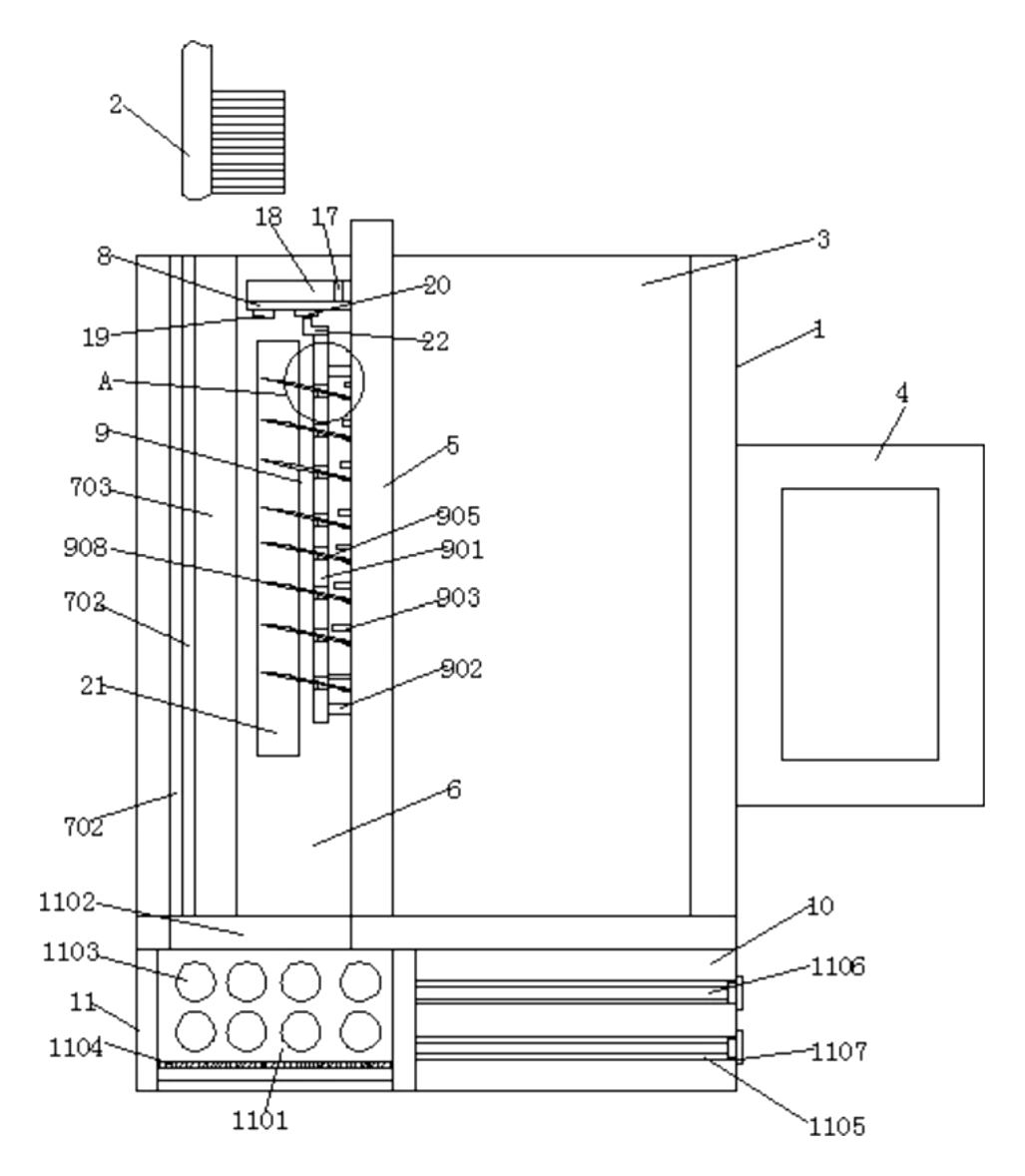
- A brush cup body (1) that houses a drinking cup region (3) and a cup (4), forming the main structure of the station.
- A dewatering room (6) located inside the assembly, which contains the active drying components.
- Inside the dewatering room, a brush holder clamping mechanism, a bristle poking mechanism, and a ventilation placing structure work together.
When the user finishes brushing and places the toothbrush (2) back into the cup, these mechanisms engage during the normal placing process. The clamping mechanism secures the brush, while the poking mechanism acts on the bristles to help separate the moisture they hold. The ventilation placing structure allows air to interact with the bristles. Additionally, a replaceable imitation deer-skin water-absorbing towel (18) is positioned over a plastic supporting sheet (8) secured by an elastic rubber band (17) at the top, providing further absorption.
Who it is for
- Bathroom accessory brands looking to add a functional, multi-step toothbrush storage product to their personal care lines rather than selling simple open cups.
- E-commerce sellers and Amazon FBA operators who focus on daily-use household items and need products with distinct mechanical features that stand out in search results.
- Wholesalers supplying hotels and hospitality where guests expect organized vanity setups and housekeeping needs to manage wet brushes efficiently between stays.
- Promotional product distributors sourcing practical, branded personal care items for corporate wellness programs or dental office giveaways.
How it works
The main parts
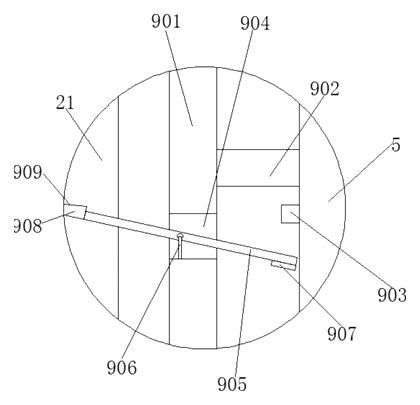
| No. | Part | What it does |
|---|---|---|
| 1 | Brush cup body | Main outer housing of the unit. |
| 2 | Toothbrush | The brush being stored and dewatered. |
| 3 | Drinking cup region | Area designated for rinsing. |
| 4 | Cup | Drinking or rinsing vessel. |
| 6 | Dewatering room | Internal chamber housing the drying mechanisms. |
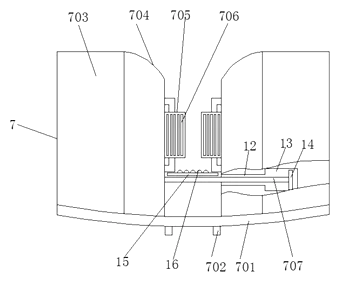
| 701 | Large plastic bottom plate | Arc-shaped base attached to the inner left side of the dewatering room. |
| 702 | Long connecting plastic strips | Two strips fixed to the middle of the bottom plate, connecting front and back. |
| 703 | Clamping arm columns | Two columns adhered to the right side of the bottom plate to hold the brush. |
| 704 | Smooth arc surfaces | Curved surfaces on the top and right side of the clamping arm columns. |
| 705 | Clamping roller | Roller connected to the clamping arm columns. |
| 706 | Anti-skid rubber strips | Ten strips fixed to the outer surface of the clamping roller for grip. |
| 707 | Tensile plate | Movable plate positioned behind the clamping roller. |
| 12 | Penetrating groove | Groove in the clamping arm columns allowing the tensile plate to pass through. |
| 13 | Clamping groove | Slot inside the clamping roller communicating with the penetrating groove. |
| 14 | Limiting plate | Fixed to the end of the tensile plate; wider than the penetrating groove so it moves only within the clamping groove. |
| 15 | Backrest plate | Fixed at the bottom of the dewatering room between the roller and tensile plate. |
| 16 | Pushing convex point | Protrusion on the backrest plate facing the clamping roller. |
| 8 | Plastic supporting sheet | Support structure for the absorbing towel. |
| 17 | Elastic rubber band | Secures the top of the plastic supporting sheet. |
| 18 | Imitation deer-skin towel | Replaceable water-absorbing towel sleeved over the supporting sheet. |
Operating steps
- Rinsing - The user brushes their teeth and uses the drinking cup region (3) and cup (4) to rinse.
- Insertion - The toothbrush (2) is inserted into the dewatering room (6). The clamping arm columns (703) and the clamping roller (705), covered with ten anti-skid rubber strips (706), guide and grip the brush handle. The smooth arc surfaces (704) allow the handle to slide into position against the large plastic bottom plate (701) and long connecting plastic strips (702).
- Mechanical dewatering - As the brush is seated, the bristle poking mechanism interacts with the bristles. The tensile plate (707) moves within its limits, guided by the limiting plate (14) traveling inside the clamping groove (13) via the penetrating groove (12). The pushing convex point (16) on the backrest plate (15) assists the mechanical action to separate moisture from the bristles.
- Absorption and ventilation - Separated water is caught by the replaceable imitation deer-skin water-absorbing towel (18) held by the elastic rubber band (17) on the plastic supporting sheet (8), while the ventilation placing structure allows air circulation around the bristles.
Applications
Daily home bathroom use
Families using shared bathrooms often leave wet toothbrushes in open cups. This integrated unit performs a dewatering action every time the brush is stored, addressing the issue of saturated bristles sitting idle between morning and evening routines.
Hospitality and hotel vanities
Hotel housekeeping staff must ensure bathroom amenities are ready for the next guest quickly. A self-contained brush and cup set that removes excess water during storage helps maintain a tidier vanity area without requiring manual drying of guest-provided or disposable brushes.
Dormitories and shared living spaces
Students or residents in shared accommodations have limited counter space and ventilation. Combining the drinking cup, brush holder, and dewatering room into one footprint keeps the sink area organized while acting on the moisture retained in the bristles.
Dental office patient kits
Dental practices frequently provide take-home oral care kits. Including a brush and cup system with a mechanical drying feature offers patients a structured way to store their brush, utilizing the poking and clamping mechanisms described in the design.
Where it is less suitable
- Electric toothbrushes - The clamping arm columns, penetrating grooves, and roller dimensions are described for a standard manual toothbrush handle; bulky electric brush heads and handles would require different tooling.
- Travel toothbrush cases - The unit integrates a drinking cup region and multiple internal plates, making it a stationary countertop item rather than a compact travel case.
Frequently asked questions
How does the cup remove water from the toothbrush?
The patent describes a dewatering room inside the cup that uses a brush holder clamping mechanism, a bristle poking mechanism, and a ventilation placing structure. When the toothbrush is placed into the cup, these components act on the bristles during the normal storage motion to separate moisture from them.
What is the clamping roller made of?
According to the patent, the clamping roller is connected to two clamping arm columns and has ten anti-skid rubber strips fixed to its outer surface. For production, the roller core is typically molded plastic, and the strips can be rubber, TPE, or silicone.
Does it fit any toothbrush?
The patent specifies smooth arc surfaces on the clamping arm columns and a roller with rubber strips to grip the handle, but it does not list exact handle diameters. The clearance between the clamping roller and the large plastic bottom plate is set in design and confirmed on prototypes to match the target brush handle.
Can the absorbing towel be replaced?
Yes. The patent describes a replaceable imitation deer-skin water-absorbing towel that is movably sleeved over a plastic supporting sheet and secured by an elastic rubber band. This allows the user to remove and swap the towel.
Is there a separate cup for rinsing?
The patent lists a drinking cup region and a cup as part of the integral assembly alongside the brush cup body. The design combines the rinsing vessel and the dewatering storage into one unit.
How do the internal moving parts stay aligned?
A tensile plate passes through a penetrating groove in the clamping arm columns. Its movement is restricted by a limiting plate that sits inside a clamping groove on the roller. Because the limiting plate is wider than the penetrating groove, it can only travel within the clamping groove, keeping the mechanism aligned. A backrest plate with a pushing convex point also supports the assembly.
Can this design be made and sold in the US?
The patent was filed only in China and is lapsed (terminated for non-payment of annual fees recorded on 2023-08-04), so it does not restrict the design in the US or in China. Bathroom organizers and toothbrush holders may be covered by other US patents - see Patent & Production - so we recommend a freedom-to-operate check before volume production.
Are you affiliated with the patent owner?
No. IP2M is an independent design and manufacturing service working from the public patent document.
Request a quote
Click Request a Quote below to see our email address - copy it, or open your email app with a ready-made message. Please mention patent CN108851491B in the subject.
Helpful details to include:
- Your company and channel (bathroom accessory brand, e-commerce seller, hospitality wholesaler, promotional distributor)
- Target toothbrush handle dimensions to size the clamping roller and arm columns
- Material preferences for the plastic body, rubber strips, and absorbing towel
- Color and finish requirements
- Estimated quantity and target price
- Timeline - when you would like samples and the first shipment
You can also reach us at (332) 203-9997.
Explore this product
Interested in building this?
Tell us your target market, quantity and timeline. We reply with options for prototyping, small-batch runs or volume production.
Send your inquiry to
Please put CN108851491B in the subject line and tell us your company, country, estimated quantity and timeline.
Prefer to talk? Call (332) 203-9997.
More product-ready patents
All Bath & Personal Care patents →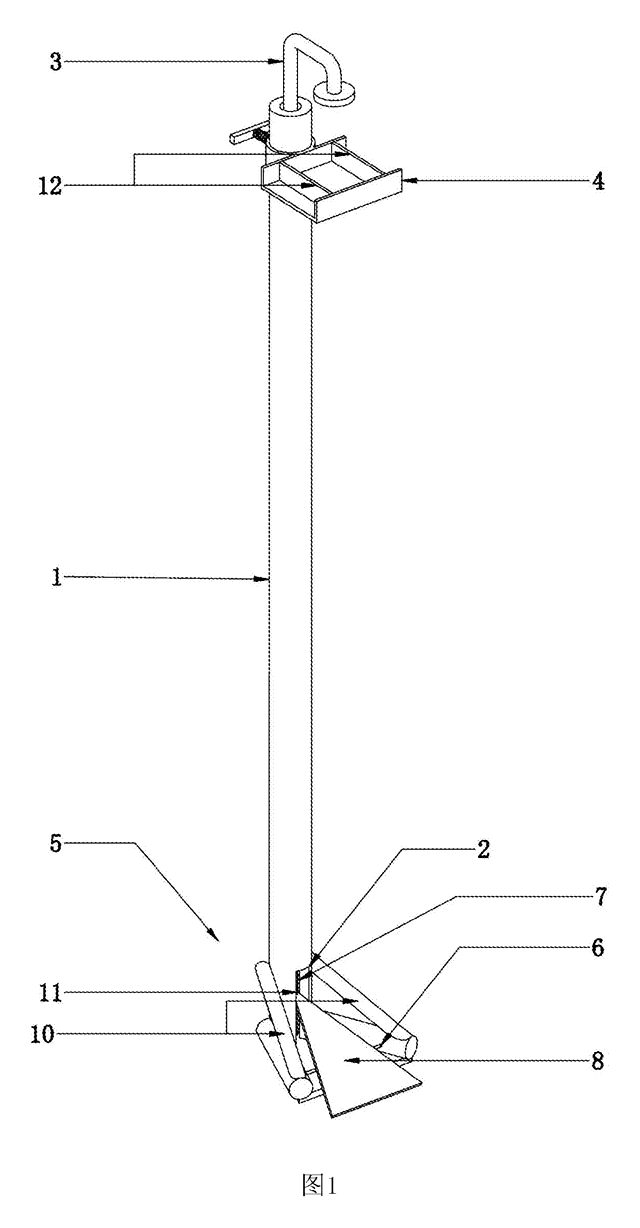
Bath & Personal Care
Foot-Pedal Soap & Sanitizer Dispenser Stand
Hands-free, battery-free dispenser stand - step on a pedal to press the pump of any soap or sanitizer bottle.
Patent CN207461995U
Bath & Personal Care
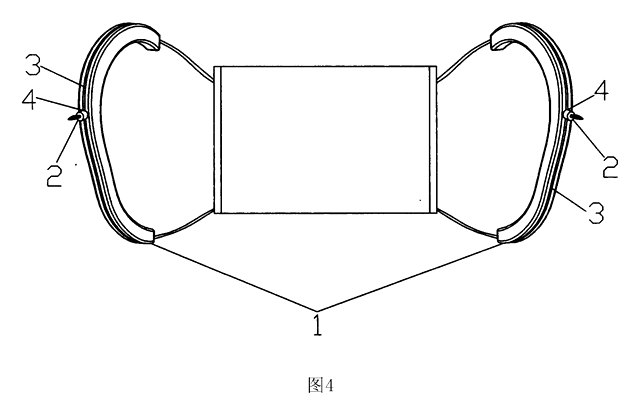
Ear-Shaped Mask Strap Guard with Tension Adjuster
Ear-shaped silicone guard and strap-length adjuster that make ear-loop masks comfortable to wear for long hours.
Patent CN205456233U
Bath & Personal Care
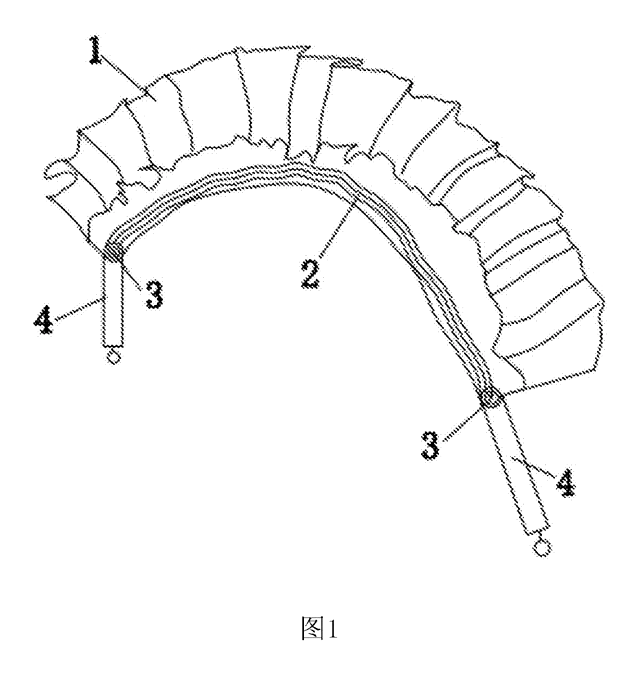
Adjustable-Length Back Scrubber Strap with Push-Button Handles
Back-scrubber strap with push-button handles that set its length and a spring that keeps it taut.
Patent CN207041452U
Bath & Personal Care
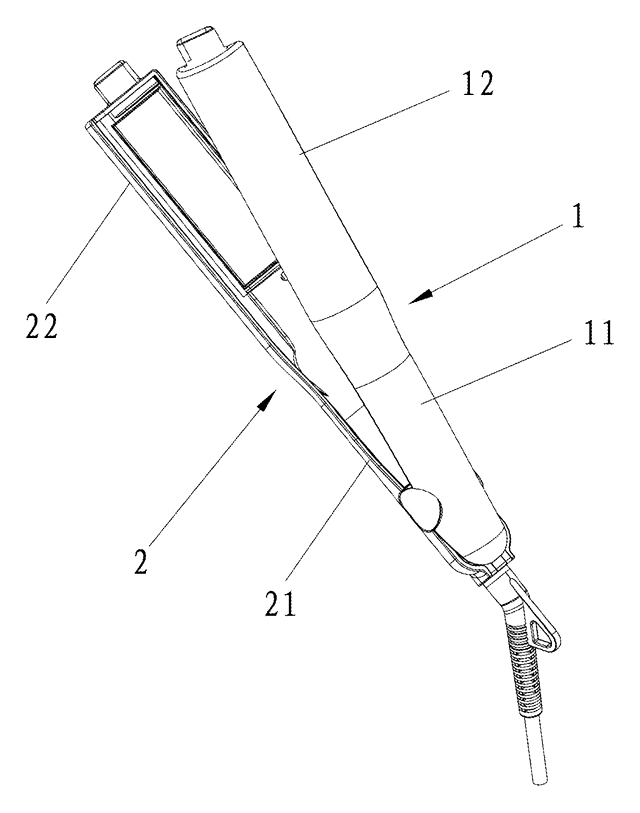
Angled-Plate Hair Straightener
Flat iron with plates twisted 45-75° to the handle, a curling groove and rubber-capped tips.
Patent CN206137462U
Bath & Personal Care
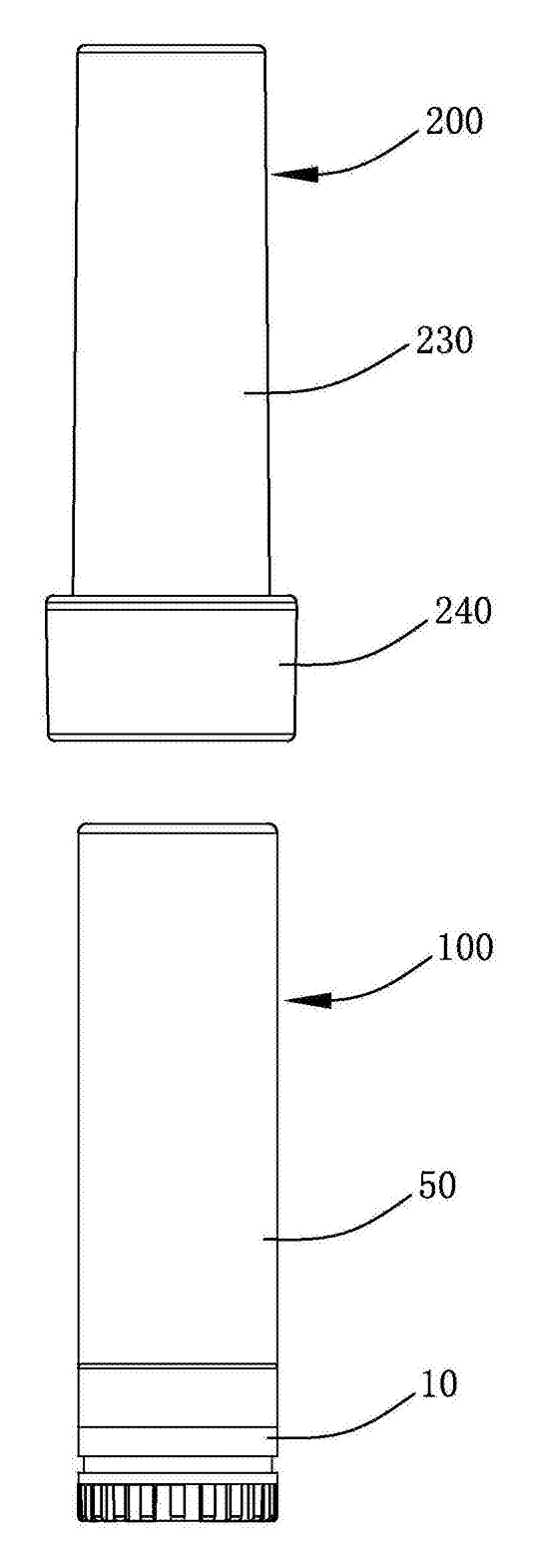
Refillable Lipstick Case with Sealed Snap-In Refill Pods
Reusable twist-up lipstick case; sealed refill pods unlock at the top of the stroke for shade swaps.
Patent CN206909979U
Bath & Personal Care
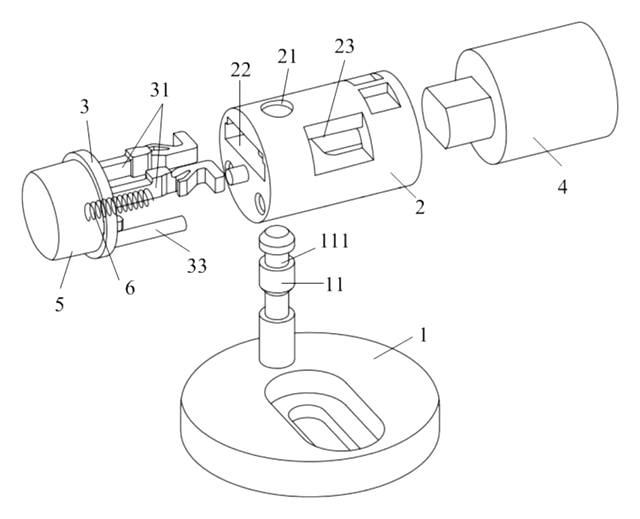
Quick-Release Toilet Seat Hinge with a Push-Button Two-Strip Latch
Toilet seat hinge: drop the shaft onto a grooved post to lock; one push parks the latch open to lift it off.
Patent CN210370292U
Browse by category
- Apparel & Accessories (22)
- Baby & Kids (16)
- Bags & Luggage (9)
- Bath & Personal Care (16)
- Car Accessories (10)
- Furniture, Bedding & Storage (12)
- Garden & Outdoor (18)
- Health & Wellness (8)
- Home, Kitchen & Cleaning (24)
- Lighting (12)
- Packaging & Containers (6)
- Pet Products (6)
- Phone & Camera Accessories (4)
- Retail Display (13)
- School, Office & Art (19)
- Sports & Recreation (25)
- Tools & Workshop (27)
- Toys & Games (12)
This page is based on the public patent document CN108851491B, assigned to Ruian Kelai Electronic Co ltd. IP2M is an independent manufacturing service and is not affiliated with, endorsed by or licensed by the patent owner. Images marked as concept renderings are illustrations, not photos of an existing product. Patent status information is provided for reference only and is not legal advice; confirm freedom to operate for your market before production. Full disclaimer.