
Patent CN109044165B
Updated November 2, 2026Towel Rack with Dressing Mirror and Magnetic Anti-Fall Mechanism
Standard towel bars often fail when towels are draped asymmetrically; one side slips lower than the other, and air currents or slight movements cause the towel to fall to the floor. This design integrates a mechanical solution within the bar itself. A central magnetic assembly reacts to the weight difference. As the bar tilts under uneven load, magnetic repulsion drives small sleeve heads outward through the bar's surface. These heads pinch the towel, holding it in place until the weight is balanced again. The bar includes a breathable layer between the clamping points to keep the fabric dry.
- China invention patent - active
- No filings outside China
- Bathroom hardware
- Magnetic clamping mechanism, steel shaft, plastic components
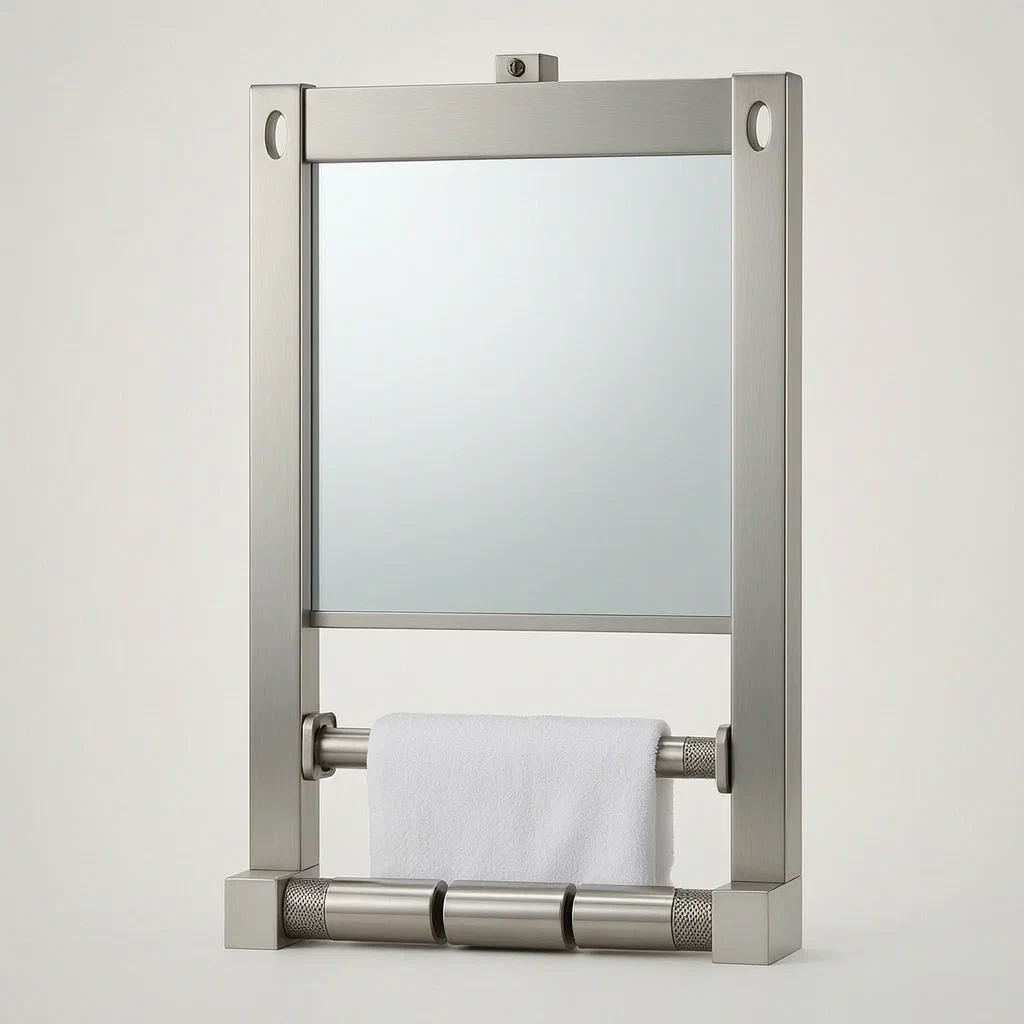
Splat! What let you down?
🧲
Magnetic Clamping
Internal magnets react to uneven towel weight to trigger physical clamps.
🪞
Integrated Mirror
Dressing mirror mounted above the towel bar for space-saving bathroom use.
💨
Breathable Design
Ventilation layers allow air flow to help towels dry and reduce mildew.
⚖️
Auto-Release
Counterweights return the mechanism to neutral when towels are removed.
Bring this product to market
- ✓ Patent vetted China-only family and legal status checked
- 2 Product brief · now How it works, uses and options written up
- 3 Prototype First samples for buyers to review
- 4 Pilot run Small first batch for launch customers
- 5 Volume production Repeat orders at scale
Buyer interest
– of 100 buyers needed to start prototyping
One click, no sign-up. Each vote is one real visitor, and products with the most interest go to prototyping first.
Build team: no members yet. Need a partner, co-funding or skills to build this? Join and we introduce the team once it forms.
The problem
In many bathrooms, towels are draped over a single bar rather than folded neatly. If the two ends of the towel hang at different heights, the heavier side exerts more downward force. On smooth metal or plastic bars, this imbalance causes the towel to slide toward the lower end. Eventually, the friction is overcome, and the towel falls to the wet floor, requiring re-washing. Additionally, thick towels pressed tightly against a solid bar retain moisture on the contact surface, leading to dampness and potential mildew growth. Existing racks do not actively secure the towel against these shifting forces.
The solution
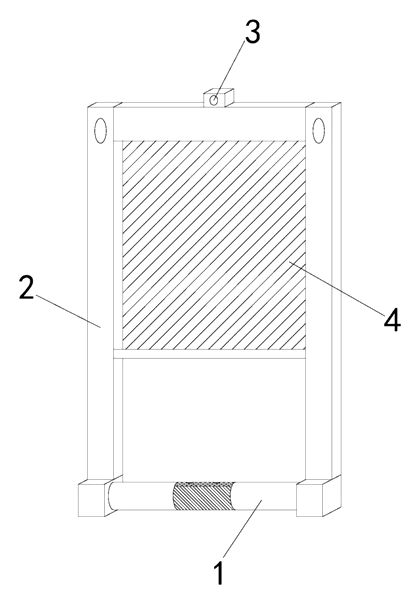
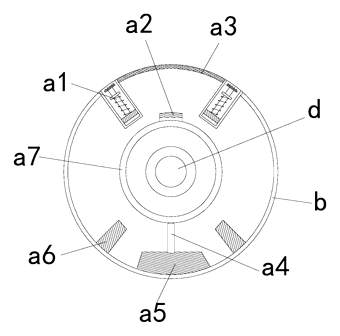
The device combines a mounting frame, a dressing mirror, and a specialized towel bar body. The bar body contains a rotating shaft system. Inside the shaft, a magnetic matching device is positioned centrally. This device consists of a main magnetic block, inner rings, and support rods. Two “pop-up clamping rod devices” are located on either side of the center. Each clamping device includes an anti-falling sleeve head, a spring group, a connecting rod, and a secondary magnetic block.
When a towel hangs evenly, the weights balance, and the internal mechanism remains neutral. The sleeve heads stay retracted within the outer sleeve layer. However, if one side becomes heavier, the shaft tilts slightly due to gravity acting on the counterweights and the unbalanced load. This tilt moves the main magnetic block closer to the secondary magnetic blocks in the clamping devices. The magnetic poles are arranged such that this proximity creates a repulsive force. This force pushes the connecting rods outward, overcoming the spring resistance. Consequently, the anti-falling sleeve heads protrude from the bar’s surface, pinching the towel fabric and holding it in place. A breathable layer sits between the clamping points to maintain airflow.
Who it is for
- Hotel and Hospitality Suppliers: Facilities where staff or guests frequently drape towels unevenly, leading to fallen items and extra housekeeping labor.
- Modern Apartment Developers: Compact bathrooms where wall space is limited; combining a mirror and functional rack saves installation points.
- Gym and Spa Equipment Buyers: High-traffic areas where towels are often thrown quickly onto racks; preventing falls maintains hygiene standards.
- Home Improvement Retailers: Brands seeking differentiated bathroom accessories that solve common user complaints about slipping towels.
How it works
The main parts
| No. | Part | What it does |
|---|---|---|
| 1 | Towel Bar Body | The external housing containing the internal mechanism. |
| 2 | Mounting Bracket | Fixes the unit to the wall. |
| 3 | Hanging Groove | Allows the bracket to hook onto wall mounts. |
| 4 | Dressing Mirror | Integrated glass panel above the bar. |
| a | Magnetic Matching Device | Central assembly reacting to tilt. |
| a1 | Pop-up Clamping Rod | Extends to grip the towel. |
| a2 | Main Magnetic Block | Generates the repulsive force. |
| a3 | Breathable Layer | Ventilated surface section. |
| a5 | Balancing Weight | Helps reset the mechanism. |
| b | Outer Sleeve Layer | Covers the shaft and guides the clamps. |
| c, e | Bearings | Allow the shaft to rotate/tilt smoothly. |
| d | Shaft Rod | The central structural spine. |
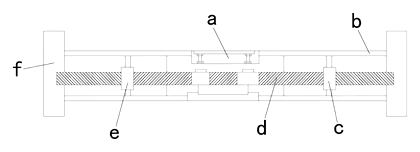
Operating Steps
- Hang the Towel: The user drapes the towel over the outer sleeve layer.
- Detect Imbalance: If the towel slides or hangs unevenly, gravity pulls the heavier side down.
- Tilt the Shaft: The internal shaft rotates slightly relative to the fixed bearings due to the weight difference.
- Magnetic Repulsion: The movement brings the main magnet close to the side magnets, creating a repulsive push.
- Clamp Activation: The push forces the sleeve heads out of the bar, gripping the towel fabric.
- Hold State: The towel stays in position despite further sliding attempts.
- Reset: When the towel is removed or adjusted to be even, the springs pull the sleeves back in.
Applications
Hotel Bathrooms
Guests often throw towels hastily after showering. The auto-clamping feature prevents towels from landing on the floor, reducing housekeeping requests and maintaining cleanliness without guest effort.
Small Residential Bathrooms
In tight spaces, a combined mirror and rack unit reduces wall clutter. The mechanism ensures that large bath sheets, which are heavy and prone to slipping, remain secured during daily use.
Gym Locker Rooms
Users may leave wet towels on racks briefly while changing. The breathable layer aids drying, while the clamps prevent towels from sliding off into puddles on the gym floor, improving hygiene compliance.
Accessible Bathrooms
For elderly users or those with limited mobility, reaching down to pick up a fallen towel can be difficult. This rack eliminates the need to bend down by keeping the towel securely elevated.
Where it is less suitable
- Very Lightweight Fabrics: Thin hand towels may not provide enough weight differential to reliably trigger the magnetic repulsion mechanism.
- High-Vibration Environments: In areas with constant shaking, the sensitivity of the tilt-based mechanism might cause false clamping or release issues.
- Strict Minimalist Designs: The visible sleeve heads and mechanical complexity may conflict with ultra-smooth, seamless aesthetic requirements.
Frequently asked questions
How does the anti-fall mechanism actually work?
It uses physics rather than electronics. When you hang a towel, if one side is heavier, the internal shaft tilts slightly. This tilt brings a central magnet close to side magnets. The like poles repel each other, pushing a small sleeve head out of the bar. This head pinches the towel fabric, stopping it from sliding further.
Does it damage delicate towels?
The patent describes using “sleeve heads” to clamp the towel. While designed to hold, extreme force could mark very fine silks or linens. For standard cotton and microfiber towels, the pressure is intended to be sufficient to hold but not tear. Material hardness of the sleeve tips can be adjusted in manufacturing.
Is the mirror included in the quote?
Yes, the design integrates a “toilet glass” (dressing mirror) into the upper mounting bracket. You can specify clear glass, frosted, or potentially LED-lit versions depending on your market needs.
What happens if the power goes out?
There is no power connection. The mechanism is purely mechanical and magnetic. It functions independently of electricity, making it reliable for all environments, including places with unstable power grids.
Can it handle very heavy bath sheets?
The strength depends on the magnet grade and spring tension chosen during design. Standard configurations are optimized for typical household towels. For exceptionally heavy items, stronger magnets and stiffer springs can be specified, provided the shaft diameter supports the torque.
Is it safe for children?
The internal magnets are sealed within the shaft and outer sleeve. They are not accessible as loose small parts. However, as with any bathroom hardware, supervision is recommended. Compliance with US consumer safety regulations regarding magnet strength and accessibility will be part of the final product certification.
Can this design be made and sold in the US?
The patent is active only in China. There are no corresponding US patents blocking this specific design. However, bathroom hardware is a crowded IP field. We recommend a freedom-to-operate check to ensure no other US patents cover similar magnetic locking mechanisms before mass production.
Are you affiliated with the patent owner?
No. IP2M is an independent design and manufacturing service working from the public patent document.
Request a quote
Click Request a Quote below to see our email address - copy it, or open your email app with a ready-made message. Please mention patent CN109044165B in the subject.
Helpful details to include:
- Your company and channel (hotel supplier, home improvement brand, online retailer)
- Dimensions (bar length, mirror size)
- Finish (chrome, brushed nickel, matte black)
- Features (LED mirror, specific magnet strength)
- Estimated quantity and target price
- Timeline - when you would like samples and the first shipment
You can also reach us at (332) 203-9997.
Explore this product
Interested in building this?
Tell us your target market, quantity and timeline. We reply with options for prototyping, small-batch runs or volume production.
Send your inquiry to
Please put CN109044165B in the subject line and tell us your company, country, estimated quantity and timeline.
Prefer to talk? Call (332) 203-9997.
More product-ready patents
All Bath & Personal Care patents →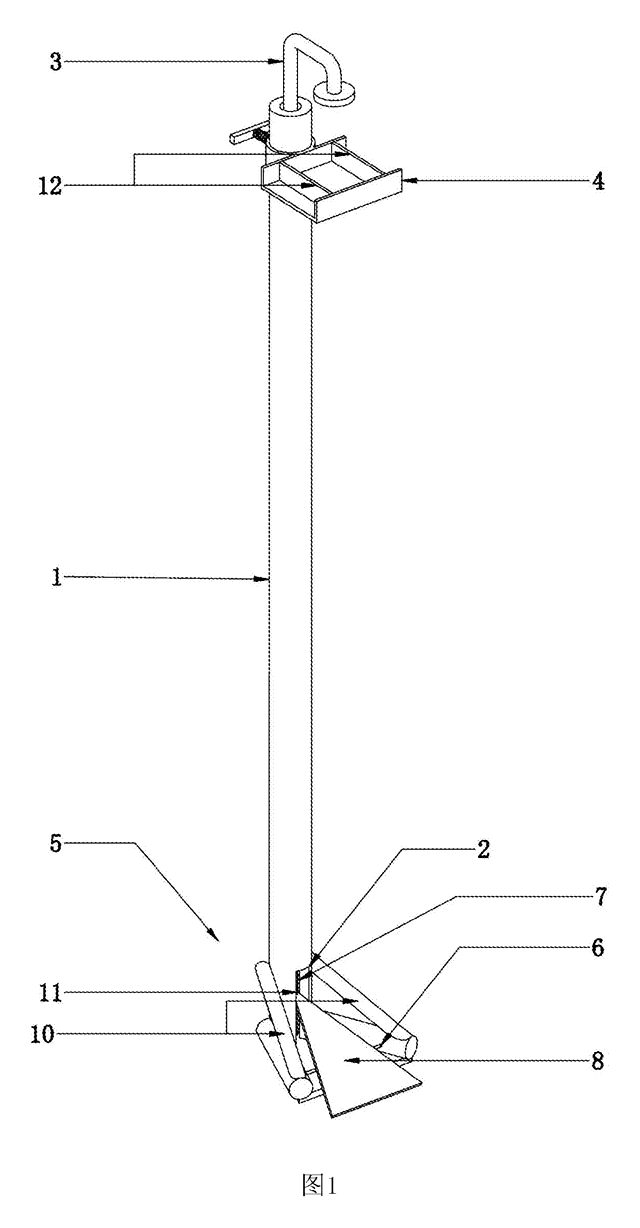
Bath & Personal Care
Foot-Pedal Soap & Sanitizer Dispenser Stand
Hands-free, battery-free dispenser stand - step on a pedal to press the pump of any soap or sanitizer bottle.
Patent CN207461995U
Bath & Personal Care
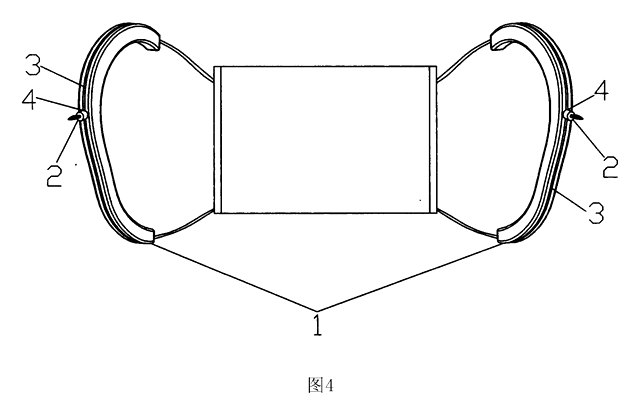
Ear-Shaped Mask Strap Guard with Tension Adjuster
Ear-shaped silicone guard and strap-length adjuster that make ear-loop masks comfortable to wear for long hours.
Patent CN205456233U
Bath & Personal Care
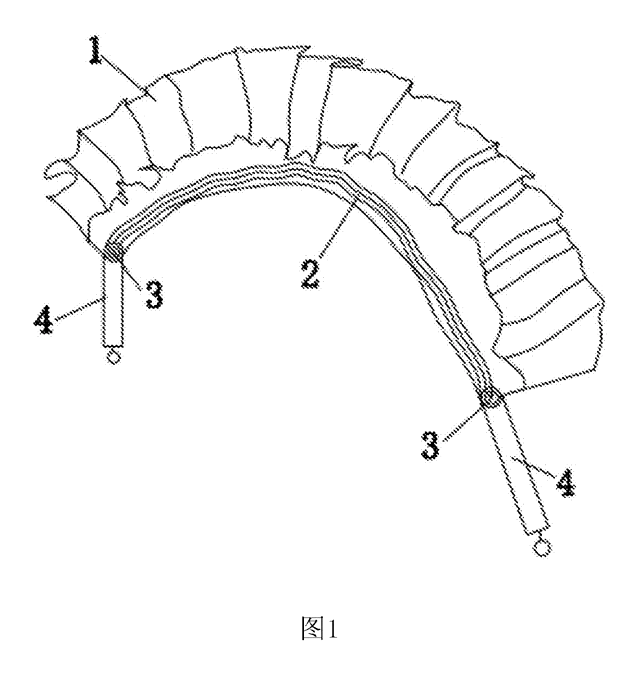
Adjustable-Length Back Scrubber Strap with Push-Button Handles
Back-scrubber strap with push-button handles that set its length and a spring that keeps it taut.
Patent CN207041452U
Bath & Personal Care
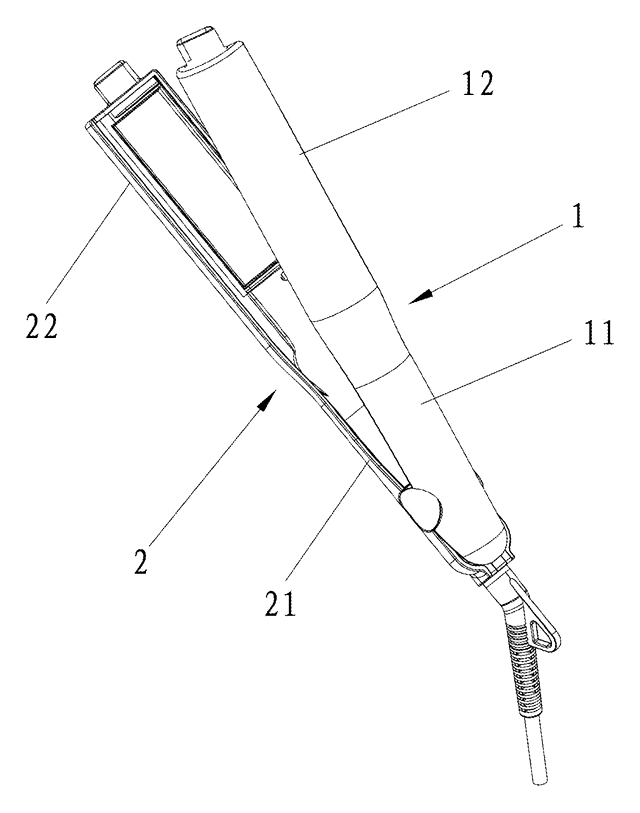
Angled-Plate Hair Straightener
Flat iron with plates twisted 45-75° to the handle, a curling groove and rubber-capped tips.
Patent CN206137462U
Bath & Personal Care
Refillable Lipstick Case with Sealed Snap-In Refill Pods
Reusable twist-up lipstick case; sealed refill pods unlock at the top of the stroke for shade swaps.
Patent CN206909979U
Bath & Personal Care
Quick-Release Toilet Seat Hinge with a Push-Button Two-Strip Latch
Toilet seat hinge: drop the shaft onto a grooved post to lock; one push parks the latch open to lift it off.
Patent CN210370292U
Browse by category
- Apparel & Accessories (30)
- Baby & Kids (21)
- Bags & Luggage (13)
- Bath & Personal Care (22)
- Car Accessories (16)
- Furniture, Bedding & Storage (16)
- Garden & Outdoor (23)
- Health & Wellness (10)
- Home, Kitchen & Cleaning (35)
- Lighting (16)
- Packaging & Containers (8)
- Pet Products (8)
- Phone & Camera Accessories (6)
- Retail Display (17)
- School, Office & Art (24)
- Sports & Recreation (31)
- Tools & Workshop (37)
- Toys & Games (16)
This page is based on the public patent document CN109044165B, assigned to Wenzhou Gaoyi Bathroom Technology Co.,Ltd.. IP2M is an independent manufacturing service and is not affiliated with, endorsed by or licensed by the patent owner. Images marked as concept renderings are illustrations, not photos of an existing product. Patent status information is provided for reference only and is not legal advice; confirm freedom to operate for your market before production. Full disclaimer.