
Patent CN109090817B
Updated November 2, 2026Motorized Pot Lid Brush with Rotating Head and Water Spray
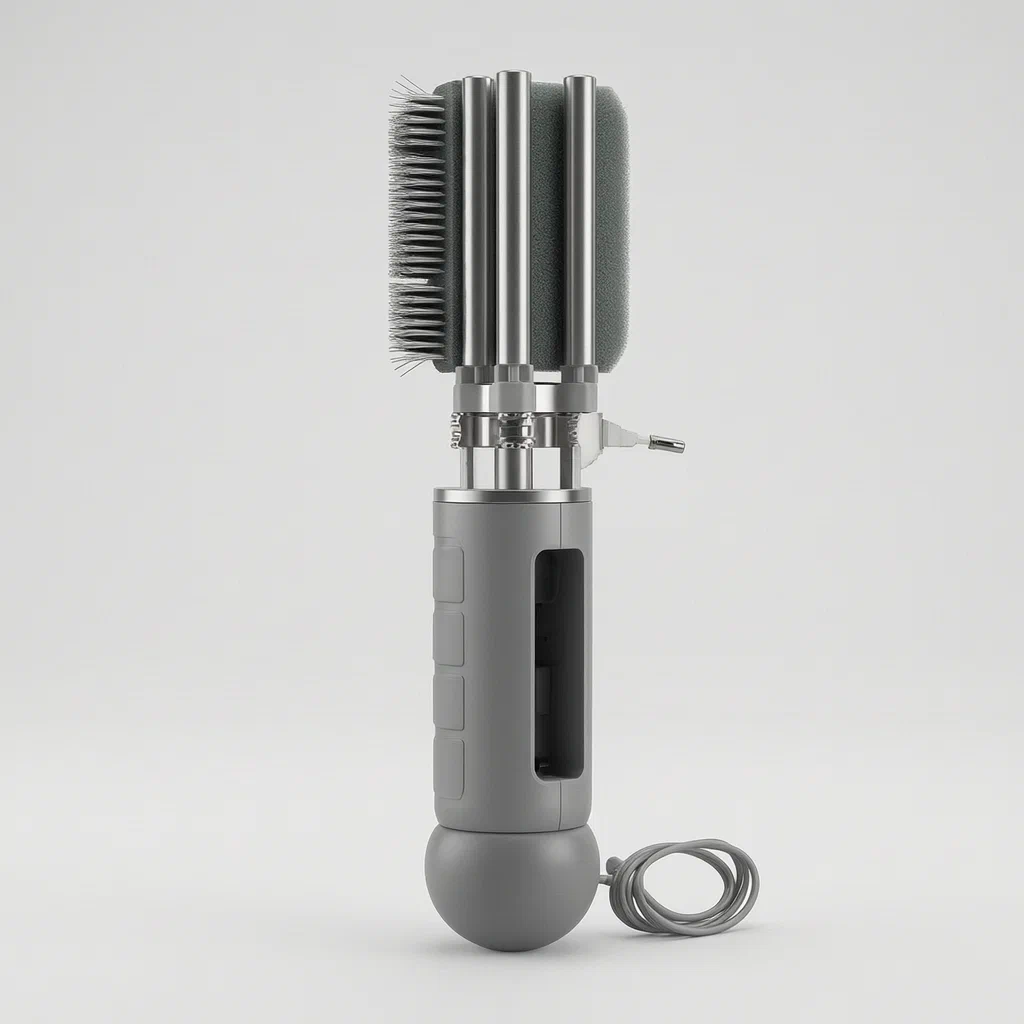
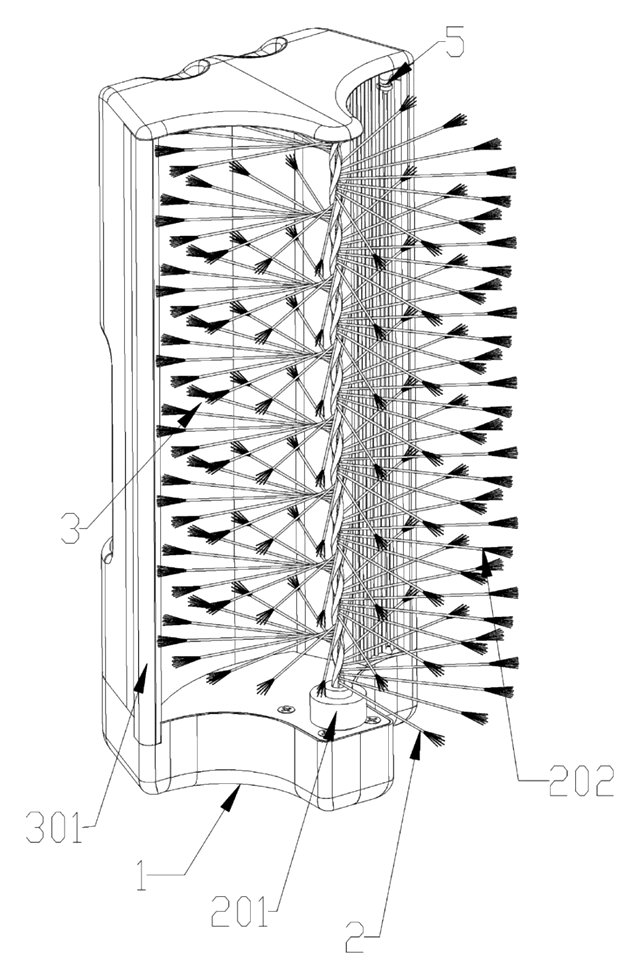
Cleaning pot lids is awkward because you have to scrub both sides separately, often slipping on wet surfaces or straining your wrist to apply enough pressure. This device solves that by automating the flipping motion. Inside the handle, a rotating motor drives gears that turn the entire head exactly 180 degrees. One side has stiff steel wires for burnt-on food; the other has a sponge for gentle washing. As the head turns, the brushes stay aligned with the lid surface. Meanwhile, a small pump draws water from a reservoir and sprays it through holes in the brush face, keeping the pad wet without needing a sink nearby. The result is a tool that cleans both sides of a heavy or greasy lid with minimal physical effort.
- China invention patent - active
- No filings outside China
- Kitchen cleaning tools
- Battery-powered rotation and water spray
Splat! What let you down?
🔄
Auto-rotating head
A motor and gear system flips the brush 180 degrees to access both sides of the lid.
💧
Integrated water spray
A pump and nozzle system sprays cleaning fluid directly onto the brush face.
🧽
Dual cleaning pads
Steel wire blocks for tough residue and sponge blocks for gentle washing.
🔋
Rechargeable design
Built-in battery with charging interface and indicator light for cordless use.
Bring this product to market
- ✓ Patent vetted China-only family and legal status checked
- 2 Product brief · now How it works, uses and options written up
- 3 Prototype First samples for buyers to review
- 4 Pilot run Small first batch for launch customers
- 5 Volume production Repeat orders at scale
Buyer interest
– of 100 buyers needed to start prototyping
One click, no sign-up. Each vote is one real visitor, and products with the most interest go to prototyping first.
Build team: no members yet. Need a partner, co-funding or skills to build this? Join and we introduce the team once it forms.
The problem
Standard pot lids have curved surfaces and rims that are difficult to reach with flat sponges. Users often struggle to scrub the underside where grease accumulates, requiring them to hold the lid awkwardly or apply excessive wrist pressure. Manual brushes do not flip automatically, so cleaning both sides means stopping, turning the lid, and repositioning the hand. Additionally, keeping the brush wet requires frequent dipping into a sink, which interrupts the workflow and can cause splashing.
The solution
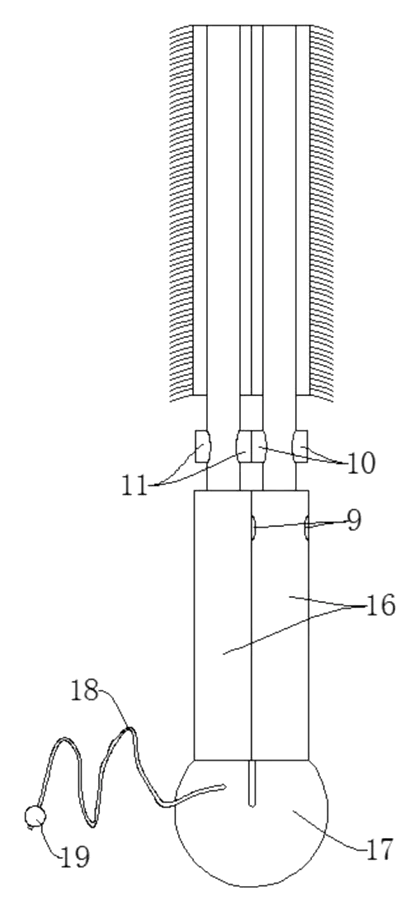
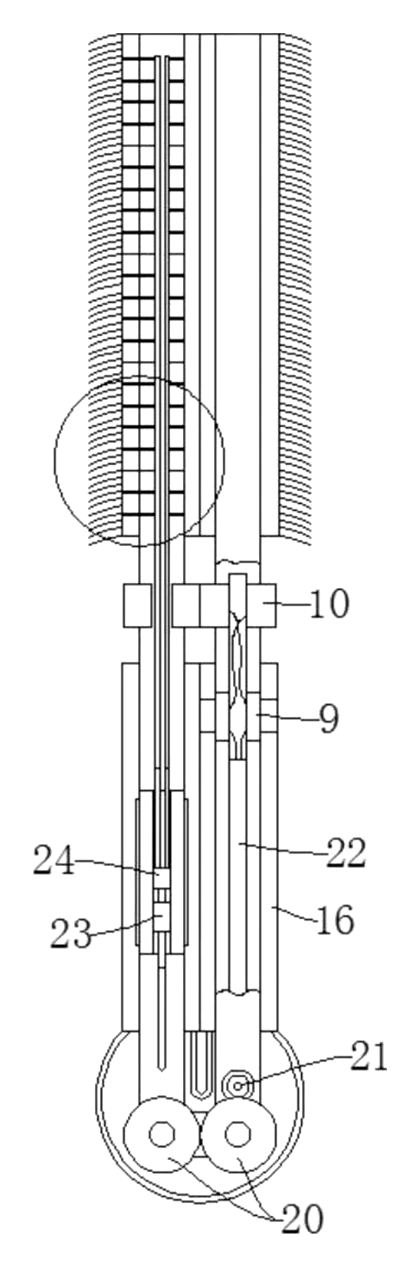
The device uses a dual-rod structure hinged at a central connecting rod. A small electric motor embedded in one rod drives a set of interlocking gears. When the switch is pressed, the motor rotates the gears, causing the entire head assembly to pivot 180 degrees around the hinge axis. This action swaps the position of the two brush faces relative to the lid. Each face contains different cleaning materials: steel wire bristles for heavy-duty scrubbing and sponge blocks for general washing. Simultaneously, a water pump inside the second rod draws liquid from a suction tube and pushes it through electromagnetic valves to spray holes located on the brush face. This ensures continuous lubrication and rinsing during the automated rotation cycle.
Who it is for
- Household appliance brands looking to expand their kitchen accessory lines with powered cleaning tools.
- Amazon sellers seeking differentiated products in the crowded manual dish brush category.
- Wholesalers supplying equipment to commercial kitchens where staff efficiency and ergonomics are critical.
- Gift item manufacturers targeting consumers who value convenience and modern gadgetry in home goods.
How it works
The main parts
| No. | Part | What it does |
|---|---|---|
| 1, 2 | Brush Rods | Hold the motors, batteries, pumps, and cleaning pads. |
| 3 | Connecting Rod | Central hinge linking the two brush rods. |
| 4 | Rotating Shafts | Allow the rods to pivot relative to the center. |
| 5 | Rotating Motor | Drives the gear system to rotate the head. |
| 12 | Steel Wire Blocks | Abrasive cleaning surface for burnt-on food. |
| 13 | Sponge Blocks | Soft cleaning surface for gentle washing. |
| 20, 21 | Gears | Transmit torque from the motor to the shafts. |
| 23 | Water Pump | Draws and pressurizes cleaning fluid. |
| 25 | Spray Holes | Dispense water onto the lid surface. |
| 8 | Switch | Controls the motor activation. |
Operating steps
- Place the lid: Position the pot lid against the active brush face (e.g., steel wire side).
- Activate rotation: Press the rotary switch to start the motor. The gears drive the shafts, rotating the head 180 degrees.
- Clean first side: The wire brushes scrub the exterior while the sponge side moves away.
- Flip and clean: The automatic rotation brings the sponge side into contact with the lid’s interior or rim.
- Spray rinse: Press the water outlet button to activate the pump, sending water through the spray holes to rinse debris.
Applications
Home kitchen cleanup
Users can clean large stockpot lids quickly without holding them under running water. The automatic flip reduces the time spent manually turning heavy glass or metal lids.
Commercial catering prep
Staff in busy restaurants need to wash hundreds of lids per shift. This tool reduces wrist strain and speeds up the process by combining scrubbing and rinsing into one motion.
Elderly users with limited grip strength
The motor does the work of rotating the brush, meaning less force is required from the user. This makes it suitable for people who find traditional scrubbing painful or difficult.
Camping and outdoor cooking
Since the device is battery-operated and has its own water spray system, it can be used away from sinks. The sealed covers protect the gears from dust and moisture in outdoor environments.
Where it is less suitable
- Flat plates and bowls: The curved head geometry is optimized for domed lids, not flat surfaces.
- Non-stick coatings: The steel wire option may damage delicate non-stick finishes if used incorrectly; only the sponge side should be used.
- Small accessories: The size of the device is too bulky for cleaning tiny utensils like spatulas or spoons.
Frequently asked questions
How does the automatic rotation work?
A small electric motor inside the handle drives a set of gears connected to the central hinge. When you press the switch, the motor spins the gears, which forces the two brush rods to rotate 180 degrees around the hinge. This flips the cleaning side automatically.
Does it really spray water?
Yes. The patent describes a built-in water pump and a suction tube. You can dip the tube into a bowl of water or attach a reservoir. Pressing the water button activates the pump, sending water through tubes to spray holes on the brush face.
Can I use it on non-stick pans?
The device comes with two types of pads: steel wire and sponge. The steel wire is abrasive and should not be used on delicate non-stick coatings. Use the sponge side for non-stick surfaces. Note that the patent mentions steel wire, but custom versions can substitute softer nylon bristles.
Is the battery removable?
The patent specifies a rechargeable battery with a charging interface. In standard implementations, the battery is sealed inside the housing. However, custom designs could incorporate a removable pack if requested for repairability.
What happens if the gears get stuck?
The patent includes a sealing cover made of elastic material (rubber/silica gel) to protect the gears from water and debris. Regular cleaning of the external parts is recommended. If the mechanism jams, the cover can be removed for inspection.
How long does the battery last?
Battery life depends on the capacity chosen during manufacturing. Typical micro-motors draw low current, so a standard lithium-ion cell should provide multiple cycles of rotation per charge. Specific run-time figures are set in design and confirmed on prototypes.
Can this design be made and sold in the US?
The patent is active in China but has no US counterpart. Therefore, this specific Chinese patent does not block US sales. However, other US patents may cover similar motorized cleaning concepts. We recommend a freedom-to-operate check before mass production.
Are you affiliated with the patent owner?
No. IP2M is an independent design and manufacturing service working from the public patent document.
Request a quote
Click Request a Quote below to see our email address - copy it, or open your email app with a ready-made message. Please mention patent CN109090817B in the subject.
Helpful details to include:
- Your company and channel (kitchenware brand, Amazon seller, wholesale distributor)
- Target price and estimated annual volume
- Features (battery type, water tank size, brush material preferences)
- Certifications needed (UL, FCC, etc.)
- Timeline - when you would like samples and the first shipment
You can also reach us at (332) 203-9997.
Explore this product
Interested in building this?
Tell us your target market, quantity and timeline. We reply with options for prototyping, small-batch runs or volume production.
Send your inquiry to
Please put CN109090817B in the subject line and tell us your company, country, estimated quantity and timeline.
Prefer to talk? Call (332) 203-9997.
More product-ready patents
All Home, Kitchen & Cleaning patents →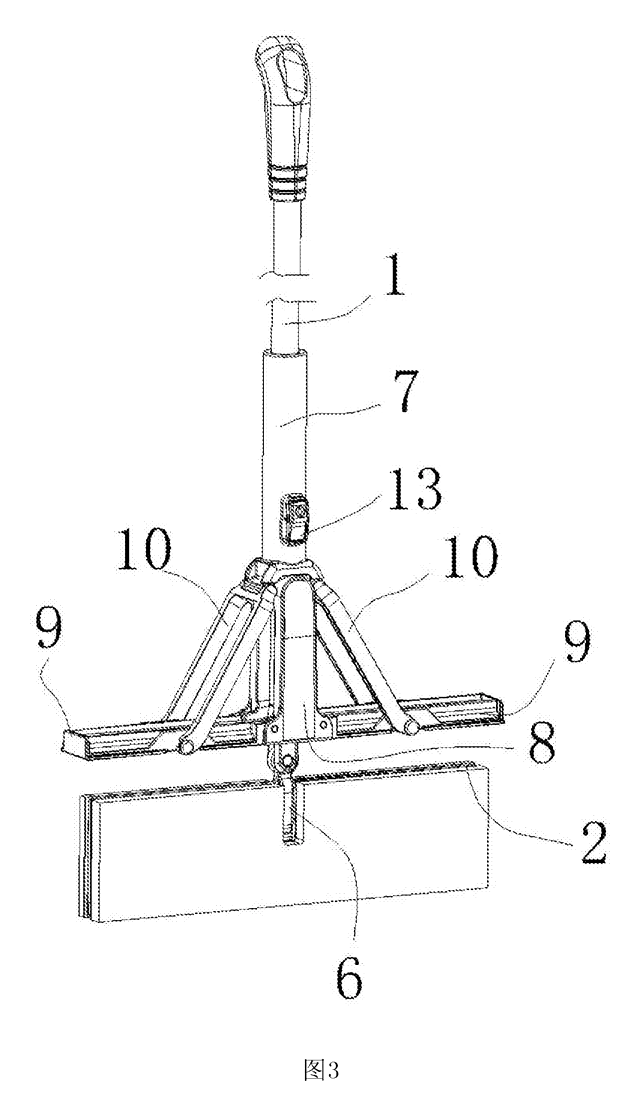
Home, Kitchen & Cleaning
Self-Wringing Flat Mop with Fold-Away Wringer
Flat mop with a built-in wringer that opens only when you wring and folds flat against the pole when you mop.
Patent CN207734114U
Home, Kitchen & Cleaning
Magnetic Double-Sided Window Cleaner with Dial-Set Magnet Strength
Magnetic window cleaner with a sealed, sliding magnet, dial-set strength for different glass thicknesses and a spring-held idle position.
Patent CN209360543U
Home, Kitchen & Cleaning
Metal Kettle with Magnetic Lid That Stays On When Pouring
Metal teapot/kettle with a magnet-held lid that does not fall off when pouring, and an insulated, vented lid knob.
Patent CN210540477U
Home, Kitchen & Cleaning
Reinforced Disposable Soup Spoon
Disposable soup spoon with a handle-to-bowl rib, stiffened edges and a ring foot to resist breaking.
Patent CN206964482U
Home, Kitchen & Cleaning
Self-Switching Double-Squeegee Window Cleaner
Cleaning head with two squeegee blades that switch automatically with the direction of movement.
Patent CN212630655U
Home, Kitchen & Cleaning
Self-Rinsing Roller Scrub Brush with Dirty-Water Tank
Powered roller brush that rinses and spins its bristles clean inside the body and stores the dirty water.
Patent CN210076909U
Browse by category
- Apparel & Accessories (30)
- Baby & Kids (21)
- Bags & Luggage (13)
- Bath & Personal Care (22)
- Car Accessories (16)
- Furniture, Bedding & Storage (16)
- Garden & Outdoor (23)
- Health & Wellness (10)
- Home, Kitchen & Cleaning (35)
- Lighting (16)
- Packaging & Containers (8)
- Pet Products (8)
- Phone & Camera Accessories (6)
- Retail Display (17)
- School, Office & Art (24)
- Sports & Recreation (31)
- Tools & Workshop (37)
- Toys & Games (16)
This page is based on the public patent document CN109090817B, assigned to Tongxiang Levi new materials Co.,Ltd.. IP2M is an independent manufacturing service and is not affiliated with, endorsed by or licensed by the patent owner. Images marked as concept renderings are illustrations, not photos of an existing product. Patent status information is provided for reference only and is not legal advice; confirm freedom to operate for your market before production. Full disclaimer.