At a glance
| Patent number | CN109090817B (application CN201811036019) |
| Type | China invention patent (发明专利) - protects method and structure |
| Original title | Pot cover brush for cleaning kitchen ware (一种厨具清洁用锅盖刷) |
| Patent owner | Tongxiang Levi new materials Co.,Ltd. |
| Inventors | Han Jinxuan |
| Filing date | 2018-09-06 |
| Grant date | 2020-09-08 |
| Status (China) | Active - In force in China until at most 2038-09-06 (if annual fees are paid) |
| Patent family | Chinese filings only - no US, European, Japanese, PCT or other filings listed |
| Cited by | 0 later documents |
| Source | Google Patents (search for CN109090817B) |
What the claims cover, in plain language
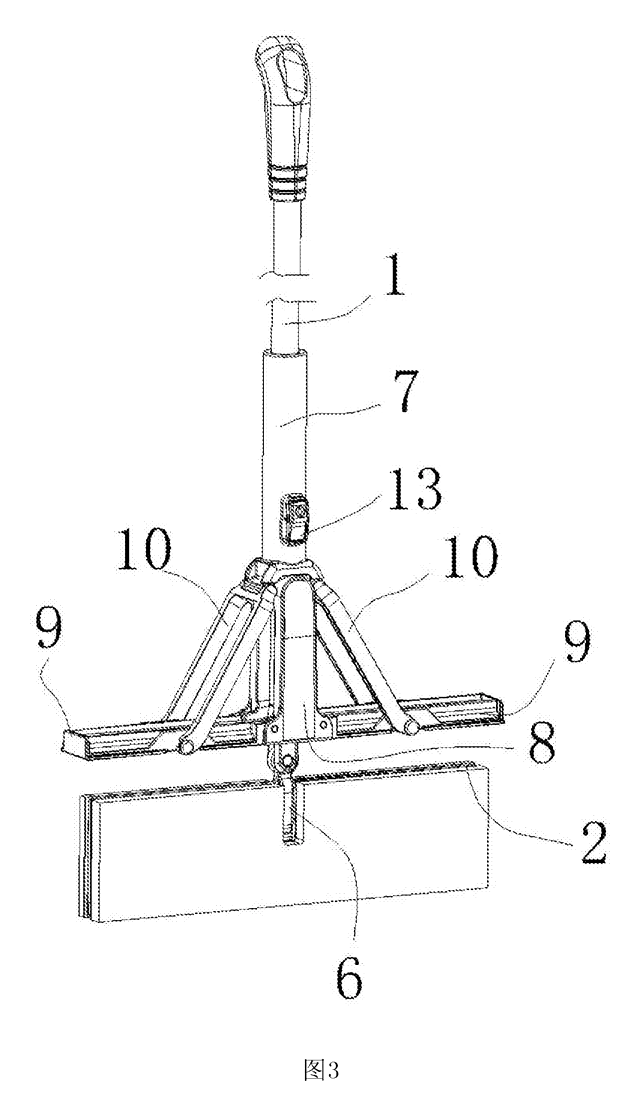
Claim 1 - a pot lid brush comprising a connecting rod, two brush rods hinged via rotating shafts, and a motor-driven gear system. The motor rotates the head 180 degrees. The rods feature steel wire brush blocks and sponge brush blocks. A water pump and electromagnetic valve supply water to spray holes on the second rod. An electromagnet holds the rods together when parallel.
Claim 2 - adds a charging interface and indicator lamp for the internal battery. Claim 3 - specifies anti-skid sleeves made of elastic material (rubber/silica gel/latex) covering the handles, with a detachable sealing cover protecting the gears. Claim 4 - details a weight attached to the end of the water suction pipe to keep it submerged. Claim 5 onward - further structural refinements regarding the arrangement of buttons and electrical connections.
This is a simplified reading for orientation only. The legal scope is defined by the exact claim wording in the official Chinese document.
What this means for US production
This patent was filed only in China and is currently active. Making or selling this specific design in China requires the owner’s permission. There is no US patent blocking sales in the United States based on this document alone.
Two points to settle early:
- Other patents may exist. Electric kitchen appliances and motorized cleaning tools are heavily patented fields in the US. Competitors may hold patents on similar gear-driven rotation mechanisms or integrated water spray systems. A freedom-to-operate (FTO) review is strongly recommended before launching in the US market.
- Component sourcing. The design relies on specific miniaturized components (micro-motors, micro-pumps, electromagnets). Availability and compatibility of these parts must be verified with suppliers to ensure they fit within the housing dimensions described.
Customization and manufacturing
What can be customized
| Area | Options |
|---|---|
| Brush Material | Nylon bristles, silicone pads, or copper wire instead of steel/sponge |
| Water System | Manual squeeze bottle attachment vs. electric pump; nozzle pattern changes |
| Battery Type | Li-ion rechargeable (as per patent) or replaceable AA/AAA cells |
| Housing Color | Injection molding color matching brand identity |
| Control Layout | Button placement for left/right-handed dominance |
| Sealing Cover | Removable magnetic cap vs. screw-on cover for easier maintenance |
Things to plan for (US market)
- UL 60335-1 / UL 60335-2-7: Safety standards for household electrical appliances. Since the device contains a battery and motor, it must meet electrical safety requirements for shock and fire prevention.
- FCC Part 15: If the device includes any wireless communication (not mentioned in patent, but common in smart variants), FCC certification is needed. For basic electric motors, EMI testing may still be required.
- California Prop 65: Warning labels may be required if certain chemicals are present in plastics or rubber components.
- FDA 21 CFR: If marketed as a food-contact tool, materials touching the lid (sponges, wires) should be evaluated for food safety compliance, though lids themselves are usually washed with soap.
How a project runs
- Inquiry - Define target price, volume, and key features (e.g., battery capacity, spray range).
- Design Adaptation - Modify housing for injection molding; select off-the-shelf micro-motors and pumps.
- Prototype - 3D printed housings with functional electronics to test rotation smoothness and water flow.
- Pilot Run - Tooling for plastic molds; assembly line setup for soldering and casing.
- Production - Mass manufacturing, quality control checks for motor life and seal integrity.
Quantities & timeline
Injection molds for the complex housing shapes take 4-6 weeks. Sourcing micro-motors and custom gears adds lead time. Assembly requires precision alignment of the gear shafts to prevent jamming. Send us your quantity, feature list, and target cost and we will reply with options.
Patent drawings
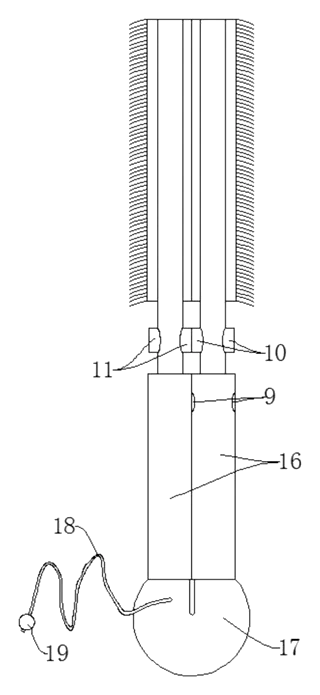
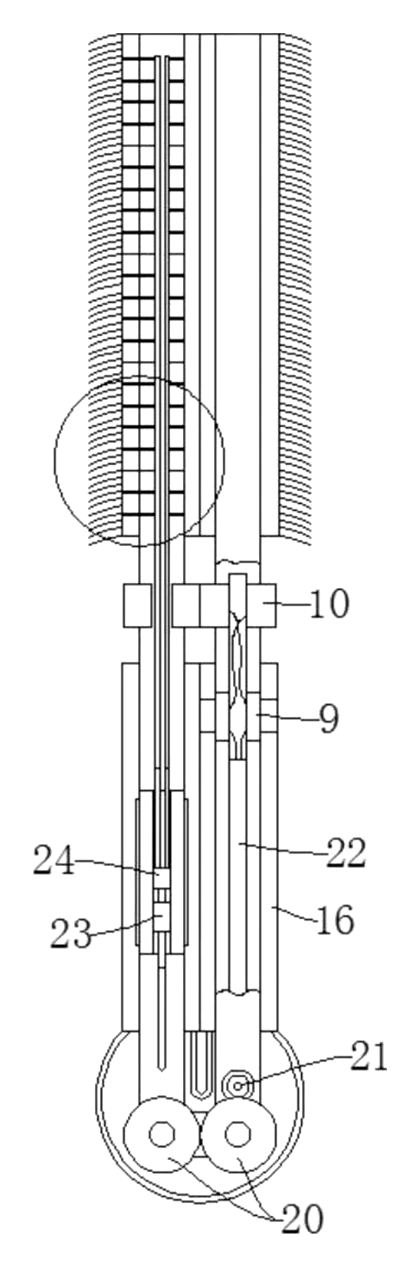
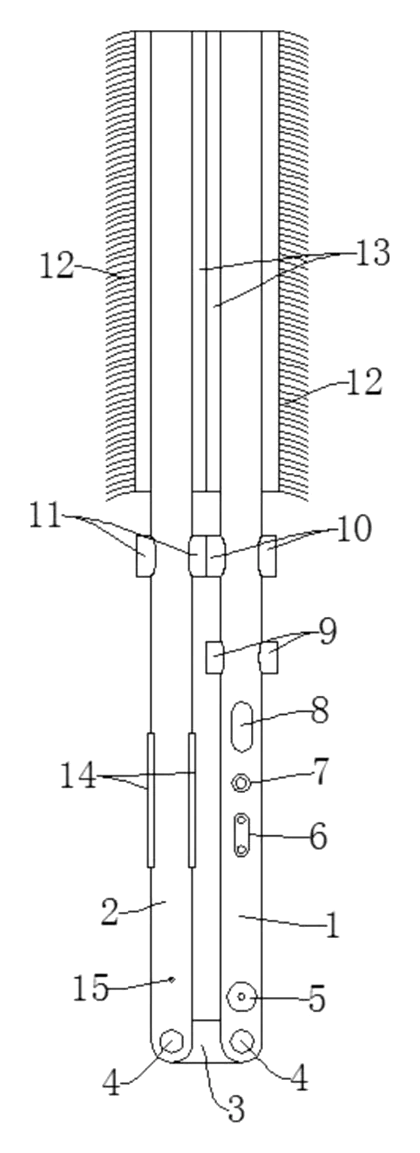
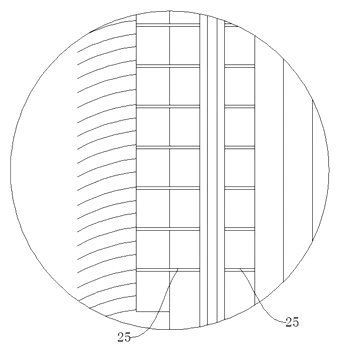
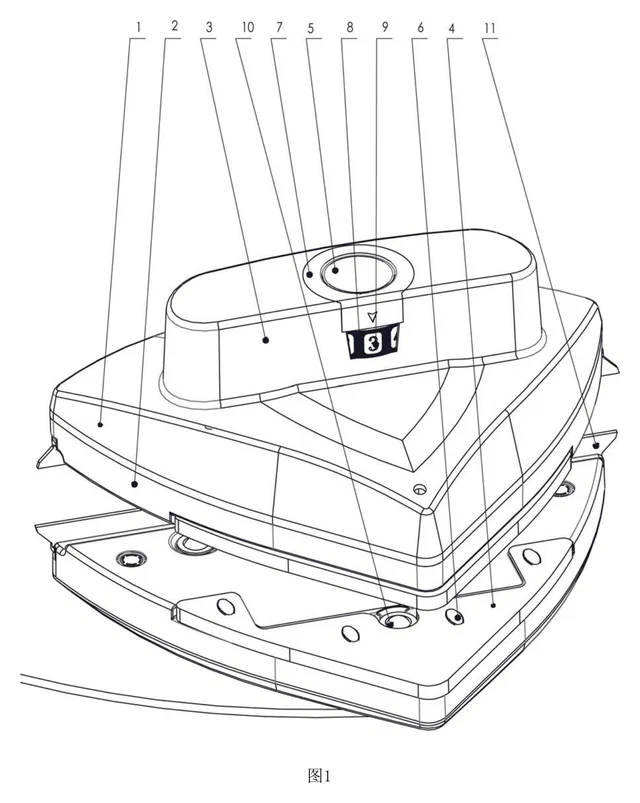
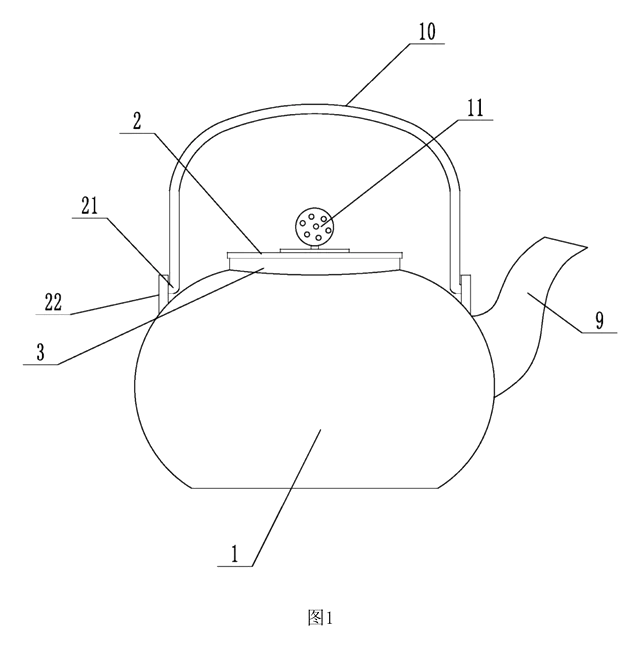
Drawings reproduced from the public patent document for reference.