At a glance
| Patent number | CN112043019B (application CN202010808440) |
| Type | China invention patent (发明专利) - protects product structure and preparation method |
| Original title | A Detachable Ear-Strap Mask (一种可拆卸耳带线口罩) |
| Patent owner | Hangzhou Yongli Baihe Medical Equipment Co ltd |
| Inventors | Cao Yongnian, Hong Wenjie, Ai Shuangbing |
| Filing date | 2020-08-12 |
| Grant date | 2023-09-05 |
| Status (China) | Lapsed - terminated for non-payment of annual fees (recorded 2025-08-08) |
| Patent family | Chinese filings only - no US, European, Japanese, PCT or other filings listed |
| Cited by | 0 later documents |
| Source | Google Patents (search for CN112043019B) |
What the claims cover, in plain language
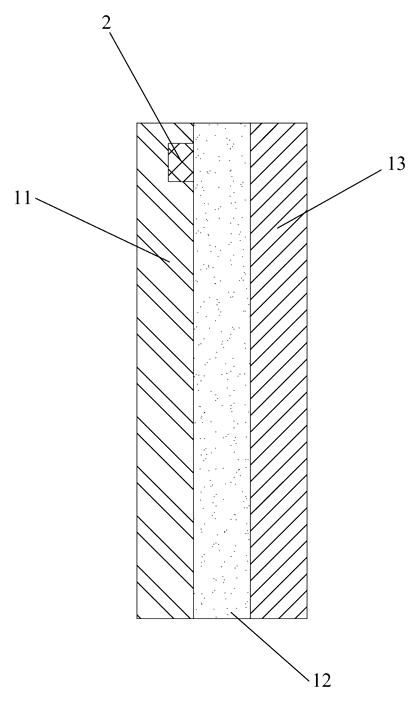
Claim 1 - defines a detachable ear-strap mask comprising a mask body and ear strap line. The mask body has side wrapping portions with pull holes for the strap. The body has three layers: an outer protective layer, a polypropylene melt-blown non-woven filter layer, and an inner hygroscopic layer. The inner layer is an antibacterial moisture-absorbing non-woven fabric. Claim 1 also details a specific preparation method for this fabric involving six steps: synthesizing titanium dioxide particles, amino-modifying them, modifying nano calcium chloride, loading the TiO2 with plant extract antibacterial liquid, forming antibacterial agent capsules using diphenylmethane diisocyanate, and finally coating the spun-bonded non-woven fabric with a mixture of polyvinyl butyral, the capsules, and ammonium bicarbonate.
Claims 2-4 - add structural details: a friction strip inside the wrapping portion matching a friction belt on the ear strap for adjustment; an adhesive strip for fixation; and a nose bridge strip at the upper end.
Claims 5-8 - specify ratios and materials for the preparation method, such as the mass ratio of titanium tetrachloride to acetic acid/anhydride, the use of purslane extract as the antibacterial liquid, and specific weight parts for the capsule formation and final coating mixture.
This is a simplified reading for orientation only. The legal scope is defined by the exact claim wording in the official Chinese document.
What this means for US production
This patent was filed only in China and has lapsed due to non-payment of annual fees. Therefore, it no longer restricts anyone in China, and since there are no foreign counterparts, it does not restrict production or sales in the United States either.
Two points to settle early:
- Other patents may exist. Face masks with advanced linings, antimicrobial coatings, and adjustable strap mechanisms are a highly competitive field. Many US and international companies hold patents on specific material compositions, strap locking mechanisms, and antiviral treatments. A freedom-to-operate (FTO) review is essential before tooling to ensure your specific implementation does not infringe on active US patents.
- Regulatory Classification. In the US, masks intended for medical use are regulated by the FDA. Masks intended for general public use (e.g., pollution protection) have different labeling requirements. The specific chemical composition of the inner layer (TiO2, plant extracts) must be reviewed for safety and labeling compliance.
Customization and manufacturing
What can be customized
| Area | Options |
|---|---|
| Strap Material | Elastic cord, flat band, silicone, or fabric-covered wire; color and texture. |
| Wrapping Mechanism | Type of friction lock (velcro-style, plastic slider, adhesive tab); size of pull hole. |
| Filter Layer | Melt-blown grade (BFE/PFE efficiency), thickness, and width. |
| Inner Layer Treatment | Concentration of antibacterial agents; choice of plant extract (e.g., purslane vs. others); scent options. |
| Body Shape | 3D contoured, pleated, or duckbill; nose bridge wire gauge and coverage. |
| Packaging | Individual pouches, bulk boxes, or reusable dispenser cases. |
Things to plan for (US market)
- FDA Regulations: If marketed as a medical device (surgical mask), it requires 510(k) clearance or registration. If sold as a general-use cloth/non-medical mask, FDA rules are lighter, but FTC advertising guidelines strictly prohibit unproven health claims (e.g., “kills virus”).
- CPSC Standards: Ensure materials are free from hazardous substances like lead and phthalates, especially for products accessible to children.
- Textile Labeling Act: Requires accurate fiber content disclosure (e.g., “Polypropylene,” “Non-woven Fabric”) and country of origin.
- Chemical Safety: The presence of titanium dioxide and plant extracts requires verification under TSCA (Toxic Substances Control Act) and potential state-level regulations like California Prop 65 if certain chemicals are present above threshold levels.
How a project runs
- Inquiry - Define target price, volume, and required certifications (medical vs. general use).
- Design - Finalize strap mechanism dimensions, layer specifications, and coating formula compatibility.
- Prototype - Produce small batches to test strap durability, comfort, and filter efficiency.
- Compliance Testing - Send samples to accredited labs for BFE/PFE testing, biocompatibility (if medical), and chemical safety screening.
- Production - Set up automated assembly lines for layer lamination, strap insertion, and packaging.
Quantities & timeline
Manufacturing involves sourcing raw non-woven fabrics, applying the specialized coating to the inner layer (which may require a separate supplier or in-house coating line), and assembling the mask bodies. The strap mechanism requires precision cutting and attachment. Development time depends heavily on whether you choose a pre-existing coating formula or develop a custom one. Certification testing for medical devices can take several months. Send us your target price, quantity, certification needs, and desired features and we will reply with options.
Patent drawings
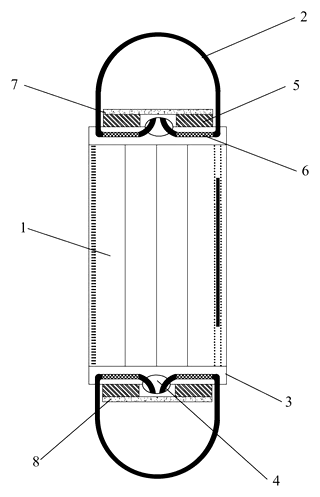
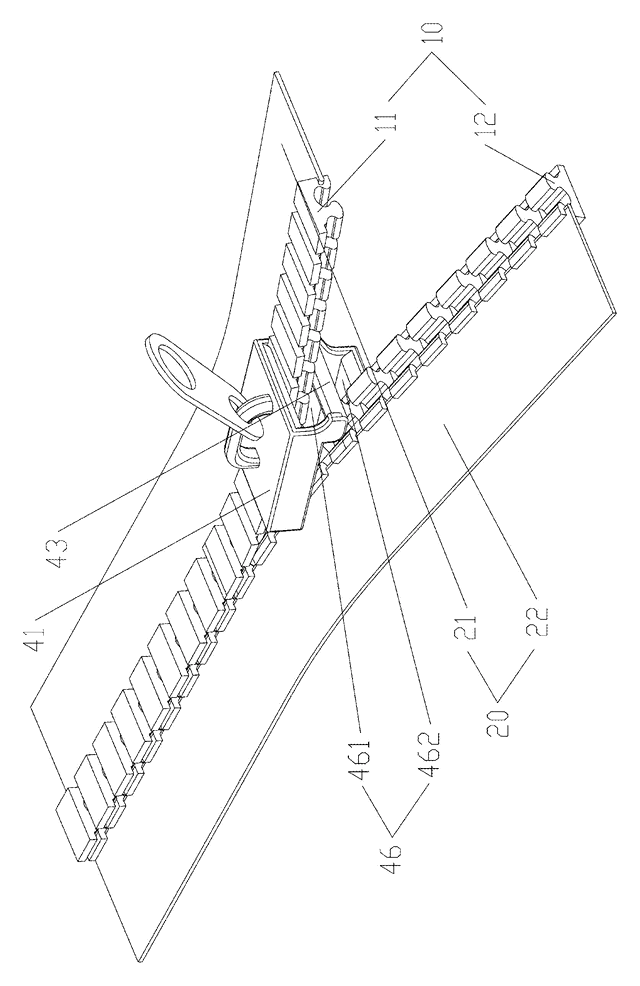
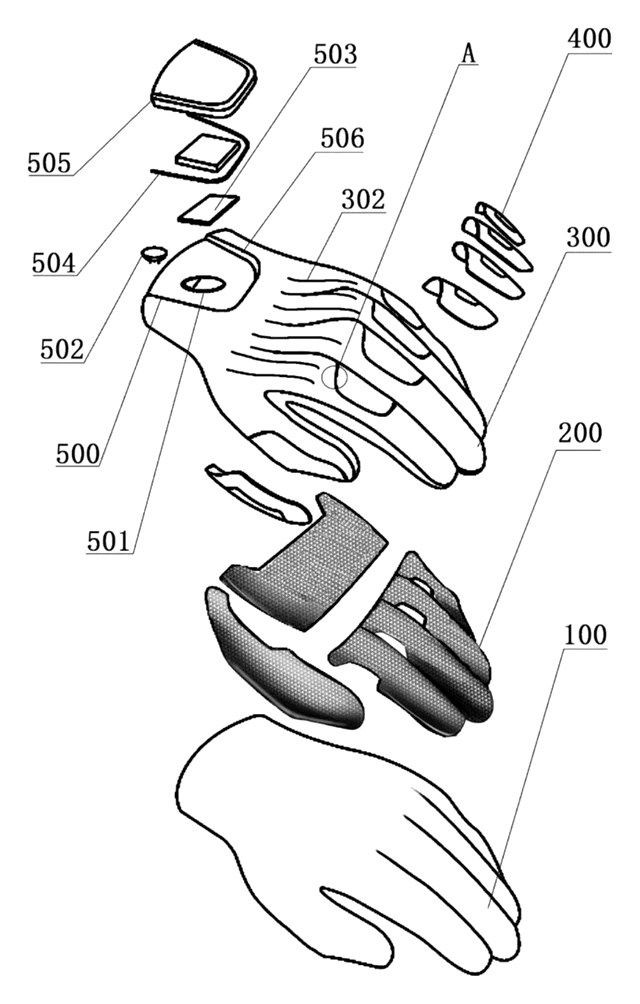
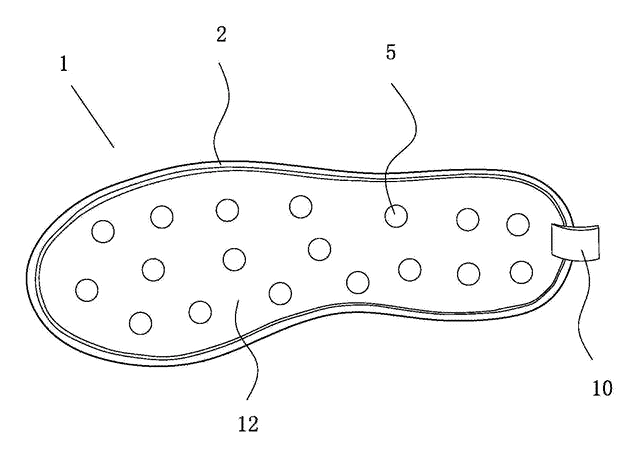
Drawings reproduced from the public patent document for reference.