
Patent CN112369792B
Updated November 4, 2026Self-Powering Mountaineering Backpack with Solar LED Lights
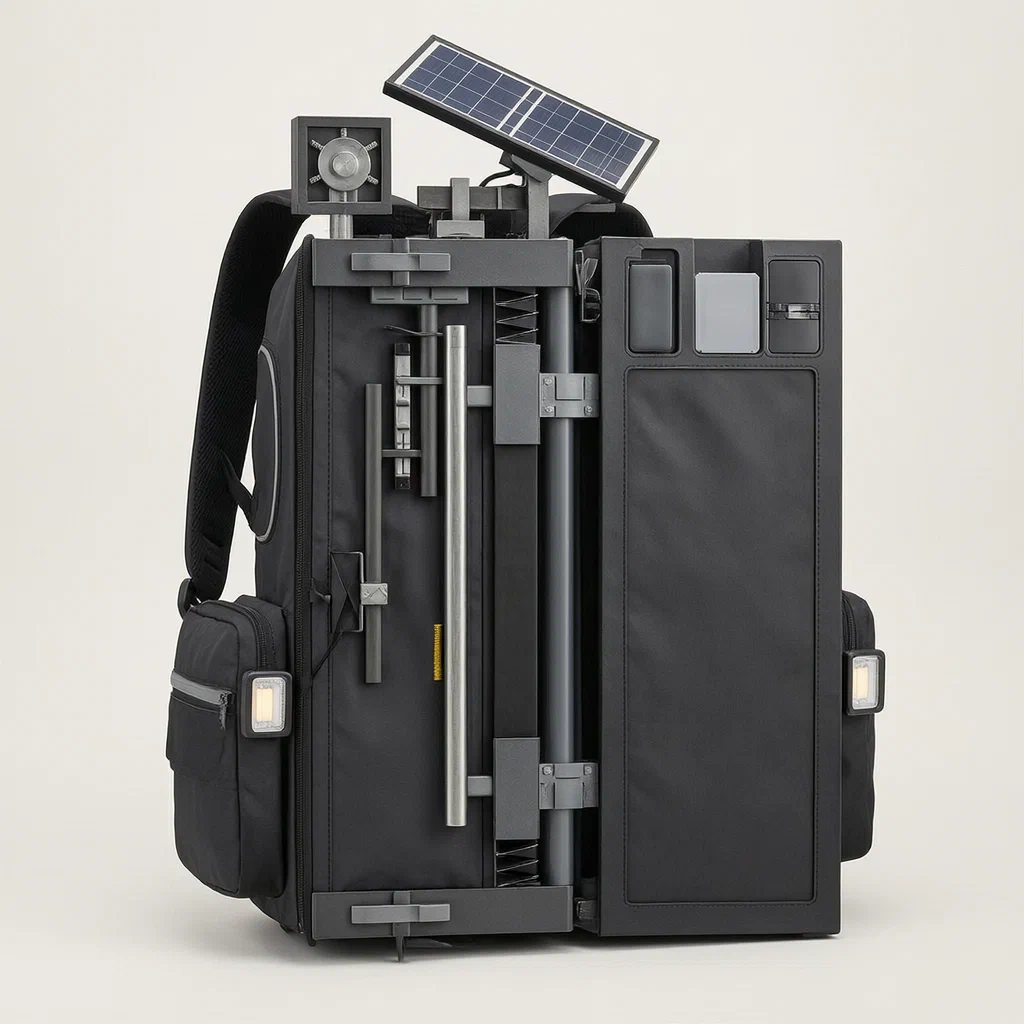
Hikers often struggle with dead batteries in headlamps and GPS devices after long days on the trail. While solar chargers exist, they are static and inefficient when moving. This patent describes a dynamic solution where the physical act of walking—specifically the up-and-down motion of the backpack's weight—drives a mechanical generator. Combined with an adjustable solar array, the backpack continuously harvests energy to power built-in safety LEDs, keeping them lit without manual intervention.
- China invention patent - In force
- No filings outside China
- Outdoor gear & lighting
- Kinetic generation, solar adjustment, LED integration
Splat! What let you down?
⚡
Kinetic Harvesting
Vertical load movement drives gears and belts to rotate a generator shaft.
☀️
Adaptive Solar
Light sensors adjust the solar panel angle to maximize energy capture.
💡
Integrated LEDs
Side-mounted lamps powered by the harvested energy for visibility.
🎒
Load Buffer System
Springs and sliders manage the force transfer from the backpack weight.
Bring this product to market
- ✓ Patent vetted China-only family and legal status checked
- 2 Product brief · now How it works, uses and options written up
- 3 Prototype First samples for buyers to review
- 4 Pilot run Small first batch for launch customers
- 5 Volume production Repeat orders at scale
Buyer interest
– of 100 buyers needed to start prototyping
One click, no sign-up. Each vote is one real visitor, and products with the most interest go to prototyping first.
Build team: no members yet. Need a partner, co-funding or skills to build this? Join and we introduce the team once it forms.
The problem
Modern hiking relies heavily on electronic devices for navigation, communication, and safety. Headlamps, GPS units, and emergency beacons require frequent charging, which is inconvenient on multi-day treks where access to outlets is limited. Existing solutions like portable power banks add significant weight and must be manually managed. Static solar chargers attached to packs are often ineffective because their orientation changes constantly as the hiker moves, and they do not utilize the energy already being expended by the hiker’s body to lift and lower the pack’s weight. There is a need for a passive energy harvesting system that integrates directly into the backpack structure to provide continuous, low-maintenance power for essential lighting.
The solution
The patent describes a mountaineering backpack equipped with a dual-source power generation system integrated into a mounting block attached to the shoulder straps.
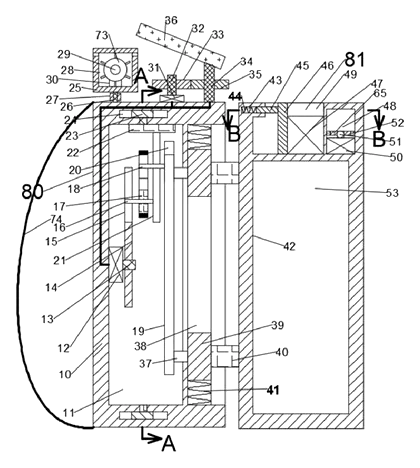
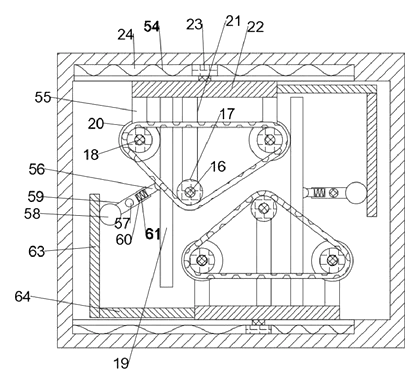
- Kinetic Mechanism: A buffering chute contains springs and sliding blocks that respond to the vertical movement of the backpack’s load. As the pack moves up and down while walking, this motion drives a rack connected to a series of meshing gears and transmission belts. These components rotate a generator shaft, converting mechanical energy into electrical energy stored in a battery.
- Solar Adjustment: A separate subsystem uses a light induction motor and gear assembly to adjust the angle of a solar cell panel. This ensures the panel faces the optimal direction for sunlight absorption, complementing the kinetic charging.
- LED Integration: The generated electricity powers bilateral LED lamps mounted on the sides of the backpack. These lamps provide visibility without requiring the user to carry separate charged devices.
Who it is for
- Outdoor Gear Brands seeking to differentiate their product lines with functional, tech-integrated designs that offer unique value propositions beyond standard storage.
- Night Hiking & Trail Running Communities who require reliable, hands-free illumination that does not depend on battery life management or frequent recharging cycles.
- Emergency Response Volunteers operating in remote areas where consistent power sources are scarce, needing backup lighting that generates itself through normal activity.
- Eco-Conscious Consumers interested in reducing reliance on disposable batteries and single-use electronics by utilizing renewable energy harvesting methods.
How it works
The main parts
| No. | Part | What it does |
|---|---|---|
| Mounting Block | Housing unit attached to straps containing the internal cavity for the power generation mechanism. | |
| Buffering Spring & Sliders | Absorb and translate the vertical load movement of the backpack into linear motion. | |
| Power Generation Rack | Connects the sliders to the gear system; moves vertically to drive rotation. | |
| Generator | Converts rotational energy from the shaft into electrical current. | |
| Transmission Belts & Gears | Transfer motion from the rack to the generator shaft via friction and meshing. | |
| Light Induction Motor | Adjusts the solar panel angle based on ambient light levels. | |
| Solar Cell Panel | Captures solar energy to supplement the kinetic charging. | |
| LED Lamps | Side-mounted lights powered by the internal battery. |
Operating steps
- Walking Motion: As the hiker walks, the backpack’s weight shifts vertically within the mounting cavity.
- Linear Conversion: This movement compresses and extends the buffering springs, driving the power generation rack up and down.
- Rotational Drive: The rack engages with first meshing gears, which rotate transmission belts and secondary gears connected to the generator shaft.
- Energy Storage: The generator produces electricity, which is stored in the LED battery.
- Solar Optimization: Simultaneously, the light induction motor rotates the solar panel to face the sun, adding charge to the system.
- Illumination: The stored energy powers the side-mounted LED lamps for visibility.
Applications
Night Trekking
Hikers traversing trails after sunset benefit from automatic illumination. The kinetic system ensures that as long as the person is moving, the lights remain active, removing the anxiety of running out of battery mid-trail.
Search and Rescue Operations
Volunteers carrying heavy loads over uneven terrain can use these packs for immediate visibility. The self-powering nature means no downtime is needed for charging, allowing teams to maintain operational readiness during extended missions.
Commuter Safety
Urban cyclists and pedestrians carrying work bags can enhance their visibility to drivers. The integrated LEDs provide a distinct visual signature compared to standard reflective strips, improving safety in low-light traffic conditions.
Remote Camping
Campers setting up base in areas without grid access can use the pack’s lighting for evening tasks. The solar component adds trickle charge during the day, extending the usability of the lights even when stationary.
Where it is less suitable
- Static Office Use: The kinetic mechanism requires vertical movement to generate power; sitting at a desk will not charge the battery effectively.
- Heavy Industrial Load: Extremely heavy cargo may exceed the spring buffer capacity, potentially damaging the gear linkage if not properly calibrated.
- High-Speed Activities: Rapid, jerky movements might cause excessive wear on the transmission belts compared to steady hiking rhythms.
Frequently asked questions
How does the backpack generate power?
The patent describes a mechanism where the vertical movement of the backpack’s load—caused by walking—compresses springs and moves a rack. This rack turns gears and belts connected to a small generator, converting mechanical energy into electricity stored in a battery.
Does the solar panel always charge?
According to the patent, the solar panel is adjustable. A light induction motor rotates the panel to follow the sun’s position, optimizing energy capture. However, charging depends on ambient light levels; kinetic generation works regardless of weather.
Can I use my own electronics?
The patent focuses on powering integrated LED lamps. While the generator produces electricity, connecting third-party devices would require additional circuitry and safety certifications not detailed in the patent.
Is the battery safe for air travel?
Battery safety depends on the specific chemistry and capacity chosen in design. Typically, lithium-ion batteries under 100Wh are allowed in carry-on luggage. You must confirm the final battery specifications against airline regulations before shipping.
How much weight does the mechanism add?
The patent does not specify the exact weight. The addition of gears, a generator, and a battery increases the pack’s tare weight compared to a standard backpack. Designers aim to balance power output with minimal added mass.
Why are there LEDs on the sides?
The patent places LEDs bilaterally on the backpack to enhance visibility from both left and right angles, which is useful for road crossings or group hiking where side visibility is critical.
Can this design be made and sold in the US?
The patent is filed only in China and is currently in force there. It has no US patent counterpart, so the design itself is not restricted by this specific patent in the US. However, outdoor gear with electronics is a crowded IP space. We recommend a freedom-to-operate check to ensure no other US patents cover similar kinetic harvesting or solar adjustment mechanisms.
Are you affiliated with the patent owner?
No. IP2M is an independent design and manufacturing service working from the public patent document.
Request a quote
Click Request a Quote below to see our email address - copy it, or open your email app with a ready-made message. Please mention patent CN112369792B in the subject.
Helpful details to include:
- Your company and channel (outdoor brand, tactical supplier, commuter gear maker)
- Target capacity (liters) and intended use case
- Power requirements (LED brightness, runtime expectations)
- Battery preference (capacity, chemistry)
- Estimated quantity and target price
- Timeline - when you would like samples and the first shipment
You can also reach us at (332) 203-9997.
Explore this product
Interested in building this?
Tell us your target market, quantity and timeline. We reply with options for prototyping, small-batch runs or volume production.
Send your inquiry to
Please put CN112369792B in the subject line and tell us your company, country, estimated quantity and timeline.
Prefer to talk? Call (332) 203-9997.
More product-ready patents
All Sports & Recreation patents →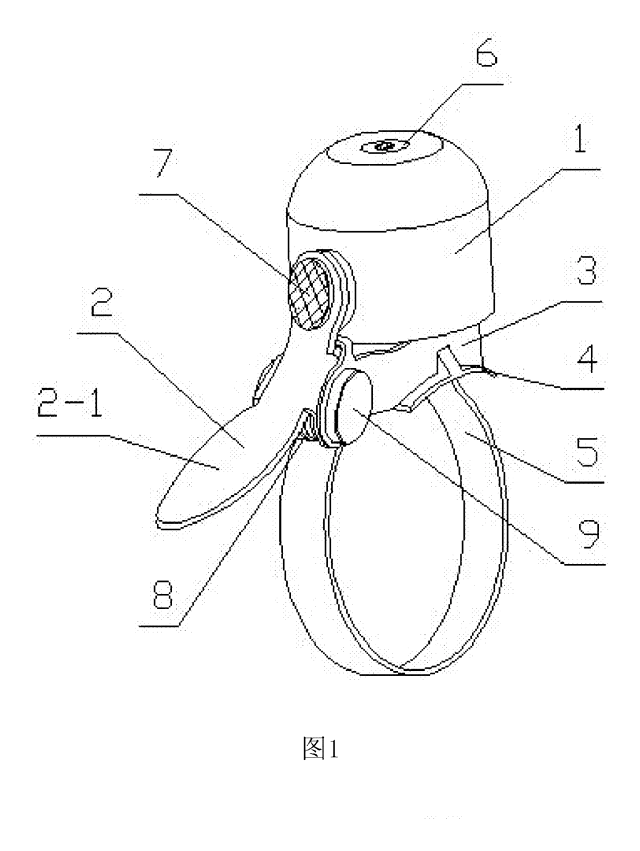
Sports & Recreation
Compact Torsion-Spring Bike Bell
Mini bike bell with a standard torsion spring and a rubber-floated dome - small size, clear tone, quick strap mount.
Patent CN205819384U
Sports & Recreation
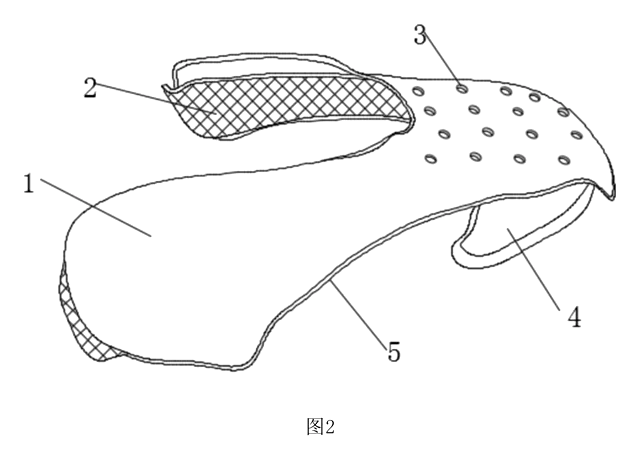
Padded Toe-Box Shield for Sneakers
Ventilated, silicone-lined toe-box insert that supports the front of a sneaker and cushions the toes.
Patent CN209473731U
Sports & Recreation
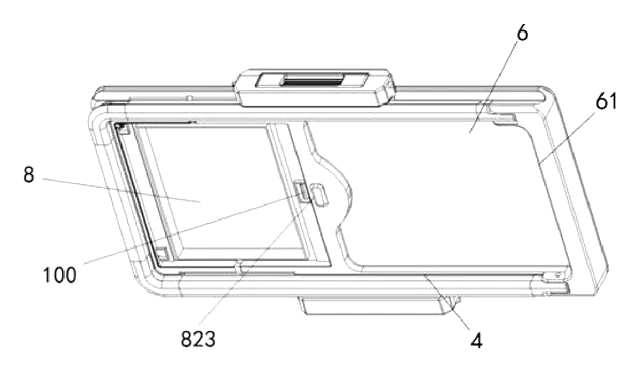
Reversible Fishing Seat-Box Lid with Backrest
Fishing seat-box lid that flips on removable hinge pins: cushion, backrest and storage on one face.
Patent CN208624426U
Sports & Recreation
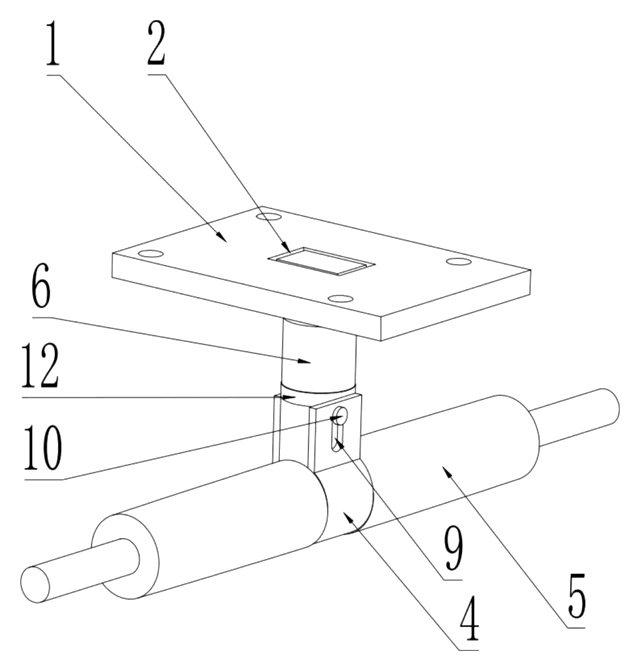
Swivel-Pin Skateboard Truck with Rubber Sleeve
Skateboard truck with a turning center pin, a tilting axle clamp and a rubber sleeve that centers it.
Patent CN216777880U
Sports & Recreation
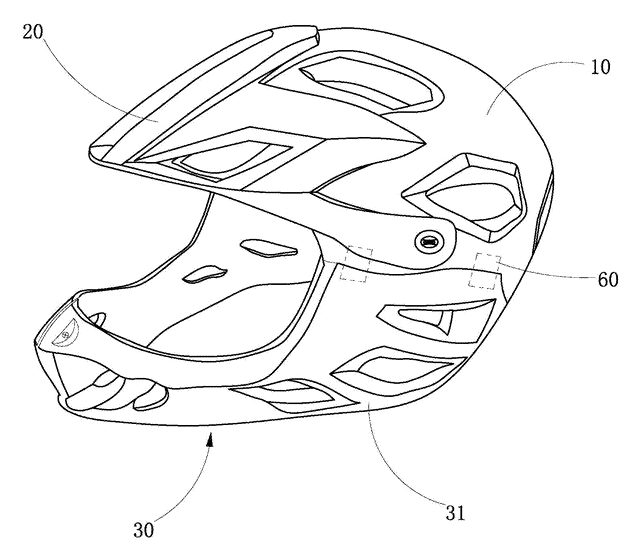
Full-Face Bike Helmet with Magnetic Detachable Chin Bar
Full-face cycling helmet whose chin bar clips on and off with magnetic, latching side connectors.
Patent CN206630067U
Sports & Recreation
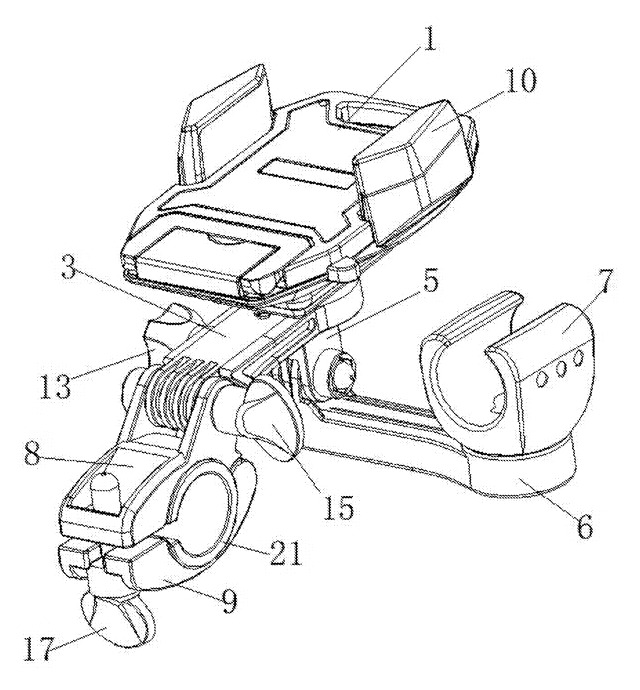
Bike Phone Holder with Built-In Flashlight Clamp
Handlebar mount with a phone cradle on top and a flashlight clamp below, on one arm.
Patent CN206077485U
Browse by category
- Apparel & Accessories (36)
- Baby & Kids (25)
- Bags & Luggage (15)
- Bath & Personal Care (25)
- Car Accessories (21)
- Furniture, Bedding & Storage (19)
- Garden & Outdoor (27)
- Health & Wellness (12)
- Home, Kitchen & Cleaning (40)
- Lighting (20)
- Packaging & Containers (10)
- Pet Products (9)
- Phone & Camera Accessories (7)
- Retail Display (21)
- School, Office & Art (30)
- Sports & Recreation (37)
- Tools & Workshop (46)
- Toys & Games (19)
This page is based on the public patent document CN112369792B, assigned to Pinghu Liangjie luggage Co.,Ltd.. IP2M is an independent manufacturing service and is not affiliated with, endorsed by or licensed by the patent owner. Images marked as concept renderings are illustrations, not photos of an existing product. Patent status information is provided for reference only and is not legal advice; confirm freedom to operate for your market before production. Full disclaimer.