
Patent CN112401461B
Updated November 2, 2026Thermos Cup with Deployable Seat Cushion for Outdoor Use
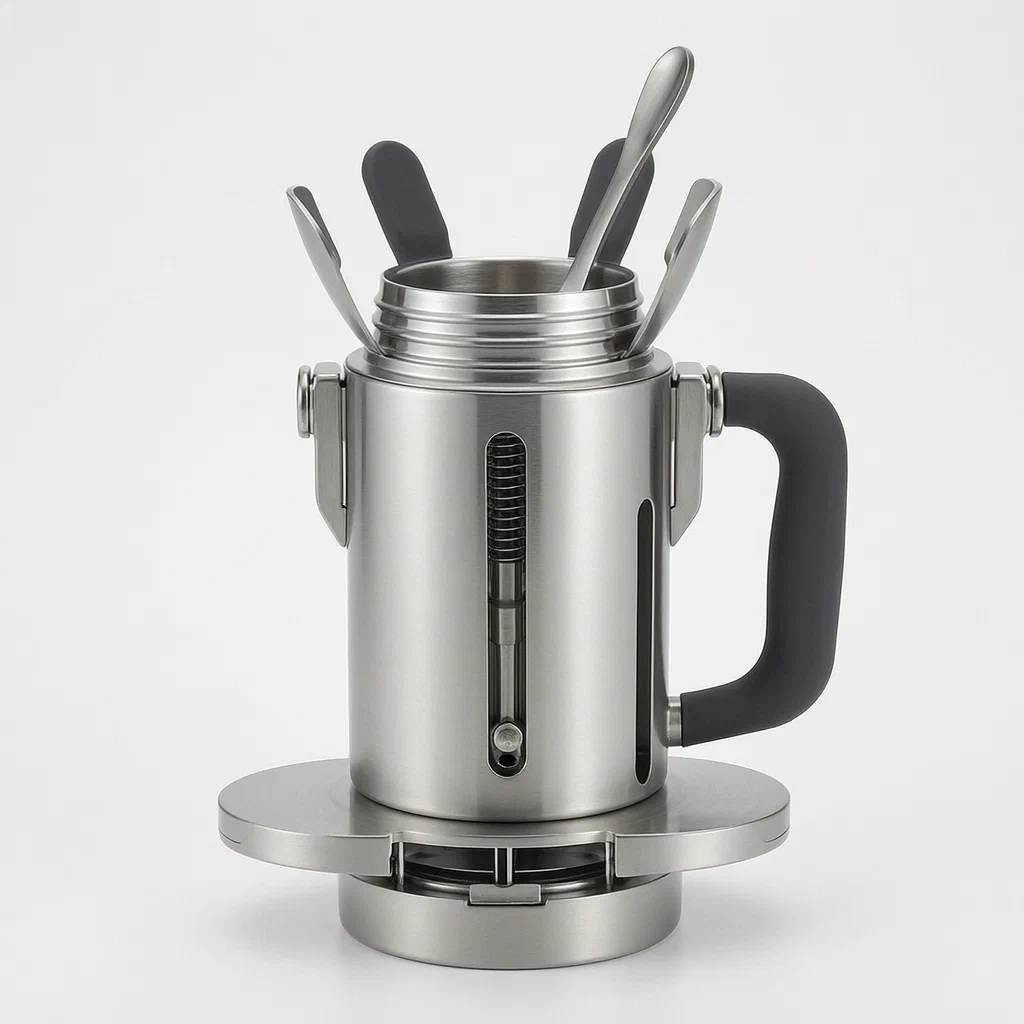
Traditional thermoses offer no place to rest when you need a break outdoors. This design integrates seating functionality directly into the bottle structure. By extending metal stress plates from the base and the lid, the footprint expands from a narrow cylinder to a stable platform capable of supporting weight. The lid serves as the seat surface, while the base provides a broad foundation. An internal slider system allows users to adjust the effective water capacity by moving an inner bottom plate up or down, secured by magnets against a spring force. This combination turns a standard hydration tool into a compact piece of field furniture.
- China invention patent - active
- No filings outside China
- Outdoor gear & camping accessories
- Stainless steel body, rubber cushion, magnetic slider
Splat! What let you down?
🪑
Dual-function seat
Pull-out plates from the base and lid expand the surface area, allowing the closed lid to serve as a stable seat.
💧
Adjustable capacity
An internal sliding block moves an inner bottom plate up or down, changing the usable water volume inside the cup.
🧲
Magnetic locking
Magnets on the slider and inner plate hold the position securely, overcoming the spring force of the piston assembly.
🥄
Integrated stirrer
A telescopic rod fixed to the lid carries a stirring spoon, keeping it attached and ready for mixing hot drinks.
Bring this product to market
- ✓ Patent vetted China-only family and legal status checked
- 2 Product brief · now How it works, uses and options written up
- 3 Prototype First samples for buyers to review
- 4 Pilot run Small first batch for launch customers
- 5 Volume production Repeat orders at scale
Buyer interest
– of 100 buyers needed to start prototyping
One click, no sign-up. Each vote is one real visitor, and products with the most interest go to prototyping first.
Build team: no members yet. Need a partner, co-funding or skills to build this? Join and we introduce the team once it forms.
The problem
Hikers and campers often carry bulky chairs or must sit on the ground, which can be wet, cold, or uneven. Standard thermos bottles are designed solely for liquid storage; their cylindrical shape offers no stable platform for resting, and they cannot support human weight without tipping over or damaging the insulation. Additionally, once a bottle is filled, the volume is fixed, leaving no flexibility if a user wants to carry less weight but still needs the container’s structural benefits. There is a lack of compact solutions that combine hydration storage with immediate seating capability in outdoor environments.
The solution
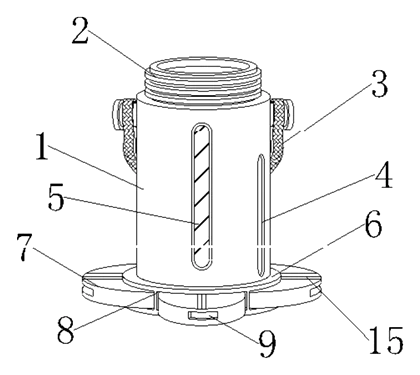
- The cup body (1) has a base (6) at its lower end. Four through grooves (8) are cut around the perimeter of this base.
- Stress plates (7) slide into these grooves. Each plate has a hand buckle (9) for gripping and a second sliding groove (15).
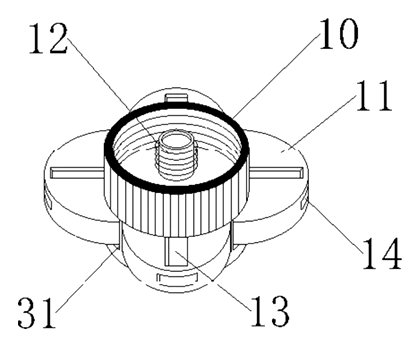
- The cup cover (10) screws onto the top of the body. It also features four second through grooves (31) containing second stress plates (11).
- These upper plates have sliding grooves (13) and second hand buckles (14).
- When deployed, pulling out the lower and upper plates increases the stress area, creating a wide, stable foundation for the bottle and a broad, flat surface on the lid suitable for sitting.
- Internally, a sliding block (16) moves along a round groove (4) on the side of the cup. It connects to an inner bottom plate (20) via a hinge (19) and pulling plate (18).
- A magnet (17) on the slider attracts a second magnet (21) on the inner plate, holding the plate at a chosen height against the force of a spring (12) and piston (23) assembly.
- A telescopic rod (25) attached to the lid holds a stirring spoon (28), retractable for storage.
Who it is for
- Camping equipment brands looking to differentiate their hard-goods line with multi-functional items that reduce pack weight.
- Outdoor retailers targeting hikers and anglers who spend long periods standing or walking and need occasional rest points.
- Military and tactical suppliers requiring rugged, dual-purpose gear that minimizes the number of separate items carried.
- Travel accessory manufacturers designing compact kits for road trips or festivals where seating is scarce.
How it works
The main parts
| No. | Part | What it does |
|---|---|---|
| 1 | Cup Body | Main insulated container housing the water and internal mechanisms. |
| 6, 7, 8 | Base and Stress Plates | Lower extension plates that widen the footprint for stability. |
| 10, 11, 31 | Lid and Second Plates | Upper extension plates that create a wider seat surface on the lid. |
| 16, 17 | Sliding Block and Magnet | External control mechanism that locks the internal plate position. |
| 20, 21 | Inner Bottom Plate | Moves vertically to adjust the effective volume of the cup. |
| 12, 23 | Spring and Piston | Provides upward force on the inner plate, resisted by the magnet. |
| 25, 28 | Telescopic Rod and Spoon | Integrated stirring tool stored within the lid assembly. |
Operation Steps
- Deploying the Seat: To use the cup as a seat, the user pulls the hand buckles (9) to slide the stress plates (7) outward from the base (6). Simultaneously, the second hand buckles (14) are used to extend the second stress plates (11) from the lid (10). The lid is then screwed tightly onto the body. The combined width of the extended plates creates a stable platform capable of supporting a person’s weight.
- Adjusting Water Level: If the user wishes to reduce the carrying weight or change the liquid-to-air ratio, they slide the external block (16) down the round groove (4). This movement, transmitted through the hinge and pulling plate, lowers the inner bottom plate (20). The magnets (17 and 21) attract each other to lock the plate in place, compressing the spring (12) against the piston (23). Raising the slider releases the magnetic lock, allowing the spring to push the inner plate back up.
- Using the Stirrer: The telescopic rod (25) extends from the lid center. The attached spoon (28) can be pulled out to mix powders or tea leaves directly in the cup, then retracted for transport.
Applications
Trail Hiking Stops
At scenic viewpoints or rest areas where benches are unavailable, the hiker deploys the plates. The widened base prevents tipping on gravel, while the lid serves as a small stool, allowing a quick break without unpacking a chair.
Fishing and Angling
Anglers often stand for hours near water edges. This cup provides a stable seat for short rests between casts. The adjustable water level allows them to carry just enough water for the day, reducing fatigue from heavy packs.
Camping Base Camps
During setup or evening gatherings, the cups can be placed upside down or right-side up to act as temporary stools or tables. The robust metal plates distribute weight evenly, protecting the insulation from crushing forces.
Festival and Concert Grounds
In crowded outdoor events where seating is limited or dirty, attendees can use these cups to elevate themselves slightly off the ground, providing a clean and dry spot to sit during breaks.
Where it is less suitable
- High-volume liquid needs: The internal displacement mechanism reduces the maximum fluid capacity compared to a solid-bottom cup of the same size.
- Rough terrain sitting: While stable, the small footprint may still sink into soft mud or deep snow unless the plates are fully extended and the ground is firm.
- Heavy-duty industrial use: The plastic and rubber seals in the sliding mechanism may not withstand extreme impacts or abrasive environments typical of construction sites.
Frequently asked questions
How does the cup become a seat?
The base and the lid have hidden plates that slide out using small buckles. When extended, they make the bottom wider so the cup stands firmly, and they make the top of the lid wider and flatter. You can sit on the closed lid, which acts like a small stool.
Can I really sit on it?
Yes, according to the patent design. The stress plates are intended to increase the load-bearing area. However, the actual weight limit depends on the materials used in production (steel vs. plastic) and the quality of the welds. We recommend specifying a minimum load rating (e.g., 100kg/220lbs) for commercial versions.
How does the water adjustment work?
There is a slider on the side of the cup. Moving it changes the position of an inner bottom plate inside the cup. Magnets hold the plate in place. If you want to carry less water, you raise the inner plate, displacing volume. If you want full capacity, you lower it. This allows you to adjust the weight of the load without changing bottles.
Is it easy to clean?
The internal mechanism is complex. The inner bottom plate and magnets are enclosed within the cup body. Cleaning requires careful attention to the seams where the slider enters the body to prevent residue buildup. We suggest designing the internal parts to be removable or using smooth, non-porous surfaces to facilitate washing.
What happens if the magnets lose strength?
The patent uses magnetic attraction to counteract a spring force. If the magnets weaken over time, the inner plate might shift unexpectedly. High-grade permanent magnets (such as Neodymium) are recommended to ensure long-term reliability. Regular testing of magnetic retention force is part of the quality control process.
Does the telescopic spoon stay sterile?
The spoon is attached to the lid via a telescopic rod. When retracted, it sits inside the neck of the cup. It is exposed to the air inside the cup but not submerged in water unless you choose to leave it there. Users should rinse the spoon after use. The design keeps it from getting lost, but it is not hermetically sealed from the drink environment.
Can this design be made and sold in the US?
The patent is registered only in China and is currently in force there. It has no US counterpart. Therefore, you can manufacture and sell this design in the US without infringing this specific Chinese patent. However, you must conduct a Freedom-to-Operate search to ensure no other US patents cover similar “expandable seat cup” technologies.
Are you affiliated with the patent owner?
No. IP2M is an independent design and manufacturing service working from the public patent document.
Request a quote
Click Request a Quote below to see our email address - copy it, or open your email app with a ready-made message. Please mention patent CN112401461B in the subject.
Helpful details to include:
- Your company and channel (camping brand, outdoor retailer, military supplier)
- Target capacity (e.g., 750ml) and desired seat load rating
- Materials preference for the stress plates (Aluminum, Steel, Plastic)
- Insulation type (Vacuum, Foam, None)
- Estimated quantity and target price per unit
- Timeline - when you would like prototypes and first production run
You can also reach us at (332) 203-9997.
Explore this product
Interested in building this?
Tell us your target market, quantity and timeline. We reply with options for prototyping, small-batch runs or volume production.
Send your inquiry to
Please put CN112401461B in the subject line and tell us your company, country, estimated quantity and timeline.
Prefer to talk? Call (332) 203-9997.
More product-ready patents
All Garden & Outdoor patents →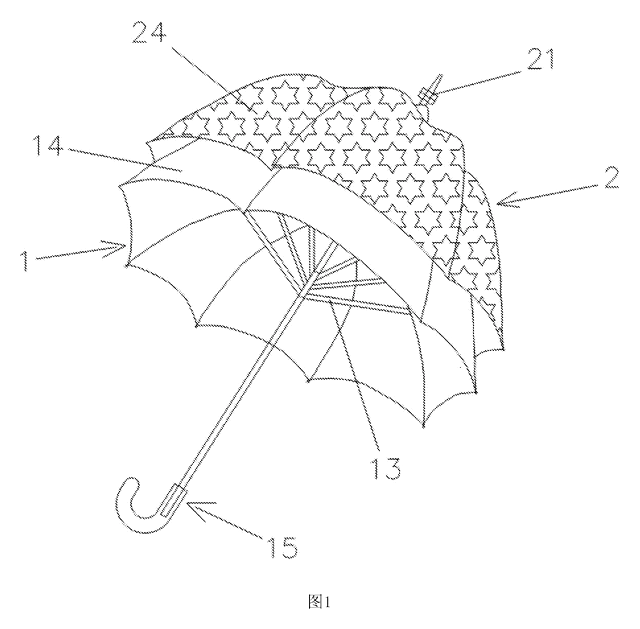
Garden & Outdoor
2-in-1 Parent & Child Umbrella
Full-size umbrella with a nested smaller umbrella on top - a rotating decorative layer that detaches into a kid-size umbrella.
Patent CN205611962U
Garden & Outdoor
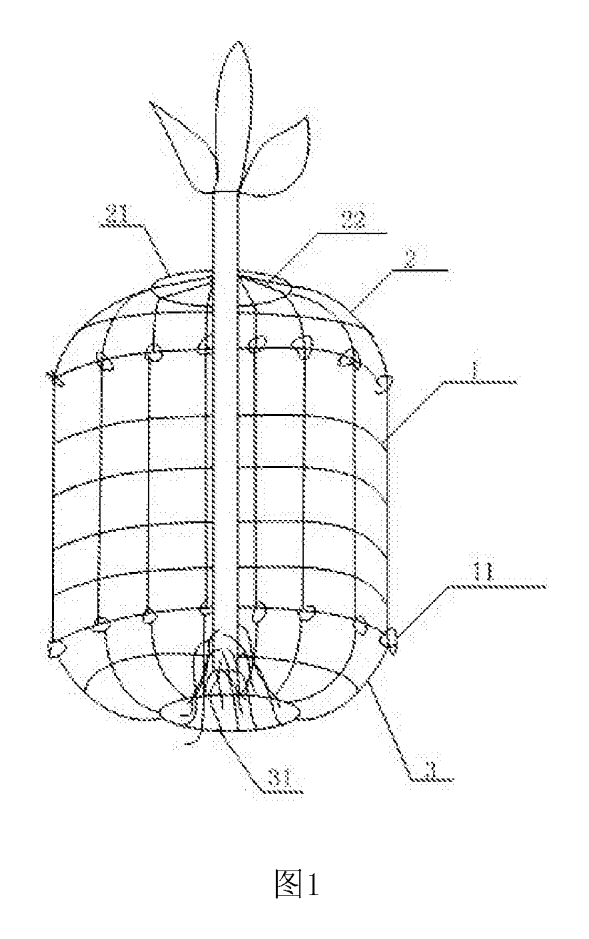
Wire-Mesh Tree Root & Trunk Guard Against Rodents
Three-part wire-mesh guard that protects the roots and lower trunk of young trees from burrowing and gnawing animals.
Patent CN206808261U
Garden & Outdoor
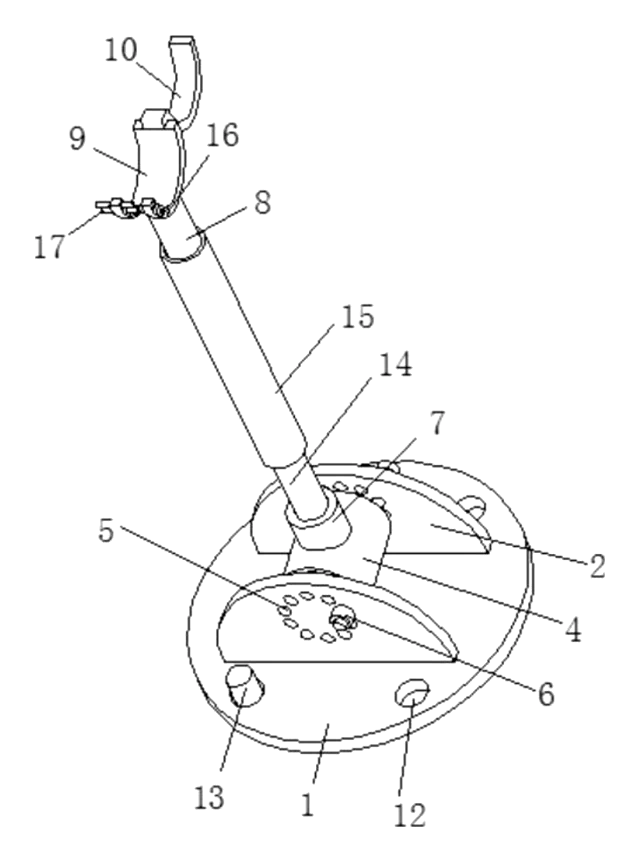
Adjustable-Angle Tree Support Prop
Tree prop with a pinned base, angle-locking hinge, twist-adjust tube and a locking trunk ring.
Patent CN208370491U
Garden & Outdoor
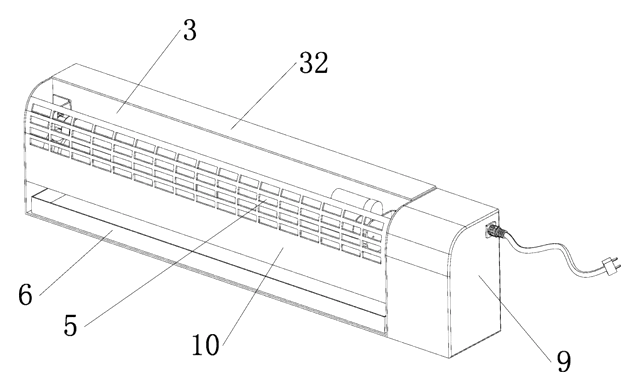
Self-Renewing Glue-Roller Mosquito Trap
UV insect trap with a glue roller that re-coats itself and scrapes the catch into a tray - no glue boards.
Patent CN217038569U
Garden & Outdoor
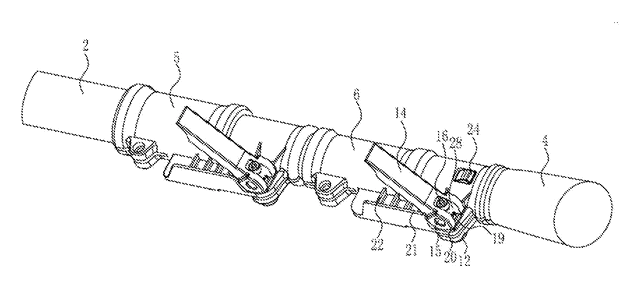
Cam-Lock Telescopic Pole for Garden Power Tools
Telescopic pole for garden power tools with cam-lever locks and a spring-button, tear-drop head socket.
Patent CN205812889U
Garden & Outdoor
Mosquito Fan That Listens for Mosquitoes Before It Sprays
Fan with a scanning microphone dish that mists repellent only when it hears mosquitoes.
Patent CN208708542U
Browse by category
- Apparel & Accessories (31)
- Baby & Kids (22)
- Bags & Luggage (13)
- Bath & Personal Care (22)
- Car Accessories (17)
- Furniture, Bedding & Storage (17)
- Garden & Outdoor (25)
- Health & Wellness (10)
- Home, Kitchen & Cleaning (35)
- Lighting (16)
- Packaging & Containers (8)
- Pet Products (8)
- Phone & Camera Accessories (6)
- Retail Display (18)
- School, Office & Art (24)
- Sports & Recreation (32)
- Tools & Workshop (38)
- Toys & Games (17)
This page is based on the public patent document CN112401461B, assigned to Ningbo University of Technology. IP2M is an independent manufacturing service and is not affiliated with, endorsed by or licensed by the patent owner. Images marked as concept renderings are illustrations, not photos of an existing product. Patent status information is provided for reference only and is not legal advice; confirm freedom to operate for your market before production. Full disclaimer.