At a glance
| Patent number | CN112590435B (application CN202110007159) |
| Type | China invention patent (发明专利) - protects product structure and function |
| Original title | Knife rest of pencil sharpener (一种削笔器的刀架) |
| Patent owner | Individual (Chen Jun) |
| Filing date | 2021-01-05 |
| Grant date | 2024-07-09 |
| Status (China) | In force - valid until at most 2041-01-05, provided annual fees are paid |
| Patent family | Chinese filings only - no US, European, Japanese, PCT or other filings listed |
| Cited by | 0 later documents |
| Source | Google Patents (search for CN112590435B) |
What the claims cover, in plain language
Claim 1 defines a knife rest comprising a seat, a pen-containing bin assembly, and a hobbing cutter assembly. The seat has parallel support beams, front/rear baffles, and a partition plate creating front and rear cavities. The front baffle has a fixed pencil inserting hole. The bin assembly includes a block with two conical pen holes of different sizes (large: 14-20°, small: 7-13°) arranged at a 90-degree axial angle relative to each other. An adjusting shaft allows the block to rotate vertically, aligning either hole with the fixed inserting hole. The cutter assembly is mounted on the seat and interacts with the pencil passing through the aligned hole.
Dependent Claims specify details such as the eccentric wheel shape, the guide sliding grooves on the inner surfaces, the positioning raised head on the partition plate, and the connection pieces for the drive assembly. They also define the specific geometric relationships between the shafts and the concentricity of the holes.
This is a simplified reading for orientation only. The legal scope is defined by the exact claim wording in the official Chinese document.
What this means for US production
This patent was filed only in China and is currently in force. Making or selling this specific dual-angle rotating block design in China requires permission from the patent owner. However, since there are no US patents in this family, the technology itself is not protected in the United States.
Two points to settle early:
- Other patents may exist. Pencil sharpeners are a mature field with numerous existing patents covering auto-stop mechanisms, safety switches, and alternative blade geometries. A freedom-to-operate (FTO) review is recommended to ensure your final product design does not infringe on other active US patents unrelated to this specific knife rest structure.
- Material and Safety Standards. The design involves moving parts and electrical components (implied by the gear/drive assembly). Ensuring the plastic used is durable and meets electrical safety standards is critical for US market entry.
Customization and manufacturing
What can be customized
| Area | Options |
|---|---|
| Cone Angles | Adjust within the claimed ranges (e.g., 15° for writing, 8° for sketching) based on target user preference. |
| Materials | ABS, PC, or Nylon for the bin block and seat; stainless steel or carbon steel for the cutter. |
| Drive Interface | Modify the connecting piece (132) to fit specific DC motors or AC adapters available in your supply chain. |
| Color/Finish | Mold-in color plastics or painting options for the exterior visible parts. |
| Safety Features | Add child-lock buttons or magnetic door sensors compatible with the housing. |
Things to plan for (US market)
- UL 60950-1 / UL 62368-1: If the sharpener is electric, it must meet safety standards for information technology equipment.
- FCC Part 15: Electromagnetic compatibility testing for any electronic circuits or motors.
- ASTM F963: Consumer Product Safety Improvement Act requirements for toys/children’s products if marketed to kids (though usually classified as office supplies, strict labeling may apply).
- California Prop 65: Warning labels required if materials contain certain chemicals like phthalates or heavy metals above threshold levels.
How a project runs
- Inquiry - Define target cone angles, material preferences, and estimated volume.
- Design Adaptation - Engineer the housing to accommodate the patented knife rest structure; integrate motor and power supply.
- Prototype - 3D print or CNC machine samples to test alignment tolerance and sharpening quality.
- Tooling - Create injection molds for the seat and bin block; stamp/cut blades.
- Certification & Pilot - Run safety tests (UL/FCC); produce pilot batch for field testing.
Quantities & timeline
Injection molding tools for the complex geometric shapes of the bin block and seat require high-precision machining. Lead times for tooling typically range from 6-8 weeks depending on complexity. Send us your target cone angles, material specs, quantity, and timeline and we will reply with options.
Patent drawings
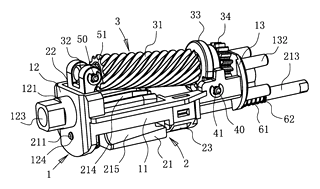
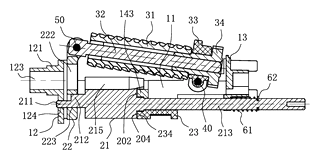
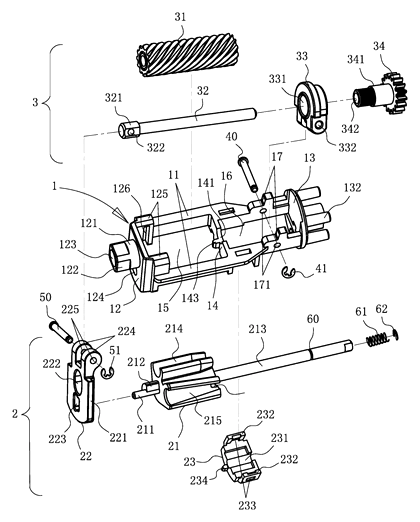
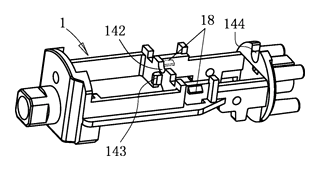
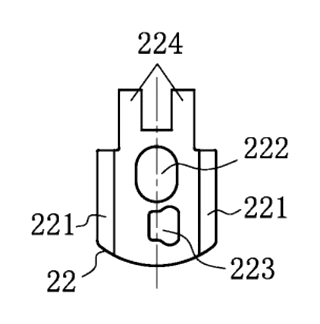
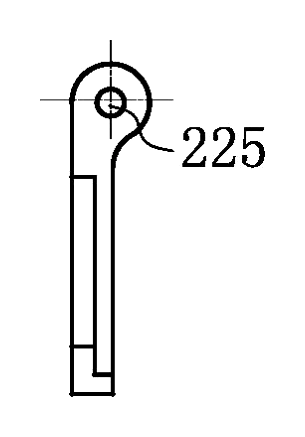
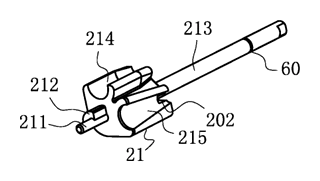
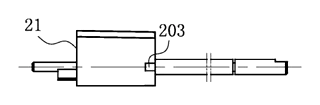
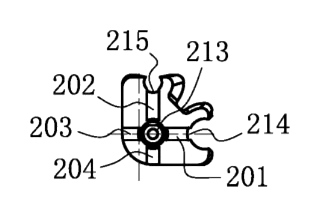
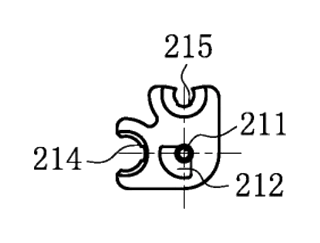
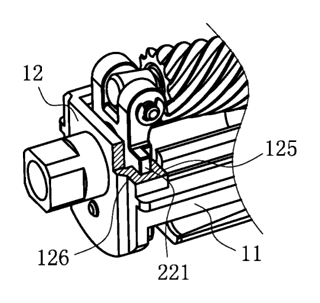
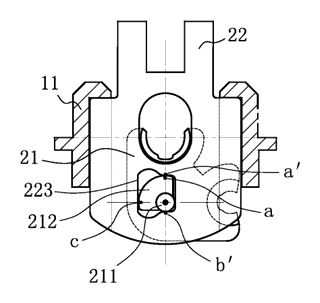
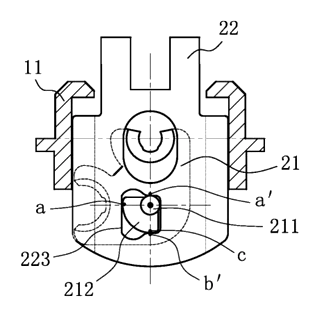
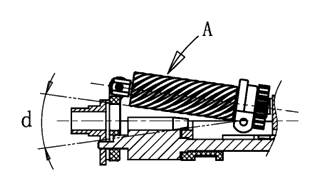
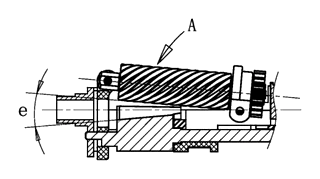
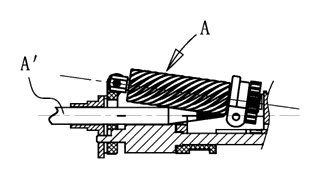
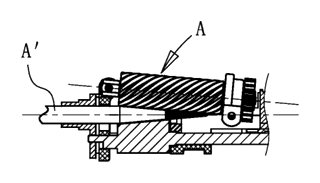
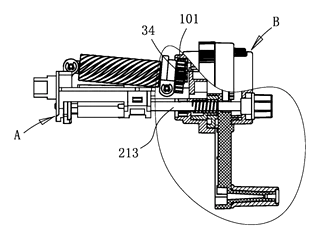
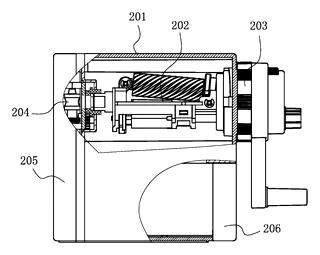
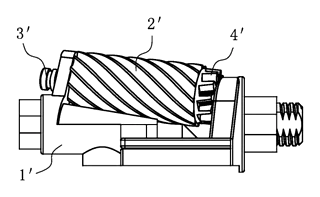
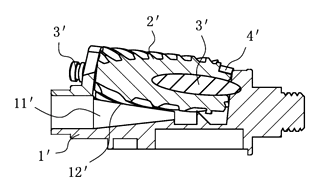
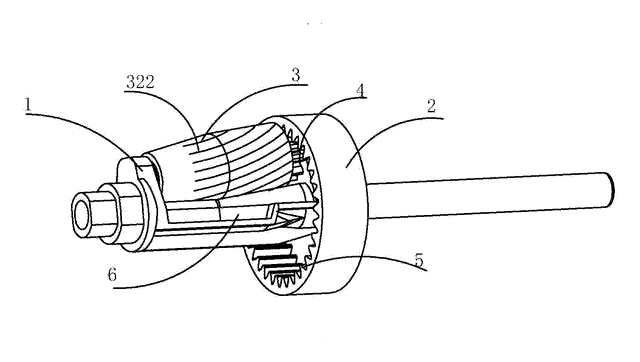
Drawings reproduced from the public patent document for reference.