
Patent CN112790566B
Updated November 8, 2026Artistic Flower Stand with Rotating Water Tank and Manual Gear Lift
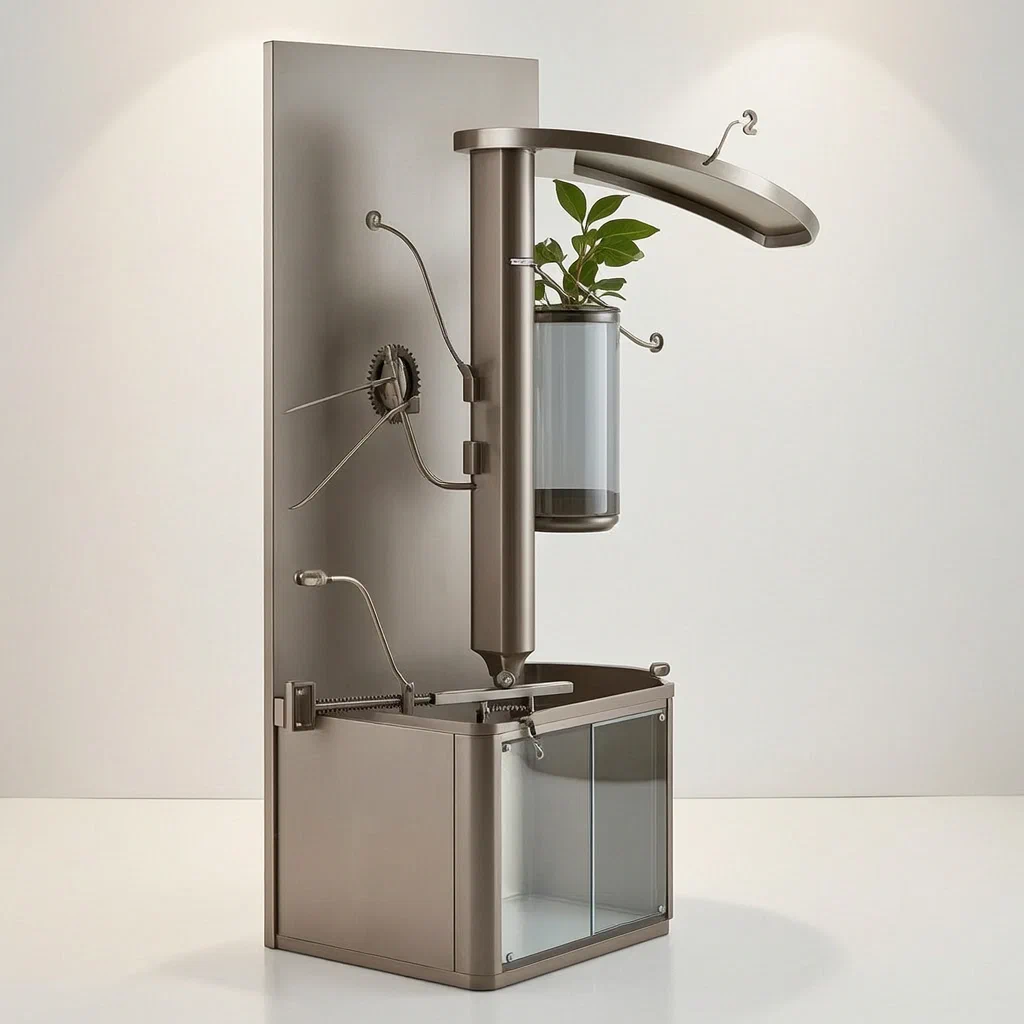
Standard static flower stands limit visibility and require lifting heavy pots to change soil or trim roots. This artistic stand solves both issues with a dual-gear system. The outer water tank rotates on a pin shaft driven by a manual rack, allowing 360-degree viewing of the floral arrangement. Inside the tank, a sealed support block rises or falls through a second gear and rack linkage connected to the same manual mechanism. This lets users adjust the plant's height relative to the water line or access the root zone without removing the tank from the stand. Limit bumps prevent over-rotation, and springs ensure the mechanisms return to their neutral positions automatically.
- China invention patent - lapsed
- No filings outside China
- Interior decor & retail display
- Gear-driven rotation and vertical lift
Splat! What let you down?
🔄
Rotating Tank
The water tank rotates on a pin shaft via a first gear and manual rack.
⬆️
Internal Lift
A second gear and rack raise the plant support block inside the tank.
🔒
Sealed Support
The moving support block uses a sealing ring to keep water contained.
🛑
Limit Bumps
Fixed bumps on the tank side prevent over-rotation of the assembly.
Bring this product to market
- ✓ Patent review Patent family and legal status reviewed in the relevant jurisdictions.
- 2 Product brief · now How it works, uses and options written up
- 3 Prototype First samples for buyers to review
- 4 Pilot run Small first batch for launch customers
- 5 Volume production Repeat orders at scale
Buyer interest
– of 100 buyers needed to start prototyping
One click, no sign-up. Each vote is one real visitor, and products with the most interest go to prototyping first.
Build team: no members yet. Need a partner, co-funding or skills to build this? Join and we introduce the team once it forms.
Patent Rights & Team Participation
Before joining a development team, participants should ensure they have the necessary rights or authorization to participate in the project.
Participation is generally appropriate where:
- You own the relevant patent rights or have obtained permission or a license from the rights holder.
- The relevant patent rights have expired or have been legally invalidated in the jurisdictions where the planned activities will take place.
- The planned development, manufacturing, and commercialization activities have been independently assessed and do not infringe applicable patent rights in the relevant jurisdictions.
Important: Being located outside a country where a patent is protected does not automatically exempt you from patent infringement risks. Patent rights may apply based on where development, manufacturing, use, sale, or import activities take place.
IP2M does not grant any patent license or authorization through team participation. Joining a project does not provide permission to use, manufacture, or commercialize patented technology.
The problem
Static flower stands in homes and retail spaces often offer only one viewing angle, making it difficult to appreciate three-dimensional arrangements. Additionally, adjusting the height of a plant within a water-filled container usually requires lifting the entire pot out, which risks spilling water and damaging delicate roots. Existing solutions either lack rotational capability or fail to provide safe, internal height adjustment without disassembly.
The solution
This design integrates two mechanical functions into one compact artistic structure.
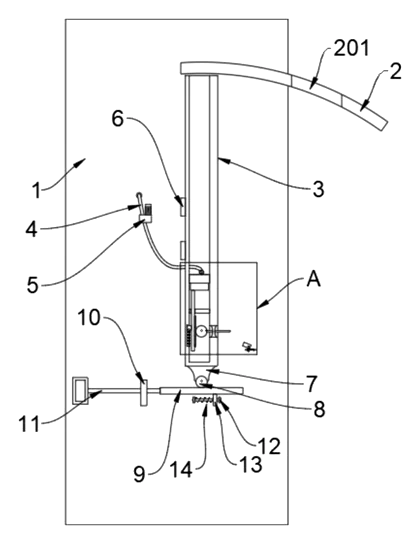
- Rotation: The water tank (3) is fixed to an ear plate (7) that rotates around a first pin shaft on the showcase (1). A first gear (8) attached to this shaft meshes with a horizontal rack rod (9), allowing the user to turn the entire tank assembly using a manual pull rod (11).
- Vertical Adjustment: Inside the tank, a support block (16) holds the plant. This block is attached to a vertical rod (18) which connects to a second rack rod (23). A second gear (24) inside the tank meshes with this second rack. When the external manual mechanism is operated, the interaction between the gears and racks causes the support block to move up or down along the vertical axis.
- Safety and Return: Limit bumps (6) on the tank side stop the rotation at specific angles. Springs (14, 21, 29) are incorporated into the reset components to ensure the racks and sliders return to their default positions when released.
Who it is for
- High-end Home Decor Brands: Selling statement pieces that combine functionality with aesthetic appeal.
- Retail Store Fixtures Suppliers: Providing interactive displays for boutique shops where customers can rotate products.
- Commercial Interior Designers: Specifying unique centerpieces for lobbies or waiting areas that require low-maintenance water features.
- Giftware Manufacturers: Creating premium desk accessories with mechanical novelty value.
How it works
The main parts
| No. | Part | What it does |
|---|---|---|
| 1 | Showcase | Base structure holding the pin shaft. |
| 2 | Arc Baffle | Decorative side panel with a leak opening (201). |
| 3 | Water Tank | Main vessel that rotates and contains the plant. |
| 7, 8 | Ear Plate & First Gear | Connects tank to shaft; enables rotation. |
| 9, 11 | First Rack & Pull Rod | Manual input for driving the rotation gear. |
| 16, 18 | Support Block & Vertical Rod | Holds the plant; moves vertically. |
| 23, 24 | Second Rack & Second Gear | Internal mechanism linking vertical movement to the drive system. |
| 14, 21, 29 | Springs | Reset components for the racks and sliders. |
Operating Steps
- Rotate the Display: Pull the external rod (11) to engage the first rack (9) with the first gear (8). This turns the water tank (3) on its axis.
- Adjust Plant Height: As the tank rotates, the internal linkage involving the second gear (24) and second rack (23) translates the motion, causing the support block (16) to rise or fall within the water column.
- Stop and Lock: Release the rod; springs return the racks to neutral. Limit bumps (6) prevent the tank from spinning beyond the intended range.
Applications
Boutique Retail Displays
In clothing or accessory stores, this stand serves as a rotating centerpiece. Customers can spin the tank to view floral arrangements from all sides, increasing engagement time near high-margin items.
Luxury Lobby Decor
Hotel lobbies and corporate reception areas use these stands as focal points. The ability to adjust the plant height internally allows staff to maintain the visual balance of the arrangement without draining the tank or handling wet pots.
Interactive Home Gardens
For enthusiasts growing sensitive aquatic plants, the vertical lift allows precise control over the root depth relative to the water surface. This feature helps optimize growth conditions without disturbing the aesthetic exterior.
Exhibition Booths
Trade show exhibitors use these units to draw attention. The mechanical movement provides a dynamic element that static displays lack, encouraging attendees to interact with the product sample placed inside.
Where it is less suitable
- Outdoor Use: The intricate gear mechanisms and exposed seals are not designed for weather resistance or dirt ingress typical of outdoor environments.
- Heavy Load Capacity: The plastic and thin metal components described in the patent are suited for small ornamental plants, not large trees or heavy ceramic pots.
- Industrial Automation: The manual operation method is inefficient for high-volume commercial settings requiring automated watering or lighting cycles.
Patent & Production
At a glance
| Patent number | CN112790566B (application CN202011642810) |
| Type | China invention patent (发明专利) |
| Original title | Artistic flower stand for interior design (一种室内设计的艺术花架) |
| Patent owner | Chongqing Water Resources and Electric Engineering College |
| Inventors | Zhang Qianwen |
| Filing date | 2020-12-30 |
| Grant date | 2022-06-07 |
| Status (China) | Lapsed - terminated for non-payment of annual fees (recorded 2024-12-27) |
| Patent family | Public record shows Chinese filings only - no US, European, Japanese, PCT or other filings listed |
| Cited by | 0 later documents |
| Source | Google Patents (search for CN112790566B) |
What the claims cover, in plain language
Claim 1 describes an artistic flower stand comprising a showcase (1) and an arc baffle (2). The key feature is a water tank (3) rotatably connected to the showcase via a first pin shaft, an ear plate (7), and a first gear (8). A manual mechanism consisting of a sliding support (10), pull rod (11), and first rack rod (9) drives the first gear. Inside the tank, a supporting mechanism includes a partition plate (19), vertical rod (18), and support block (16) with a sealing ring (17). This block is moved by a second rack rod (23) meshing with a second gear (24). The second gear is connected to an insertion rod (26) that passes through a fixed bushing (25). Limit bumps (6) restrict rotation, and multiple springs (14, 21, 29) provide reset forces for the sliders and racks.
This is a simplified reading for orientation only. The legal scope is defined by the exact claim wording in the official Chinese document.
What this means for US production
This patent was filed in China and has lapsed, so it no longer restricts anyone in China either. The public record shows no US or other foreign counterpart.
Two items deserve early attention:
- Other patents may exist. Interior decorative fixtures and mechanical display stands are a competitive field with many active patents in the US regarding rotating mechanisms and water-tight connectors. Before mass production, we advise a freedom-to-operate (FTO) review.
- Mechanical Complexity. The dual-gear system requires precise alignment of the pin shafts and racks. Tolerances must be tight to ensure smooth rotation without jamming, which impacts tooling costs.
Customization and manufacturing
What can be customized
| Area | Options |
|---|---|
| Materials | Acrylic, aluminum extrusion, or sheet metal for the showcase and tank. |
| Finish | Powder coating, anodizing, or polished acrylic edges. |
| Dimensions | Tank capacity and overall height scaled for different room sizes. |
| Gears | Injection molded nylon or POM for quiet operation. |
| Seals | Type of rubber gasket used for the support block (16). |
Things to plan for (US market)
- CPSC Safety Standards: Ensure no sharp edges on the arc baffle (2) or protruding pins. Small parts must be secured to avoid choking hazards if marketed to households with children.
- Material Compliance: If used in food-adjacent retail spaces, materials should meet FDA guidelines for incidental contact, though this is primarily a decorative item.
- Packaging: Flat-pack designs reduce shipping volume but increase assembly complexity. Consider pre-assembled options for premium tiers.
How a project runs
- Inquiry - Define target dimensions, material preferences, and quantity.
- Design - CAD modeling of the gear ratios and seal interfaces.
- Prototype - 3D printed models for fit check; machined samples for load testing.
- Pilot Run - Assembly trials to verify spring tension and rotation smoothness.
- Production - Injection molding for plastic parts; CNC or stamping for metal components; final assembly.
Quantities & timeline
Tooling for injection molds (gears, sliders) and cutting dies (sheet metal baffles) takes several weeks. Prototyping focuses on verifying the waterproof seal integrity during vertical movement. Send us your desired dimensions, material choice, estimated quantity and target price and we will reply with options.
Production notes
Tooling and process
Injection molding is likely required for the complex gear shapes (8, 24) and slider blocks (13, 28). Sheet metal fabrication or aluminum extrusion would typically be used for the showcase frame (1) and baffle (2). Acrylic forming might be chosen for the water tank (3) to maintain visibility.
Cost drivers
The high part count from the multi-spring and dual-rack system likely increases assembly labor. Surface finish quality on visible metal or acrylic components typically has a significant effect on cost. Packaging volume is another likely driver, as bulky assembled units ship poorly compared to flat-packed kits.
Prototyping path
Start with a 3D model and load check to simulate the gear interaction. Produce a cut and bent sample of the metal frame. Assemble a functional prototype to test the sealing surface and gasket compression under vertical movement. A flat-pack trial would typically follow, to assess user assembly difficulty.
What we would change before tooling
We would likely simplify the reset mechanism if possible; the current design uses three separate spring systems (14, 21, 29) which adds part count. We would typically verify the alignment tolerance for the first pin shaft to prevent wobbling during rotation, and consider replacing the complex insertion rod (26) linkage with a simpler direct-drive shaft if feasible.
Common failure points
Shaft and bearing alignment is critical; misalignment causes binding. Spring fatigue and rate consistency affect the return-to-neutral function. Sealing surface and gasket compression must withstand repeated vertical travel without leaking. Acrylic cracking could occur if the tank is stressed during rotation. Insufficient load capacity may result if the vertical rod (18) is too thin for larger plants.
Patent drawings
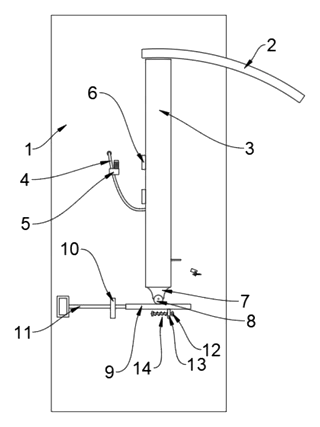
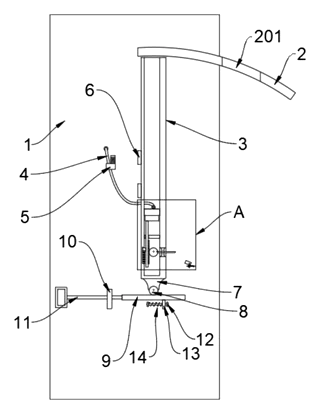
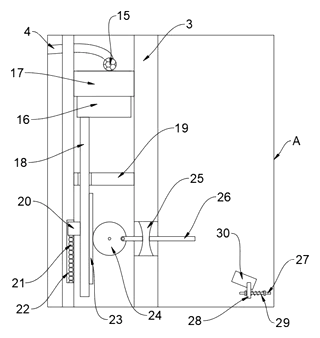
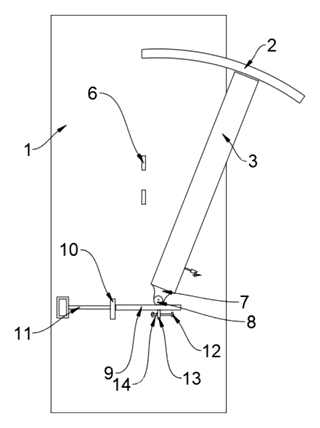
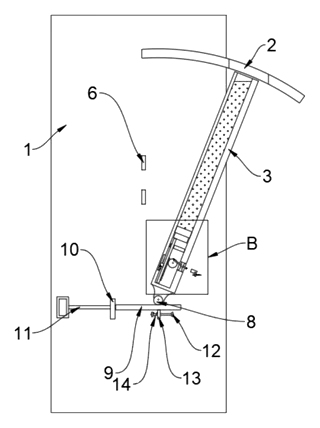
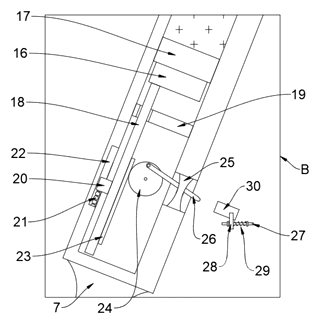
Drawings reproduced from the public patent document for reference.
Frequently asked questions
How does the rotation work?
The water tank is attached to a central pin shaft. A gear on this shaft meshes with a rack rod connected to a manual pull handle. When you pull the handle, the rack turns the gear, rotating the entire tank assembly smoothly.
Can I change the plant height easily?
Yes. The internal support block moves up and down via a second gear and rack system linked to the main drive. You can adjust the plant’s position relative to the water level without removing the tank or getting your hands wet.
Is the water tank sealed?
The support block has a sealing ring that fits tightly against the inner wall of the tank. This prevents water from leaking into the mechanical housing below the tank. However, the tank itself is open at the top for planting.
What materials are best for this?
Acrylic is common for the tank to show off the roots and water. Aluminum or powder-coated steel works well for the showcase base and baffle to ensure stability and a premium look. Gears are typically made from durable, self-lubricating plastics like POM.
Does it require maintenance?
Occasional cleaning of the gears and rails is needed to prevent dust buildup. Check the sealing rings periodically for wear to ensure no leaks occur during the vertical adjustment movement.
Can this design be made and sold in the US?
The patent was filed in China and has lapsed, and the public record shows no US counterpart, so it does not restrict the design in the US or in China. However, decorative mechanical items may be covered by other US patents - see Patent & Production - so we recommend a freedom-to-operate check before volume production.
Are you affiliated with the patent owner?
No. IP2M is an independent design and manufacturing service working from the public patent document.
Request a quote
Click Request a Quote below to see our email address - copy it, or open your email app with a ready-made message. Please mention patent CN112790566B in the subject.
Helpful details to include:
- Your company and channel (home decor brand, retail fixture supplier, giftware manufacturer)
- Target dimensions (tank diameter, total height)
- Material preferences (acrylic, metal, wood accents)
- Finish requirements (color, texture)
- Estimated quantity and target price
- Timeline - when you would like samples and the first shipment
You can also reach us at (332) 203-9997.
Page editor: Emily Zhang, Product Editor · IP2M
Last updated November 8, 2026. If something on this page looks wrong, email [email protected] and we will check it against the patent.
Interested in building this?
Tell us your target market, quantity and timeline. We reply with options for prototyping, small-batch runs or volume production.
Send your inquiry to
Please put CN112790566B in the subject line and tell us your company, country, estimated quantity and timeline.
Prefer to talk? Call (332) 203-9997.
More product-ready patents
All Retail Display patents →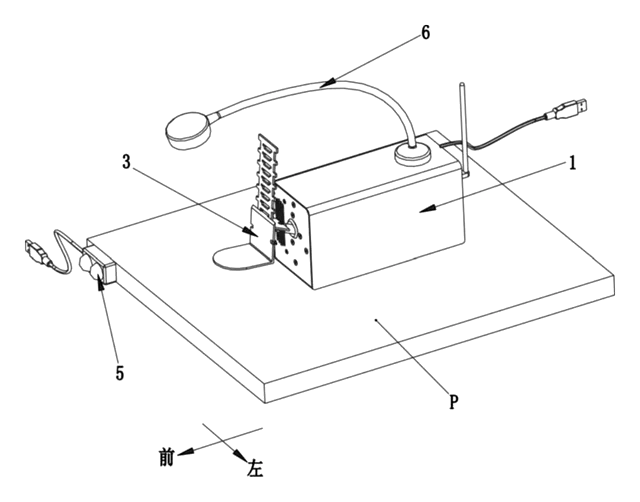
Retail Display
Motorized Shelf Display That Presents a Product to Shoppers
Shelf unit that lifts a product over the price rail toward shoppers when a sensor detects them.
Patent CN215077184U
Retail Display
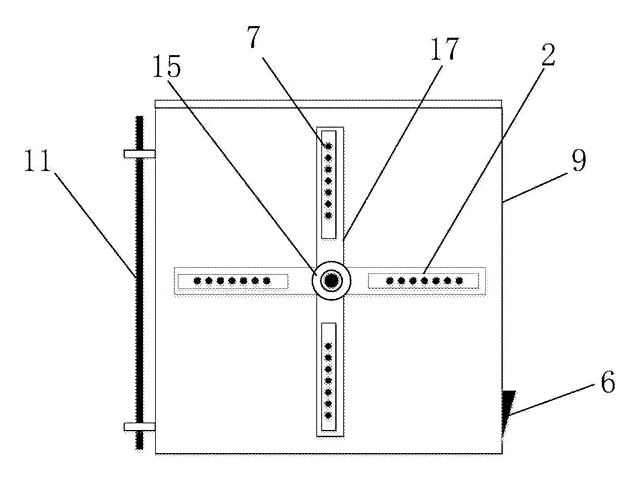
Portable Advertising Light Box with Spinning LED Display
Portable ad box whose spinning LED bars draw images and text; content changes by wireless or USB.
Patent CN207425291U
Retail Display
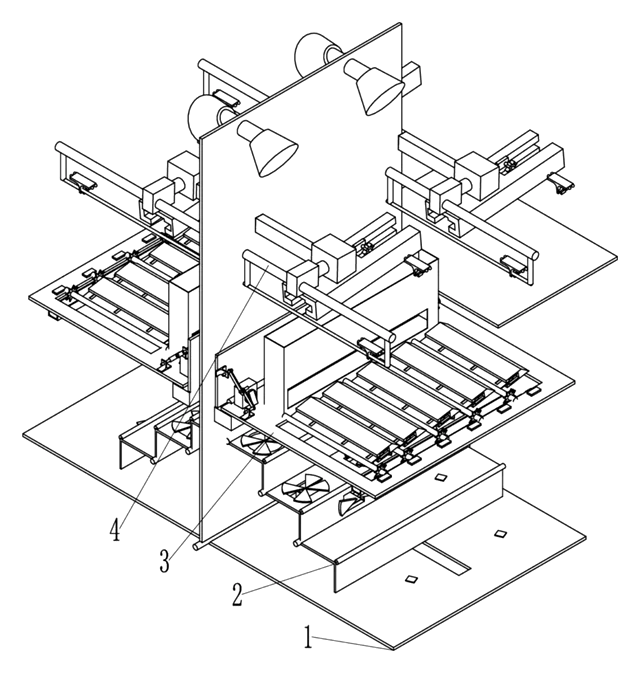
Automated Folding Store Shelf That Pushes Products Up to the Customer
Double-sided shelf for unmanned stores: folding tiers, screw pushers and lift cylinders present stock.
Patent CN109645754B
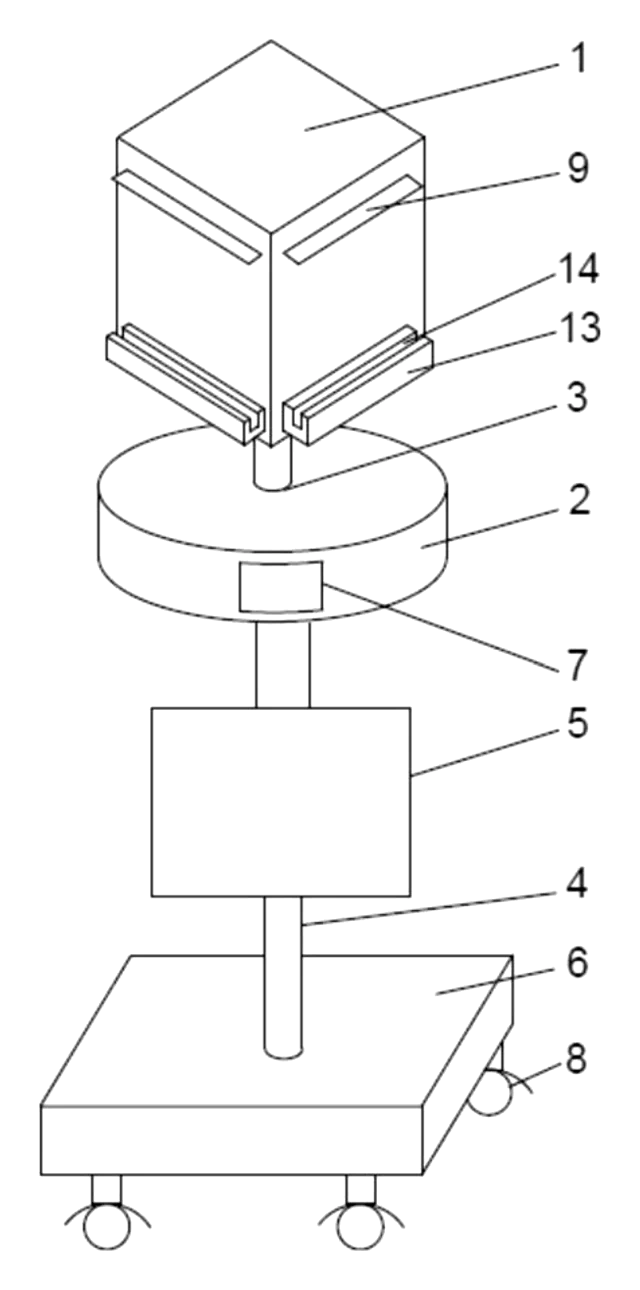
Retail Display
Motorized Rotating Display Pedestal with Lift Column, Info Screen and Clip-On Display Racks
Mobile pedestal: motorized rotating cube with lit faces and racks, electric lift column and info screen.
Patent CN208875862U
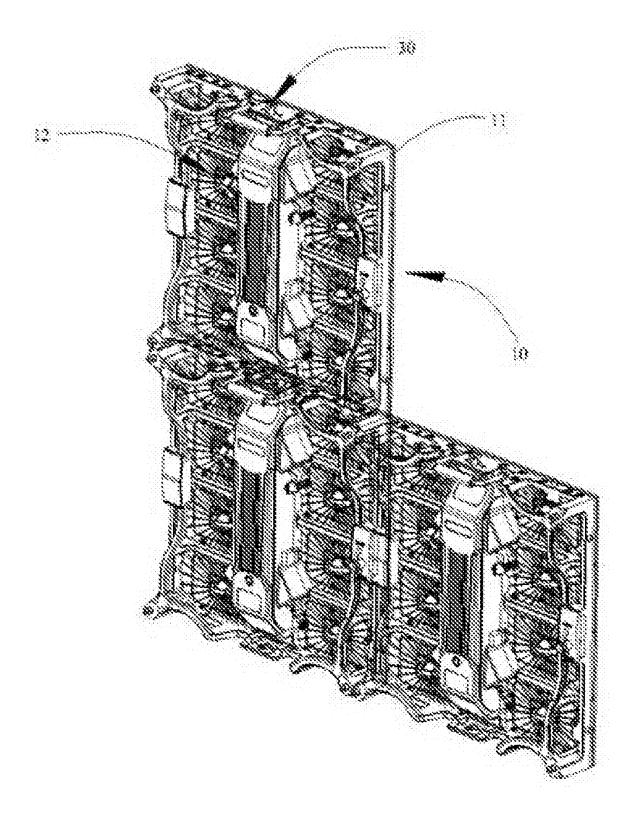
Retail Display
Thin Outdoor LED Video Wall Cabinet with Magnetic Modules and Tool-Free Locks
Thin outdoor LED wall cabinet: magnetic modules and rear body, rotary locks, finned rear cooling.
Patent CN205354557U
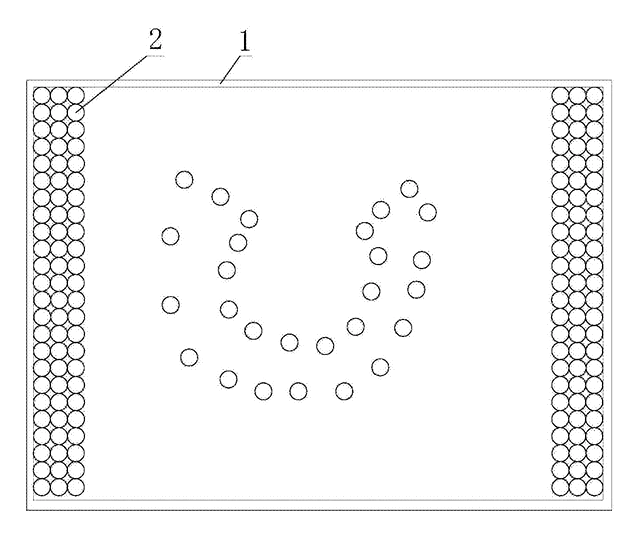
Store & Display
Magnetically Repositionable LED Advertising Panel
LED panel whose lamp beads slide to new positions via an external electromagnet.
Patent CN205487209U
Browse by category
- Apparel & Accessories (50)
- Baby & Kids (29)
- Bags & Luggage (17)
- Bath & Personal Care (33)
- Car Accessories (26)
- Furniture, Bedding & Storage (25)
- Garden & Outdoor (34)
- Health & Wellness (14)
- Home, Kitchen & Cleaning (52)
- Lighting (24)
- Packaging & Containers (13)
- Pet Products (12)
- Phone & Camera Accessories (9)
- Retail Display (26)
- School, Office & Art (38)
- Sports & Recreation (48)
- Tools & Workshop (56)
- Toys & Games (23)
This page is based on the public patent document CN112790566B, assigned to Chongqing Water Resources and Electric Engineering College. IP2M is an independent manufacturing service and is not affiliated with, endorsed by or licensed by the patent owner. Images marked as concept renderings are illustrations, not photos of an existing product. Patent status information is provided for reference only and is not legal advice; confirm freedom to operate for your market before production. Full disclaimer.