
Patent CN112889773B
Updated October 31, 2026Garden Pest Control Lamp with Rainwater Cleaning and Irrigation
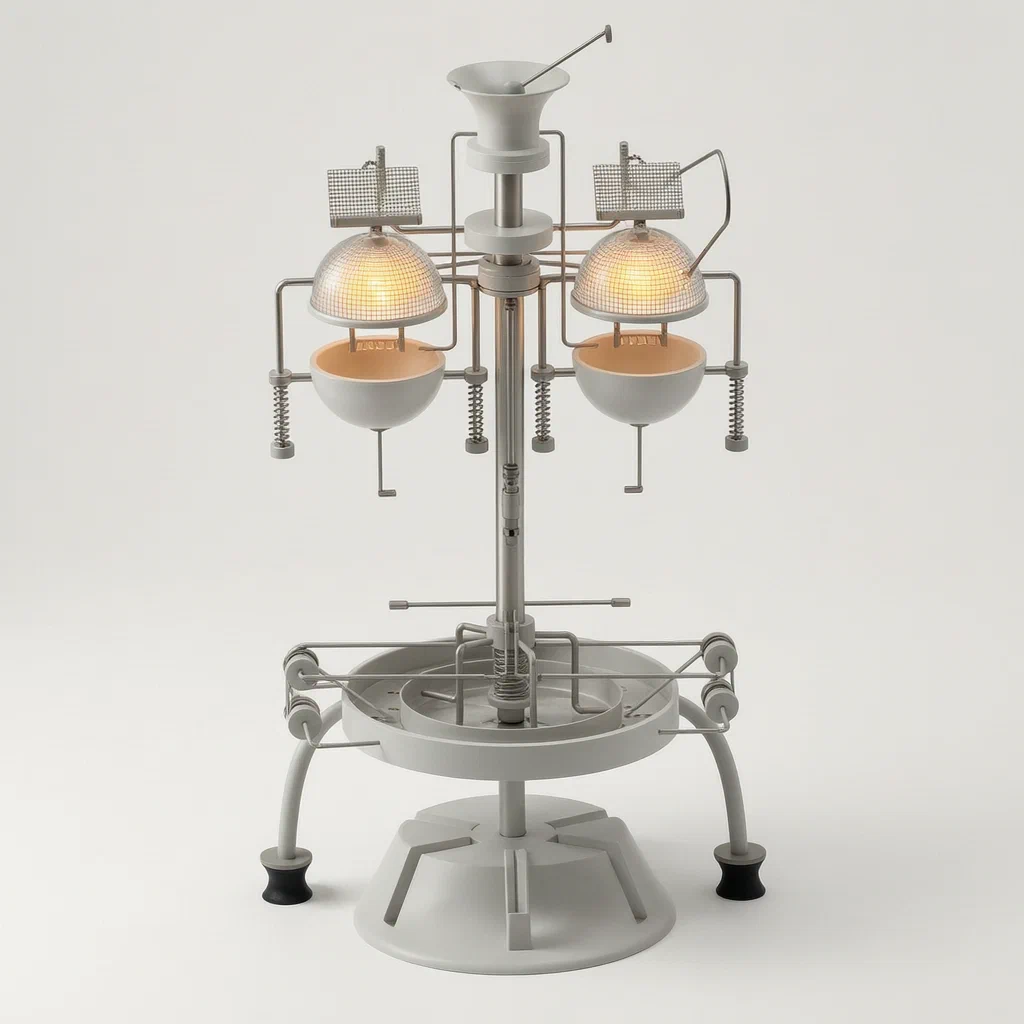
Standard bug lights require frequent manual cleaning, which is inconvenient for large gardens. This design automates the process. When it rains, water collected in the upper frame flows down to wash the insect collection area. Simultaneously, the filtered water can be directed to irrigate plants. The lamp's height adjusts via air cylinders to optimize the capture zone, making it suitable for both pest reduction and garden maintenance.
- China invention patent - active
- No filings outside China
- Garden & landscape lighting
- Integrated rainwater cleaning and irrigation
Splat! What let you down?
💡
Adjustable Attraction Zone
Air cylinders move the lamp shade up and down to cover different heights.
🌧️
Rainwater Self-Cleaning
Collected rain flows through the mechanism to wash away dead insects automatically.
🌿
Irrigation Integration
Filtered water from the cleaning cycle can be used to spray nearby plants.
🛡️
Mosquito Repellent
Electric repellent devices under the shade target flying pests attracted by light.
Bring this product to market
- ✓ Patent vetted China-only family and legal status checked
- 2 Product brief · now How it works, uses and options written up
- 3 Prototype First samples for buyers to review
- 4 Pilot run Small first batch for launch customers
- 5 Volume production Repeat orders at scale
Buyer interest
– of 100 buyers needed to start prototyping
One click, no sign-up. Each vote is one real visitor, and products with the most interest go to prototyping first.
Build team: no members yet. Need a partner, co-funding or skills to build this? Join and we introduce the team once it forms.
The problem
Outdoor garden lamps often serve two separate purposes: illumination and pest control. Traditional bug traps accumulate dead insects quickly, requiring regular manual cleaning, which is difficult when the lamp is mounted high or in remote garden areas. Additionally, many garden setups lack an efficient way to utilize natural resources like rainwater for irrigation. Separating these functions leads to higher maintenance costs and missed opportunities for sustainable water use.
The solution
This design combines a mosquito-repellent lamp with a self-cleaning and irrigation system.
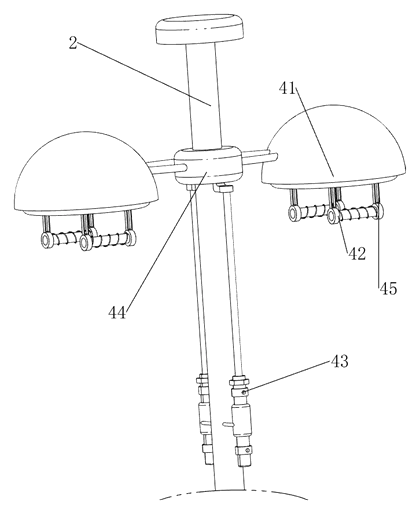
- A street lamp base (1) supports a vertical bracket (2).
- At the top, a water collecting frame (3) captures rainwater.
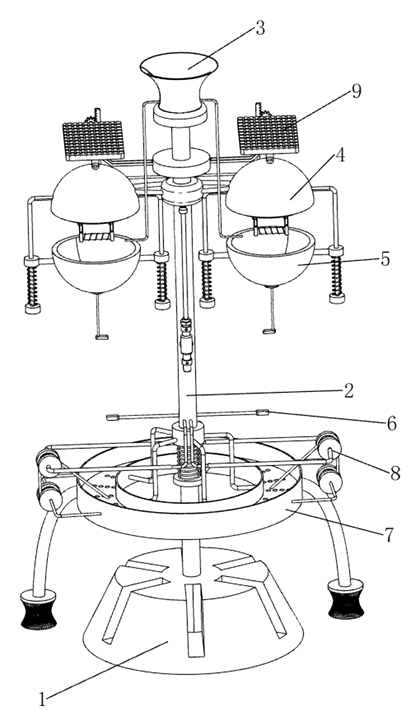
- Below this, a mosquito-repellent mechanism (4) hangs from a sliding sleeve (44).
- Two air cylinders (43) drive the sliding sleeve, adjusting the height of the lamp shades (41).
- Under the shades, repellents (42) attract and kill insects.
- A cleaning mechanism (5) sits below the shades. It includes a first collecting frame (52) where dead insects fall.
- Rainwater from the top flows into this frame, washing the debris into a discharging mechanism (6).
- A spraying mechanism (7) with a screening mechanism (8) filters the water for plant irrigation.
Who it is for
- Landscape architects designing integrated smart-garden fixtures that reduce maintenance needs.
- Garden equipment brands looking to differentiate their lighting products with eco-friendly features.
- Municipal park managers who need durable, low-maintenance pest control solutions for public spaces.
- Homeowners with large yards seeking automated ways to manage mosquitoes without constant manual cleaning.
How it works
The main parts
| No. | Part | What it does |
|---|---|---|
| 1, 2 | Base and Bracket | Structural support for all components. |
| 3 | Water Collecting Frame | Captures rainwater at the top of the unit. |
| 41 | Lamp Shade | Houses the light source; emits light to attract insects. |
| 42 | Repellent Device | Electrically kills insects drawn to the light. |
| 43, 44 | Cylinders and Sleeve | Adjusts the vertical position of the lamp assembly. |
| 52 | First Collecting Frame | Catches falling insects; receives rainwater for cleaning. |
| 6 | Discharging Mechanism | Removes washed debris using contact blocks and springs. |
| 7, 8 | Spraying and Screening | Filters water and sprays it onto plants for irrigation. |
Operating steps
- Attraction: At night, the lamp shades (41) emit light. Insects fly toward the light due to phototaxis.
- Elimination: The electric repellent devices (42) kill the approaching insects.
- Collection: Dead insects fall by gravity into the first collecting frame (52).
- Height Adjustment: Air cylinders (43) extend or retract to move the sliding sleeve (44), changing the coverage area.
- Cleaning: During rain, water collected in the top frame (3) flows down into the collecting frame (52), washing away accumulated insects.
- Discharge: The discharging mechanism (6) helps clear the washed debris.
- Irrigation: Filtered water passes through the screening mechanism (8) and is sprayed by the watering cans (73) onto nearby plants.
Applications
Residential Gardens
Homeowners can install this lamp near patios or flower beds. It reduces mosquito bites during evening hours while keeping the trap clean automatically when it rains.
Public Parks
Municipalities can deploy these units along walkways. The self-cleaning feature reduces labor costs for maintenance crews who would otherwise need to empty traps manually.
Agricultural Greenhouses
Growers can use the integrated irrigation function. The lamp controls flying pests near crops, and the filtered water can help maintain humidity or irrigate seedlings in controlled environments.
Resort Landscaping
Hotels and resorts benefit from the aesthetic integration. The device provides lighting, pest control, and plant care in a single fixture, enhancing guest experience without visible clutter.
Where it is less suitable
- Indoor Use: The rainwater collection and discharge systems are designed for outdoor exposure.
- High-Wind Areas: The adjustable height mechanism may require additional stabilization in extreme weather conditions not specified in the patent.
- Pure Lighting Needs: If pest control and irrigation are not required, standard LED garden lights are simpler and cheaper.
Frequently asked questions
How does the self-cleaning work?
The lamp has a water-collecting frame at the top. When it rains, water flows down into the area where dead insects are collected. This flow washes the debris out through a discharge mechanism, reducing the need for manual cleaning.
Can I adjust the height of the light?
Yes. The design uses air cylinders to move the lamp shades up and down along the bracket. This allows you to change the vertical range of insect attraction based on plant height or wind conditions.
Does it require electricity?
The patent describes electric repellent devices (42) and lamp shades (41). These components require a power source. You can customize the design to include solar panels or batteries, but the core functionality relies on electrical activation for the light and killer grid.
Is the water safe for plants?
The patent includes a screening mechanism (8) with a filter screen. This filters out solid debris from the collected rainwater before it is used in the spraying mechanism (7) for irrigation. Specific chemical safety depends on the materials used in the collection tank and pipes.
How do I install it?
It is designed as a standalone garden fixture with a heavy base (1). Installation involves placing it on level ground near plants. If mounting to a wall or post, additional brackets may be needed as the patent focuses on the freestanding structure.
What happens if it doesn’t rain?
If there is no rain, the cleaning mechanism remains inactive. You may need to manually flush the collecting frame with a hose occasionally to prevent buildup, depending on the local climate and insect activity levels.
Can this design be made and sold in the US?
The patent is filed only in China and is in force there. There are no corresponding US patents for this specific combination of features. However, you should conduct a freedom-to-operate search to ensure no existing US patents cover the electric grid or irrigation components individually.
Are you affiliated with the patent owner?
No. IP2M is an independent design and manufacturing service working from the public patent document.
Request a quote
Click Request a Quote below to see our email address - copy it, or open your email app with a ready-made message. Please mention patent CN112889773B in the subject.
Helpful details to include:
- Your company and channel (landscape brand, garden retailer, municipal supplier)
- Power preference (AC, DC, Solar)
- Target height range for the adjustable shades
- Material finish (color, metal type)
- Estimated quantity and target price
- Timeline - when you would like samples and the first shipment
You can also reach us at (332) 203-9997.
Explore this product
Interested in building this?
Tell us your target market, quantity and timeline. We reply with options for prototyping, small-batch runs or volume production.
Send your inquiry to
Please put CN112889773B in the subject line and tell us your company, country, estimated quantity and timeline.
Prefer to talk? Call (332) 203-9997.
More product-ready patents
All Garden & Outdoor patents →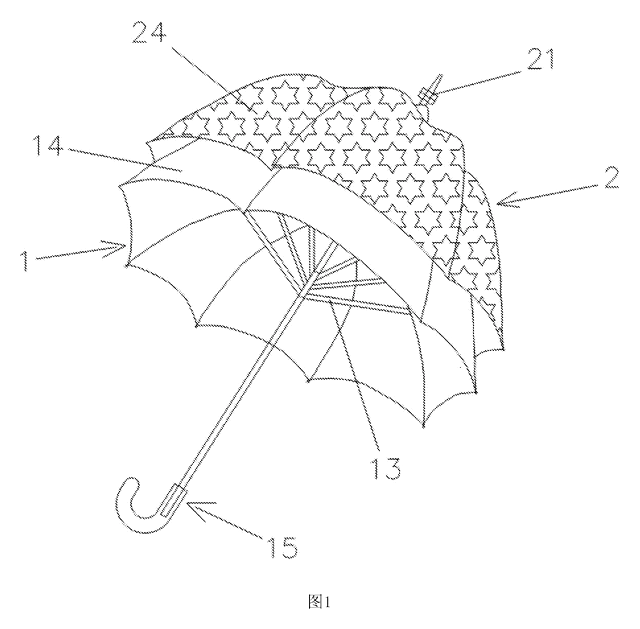
Garden & Outdoor
2-in-1 Parent & Child Umbrella
Full-size umbrella with a nested smaller umbrella on top - a rotating decorative layer that detaches into a kid-size umbrella.
Patent CN205611962U
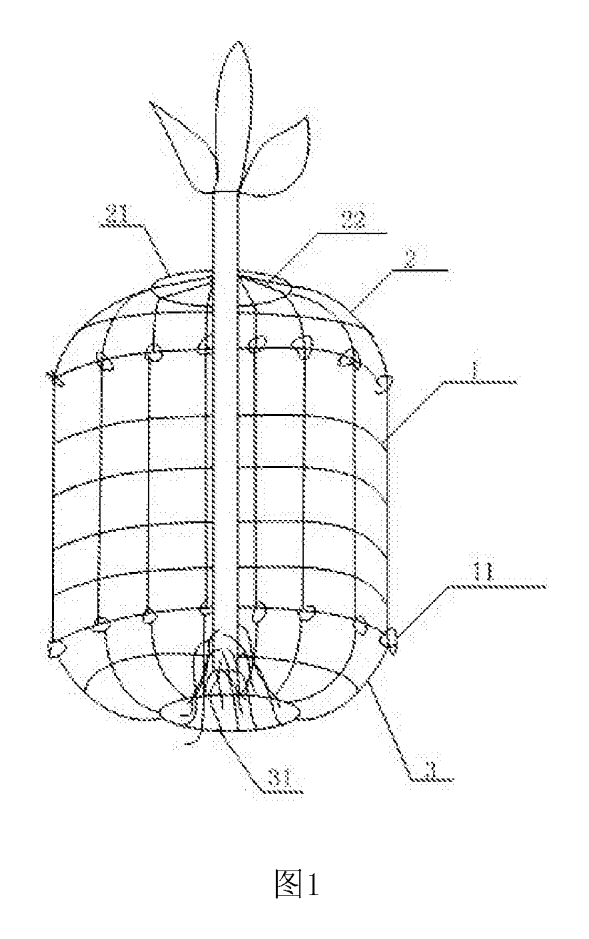
Garden & Outdoor
Wire-Mesh Tree Root & Trunk Guard Against Rodents
Three-part wire-mesh guard that protects the roots and lower trunk of young trees from burrowing and gnawing animals.
Patent CN206808261U
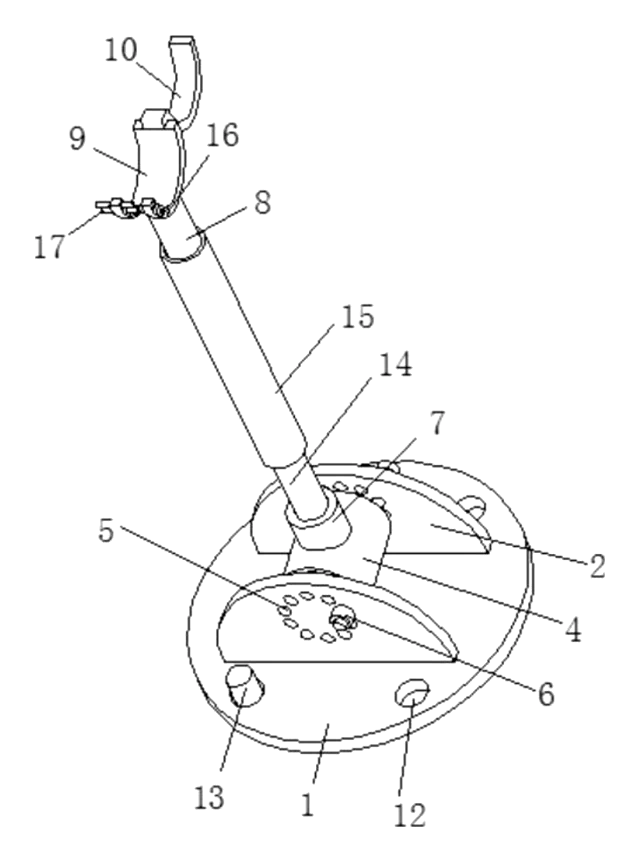
Garden & Outdoor
Adjustable-Angle Tree Support Prop
Tree prop with a pinned base, angle-locking hinge, twist-adjust tube and a locking trunk ring.
Patent CN208370491U
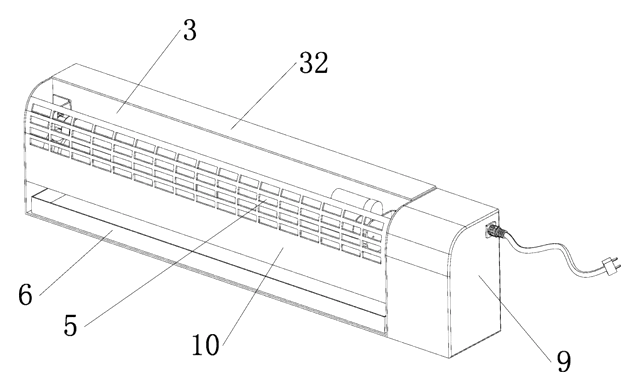
Garden & Outdoor
Self-Renewing Glue-Roller Mosquito Trap
UV insect trap with a glue roller that re-coats itself and scrapes the catch into a tray - no glue boards.
Patent CN217038569U
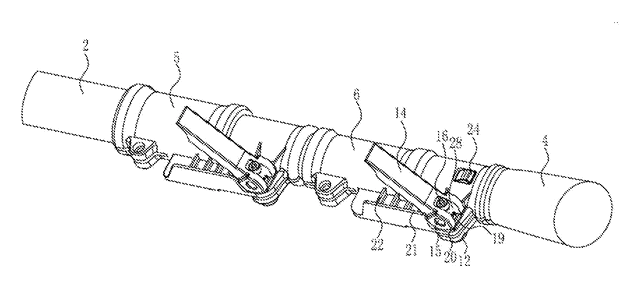
Garden & Outdoor
Cam-Lock Telescopic Pole for Garden Power Tools
Telescopic pole for garden power tools with cam-lever locks and a spring-button, tear-drop head socket.
Patent CN205812889U
Garden & Outdoor
Mosquito Fan That Listens for Mosquitoes Before It Sprays
Fan with a scanning microphone dish that mists repellent only when it hears mosquitoes.
Patent CN208708542U
Browse by category
- Apparel & Accessories (25)
- Baby & Kids (18)
- Bags & Luggage (12)
- Bath & Personal Care (18)
- Car Accessories (14)
- Furniture, Bedding & Storage (13)
- Garden & Outdoor (21)
- Health & Wellness (9)
- Home, Kitchen & Cleaning (28)
- Lighting (14)
- Packaging & Containers (7)
- Pet Products (6)
- Phone & Camera Accessories (5)
- Retail Display (15)
- School, Office & Art (21)
- Sports & Recreation (27)
- Tools & Workshop (32)
- Toys & Games (14)
This page is based on the public patent document CN112889773B, assigned to Quanzhou Lihui Home Appliances Co ltd. IP2M is an independent manufacturing service and is not affiliated with, endorsed by or licensed by the patent owner. Images marked as concept renderings are illustrations, not photos of an existing product. Patent status information is provided for reference only and is not legal advice; confirm freedom to operate for your market before production. Full disclaimer.