
Patent CN112896076B
Updated November 4, 2026Lightweight Double-Layer Battery Box with Integrated Boarding Step for Commercial Vehicles
Commercial vehicles often struggle with heavy, bulky battery boxes that complicate maintenance and access. This design integrates the battery housing with a boarding step, saving space and weight. The double-layer configuration maximizes energy capacity within a compact footprint, while the stamped steel frame ensures durability against road vibrations. Injection-molded plastic covers protect the batteries without adding significant mass, making it suitable for fleets requiring efficient cargo loading and reliable power storage.
- China invention patent - In force
- No filings outside China
- Commercial vehicle accessories
- High-strength steel frame, ABS/PC covers
Splat! What let you down?
🚛
Integrated Boarding Step
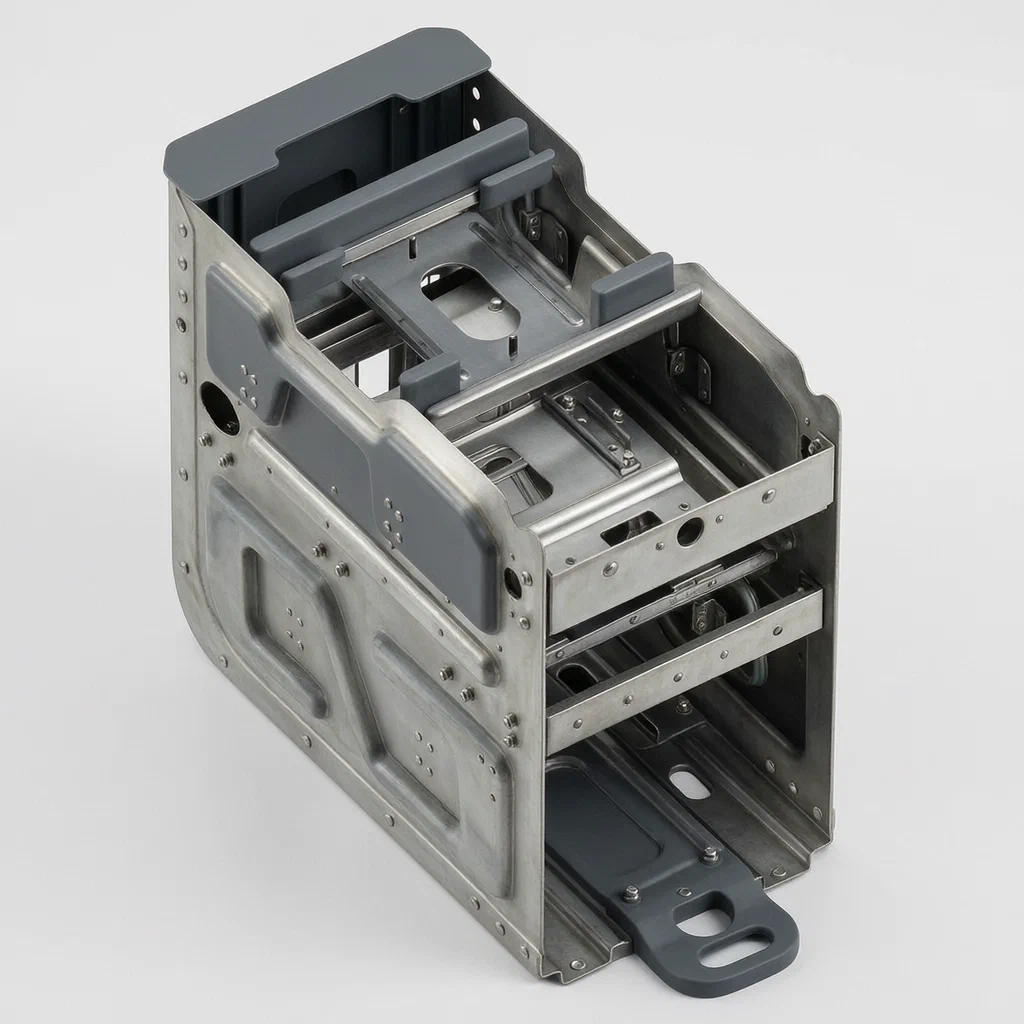
The battery box structure includes a cast high-strength step for driver access.
⚖️
Lightweight Design
Stamped steel frame with cutouts and molded plastic covers reduce total weight.
🔋
Double-Layer Capacity
Two tiers of batteries are secured independently to maximize space efficiency.
🛡️
Vibration Resistance
Pressure plates and limiters prevent battery shift during acceleration and braking.
Bring this product to market
- ✓ Patent vetted China-only family and legal status checked
- 2 Product brief · now How it works, uses and options written up
- 3 Prototype First samples for buyers to review
- 4 Pilot run Small first batch for launch customers
- 5 Volume production Repeat orders at scale
Buyer interest
– of 100 buyers needed to start prototyping
One click, no sign-up. Each vote is one real visitor, and products with the most interest go to prototyping first.
Build team: no members yet. Need a partner, co-funding or skills to build this? Join and we introduce the team once it forms.
The problem
Commercial vehicles require substantial electrical capacity for starting systems, lighting, and auxiliary equipment. Traditional battery boxes are often single-layer, bulky, and constructed entirely from metal, adding unnecessary weight to the chassis. Furthermore, accessing the cab of a high-chassis truck can be difficult for drivers, requiring separate steps or climbing aids that add complexity to the vehicle’s exterior. Existing solutions frequently lack secure retention mechanisms for multiple batteries, leading to vibration-induced wear or disconnection during rough road conditions. There is a need for a consolidated unit that provides dual-tier battery storage, structural rigidity, and integrated ergonomic access without compromising payload capacity.
The solution
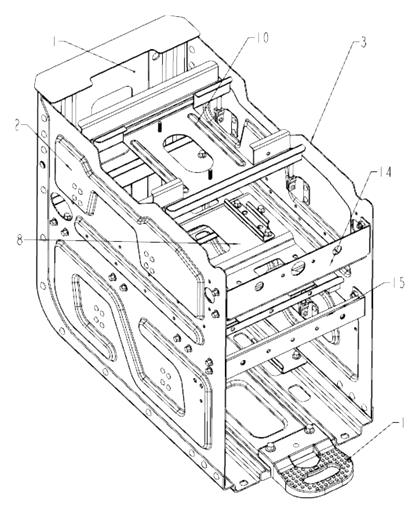
- Main Frame Structure: The core component is a main frame stamped from a single piece of high-strength steel plate into an L-shape. Stress-bearing areas feature pressed grooves for added rigidity, while non-load-bearing sections include cutouts to reduce weight.
- Side Panels: Left and right side panels, also stamped from high-strength steel, are riveted to the main frame. These panels contain holes for binding internal wiring harnesses and provide additional structural stiffness.
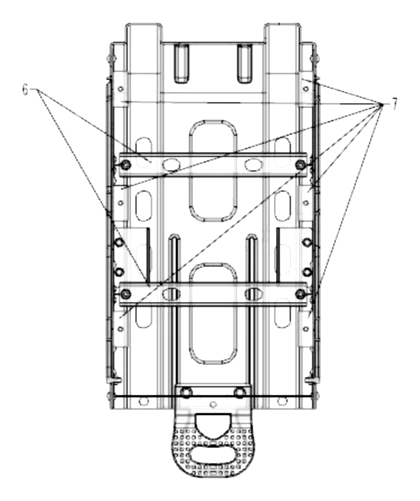
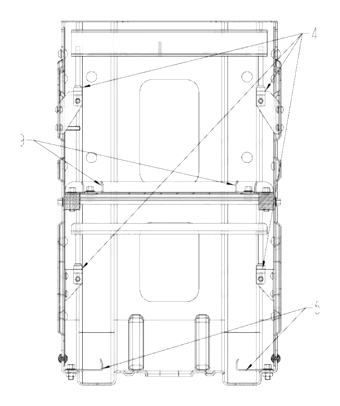
- Battery Retention System: The box supports two layers of batteries. Lower batteries are limited by brackets bolted to the main frame, while upper batteries rest on a corrugated tray supported by fixed blocks. Pressure plates, connected via long-threaded hooks, secure both layers vertically to prevent displacement from bumps.
- Integrated Boarding Step: A cast high-strength step with a Z-shaped cross-section is bolted to the support plate at the bottom of the main frame. It features anti-slip protrusions and serves as both a functional step and a structural brace.
- Enclosure Covers: An injection-molded lower cover snaps onto the frame using tapered guide joints. An L-shaped upper cover, also molded from lightweight material, secures over the top. Hand-tightened studs connect the covers to the frame, allowing quick maintenance access.
Who it is for
- Commercial Vehicle Manufacturers: Brands producing trucks and buses looking to integrate battery storage and cab access into a single modular component to save assembly time.
- Fleet Operators: Logistics companies managing large fleets where vehicle weight impacts fuel efficiency and maintenance costs; this design reduces dead weight.
- Aftermarket Parts Suppliers: Distributors serving the heavy-duty truck sector who need robust, standardized battery enclosures that fit existing chassis mounting points.
- Specialty Vehicle Builders: Companies converting chassis for mobile workshops or emergency services that require secure, accessible power storage and easy entry points.
How it works
The main parts
| No. | Part | What it does |
|---|---|---|
| 1 | Main Frame | Stamped high-strength steel L-shape; primary load bearer. |
| 2, 3 | Side Panels | Riveted to frame; house wiring and add stiffness. |
| 4 | Pressure Plate Hooks | Threaded rods with rotating pivots; clamp batteries. |
| 5, 9 | Battery Limiters | Metal bent brackets; prevent lateral shift. |
| 6, 10 | Pressure Plates | Metal bent plates; prevent vertical shift. |
| 7 | Fixed Blocks | Internal threads; mount the battery tray. |
| 8 | Battery Tray | Corrugated metal; supports upper layer batteries. |
| 11 | Boarding Step | Cast high-strength material; anti-slip surface. |
| 12, 13 | Covers | Molded plastic; protect batteries from elements. |
| 14, 15 | Brackets | Mounting points for cover and switch. |
Operating Steps
- Mounting: The entire assembly connects to the vehicle chassis longitudinal beams via transition brackets.
- Installation: Batteries are placed in the lower compartment, then the upper tray is secured. Batteries are loaded onto the tray.
- Securing: Limiters are bolted to constrain horizontal movement. Pressure plates are lowered and tightened using nuts on the threaded hooks to clamp batteries vertically.
- Closing: The lower cover snaps into place. The upper cover slides over the frame and is locked with hand-tightened studs.
- Access: Drivers use the integrated step to enter the cab. Maintenance personnel unscrew the studs to remove the upper cover for battery replacement.
Applications
Long-Haul Freight Trucks
Drivers need frequent access to the cab for rest periods. The integrated step eliminates the need for separate ladders, while the double-layer box supports extended electrical loads for refrigeration units or logging devices without exceeding axle weight limits.
Urban Delivery Vans
High-frequency stops require durable components. The rubber-padded interior protects batteries from constant vibration. The lightweight construction improves fuel economy in stop-and-go traffic scenarios.
Construction Equipment Chassis
Heavy machinery operates in dusty and wet environments. The sealed plastic covers protect terminals from debris. The robust steel frame withstands impacts from uneven terrain better than all-plastic housings.
Emergency Response Vehicles
Quick deployment is critical. The hand-tightened studs allow rapid battery swapping without tools. The secure locking mechanism prevents batteries from shifting during high-speed transit to incident scenes.
Where it is less suitable
- Passenger Cars: The size and weight of the commercial-grade steel frame are excessive for standard sedans or hatchbacks.
- Marine Applications: While protected, the design lacks specific corrosion-resistant coatings required for saltwater immersion.
- Single-Battery Systems: Vehicles with minimal electrical needs may find the double-layer structure unnecessarily complex and costly.
Frequently asked questions
Why is it called a “double-layer” box?
The design stacks two sets of batteries vertically. The lower layer sits directly on the frame, while the upper layer rests on a corrugated metal tray. This allows more power storage in the same floor space compared to a single-row arrangement.
How does the boarding step work?
It is a cast component bolted to the bottom support plate of the main frame. It features a Z-shaped cross-section with anti-slip protrusions on the top surface. It serves as both a structural brace and a safe entry point for the driver.
Is it really lightweight?
Yes. The main frame uses high-strength steel with strategic cutouts to remove excess mass. The covers are injection-molded plastic rather than metal. The step is cast from high-strength alloy. Together, these choices reduce weight compared to traditional all-steel boxes.
How are the batteries secured?
Lateral movement is prevented by metal limiters bolted to the frame and tray. Vertical movement is stopped by pressure plates that clamp down using threaded hooks and nuts. Rubber pads cushion the batteries against vibration.
Can I customize the size?
Yes. The frame can be stamped to different lengths and widths to match specific chassis rail spacing. The number of battery slots can be adjusted based on the internal layout.
Does the plastic cover hold up outdoors?
The patent specifies lightweight materials for the covers. For outdoor use, we recommend UV-stabilized ABS or PC to prevent degradation from sun exposure and temperature swings.
Can this design be made and sold in the US?
The patent is in force in China only. There is no US patent blocking this design. However, you must ensure the product meets US safety standards for commercial vehicle components. We recommend a freedom-to-operate check to confirm no other US patents apply to your specific modifications.
Are you affiliated with the patent owner?
No. IP2M is an independent design and manufacturing service working from the public patent document.
Request a quote
Click Request a Quote below to see our email address - copy it, or open your email app with a ready-made message. Please mention patent CN112896076B in the subject.
Helpful details to include:
- Your company and channel (truck manufacturer, fleet operator, aftermarket supplier)
- Chassis dimensions and battery sizes
- Required capacity (number of batteries per layer)
- Material preferences (steel grade, plastic type)
- Estimated quantity and target price
- Timeline - when you would like samples and the first shipment
You can also reach us at (332) 203-9997.
Explore this product
Interested in building this?
Tell us your target market, quantity and timeline. We reply with options for prototyping, small-batch runs or volume production.
Send your inquiry to
Please put CN112896076B in the subject line and tell us your company, country, estimated quantity and timeline.
Prefer to talk? Call (332) 203-9997.
More product-ready patents
All Car Accessories patents →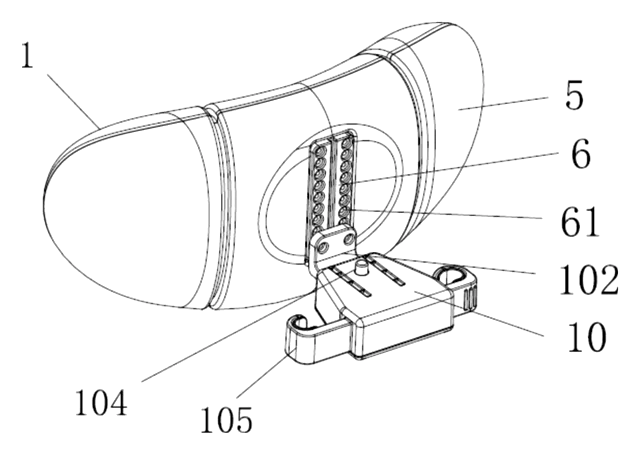
Car Accessories
Car Headrest Pillow with Ratchet Side Wings and Push-Button Reach
Post-mounted car headrest pillow with ratchet side wings and a push-button forward adjustment.
Patent CN212195197U
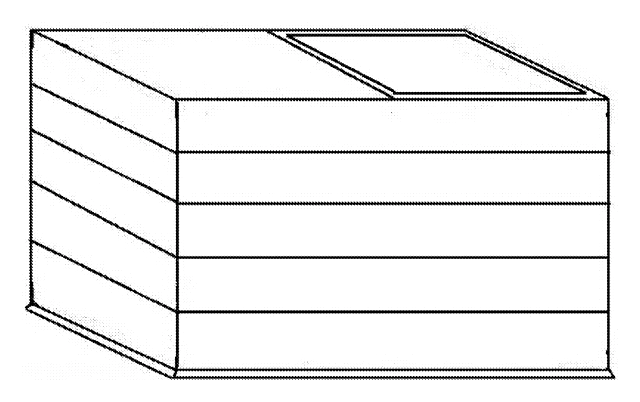
Car Accessories
Hard-Shell Rooftop Tent That Doubles as a Cargo Box
Roof box whose hard frames lift on gas struts into a tent with door and skylight, and fold back for luggage.
Patent CN206327275U
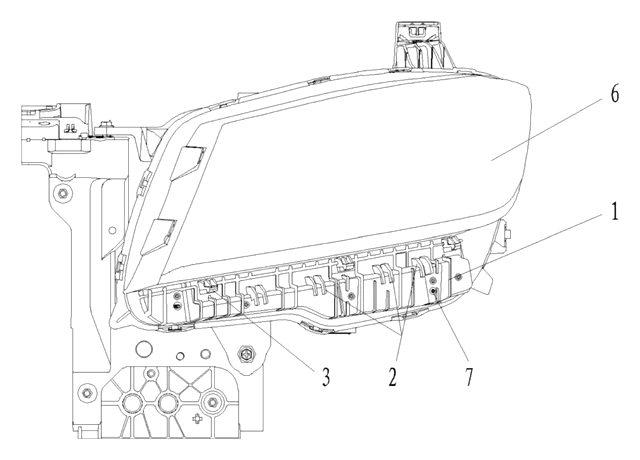
Car Accessories
Headlamp-to-Bumper Adapter Bracket That Sets Gap and Flush in Three Directions
Molded bracket under the headlamp: support blocks and snap teeth locate the bumper flange for an even gap.
Patent CN216580316U
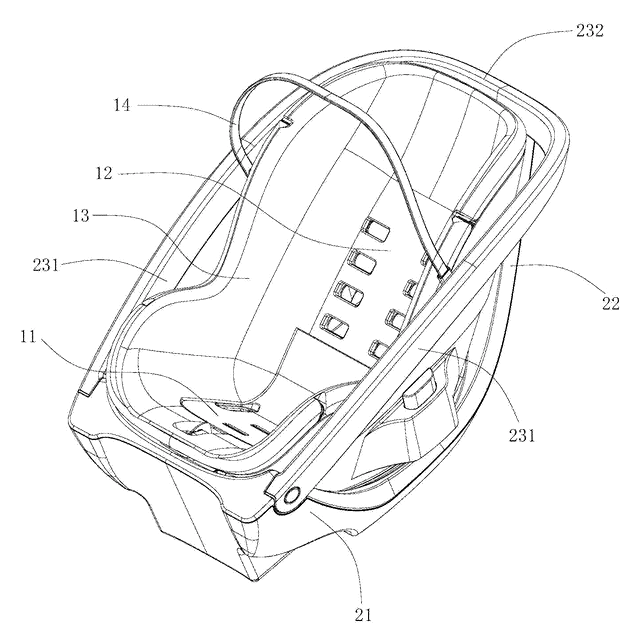
Car Accessories
Infant Car Seat with a Load-Bearing Base That Wraps the Carrier
Infant car seat whose base has a backrest and swing-up side rails, so the carrier can be lighter.
Patent CN206383856U
Car Accessories
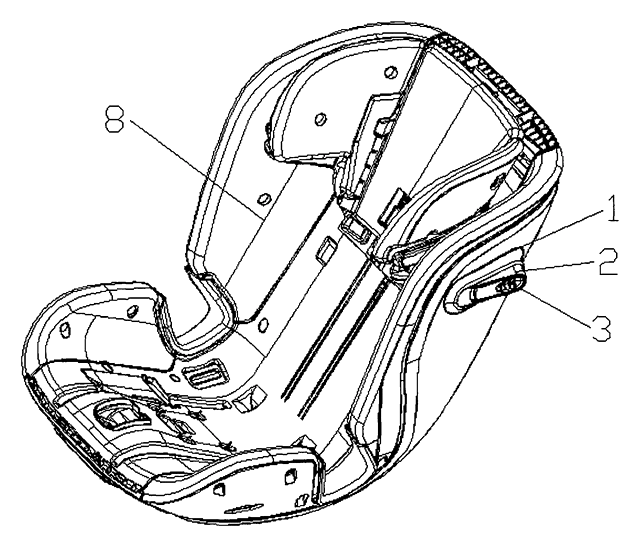
Retractable Side Impact Protection Block for Child Car Seats
Retractable side-impact block for child seats: springs out to provide side-impact buffering, folds flat.
Patent CN207028930U
Car Accessories
Rain-Deflecting Side Mirror with a Pivoting Air-Guide Plate
Side mirror with a top air duct and folding guide plate that directs airflow across the glass.
Patent CN207345672U
Browse by category
- Apparel & Accessories (36)
- Baby & Kids (25)
- Bags & Luggage (15)
- Bath & Personal Care (25)
- Car Accessories (21)
- Furniture, Bedding & Storage (19)
- Garden & Outdoor (27)
- Health & Wellness (12)
- Home, Kitchen & Cleaning (40)
- Lighting (20)
- Packaging & Containers (10)
- Pet Products (9)
- Phone & Camera Accessories (7)
- Retail Display (21)
- School, Office & Art (30)
- Sports & Recreation (37)
- Tools & Workshop (46)
- Toys & Games (19)
This page is based on the public patent document CN112896076B, assigned to China National Heavy Duty Truck Group Jinan Power Co Ltd. IP2M is an independent manufacturing service and is not affiliated with, endorsed by or licensed by the patent owner. Images marked as concept renderings are illustrations, not photos of an existing product. Patent status information is provided for reference only and is not legal advice; confirm freedom to operate for your market before production. Full disclaimer.