
Patent CN113116102B
Updated October 30, 2026Flowerpot Rack with Integrated Water Recycling and Sediment Filtration
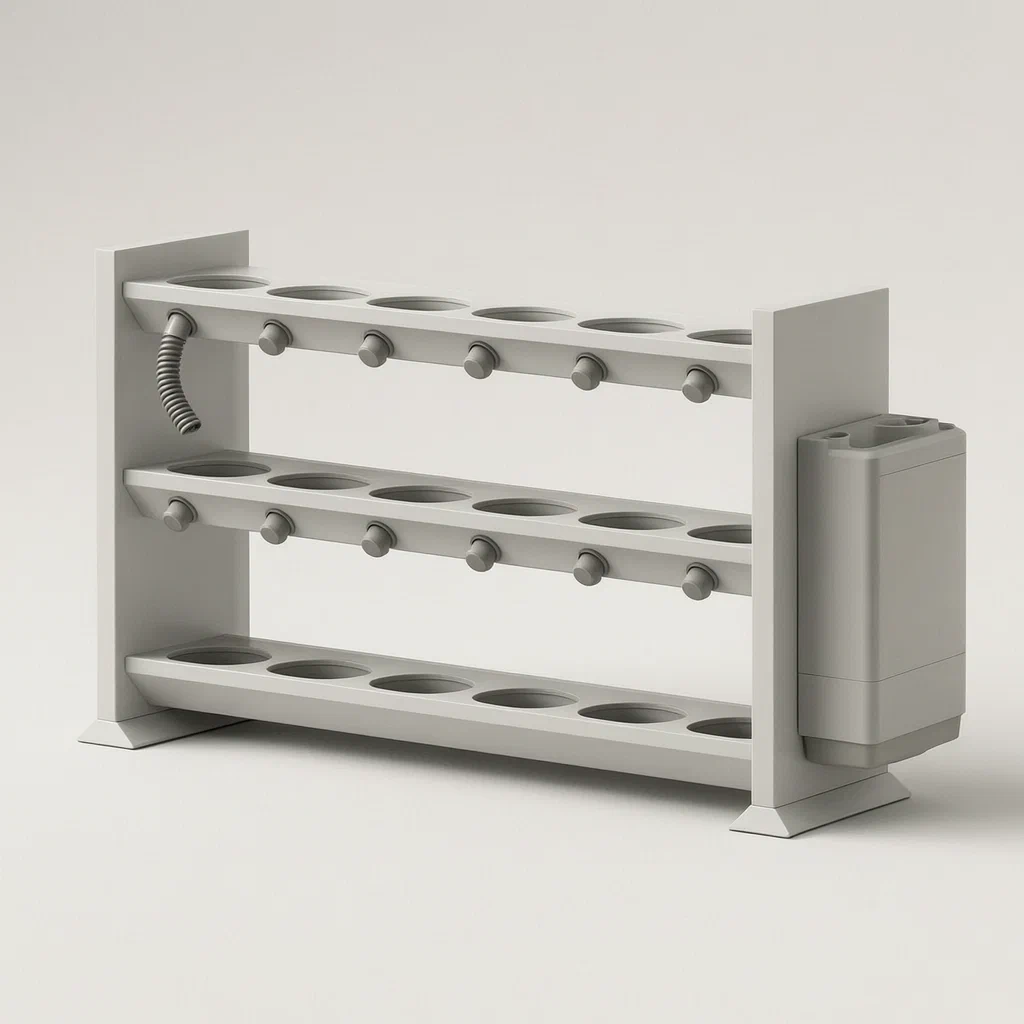
Standard tiered racks waste water when top pots drain onto the floor or require separate trays. This design integrates a recycling loop directly into the frame. Excess water from upper tiers flows into a channel, passes through multiple sand-filtering plates to trap silt, and collects in a reservoir. From there, it travels through baffled outlets and adjustable hoses to irrigate the plants on the level below. A manual flush mechanism using pressurized inlet pipes allows users to clear accumulated sediment from the bottom of the tank without disassembling the unit.
- China invention patent - active
- No filings outside China
- Integrated water recycling system
- Sand filtration and sediment flushing
Splat! What let you down?
💧
Closed-Loop Irrigation
Drainage from upper pots is collected and routed to water the plants on the level below.
🏖️
Sand Filtration
Multiple sand plates trap soil particles before water enters the main storage tank.
🚿
Adjustable Hoses
Flexible outlet pipes allow precise targeting of recycled water to specific pots.
🛠️
Sediment Flush
A dedicated inlet pipe system uses pressure to clear settled silt from the tank bottom.
Bring this product to market
- ✓ Patent vetted China-only family and legal status checked
- 2 Product brief · now How it works, uses and options written up
- 3 Prototype First samples for buyers to review
- 4 Pilot run Small first batch for launch customers
- 5 Volume production Repeat orders at scale
Buyer interest
– of 100 buyers needed to start prototyping
One click, no sign-up. Each vote is one real visitor, and products with the most interest go to prototyping first.
Build team: no members yet. Need a partner, co-funding or skills to build this? Join and we introduce the team once it forms.
The problem
In traditional multi-tier garden stands, watering the top plants often results in significant water waste. Drainage from upper pots either spills onto the floor, requiring constant cleaning, or pools in shallow trays that can breed mosquitoes and rot roots if not emptied frequently. Furthermore, moving water between levels usually requires manual intervention or complex external tubing systems that are prone to clogging with soil particles. There is a need for a structural solution that captures this runoff, cleans it automatically, and redistributes it efficiently without external pumps or messy tray management.
The solution
The patented design solves this by integrating the water management system directly into the rack’s frame.
- Collection: As water drains from the pots placed in the limiting grooves, it falls through holes into a launder (water flowing groove).
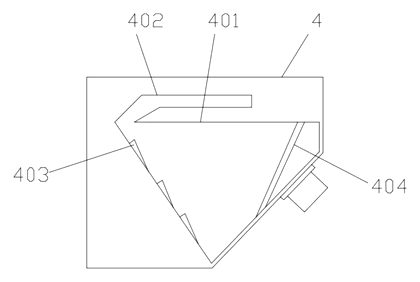
- Filtration: The water moves from the launder into a storage tank, passing through several fixed sand filtering plates. These plates act as physical barriers, trapping soil and debris while allowing clean water to pass.
- Storage and Baffling: Inside the tank, a baffle separates the filtered water from the sediment zone. First water outlet holes in the baffle allow only the cleaner upper layer of water to exit.
- Redistribution: The water flows through connecting rings and outlet pipes equipped with flexible hose bodies. These hoses direct the recycled water precisely onto the plants in the tier below.
- Maintenance: For cleaning, a long water pipe connected to an inlet pipe introduces fresh water under pressure. By rotating a circular plate with second outlet holes, the flow is concentrated to blast accumulated sediment out of the tank’s bottom, preventing blockages.
Who it is for
- Greenhouse operators looking to reduce water consumption and labor associated with refilling trays.
- Urban balcony gardeners who need compact, self-contained units that prevent dirty runoff on floors.
- Nursery wholesalers supplying high-value potted plants where consistent moisture control is critical.
- Home decor brands seeking functional furniture pieces that offer eco-friendly features as a selling point.
How it works
The main parts
| No. | Part | What it does |
|---|---|---|
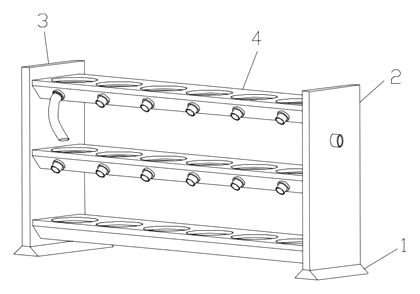
| 1, 2, 3 | Support Plates & Connectors | Form the vertical legs and horizontal beams of the rack. |
| 4 | Support Frame | Holds the tanks and provides mounting points for pots. |
| 401 | Water Storage Tank | Collects filtered water; contains baffles and filters. |
| 402 | Launder (Flowing Groove) | Catches initial drainage from pots before it enters the tank. |
| 403 | Sand Filtering Plates | Trap soil particles as water passes through them. |
| 404 | Baffle | Separates sediment-laden water from clean water entering outlets. |
| 406 | Limiting Grooves | Circular slots that hold the flowerpots securely in place. |
| 415, 416 | Connecting Rings & Outlet Pipes | Direct cleaned water to the next tier via flexible hoses. |
| 5, 414 | Long Water Pipe & Inlet | Supplies fresh water for flushing sediment during maintenance. |
Operating steps
- Watering Phase: Users water the top tier. Excess water drains through the pot bottoms into the limiting grooves.
- Filtration: Water falls through water through holes into the launder, then flows over the sand filtering plates into the storage tank. Soil stays behind on the plates.
- Recycling: Clean water passes through the baffle’s first outlet holes into the connecting rings. It travels down the flexible outlet pipes to water the plants on the lower tier.
- Flushing: To clean the tank, connect a hose to the inlet pipe. Rotate the circular plate to align the second outlet holes. Pressurized water jets dislodge sediment from the tank bottom, which can then be drained or wiped away.
Applications
Greenhouse propagation benches
Large-scale nurseries use these racks to minimize water usage. The integrated filtration prevents soil from clogging the redistribution lines, ensuring consistent hydration for seedlings on lower shelves without manual tray emptying.
Apartment balcony gardens
In confined spaces, dirty runoff is a major issue. This rack keeps water contained within the structure. The aesthetic integration of the tank means no ugly plastic trays are visible, maintaining a clean look for home interiors.
Retail plant displays
Stores displaying stacked plants benefit from the self-watering capability. Customers see healthy plants without staff needing to constantly check for overflowing saucers, reducing maintenance costs and keeping floors dry and safe.
Educational botanical kits
Schools and science centers can use this design to demonstrate sustainable agriculture. Students observe how water cycles through filtration and reuse, providing a tangible lesson in resource conservation and mechanical engineering principles.
Where it is less suitable
- Outdoor heavy rain exposure: The open collection grooves may overflow if subjected to sudden, massive rainfall rather than controlled watering.
- Single-pot usage: The complexity of the recycling system offers little benefit for standalone pots without a tiered structure to utilize the runoff.
- High-viscosity nutrient solutions: Thick fertilizers might clog the fine sand plates more quickly than standard water, requiring frequent flushing.
Frequently asked questions
How does the water recycling actually work?
When you water the top plants, excess water drains into grooves on the rack. It flows into a tank where it passes through sand plates that catch dirt. The clean water then travels through tubes to water the plants on the level below, reusing the same water instead of letting it spill onto the floor.
Do I have to clean the filters often?
The sand plates trap soil particles. Over time, sediment builds up at the bottom of the tank. The design includes a special flushing mechanism where you can connect a hose to the inlet pipe. Rotating a valve directs pressurized water to blast the sediment out, so you don’t need to disassemble the unit for regular cleaning.
Can it handle liquid fertilizers?
Yes, but thick or sticky solutions might clog the fine sand filters faster than plain water. We recommend using standard dilute fertilizers. If you use heavy organic feeds, you may need to increase the frequency of the sediment flush cycle to keep the flow rate consistent.
Is the water hygienic for edible plants?
The system filters out soil and debris physically. However, it recycles the same water. For edible crops, ensure the materials touching the water are food-safe. Regular flushing helps prevent bacterial buildup, but monitoring plant health is always advised when using recirculated water.
What materials are used?
The patent describes a metal frame (supporting plates and connectors) with plastic or composite components for the tanks, baffles, and flexible hoses. Specific material grades are chosen during the design phase to ensure durability against moisture and UV light.
Does it require electricity?
No. The system relies entirely on gravity and manual pressure. Water flows down naturally from higher tiers to lower ones. The flushing action is performed by connecting a standard garden hose, which provides the necessary pressure to clean the tank.
Can this design be made and sold in the US?
The patent was filed only in China and is currently in force there. It has no US counterpart, so it does not restrict making or selling this design in the United States. However, garden products are a competitive field, so we recommend a freedom-to-operate check to ensure no other local patents cover similar self-cleaning irrigation structures.
Are you affiliated with the patent owner?
No. IP2M is an independent design and manufacturing service working from the public patent document.
Request a quote
Click Request a Quote below to see our email address - copy it, or open your email app with a ready-made message. Please mention patent CN113116102B in the subject.
Helpful details to include:
- Your company and channel (greenhouse supplier, home goods brand, nursery distributor)
- Tier configuration (number of levels and total height)
- Pot sizes (diameter of the limiting grooves needed)
- Material preferences (plastic vs. metal for tanks, hose types)
- Estimated quantity and target price
- Timeline - when you would like samples and the first shipment
You can also reach us at (332) 203-9997.
Explore this product
Interested in building this?
Tell us your target market, quantity and timeline. We reply with options for prototyping, small-batch runs or volume production.
Send your inquiry to
Please put CN113116102B in the subject line and tell us your company, country, estimated quantity and timeline.
Prefer to talk? Call (332) 203-9997.
More product-ready patents
All Garden & Outdoor patents →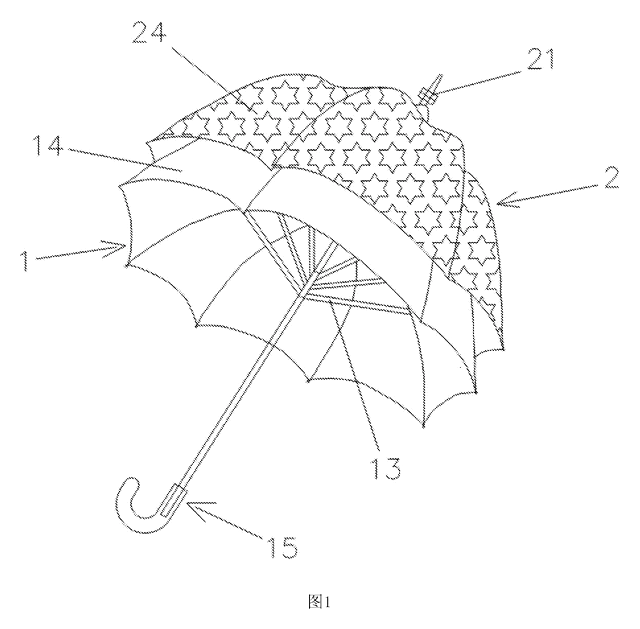
Garden & Outdoor
2-in-1 Parent & Child Umbrella
Full-size umbrella with a nested smaller umbrella on top - a rotating decorative layer that detaches into a kid-size umbrella.
Patent CN205611962U
Garden & Outdoor
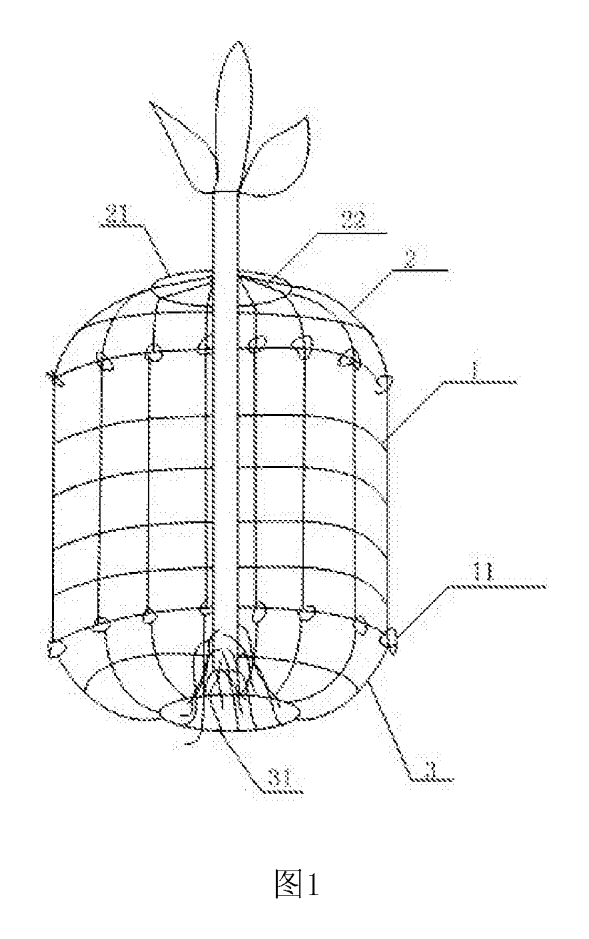
Wire-Mesh Tree Root & Trunk Guard Against Rodents
Three-part wire-mesh guard that protects the roots and lower trunk of young trees from burrowing and gnawing animals.
Patent CN206808261U
Garden & Outdoor
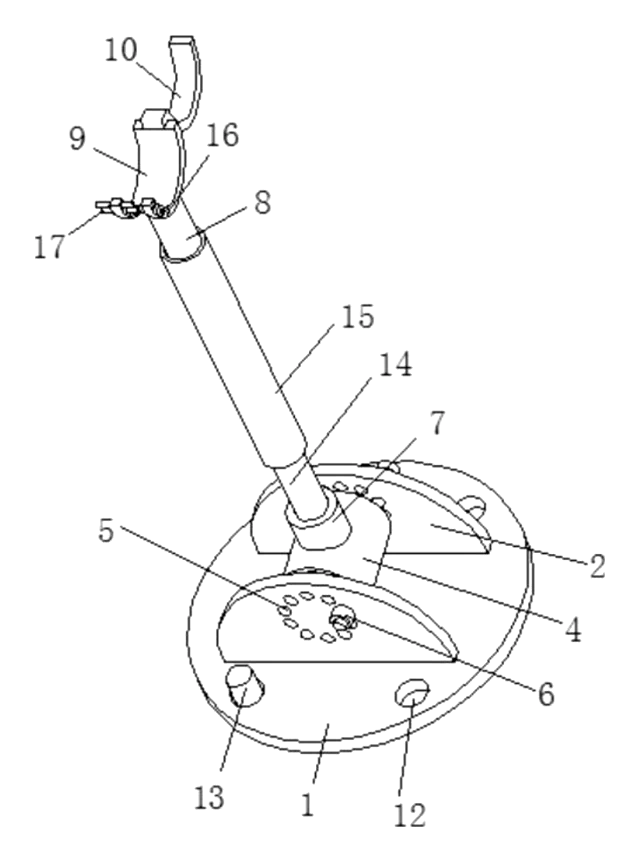
Adjustable-Angle Tree Support Prop
Tree prop with a pinned base, angle-locking hinge, twist-adjust tube and a locking trunk ring.
Patent CN208370491U
Garden & Outdoor
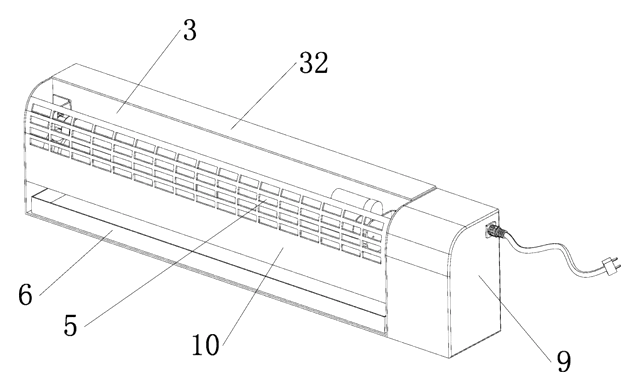
Self-Renewing Glue-Roller Mosquito Trap
UV insect trap with a glue roller that re-coats itself and scrapes the catch into a tray - no glue boards.
Patent CN217038569U
Garden & Outdoor
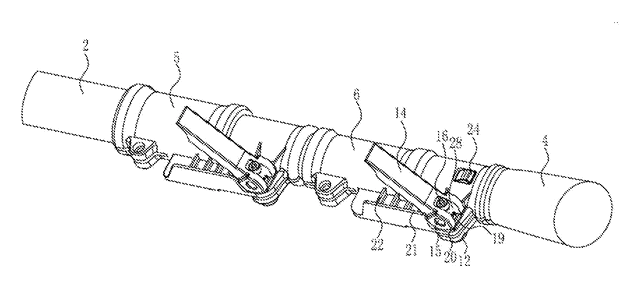
Cam-Lock Telescopic Pole for Garden Power Tools
Telescopic pole for garden power tools with cam-lever locks and a spring-button, tear-drop head socket.
Patent CN205812889U
Garden & Outdoor
Mosquito Fan That Listens for Mosquitoes Before It Sprays
Fan with a scanning microphone dish that mists repellent only when it hears mosquitoes.
Patent CN208708542U
Browse by category
- Apparel & Accessories (22)
- Baby & Kids (17)
- Bags & Luggage (9)
- Bath & Personal Care (17)
- Car Accessories (10)
- Furniture, Bedding & Storage (13)
- Garden & Outdoor (19)
- Health & Wellness (8)
- Home, Kitchen & Cleaning (26)
- Lighting (12)
- Packaging & Containers (6)
- Pet Products (6)
- Phone & Camera Accessories (4)
- Retail Display (13)
- School, Office & Art (19)
- Sports & Recreation (26)
- Tools & Workshop (29)
- Toys & Games (13)
This page is based on the public patent document CN113116102B, assigned to Shandong Yuyun Furniture Manufacturing Co ltd. IP2M is an independent manufacturing service and is not affiliated with, endorsed by or licensed by the patent owner. Images marked as concept renderings are illustrations, not photos of an existing product. Patent status information is provided for reference only and is not legal advice; confirm freedom to operate for your market before production. Full disclaimer.