At a glance
| Patent number | CN113116102B (application CN202110537990) |
| Type | China invention patent (发明专利) - protects technical solutions and methods |
| Original title | Flowerpot rack convenient for water cyclic utilization (一种便于水循环利用的花盆架) |
| Patent owner | Shandong Yuyun Furniture Manufacturing Co ltd |
| Inventors | Shi Mengdan |
| Filing date | 2021-05-18 |
| Grant date | 2022-09-27 |
| Status (China) | In force - valid until at most 2041-05-18, provided annual fees are paid |
| Patent family | Chinese filings only - no US, European, Japanese, PCT or other filings listed |
| Cited by | 0 later documents |
| Source | Google Patents (search for CN113116102B) |
What the claims cover, in plain language
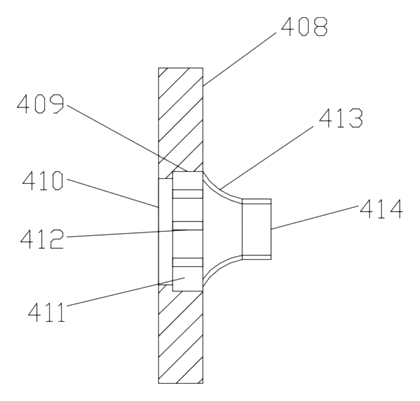
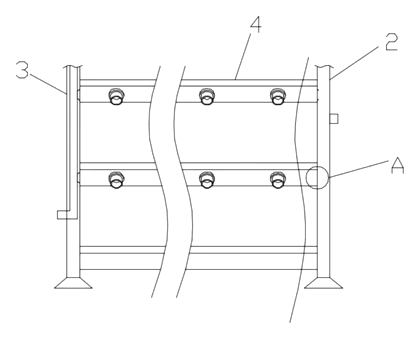
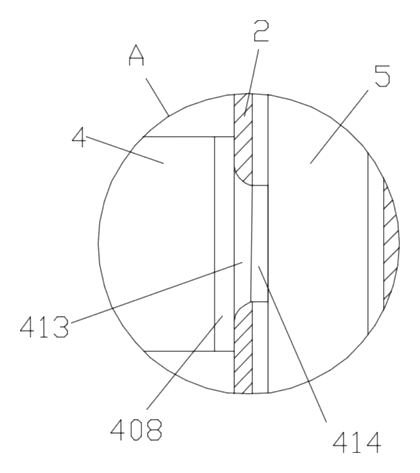
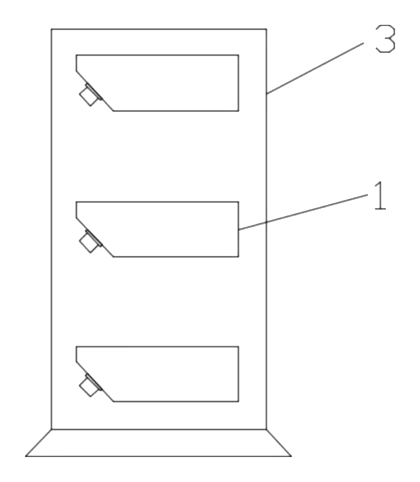
Claim 1 defines a flowerpot rack comprising two supporting plates connected by first and second connecting plates, with a support frame between them. Key elements include a water storage tank on the right side of the frame and a water flowing tank above it. The inner bottom wall of the flowing tank communicates with the storage tank. Multiple sand filtering plates are fixed inside the storage tank. A baffle is positioned inside the tank, with first water outlet holes on its front side. The top of the support frame has limiting grooves with water through holes leading to the flowing tank. A fixing plate holds a connecting groove containing a movable circular plate with second water outlet holes. Connecting rings and outlet pipes (with flexible hose bodies) link the storage tank to the watering area. An inlet pipe connects to a long water pipe inside the first connecting plate cavity. The system functions by collecting drainage, filtering it through sand plates, separating sediment via the baffle, and recirculating clean water to lower tiers, with a mechanism to flush sediment using pressurized water through the circular plate.
This is a simplified reading for orientation only. The legal scope is defined by the exact claim wording in the official Chinese document.
What this means for US production
This patent was filed only in China and is currently in force. Making, using, or selling this specific design in China requires the owner’s permission. However, since there are no corresponding US patents, the technology is not restricted by this specific document in the United States.
Two points to settle early:
- Other patents may exist. Garden irrigation and plant stand structures are common fields. While this specific combination of sand filtration and manual flush mechanisms appears unique to this filing, a freedom-to-operate (FTO) review is recommended to ensure no other US utility patents cover similar tiered water-collection systems or self-cleaning filter assemblies.
- Material safety. Since the system involves standing water and plant nutrients, materials must resist corrosion and algae growth. Standard plastics may degrade; food-grade or UV-stabilized polymers should be specified to avoid leaching chemicals into the water supply.
Customization and manufacturing
What can be customized
| Area | Options |
|---|---|
| Capacity | Tank size adjusted based on tier height and pot volume |
| Filter Type | Sand plates can be swapped for mesh screens or charcoal filters depending on desired clarity |
| Hose Material | Silicone, PVC, or rubber flexible sections for different durability needs |
| Frame Finish | Powder-coated steel, aluminum extrusion, or molded plastic to match aesthetics |
| Pot Size | Limiting grooves sized for standard nursery pots (e.g., 4-inch, 6-inch, 8-inch) |
Things to plan for (US market)
- CPSC Safety Standards: If marketed as children’s play items or accessible to minors, ensure edges are smooth and small parts do not pose choking hazards (though primarily an adult gardening item, general product safety applies).
- EPA/FDA Considerations: If the recycled water is used for edible crops, ensure all wetted components are compliant with FDA regulations for food contact surfaces to prevent chemical contamination.
- ASTM F1575: General testing for durability of outdoor furniture may apply if sold as patio equipment.
- California Prop 65: Plastics and metal finishes must be screened for lead, cadmium, and phthalates if sold in California.
How a project runs
- Inquiry - Define tier count, pot sizes, and desired filtration level.
- Design - Adjust tank geometry, filter placement, and hose routing for optimal gravity flow.
- Prototype - Create 3D printed or CNC machined samples to test water tightness and flow rates.
- Pilot run - Test sediment flushing efficiency and material resistance to fertilizer chemicals.
- Production - Injection molding for tank parts, metal fabrication for frames, assembly of flexible piping.
Quantities & timeline
Tooling for the injection-molded water tanks and baffles will take approximately 6-8 weeks. Metal frame fabrication can begin concurrently. Assembly lines need calibration for leak testing. Send us your tier configuration, pot dimensions, material preferences, quantity and target price and we will reply with options.
Patent drawings
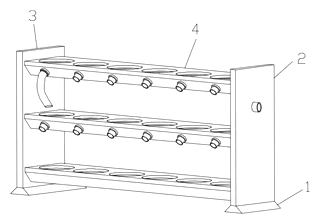
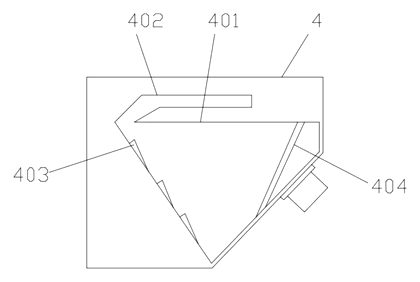
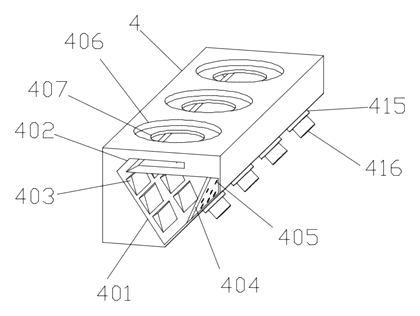
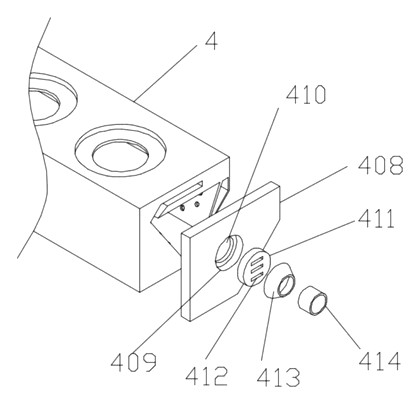
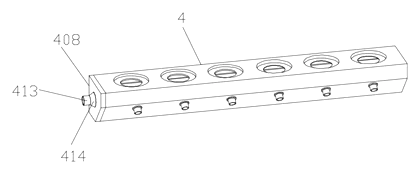
Drawings reproduced from the public patent document for reference.