
Patent CN113693045B
Updated November 7, 2026Portable Multi-Functional Insect Trap with Vacuum Suction
Traditional insect collection often damages specimens or requires chasing active targets. This portable trap uses controlled vacuum suction to gently pull insects into a sealed container. The design includes a support mechanism at the nozzle tip that can be bent and fixed to match the target area, improving reach and precision. With interchangeable connectors, the same base unit can switch between capturing insects, filtering air for microbial analysis, or drawing liquid samples through attached needles.
- China invention patent - in force
- No filings outside China
- Scientific & outdoor equipment
- Vacuum suction, flexible nozzle supports, interchangeable connectors
Splat! What let you down?
🌀
Vacuum suction
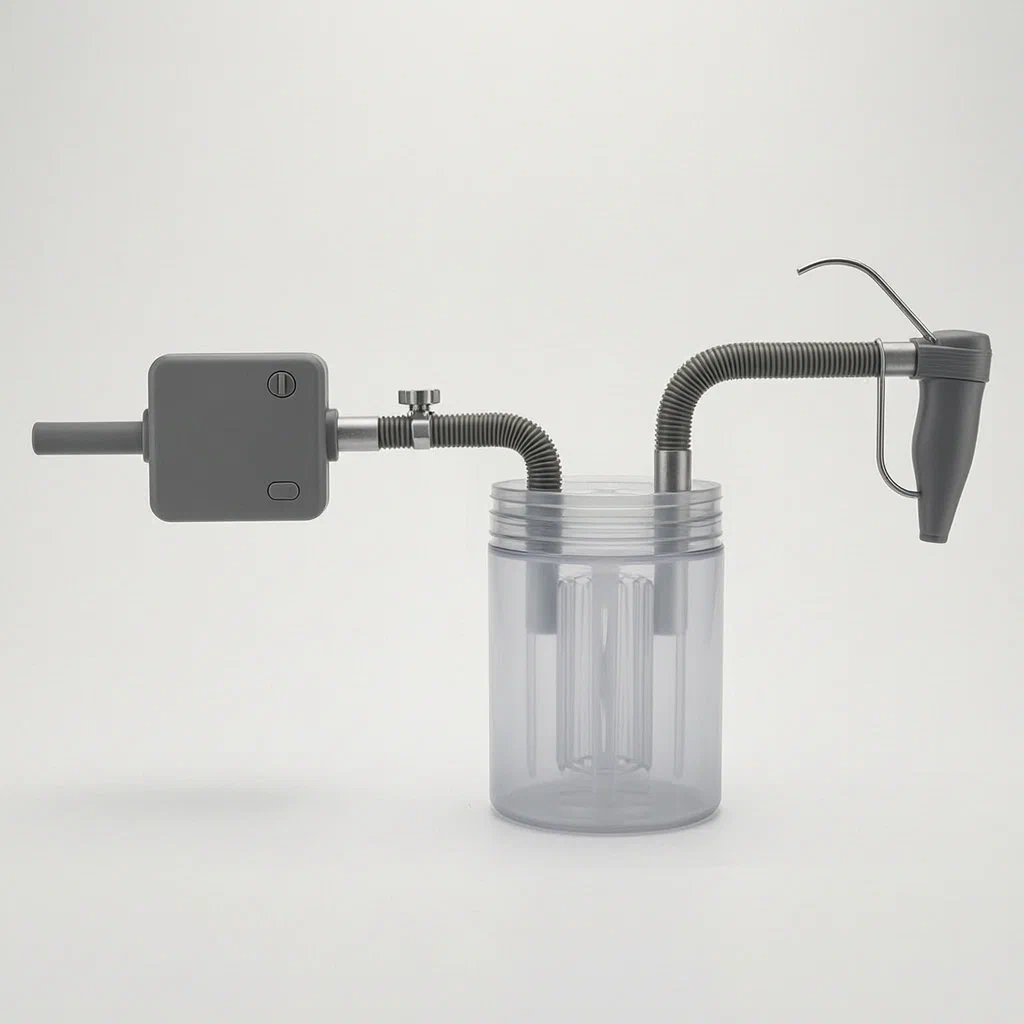
A small vacuum pump draws targets into the storage bottle without manual chasing.
🦴
Adjustable nozzle
Elastic sleeves and a flexible metal strip let users bend the tip to fit irregular surfaces.
🔄
Multi-function heads
Swap connectors for insect capture, sterile air filtration, or liquid sampling needles.
🔋
Portable power
Operates on a low-voltage battery system suitable for field use.
Bring this product to market
- ✓ Patent review Patent family and legal status reviewed in the relevant jurisdictions.
- 2 Product brief · now How it works, uses and options written up
- 3 Prototype First samples for buyers to review
- 4 Pilot run Small first batch for launch customers
- 5 Volume production Repeat orders at scale
Buyer interest
– of 100 buyers needed to start prototyping
One click, no sign-up. Each vote is one real visitor, and products with the most interest go to prototyping first.
Build team: no members yet. Need a partner, co-funding or skills to build this? Join and we introduce the team once it forms.
Patent Rights & Team Participation
Before joining a development team, participants should ensure they have the necessary rights or authorization to participate in the project.
Participation is generally appropriate where:
- You own the relevant patent rights or have obtained permission or a license from the rights holder.
- The relevant patent rights have expired or have been legally invalidated in the jurisdictions where the planned activities will take place.
- The planned development, manufacturing, and commercialization activities have been independently assessed and do not infringe applicable patent rights in the relevant jurisdictions.
Important: Being located outside a country where a patent is protected does not automatically exempt you from patent infringement risks. Patent rights may apply based on where development, manufacturing, use, sale, or import activities take place.
IP2M does not grant any patent license or authorization through team participation. Joining a project does not provide permission to use, manufacture, or commercialize patented technology.
The problem
Collecting small insects or air samples in the field is often inefficient. Manual methods like nets or aspirators require close proximity to active targets, which can damage delicate specimens or cause them to escape. Fixed nozzles cannot easily conform to uneven surfaces like tree bark, soil crevices, or plant stems, limiting where a collector can effectively operate. Additionally, switching between tasks—such as catching bugs, testing air quality, or collecting liquid samples—usually requires carrying multiple separate devices, adding weight and complexity to fieldwork.
The solution
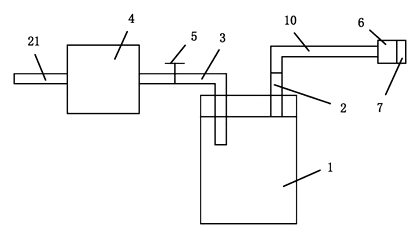
The device centers on a storage bottle connected to a vacuum pump via an exhaust pipe and a check valve to prevent backflow. An air inlet pipe leads from the bottle to a suction nozzle. A key feature is the support mechanism at the nozzle’s outer end. It consists of two rigid outer tubes fixed to the nozzle, each containing an elastic inner sleeve. These sleeves are held by conical screw threads and elastic clamps. A flexible metal strip connects the two inner sleeves, allowing the user to bend the nozzle tip into a desired shape and lock it in place using the clamps.
Interchangeable connectors attach to the nozzle. One connector has a clamping groove to fit the support mechanism. Another version includes threaded holes for sampling needle heads, enabling liquid extraction. A third option contains a microporous filter, allowing the device to draw filtered sterile air into containers or process air samples for microbial analysis.
Who it is for
- Entomology researchers who need to collect live, undamaged specimens from hard-to-reach places like under rocks or inside flowers.
- Environmental scientists conducting air quality monitoring or microbial sampling in remote locations.
- Outdoor educators leading nature walks who want a safe, hands-on tool for observing local biodiversity.
- Ag-tech companies developing pest monitoring solutions that require precise, targeted sample collection.
How it works
The main parts
| No. | Part | What it does |
|---|---|---|
| 1 | Storage Bottle | Collects insects or air samples. |
| 2, 3 | Air Pipes | Connect the bottle to the nozzle and pump. |
| 4 | Vacuum Pump | Creates suction; powered by a small DC motor (voltage to be confirmed in design). |
| 5 | Check Valve | Prevents air from flowing back into the bottle. |
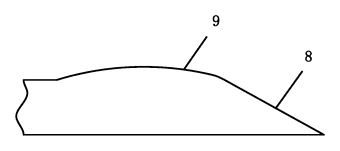
| 6 | Suction Nozzle | The entry point for targets; has sloped and arc surfaces. |
| 7 | Connector | Detachable head for different functions (filter, needles). |
| 11, 12 | Rigid/Elastic Sleeves | Support structure that holds the flexible strip. |
| 15 | Flexible Metal Strip | Allows bending of the nozzle tip. |
| 14 | Elastic Clamp | Locks the bent position of the sleeves. |
| 10 | Telescopic Hose | Adjusts the length of the intake pipe. |
Operating steps
- Prepare the device: Attach the desired connector to the suction nozzle. If using the standard nozzle, adjust the telescopic hose to the required reach.
- Shape the nozzle: Bend the flexible metal strip to conform to the target surface (e.g., around a leaf or against a wall). Tighten the elastic clamps to fix the sleeves in this new position.
- Activate suction: Turn on the vacuum pump. Air flows through the nozzle, creating a gentle vacuum.
- Capture: Aim the nozzle at the insect or air source. The suction pulls the target into the storage bottle.
- Process: For air sampling, the exhaust can be directed toward culture plates. For liquid sampling, insert the sampling needle into the solution.
Applications
Field entomology
Researchers can extract insects from dense vegetation or soil cracks without disturbing the habitat excessively. The adjustable nozzle allows access to tight spaces where nets cannot reach, preserving specimen integrity for study.
Air quality monitoring
By attaching the microporous filter connector, the device can draw ambient air through the filter. This captures airborne particles or microbes onto the filter media, which can then be analyzed in a lab to assess environmental health.
Liquid sample collection
Using the connector with threaded sampling needles, technicians can draw small volumes of water or biological fluids directly into the system. This is useful for quick field tests where pipettes might be cumbersome or prone to contamination.
Educational tools
Teachers can demonstrate ecosystem roles by safely collecting and releasing insects. The visual transparency of the storage bottle helps students observe behavior before release, making it a practical aid for outdoor classrooms.
Where it is less suitable
- Large pests: The nozzle diameter and suction power are designed for small insects; larger beetles or moths may block the path.
- High-volume industrial cleaning: This is a precision sampling tool, not a vacuum cleaner for debris or dust removal.
- Sterile medical procedures: While it filters air, it is not certified for surgical or clinical sterility standards.
Patent & Production
At a glance
| Patent number | CN113693045B (application CN202111143824) |
| Type | China invention patent (发明专利) - protects product structure and method |
| Original title | A Portable Multi-Functional Insect Trap (一种便携式多功能昆虫捕虫器) |
| Patent owner | Zhoukou Normal University |
| Inventors | Zhang Jie |
| Filing date | 2021-09-28 |
| Grant date | 2022-09-30 |
| Status (China) | In force - until at most 2041-09-28 (if annual fees are paid) |
| Patent family | Public record shows Chinese filings only - no US, European, Japanese, PCT or other filings listed |
| Cited by | 0 later documents |
| Source | Google Patents (search for CN113693045B) |
What the claims cover, in plain language
Claim 1 defines a portable insect trap comprising a storage bottle, an air inlet pipe, an air outlet pipe, a vacuum pump, a check valve, a suction nozzle, and a detachable connector. The nozzle features a support mechanism consisting of rigid outer tubes, elastic inner sleeves, conical screw thread portions, elastic clamps, and a flexible metal strip connecting the sleeves. This structure allows the nozzle tip to be bent and secured in various shapes.
Claim 2 specifies that the nozzle inlet has an inclined plane part smoothly connected to an arc surface part at the rear, likely to improve airflow and reduce turbulence during suction.
Claim 3 adds a telescopic hose between the air inlet pipe and the storage bottle, allowing adjustment of the device’s length for reach.
Claim 4 describes a clamping groove on the connector that mates with the support mechanism, ensuring secure attachment.
Claim 5 details a connector with threaded holes for attaching sampling needle heads, enabling liquid sample collection.
Claim 6 introduces a microporous filter within the connector, allowing the device to function as an air sampler or sterile air supplier.
Claim 7 limits the power supply voltage of the vacuum pump to 6V, indicating a low-power, battery-operated design.
This is a simplified reading for orientation only. The legal scope is defined by the exact claim wording in the official Chinese document.
What this means for US production
This patent was filed in China and is currently in force. The public record shows no US or other foreign counterpart. Making or selling this specific configuration in China requires the owner’s permission.
Two points to settle early:
- Other patents may exist. Vacuum sampling devices and insect traps are a competitive field with numerous existing patents covering similar suction mechanisms, flexible nozzles, and multi-use connectors. A freedom-to-operate (FTO) review is strongly recommended to ensure the chosen design does not infringe on other valid patents in the target market.
- Electrical safety and battery compliance. Since the device uses a 6V vacuum pump, it likely relies on lithium-ion or alkaline batteries. Battery transport and disposal regulations must be considered for any export or domestic sale.
Customization and manufacturing
What can be customized
| Area | Options |
|---|---|
| Pump Type | Diaphragm vs. piston vacuum pumps; noise level adjustments. |
| Nozzle Material | ABS, PC, or stainless steel for durability and chemical resistance. |
| Support Mechanism | Wire gauge and elasticity of the metal strip; clamp design for ease of use. |
| Connectors | Filter pore size (0.2µm, 0.45µm); needle types (blunt, sharp); threading standards. |
| Power Source | Built-in rechargeable Li-ion pack vs. disposable AA/AAA battery holder. |
| Capacity | Storage bottle volume (50ml, 100ml, 250ml). |
Things to plan for (US market)
- FCC Part 15 - If the device includes any wireless connectivity (e.g., Bluetooth for data logging), it must meet FCC radio frequency emission standards.
- UN 38.3 - Lithium batteries used in the device must pass UN 38.3 testing for transport safety.
- California Prop 65 - Plastics and electronics components may contain chemicals requiring warning labels if sold in California.
- OSHA / Lab Safety - If marketed for professional laboratory use, clear instructions on handling biohazards or allergens are necessary.
How a project runs
- Inquiry - Define target user (researcher, educator, hobbyist) and primary function (insect, air, or liquid).
- Design - Select pump specifications, nozzle geometry, and connector interface standards.
- Prototype - Build functional units to test suction efficiency, noise, and battery life.
- Testing - Validate seal integrity, filter performance, and mechanical durability of the flexible nozzle.
- Production - Mold plastic parts, assemble electronics, integrate pumps, and package.
Quantities & timeline
Tooling for injection-molded parts (bottle, nozzle, connectors) takes several weeks. Electronics integration requires sourcing compatible pumps and battery management systems. Certification for battery transport adds time. Send us your target capacity, pump preference, connector requirements, quantity and target price and we will reply with options.
Production notes
Tooling and process
Injection molding is likely required for the storage bottle, nozzle housing, and connectors. The flexible metal strip may involve wire forming, and the elastic sleeves are typically sewn from elastic fabric. UV-stabilized injection molding is typically used for outdoor-facing plastic parts to resist sunlight degradation. Assembly involves snap-fitting components and screwing together the support mechanism.
Cost drivers
UV grade material selection typically increases raw material costs. Corrosion protection for the metal strip and screws is essential for longevity. Packaging volume affects shipping costs due to the bulky nature of the storage bottle. Battery and solar panel components, if included, represent significant cost elements.
Prototyping path
We typically start with 3D-printed parts for the housing and nozzle to verify fit and function. Use coated tube samples for the flexible strip to test bending retention. Perform UV and spray tests on materials. Create a functional sample with a real pump to measure suction performance before finalizing tooling.
What we would change before tooling
We would likely optimize the thread engagement and fastener torque for the elastic clamps to ensure they hold firmly without stripping. Wall thickness and joint design of the nozzle should be reviewed to prevent cracking under stress. We would also refine the seam failure risks in the molded parts.
Common failure points
Water ingress in electronics is a risk if the device is used in humid conditions. Spring fatigue and rate consistency in the elastic sleeves may lead to loss of nozzle shape over time. Weld rust could occur if metal joints are not properly coated. Wind load tipping is unlikely for handheld use but stability when placed down should be checked.
Patent drawings
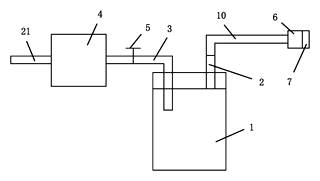
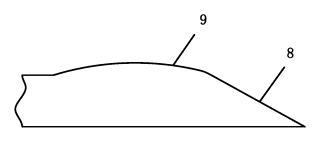
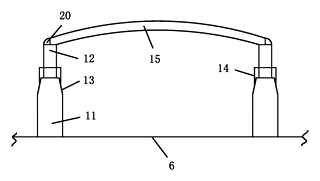
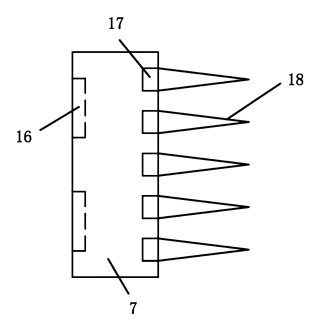
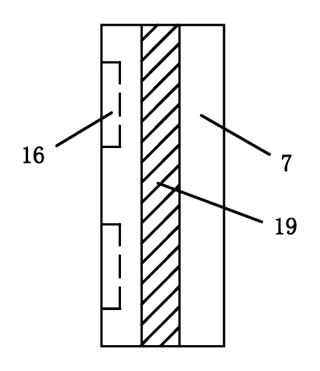
Drawings reproduced from the public patent document for reference.
Frequently asked questions
How strong is the suction?
The device uses a 6V vacuum pump. According to the patent, this voltage is specified for portability. Actual suction strength depends on the pump model selected and the seal integrity of the bottle and pipes.
Can I bend the nozzle into any shape?
Yes. The support mechanism uses a flexible metal strip between elastic sleeves. You can bend the tip to fit around obstacles or into crevices, then tighten the elastic clamps to lock it in place.
What is the difference between the connectors?
One connector has a clamping groove for general use. Another includes threaded holes for sampling needles (for liquids). A third contains a microporous filter for air sampling or sterile air delivery.
Does it run on batteries?
Yes. The patent specifies a 6V power supply. Standard designs would use rechargeable lithium-ion packs or disposable AA batteries, depending on the pump choice.
Is it safe for live insects?
The gentle vacuum action aims to draw insects into the bottle without crushing them. However, prolonged exposure to vacuum or lack of ventilation in the bottle can harm sensitive species. Quick transfer to a proper container is recommended.
Can this design be made and sold in the US?
The patent is in force in China, but the public record shows no US counterpart. Therefore, this specific patent does not restrict manufacturing or selling in the US. However, other patents may exist in this field, so a freedom-to-operate review is advised.
Are you affiliated with the patent owner?
No. IP2M is an independent design and manufacturing service working from the public patent document.
Request a quote
Click Request a Quote below to see our email address - copy it, or open your email app with a ready-made message. Please mention patent CN113693045B in the subject.
Helpful details to include:
- Your company and channel (scientific supplier, educational kit maker, ag-tech startup)
- Primary use case (insect collection, air sampling, or liquid extraction)
- Pump preference (noise level, suction power, battery type)
- Nozzle flexibility requirements
- Estimated quantity and target price
- Timeline - when you would like samples and the first shipment
You can also reach us at (332) 203-9997.
Page editor: Daniel Chen, Product Research Editor · IP2M
Last updated November 7, 2026. If something on this page looks wrong, email [email protected] and we will check it against the patent.
Interested in building this?
Tell us your target market, quantity and timeline. We reply with options for prototyping, small-batch runs or volume production.
Send your inquiry to
Please put CN113693045B in the subject line and tell us your company, country, estimated quantity and timeline.
Prefer to talk? Call (332) 203-9997.
More product-ready patents
All Garden & Outdoor patents →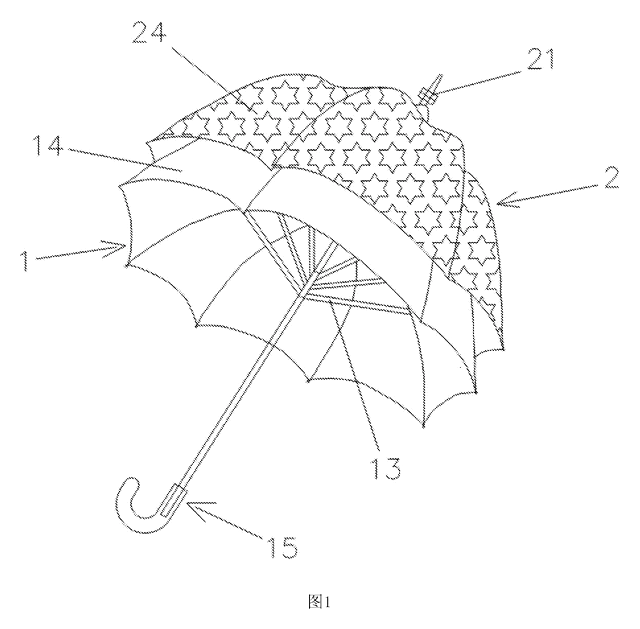
Garden & Outdoor
2-in-1 Parent & Child Umbrella
Full-size umbrella with a nested smaller umbrella on top - a rotating decorative layer that detaches into a kid-size umbrella.
Patent CN205611962U
Garden & Outdoor
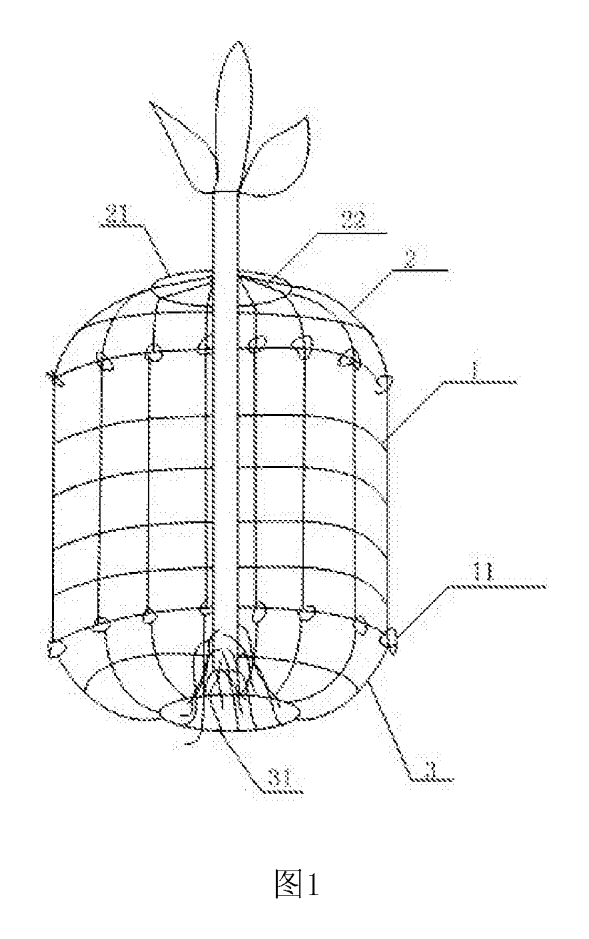
Wire-Mesh Tree Root & Trunk Guard Against Rodents
Three-part wire-mesh guard that protects the roots and lower trunk of young trees from burrowing and gnawing animals.
Patent CN206808261U
Garden & Outdoor
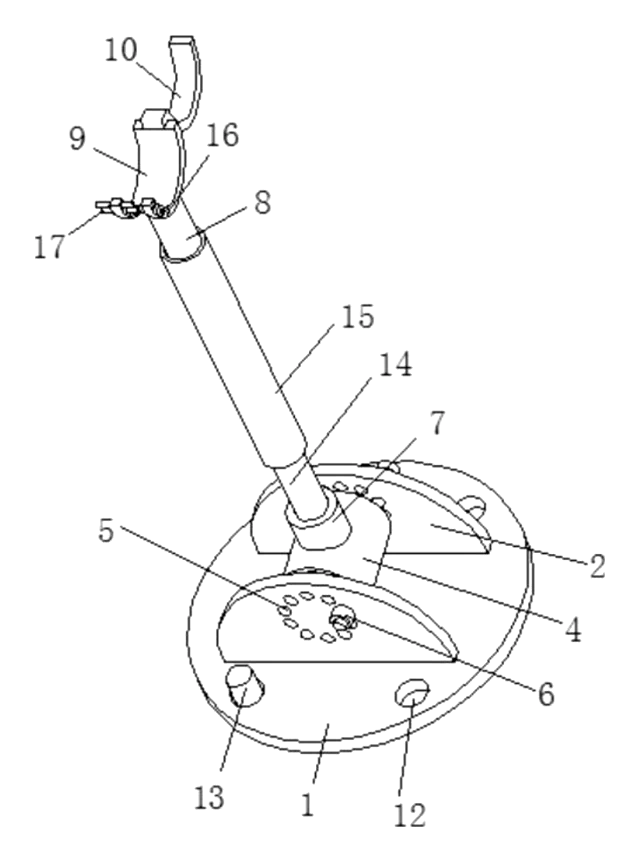
Adjustable-Angle Tree Support Prop
Tree prop with a pinned base, angle-locking hinge, twist-adjust tube and a locking trunk ring.
Patent CN208370491U
Garden & Outdoor
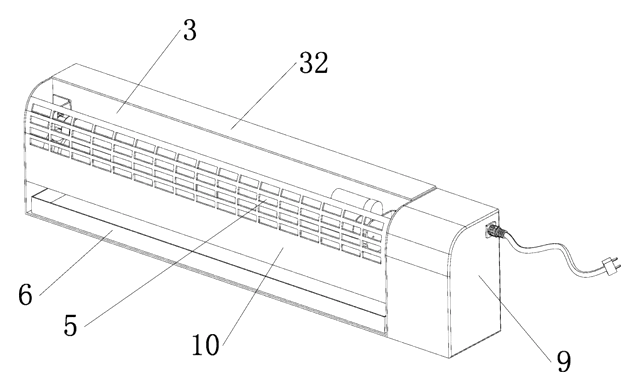
Self-Renewing Glue-Roller Mosquito Trap
UV insect trap with a glue roller that re-coats itself and scrapes the catch into a tray - no glue boards.
Patent CN217038569U
Garden & Outdoor
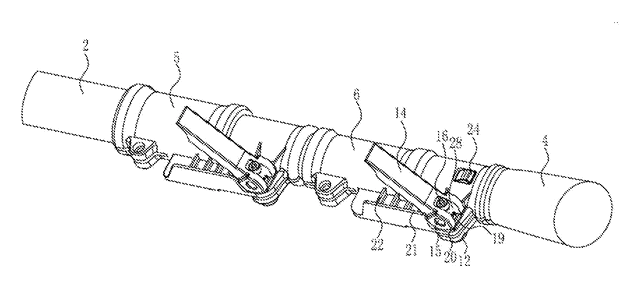
Cam-Lock Telescopic Pole for Garden Power Tools
Telescopic pole for garden power tools with cam-lever locks and a spring-button, tear-drop head socket.
Patent CN205812889U
Garden & Outdoor
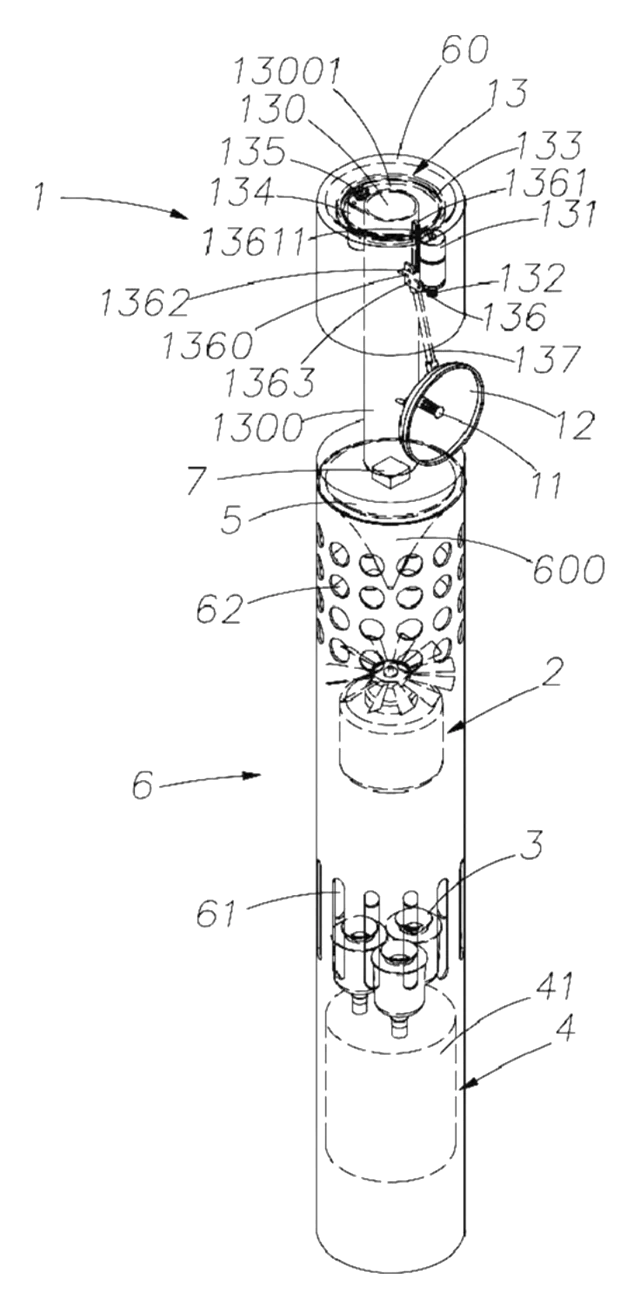
Mosquito Fan That Listens for Mosquitoes Before It Sprays
Fan with a scanning microphone dish that mists repellent only when it hears mosquitoes.
Patent CN208708542U
Browse by category
- Apparel & Accessories (49)
- Baby & Kids (29)
- Bags & Luggage (17)
- Bath & Personal Care (32)
- Car Accessories (25)
- Furniture, Bedding & Storage (25)
- Garden & Outdoor (34)
- Health & Wellness (14)
- Home, Kitchen & Cleaning (51)
- Lighting (23)
- Packaging & Containers (12)
- Pet Products (12)
- Phone & Camera Accessories (9)
- Retail Display (25)
- School, Office & Art (37)
- Sports & Recreation (47)
- Tools & Workshop (55)
- Toys & Games (23)
This page is based on the public patent document CN113693045B, assigned to Zhoukou Normal University. IP2M is an independent manufacturing service and is not affiliated with, endorsed by or licensed by the patent owner. Images marked as concept renderings are illustrations, not photos of an existing product. Patent status information is provided for reference only and is not legal advice; confirm freedom to operate for your market before production. Full disclaimer.