
Patent CN113712375B
Updated November 4, 2026Automatic Air-Dry Bottle Brush Storage with Fan and Sealed Chamber
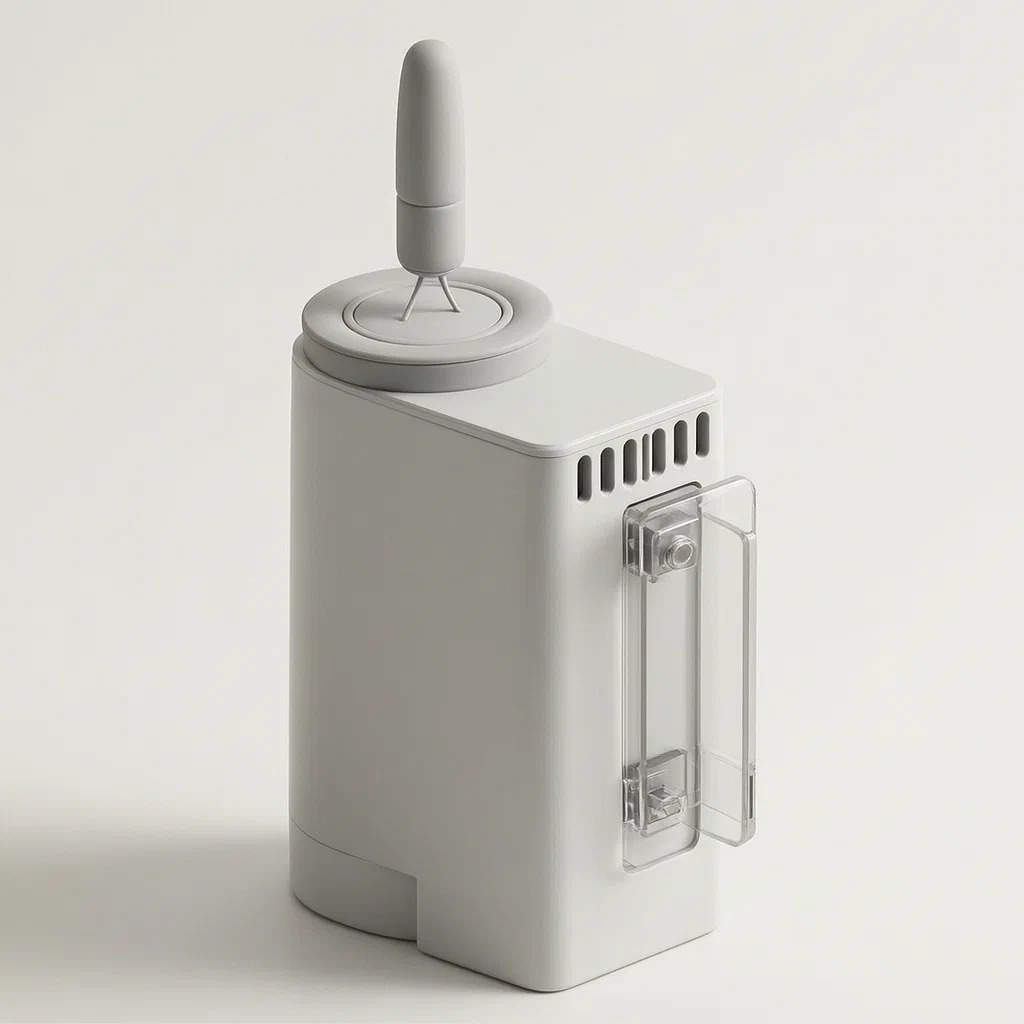
Wet bottle brushes left in standard holders can develop odors or mold before they dry. This design solves that by combining storage and active drying in one unit. The user inserts the wet brush into the top port, which is sealed by a flexible rubber grommet to prevent dust entry. Pushing a switch on the front panel slides an internal hatch downward. This action simultaneously uncovers air intake and exhaust holes on the body’s sides and engages a microswitch to start a battery-powered fan. Air circulates through the chamber, drying the bristles. Once the timer finishes, an electromagnet releases the hatch, which springs back up to close the vents, sealing the clean, dry brush inside.
- China invention patent - in force
- No filings outside China
- Kitchen cleaning accessories
- Battery-powered fan, silicone seal, plastic housing
Splat! What let you down?
💨
Active Air Drying
An internal fan circulates air through the chamber when the sliding hatch opens the vents.
🔒
Sealed Storage
The hatch closes automatically after drying, sealing the brush in a clean, closed chamber.
🎛️
Sliding Hatch Control
One sliding motion opens air ports and activates the fan; a timer ends the cycle.
🧼
Soft Rubber Seal
A horn-shaped rubber cover at the top entry seals around the brush handle to keep out dust.
Bring this product to market
- ✓ Patent review Patent family and legal status reviewed in the relevant jurisdictions.
- 2 Product brief · now How it works, uses and options written up
- 3 Prototype First samples for buyers to review
- 4 Pilot run Small first batch for launch customers
- 5 Volume production Repeat orders at scale
Buyer interest
– of 100 buyers needed to start prototyping
One click, no sign-up. Each vote is one real visitor, and products with the most interest go to prototyping first.
Build team: no members yet. Need a partner, co-funding or skills to build this? Join and we introduce the team once it forms.
Patent Rights & Team Participation
Before joining a development team, participants should ensure they have the necessary rights or authorization to participate in the project.
Participation is generally appropriate where:
- You own the relevant patent rights or have obtained permission or a license from the rights holder.
- The relevant patent rights have expired or have been legally invalidated in the jurisdictions where the planned activities will take place.
- The planned development, manufacturing, and commercialization activities have been independently assessed and do not infringe applicable patent rights in the relevant jurisdictions.
Important: Being located outside a country where a patent is protected does not automatically exempt you from patent infringement risks. Patent rights may apply based on where development, manufacturing, use, sale, or import activities take place.
IP2M does not grant any patent license or authorization through team participation. Joining a project does not provide permission to use, manufacture, or commercialize patented technology.
The problem
Standard bottle brush holders often lack ventilation or drying mechanisms. After washing a baby bottle or water flask, the brush remains wet if placed in a typical stand. This moisture creates an environment for bacterial growth and unpleasant odors. Users frequently have to wipe brushes manually or leave them exposed to air, which collects dust. There is a need for a compact accessory that stores the brush securely while actively removing moisture without requiring constant human attention.
The solution
The device combines a storage container with an automated drying cycle controlled by a single mechanical interface.
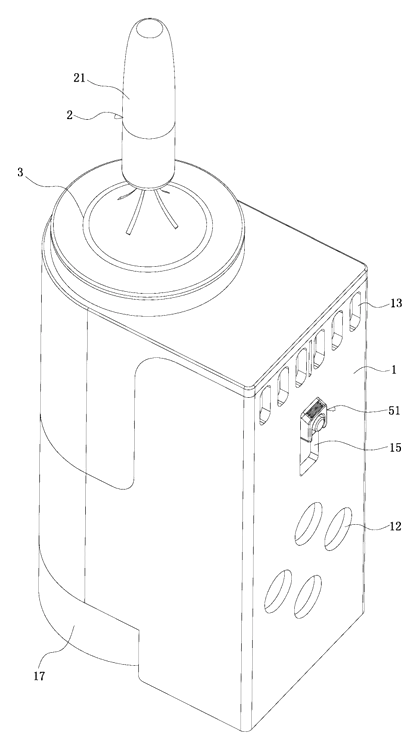
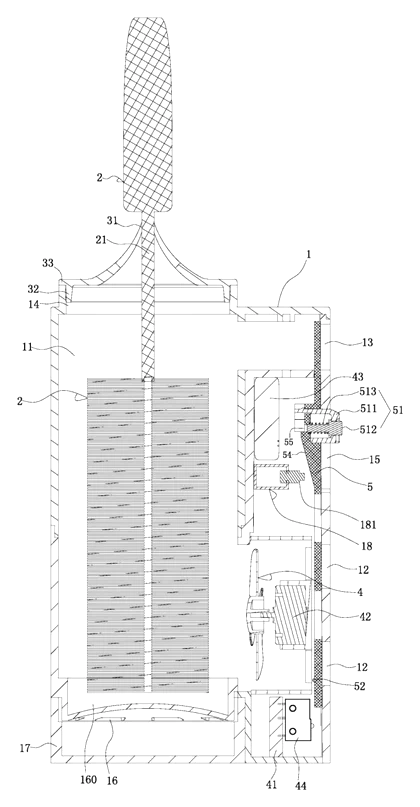
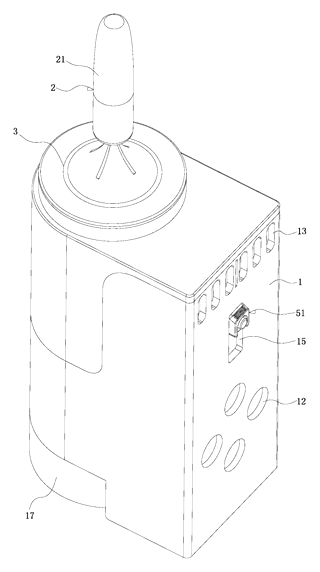
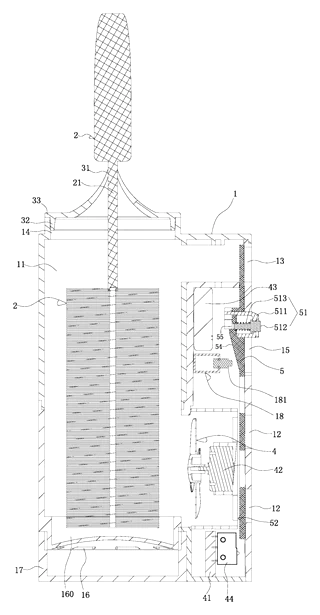
- Insertion: The wet bottle brush is inserted into a jack (14) at the top of the storage main body (1). A soft rubber cover (3) fits over the brush handle (21), creating a seal against the main body.
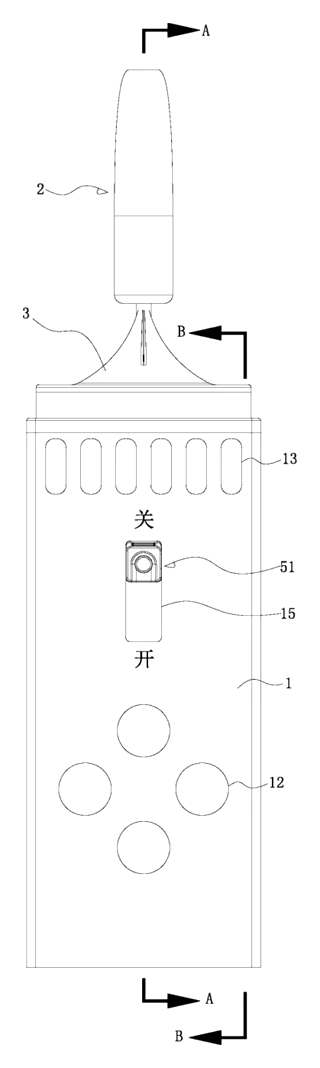
- Activation: The user pushes the switch (51) located on the front sliding cabin door (5). This door slides down within the body.
- Vent Opening: As the door slides, it uncovers the air inlet holes (12) near the top and the air outlet holes (13) near the bottom of the main body.
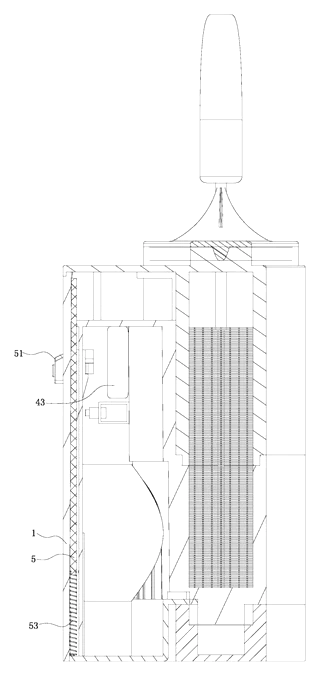
- Fan Operation: The movement of the door touches a microswitch (44). This signal goes to the control circuit board (41), which powers the battery (43) to run the fan (42).
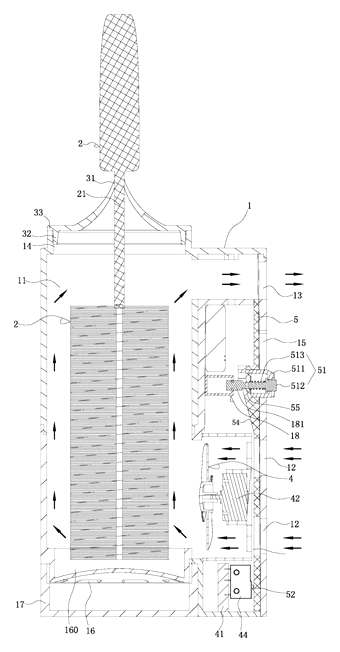
- Drying Cycle: Air enters from the top, passes through the chamber containing the brush, and exits through the bottom vents, drying the bristles.
- Locking: An electromagnet lock (18) engages to hold the door in the open position during the drying time set by the circuit board’s timer.
- Closing: When the timer expires, the electromagnet unlocks. A return spring (53) pushes the sliding cabin door (5) upward. This closes the air vents and stops the fan, sealing the dry brush inside the chamber.
Who it is for
- Baby Product Brands: Companies selling feeding sets who want to offer a hygiene-focused accessory that distinguishes their kit from basic competitors.
- Kitchenware Retailers: Stores looking for high-margin small appliances or gadgets that solve specific pain points like moldy sponges or wet brushes.
- Hotel and Hospitality Suppliers: Facilities needing self-contained, sanitary solutions for cleaning staff to store tools between shifts without cross-contamination risks.
- Outdoor Gear Manufacturers: Brands targeting campers or travelers who need compact, battery-operated cleaning tools that dry quickly in humid environments.
How it works
The main parts
| No. | Part | What it does |
|---|---|---|
| 1 | Storage Main Body | Houses the chamber (11) and electronics; features vents (12, 13). |
| 2 | Bottle Brush | The item being dried; has a handle (21) and bristles. |
| 3 | Soft Rubber Cover | Seals the top entry point around the brush handle. |
| 4 | Air Drying Device | Includes fan (42), battery (43), PCB (41), and microswitch (44). |
| 5 | Sliding Cabin Door | Moves vertically to open/close vents and trigger the fan. |
| 18 | Electromagnet Lock | Holds the door open during the drying cycle. |
| 53 | Return Spring | Closes the door automatically when unlocked. |
Operating steps
- Load: Insert the wet brush into the top jack. The rubber cover seals the gap.
- Start: Slide the external switch down. This moves the internal hatch, exposing vents and hitting the microswitch.
- Dry: The fan runs, pulling air through the chamber. The electromagnet locks the hatch open.
- End: The timer cuts power to the magnet. The spring lifts the hatch, closing vents and stopping the fan.
- Store: The brush remains sealed inside the body until removed for the next use.
Applications
Baby Feeding Stations
Parents wash multiple bottles daily. Placing wet brushes in this device ensures they are dry and bacteria-free for the next sterilization cycle, reducing manual wiping effort.
Gym Water Bottles
Athletes use large capacity flasks. After rinsing, the brush can be stored here to dry quickly between workouts, preventing mildew smells that linger in damp gym bags.
Professional Cleaning Kits
Housekeeping teams carry specialized brushes for different surfaces. This unit allows them to store cleaned tools hygienically between clients, ensuring no cross-contamination or odor transfer.
RV and Camping Kitchens
Space is limited in recreational vehicles. This compact, battery-powered unit eliminates the need for bulky drying racks or towel-lined drawers, keeping cleaning supplies ready for use in remote locations.
Where it is less suitable
- Industrial-Scale Brushes: Large commercial scrubbing tools will not fit in the chamber or may exceed the fan’s airflow capacity.
- High-Humidity Environments Without Ventilation: If the room itself is extremely saturated, passive air circulation might take longer than expected; dehumidification is not provided.
- Continuous Heavy Use: Battery life depends on usage frequency; users with very high turnover rates may need frequent charging cycles compared to plug-in alternatives.
Patent & Production
At a glance
| Patent number | CN113712375B (application CN202111030035) |
| Type | China invention patent (发明专利) - protects product structure and method |
| Original title | Automatic air-dry bottle brush accumulator (自动风干瓶刷储存器) |
| Patent owner | Xi’an Aichuangjia Helper Intelligent Technology Co ltd |
| Inventors | Cheng Mingyuan |
| Filing date | 2021-09-03 |
| Grant date | 2022-09-23 |
| Status (China) | In force - valid until at most 2041-09-03, subject to annual fee payments |
| Patent family | Public record shows Chinese filings only - no US, European, Japanese, PCT or other filings listed |
| Cited by | 0 later documents |
| Source | Google Patents (search for CN113712375B) |
What the claims cover, in plain language
Claim 1 defines an automatic air-dry bottle brush storage device comprising a main body (1) with a chamber (11), air inlet (12) and outlet (13) holes, and a top jack (14) fitted with a soft rubber cover (3). It includes an air drying device (4) with a control circuit board (41), a fan (42), a battery (43), and a microswitch (44). A sliding cabin door (5) moves within the body via a switch (51); sliding the door opens the air holes and triggers the microswitch to start the fan, drying the brush inside.
Claims 2-5 detail the locking mechanism: an electromagnet lock (18) holds the door open at the bottom position. A return spring (53) closes the door when the magnet is released. The control board includes a timer that automatically unlocks the magnet after a set duration, allowing the spring to reset the door to the closed, sealed position.
Claims 6-7 describe the manual override switch (51), consisting of a sleeve, key, and second spring, allowing the user to manually unlock the door.
Claims 8-10 specify physical details: the soft rubber cover (3) has a horn shape with a convex ring (32) and blocking edge (33) for sealing; the battery is rechargeable; and the bottom includes drain holes (16) and a detachable water receiving box (17) to catch residual drips.
This is a simplified reading for orientation only. The legal scope is defined by the exact claim wording in the official Chinese document.
What this means for US production
This patent was filed in China and is currently in force. Making or selling this specific design in China requires the owner’s permission. However, the public record shows no US counterpart or other foreign family members. Therefore, producing or selling this design in the United States is not restricted by this specific patent.
Two points to settle early:
- Other patents may exist. Kitchen cleaning accessories and battery-operated household devices are crowded fields. While this specific combination of a sliding hatch-triggered fan and electromagnet timer lock appears unique in this document, a freedom-to-operate (FTO) review is recommended to check for broader US patents covering similar air-drying containers or electronic latch mechanisms.
- Component sourcing. The design relies on specific integration of a microswitch, electromagnet, and spring-loaded sliding door. Ensuring these components meet US safety standards for batteries and electrical isolation is critical before mass production.
Customization and manufacturing
What can be customized
| Area | Options |
|---|---|
| Housing Material | ABS or PP plastic; color options; matte or glossy finish |
| Rubber Seal | Silicone hardness (Shore A); diameter variations for different brush handles |
| Fan Type | DC brushless motor vs. brushed; noise level tuning; airflow direction |
| Power Source | Rechargeable Li-ion pack (USB-C charging) or AA/AAA battery compartment |
| Timer Logic | Adjustable drying duration (e.g., 10, 20, 30 minutes); LED status indicators |
| Vents | Pattern and size of inlet/outlet holes; filter mesh addition for dust prevention |
Things to plan for (US market)
- UL 62368-1 - Safety standard for audio/video, information and communication technology equipment; applies to the battery and charging circuitry.
- UN 38.3 - Transportation testing for lithium-ion batteries; required for shipping.
- FDA 21 CFR - Food contact material guidelines apply to the inner chamber and rubber seal if marketed for baby products or food-prep areas.
- CPSC 16 CFR 1500 - Hazardous substances requirements, particularly relevant if sold as a children’s product accessory.
How a project runs
- Inquiry - Define target price, battery type, and aesthetic preferences.
- Design - CAD modeling of the sliding mechanism, vent placement, and PCB layout.
- Prototype - 3D printed housings and functional electronics mockup for fit and airflow testing.
- Pilot Run - Injection molded T1 parts, assembly of electronics, and durability testing of the latch/spring.
- Production - Mass injection molding, silicone molding for seals, PCB assembly, final assembly and packaging.
Quantities & timeline
The main body requires precision molds for the sliding track and vent structures. The rubber seal needs a dedicated silicone mold. Electronics involve SMT assembly for the control board. Testing focuses on the reliability of the electromagnet release and spring return cycle. Send us your quantity, feature list, and target launch date and we will reply with options.
Production notes
Tooling and process
Injection molding is the primary process for the main body and sliding hatch. The soft rubber cover typically uses silicone molding or compression molding depending on volume. Metal components for the latch may require stamping. Assembly involves snap-fits for the housing halves and press-fit for the fan and battery contacts.
Cost drivers
Part count typically drives assembly costs, specifically the electromagnet, spring, and microswitch integration. Mold complexity usually increases with the internal sliding tracks and precise vent alignments. Surface finish choices (texture vs. polish) impact tooling lead times. Packaging volume affects logistics costs for retail-ready units.
Prototyping path
Prototyping typically begins with a 3D model to check interference between the sliding door and vents. Print the body for fit and handling tests. Use CNC or simple tooling for stressed parts like the latch interface. Build functional samples with off-the-shelf fans and boards to validate airflow and timing logic before committing to custom PCBs.
What we would change before tooling
We would likely verify the spring rate consistency for the auto-close function across temperature ranges first. Ensure the electromagnet lock shaft engagement angle prevents jamming. Check wire routing strain relief for the fan connection to avoid fatigue breaks during the sliding motion. Confirm the silicone seal durometer provides enough friction to stay seated but allow easy brush insertion.
Common failure points
Thin walls in the sliding track may warp or sink, causing friction. The electromagnet may fail to release if debris interferes with the lock shaft. Wire routing issues can lead to short circuits if insulation wears. Battery compartment security must prevent accidental opening by children. Residual water in crevices can cause corrosion on PCB contacts if drainage is insufficient.
Patent drawings
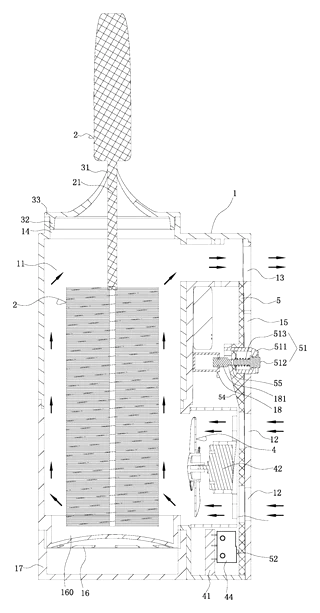
Drawings reproduced from the public patent document for reference.
Frequently asked questions
How does the drying cycle start?
You push the switch on the front panel. This slides an internal hatch down, which uncovers the air vents and physically presses a microswitch. That signal tells the circuit board to turn on the fan.
Does it heat the air?
No. The patent describes a fan that circulates ambient air. It does not include a heating element. Drying relies on airflow evaporation, which is safer for plastics and silicone parts.
How long does it take to dry a brush?
The control circuit board includes a timer. The specific duration is set in design and confirmed on prototypes based on typical brush sizes and ambient humidity levels.
Can I use any bottle brush?
The top entry has a soft rubber cover designed to seal around the brush handle. It accommodates standard bottle brush stems. Very thick handles or unusual shapes may not create a proper seal, which could reduce drying efficiency.
Is it waterproof?
The main body is sealed when the hatch is closed. However, there are drain holes at the bottom and a removable water tray. It is designed to catch drips from the wet brush, not to be submerged in water.
How do I charge it?
The patent specifies a rechargeable battery. The charging interface (such as USB-C) is determined by the final design choice and component availability.
Can this design be made and sold in the US?
The patent is in force in China, but the public record shows no US counterpart. Therefore, this specific patent does not restrict making or selling the design in the US. However, kitchen gadgets are heavily patented, so a freedom-to-operate check is recommended to ensure no other US patents cover similar electronic drying mechanisms.
Are you affiliated with the patent owner?
No. IP2M is an independent design and manufacturing service working from the public patent document.
Request a quote
Click Request a Quote below to see our email address - copy it, or open your email app with a ready-made message. Please mention patent CN113712375B in the subject.
Helpful details to include:
- Your company and channel (baby brand, kitchenware retailer, hospitality supplier)
- Target retail price and estimated annual volume
- Preferred materials (ABS/PP color, silicone grade)
- Power preference (Li-ion battery capacity, charging port type)
- Feature additions (LED lights, adjustable timer, filter mesh)
- Timeline - when you would like samples and the first shipment
You can also reach us at (332) 203-9997.
Page editor: Daniel Chen, Product Research Editor · IP2M
Last updated November 4, 2026. If something on this page looks wrong, email [email protected] and we will check it against the patent.
Interested in building this?
Tell us your target market, quantity and timeline. We reply with options for prototyping, small-batch runs or volume production.
Send your inquiry to
Please put CN113712375B in the subject line and tell us your company, country, estimated quantity and timeline.
Prefer to talk? Call (332) 203-9997.
More product-ready patents
All Home, Kitchen & Cleaning patents →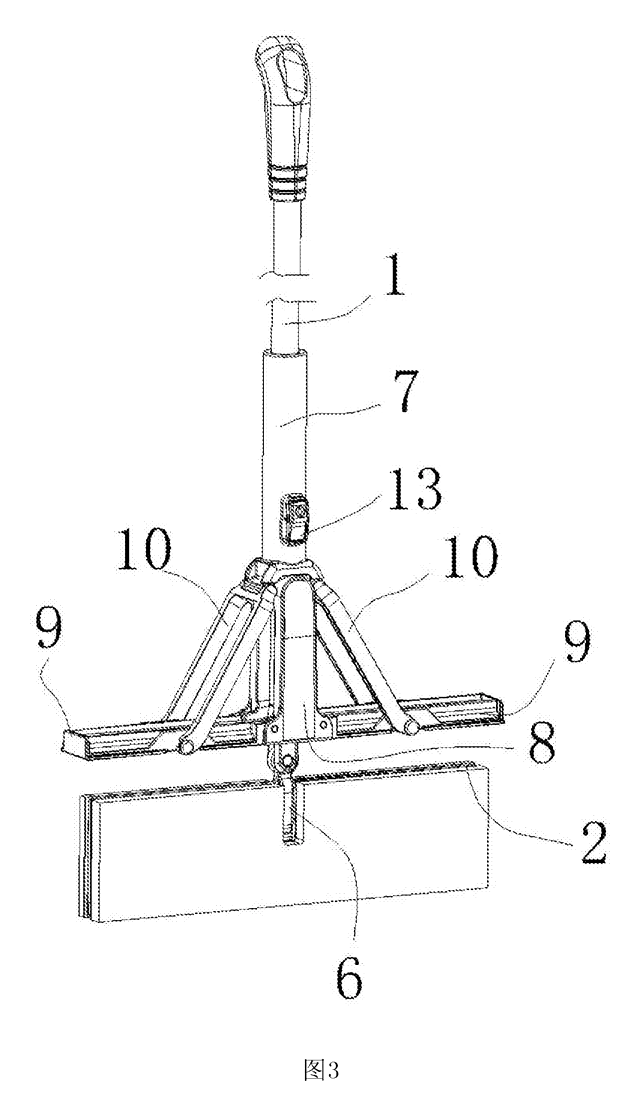
Home, Kitchen & Cleaning
Self-Wringing Flat Mop with Fold-Away Wringer
Flat mop with a built-in wringer that opens only when you wring and folds flat against the pole when you mop.
Patent CN207734114U
Home, Kitchen & Cleaning
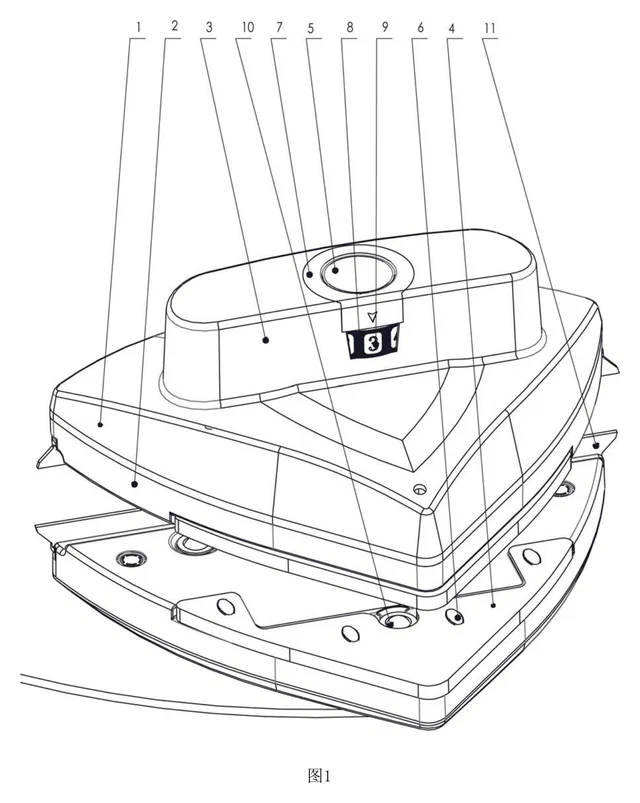
Magnetic Double-Sided Window Cleaner with Dial-Set Magnet Strength
Magnetic window cleaner with a sealed, sliding magnet, dial-set strength for different glass thicknesses and a spring-held idle position.
Patent CN209360543U
Home, Kitchen & Cleaning
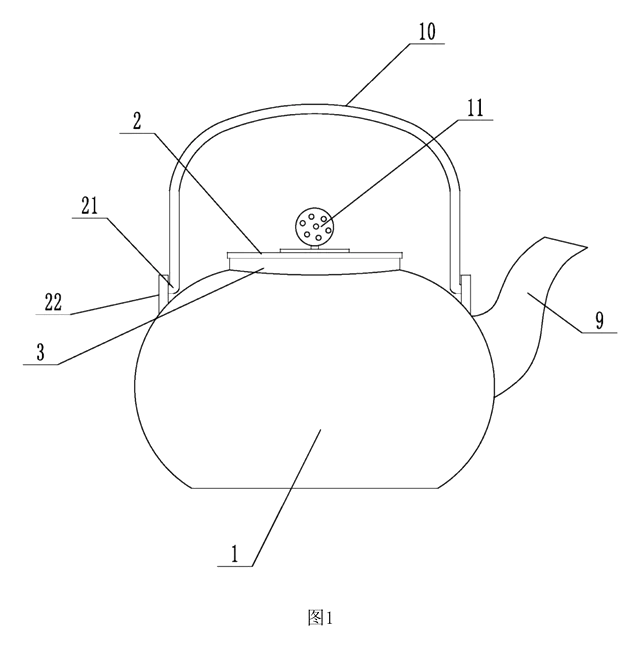
Metal Kettle with Magnetic Lid That Stays On When Pouring
Metal teapot/kettle with a magnet-held lid that does not fall off when pouring, and an insulated, vented lid knob.
Patent CN210540477U
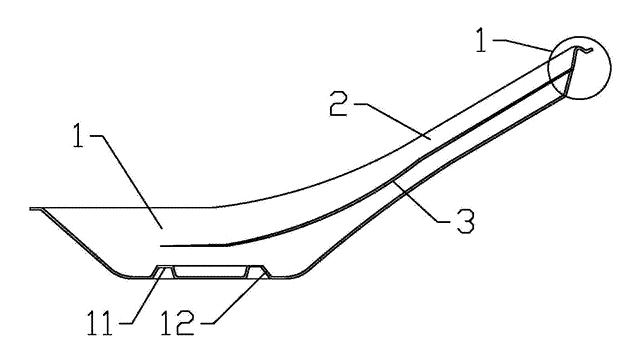
Home, Kitchen & Cleaning
Reinforced Disposable Soup Spoon
Disposable soup spoon with a handle-to-bowl rib, stiffened edges and a ring foot to resist breaking.
Patent CN206964482U
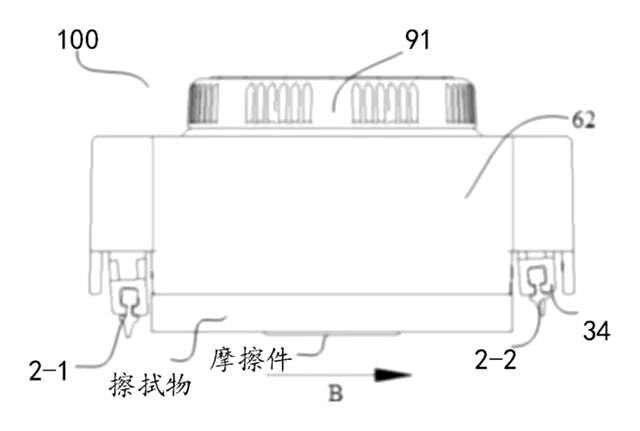
Home, Kitchen & Cleaning
Self-Switching Double-Squeegee Window Cleaner
Cleaning head with two squeegee blades that switch automatically with the direction of movement.
Patent CN212630655U
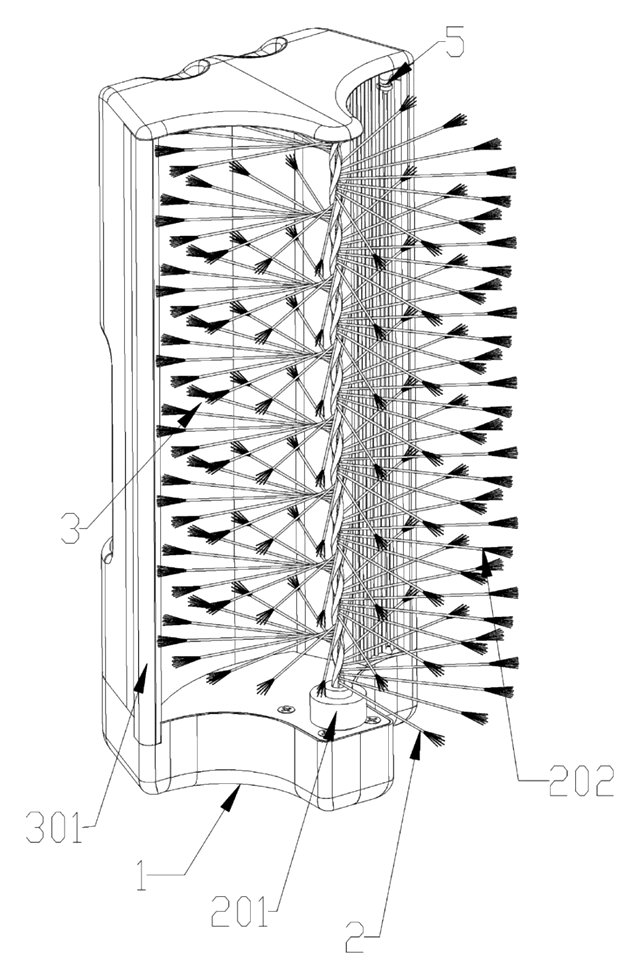
Home, Kitchen & Cleaning
Self-Rinsing Roller Scrub Brush with Dirty-Water Tank
Powered roller brush that rinses and spins its bristles clean inside the body and stores the dirty water.
Patent CN210076909U
Browse by category
- Apparel & Accessories (38)
- Baby & Kids (26)
- Bags & Luggage (15)
- Bath & Personal Care (26)
- Car Accessories (21)
- Furniture, Bedding & Storage (20)
- Garden & Outdoor (28)
- Health & Wellness (12)
- Home, Kitchen & Cleaning (43)
- Lighting (20)
- Packaging & Containers (10)
- Pet Products (9)
- Phone & Camera Accessories (8)
- Retail Display (21)
- School, Office & Art (30)
- Sports & Recreation (37)
- Tools & Workshop (46)
- Toys & Games (19)
This page is based on the public patent document CN113712375B, assigned to Xi'an Aichuangjia Helper Intelligent Technology Co ltd. IP2M is an independent manufacturing service and is not affiliated with, endorsed by or licensed by the patent owner. Images marked as concept renderings are illustrations, not photos of an existing product. Patent status information is provided for reference only and is not legal advice; confirm freedom to operate for your market before production. Full disclaimer.