
Patent CN114027591B
Updated October 28, 2026Toggle-Unlock Buckle with Combined Opening Motion
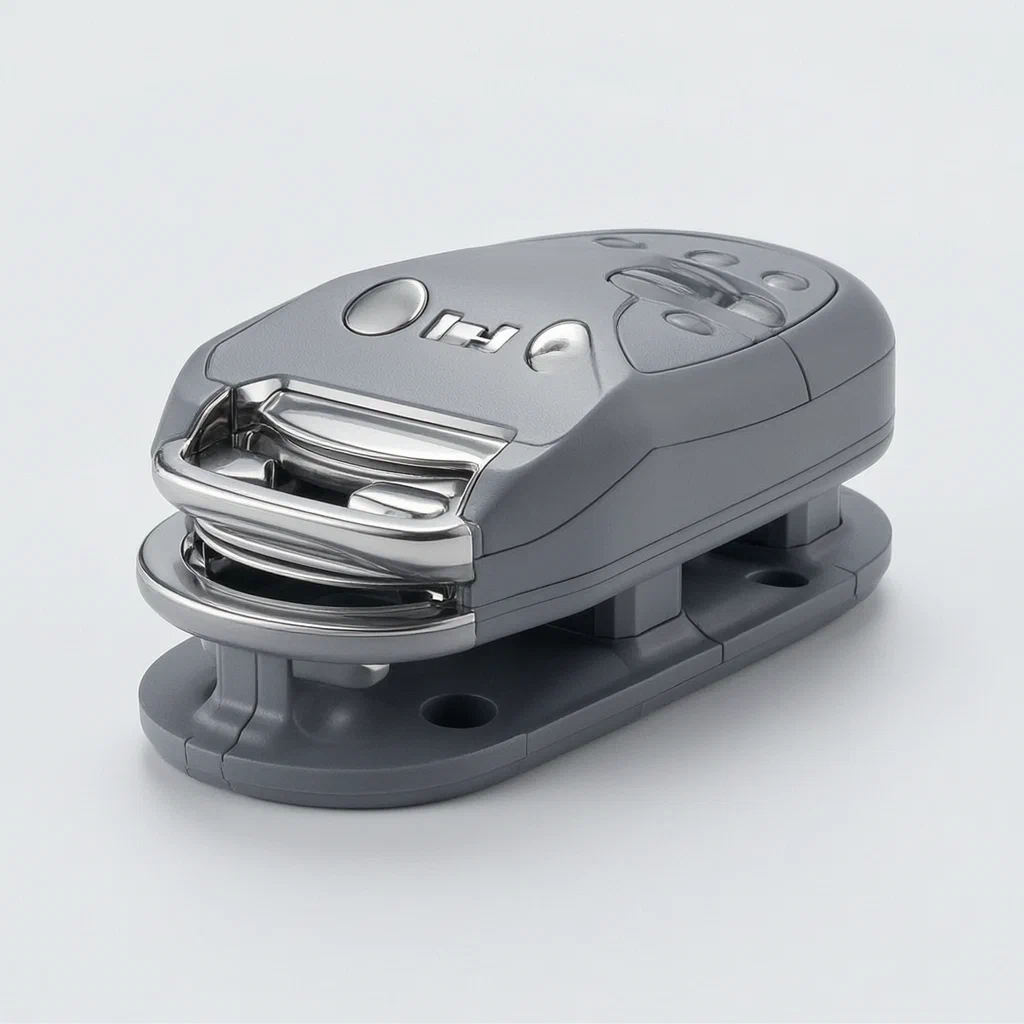
Standard buckles require two separate actions: releasing the latch, then pulling the flap open. This design combines them. The first connecting module carries a convex lock tongue that inserts into a fixing hole in the second connecting module. Inside the second module, a rigid locking part extends across the hole to hold the tongue. A pivoting unlocking piece has an exposed toggle portion. When you lift the toggle away from the first module, a pressing part on the unlocking piece pushes a rigid pushing part on the locking part, sliding it out of the fixing hole and freeing the tongue. Because the toggle moves in the same direction as the bag or helmet flap opens, lifting the toggle simultaneously releases the buckle and raises the cover. Elastic portions spring the parts back when released. Optional magnets between the modules draw them together for quick alignment, and an extruding part helps separate the magnets during unlocking to reduce pull force.
- China invention patent - in force
- No filings outside China
- Bags, helmets, shoes
- Pivoting toggle, rigid locking linkage, optional magnets
Splat! What let you down?
🔄
One-motion release
The toggle moves in the same direction as the cover opens, combining unlocking and lifting into a single action.
🔒
Rigid locking linkage
A pressing part on the unlocking piece drives a pushing part on the rigid locking part out of the fixing hole.
🧲
Magnetic assist
Magnets between the modules attract for quick alignment; an extruding part reduces magnetic force during unlocking.
↩️
Elastic return
Elastic connection portions use spring force to return the locking part and unlocking piece to the locked position.
Bring this product to market
- ✓ Patent vetted China-only family and legal status checked
- 2 Product brief · now How it works, uses and options written up
- 3 Prototype First samples for buyers to review
- 4 Pilot run Small first batch for launch customers
- 5 Volume production Repeat orders at scale
Buyer interest
– of 100 buyers needed to start prototyping
One click, no sign-up. Each vote is one real visitor, and products with the most interest go to prototyping first.
Build team: no members yet. Need a partner, co-funding or skills to build this? Join and we introduce the team once it forms.
The problem
On bags, backpacks, helmets and shoes, conventional buckles separate the unlocking step from the opening step. The user must press or slide a latch to release the connection, then use another hand or a second motion to lift the flap or strap away from the body. This takes time and can be difficult when carrying items or wearing gloves. Additionally, some magnetic closures hold so firmly that pulling them apart requires significant force, while purely mechanical latches may need precise finger placement to release.
The solution
This buckle uses a two-module structure where the act of lifting the cover also triggers the release mechanism.
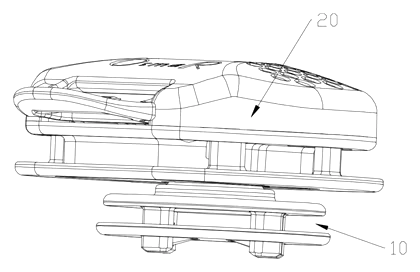
- A first connecting module (10) carries a convex lock tongue (11).
- A second connecting module (20) has a fixing hole (223) that accepts the lock tongue along a locking direction.
- Inside the second module, a rigid locking part (231) extends across the fixing hole to catch the lock tongue.
- An unlocking piece (23) pivots within the second module, with an exposed toggle portion (233) outside the housing.
- When the toggle portion is shifted away from the first module, a pressing part (237) on the unlocking piece pushes a pushing part (238) on the locking part, moving it rigidly out of the fixing hole to free the lock tongue.
- Because the toggle shift follows the opening direction, lifting the toggle simultaneously releases the lock and raises the attached cover.
Who it is for
- Bag and backpack brands looking for a single-motion closure on school bags, knapsacks or messenger flaps, where users often carry items in one hand.
- Helmet manufacturers needing a secure chin-strap or visor fastener that opens quickly with a natural lifting motion.
- Footwear companies designing shoes with mechanical straps or covers that benefit from tool-free, rapid adjustment.
- Outdoor gear makers producing cases or pouches where gloved operation makes standard small latches difficult to manipulate.
How it works
The main parts
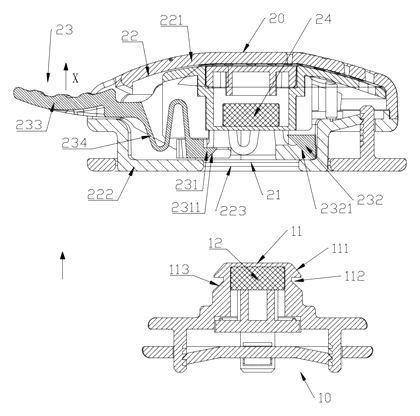
| No. | Part | What it does |
|---|---|---|
| 10 | First connecting module | Carries the lock tongue (11) and attaches to the product body. |
| 11 | Lock tongue | Convex protrusion that enters the fixing hole. |
| 20 | Second connecting module | Houses the locking mechanism; attaches to the cover or flap. |
| 22 | Housing | Outer shell of the second module, containing the fixing hole (223). |
| 23 | Unlocking piece | Pivots inside the housing to trigger release. |
| 231 | Locking part | Rigid structure extending into the fixing hole to catch the lock tongue. |
| 233 | Toggle portion | Exposed end of the unlocking piece that the user lifts. |
| 234 | First elastic connection portion | Pushes the locking part back into the fixing hole by elastic force. |
| 235 | Second elastic connection portion | Forces the unlocking piece to pivot back to the reset position. |
| 237 | Pressing part | Moves with the unlocking piece to push the locking part. |
| 238 | Pushing part | Rigid feature on the locking part driven by the pressing part. |
Locking and unlocking steps
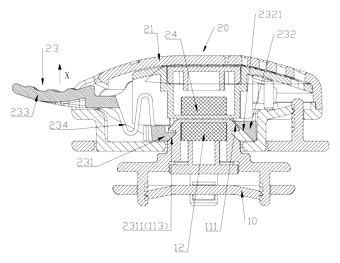
- Alignment - The first connecting module approaches the second connecting module. If magnets are present, they attract to align the parts.
- Insertion - The lock tongue (11) slides into the fixing hole (223) along the locking direction.
- Engagement - The first elastic connection portion (234) pushes the rigid locking part (231) to extend into the fixing hole range, catching the lock tongue.
- Unlocking - The user shifts the toggle portion (233) away from the first module. The unlocking piece (23) pivots.
- Release - The pressing part (237) pushes the pushing part (238), driving the locking part (231) rigidly out of the fixing hole. The lock tongue is freed.
- Opening - The continued lifting motion separates the modules and opens the cover in one movement.
- Reset - Releasing the toggle allows the second elastic connection portion (235) and first elastic connection portion (234) to return all parts to the locked state.
Applications
School bags and backpacks
Students frequently open and close flap-style school bags. Mounting the first module on the bag body and the second on the flap allows the student to lift the flap’s edge to simultaneously release the buckle and open the bag, saving time when accessing books.
Helmets
Chin straps or visor covers on helmets require secure closure that opens rapidly. The toggle motion aligns with lifting the visor or unfastening the strap away from the face, allowing one-handed operation without fumbling for a small release button.
Footwear
Shoes with mechanical closures or adjustable straps benefit from a buckle that releases when the strap is pulled upward. The rigid locking part holds the shoe snug, while the toggle provides a clear grip point for removal.
Outdoor equipment cases
Hard or soft cases used outdoors often have covers that must be opened while wearing gloves. The exposed toggle portion provides a large surface to lift, and the combined motion avoids the fine motor skills needed for standard side-release buckles.
Where it is less suitable
- Heavy structural loads - The patent describes applications for bags, helmets and shoes; it does not specify load ratings for industrial rigging or heavy cargo tie-downs.
- Continuous high-tension straps - Environments requiring constant extreme tension may exceed the capacity of the rigid locking part dimensions described.
- Fully concealed closures - The toggle portion must remain exposed outside the housing for the user to shift it, making it unsuitable for designs requiring invisible fasteners.
Frequently asked questions
How does the one-motion unlocking work?
The toggle portion on the unlocking piece is positioned so that lifting it away from the first module follows the same path as opening the bag flap or helmet visor. As the toggle pivots, its pressing part pushes the rigid pushing part on the locking part, sliding the locking part out of the fixing hole and releasing the lock tongue in the same continuous movement.
Are magnets required for this buckle?
The patent describes magnets placed between the first and second connecting modules to attract each other, helping the parts align and snap together quickly. However, the core mechanical locking relies on the rigid locking part catching the lock tongue. Magnets are an addition, not the primary holding force.
What happens to the magnets when unlocking?
An extruding part is provided to facilitate separating the magnets. When the toggle is shifted, this extruding part acts between the combined surfaces of the first and second magnets to reduce their attractive force, lowering the effort needed to pull the modules apart.
Can the elastic parts break off?
The patent describes the first elastic connection portion and second elastic connection portion providing return force. In some embodiments, these are integrally formed with the unlocking piece or locking part. Material selection and thickness are set in design and confirmed on prototypes to ensure repeated flexing without failure.
Is the locking part made of metal or plastic?
The patent specifies that the locking part is a rigid structure but does not limit the material. For bags, helmets and shoes, engineering plastics like POM or reinforced nylon are typical, though metal inserts can be used if higher shear strength is needed. Final material choices are confirmed on prototypes.
Can the buckle be split into more pieces for easier molding?
Yes. The patent describes multiple embodiments. In some versions, the integrally formed unlocking member is constructed as two independent elements: a separate latch member and an unlocking member, connected to the housing via a locking post and locking hole. This allows different materials or simpler mold geometries.
What sizes are available?
The patent does not list specific dimensions. Overall size, lock tongue diameter and housing footprint are set in design based on the target product, whether a small shoe strap or a large backpack flap.
Can this design be made and sold in the US?
The patent was filed only in China and is currently in force there. It has no US counterpart, so it does not directly restrict making or selling the design in the US. However, other companies hold related patents in this field - see Patent & Production - so a freedom-to-operate check is recommended before volume production.
Are you affiliated with the patent owner?
No. IP2M is an independent design and manufacturing service working from the public patent document.
Request a quote
Click Request a Quote below to see our email address - copy it, or open your email app with a ready-made message. Please mention patent CN114027591B in the subject.
Helpful details to include:
- Your company and channel (bag brand, helmet maker, footwear company, outdoor gear manufacturer)
- Target product (school bag, helmet visor, shoe strap, etc.)
- Approximate dimensions or space constraints for the buckle
- Material preferences and whether magnets are required
- Estimated quantity and target price
- Timeline - when you would like samples and the first shipment
You can also reach us at (332) 203-9997.
Explore this product
Interested in building this?
Tell us your target market, quantity and timeline. We reply with options for prototyping, small-batch runs or volume production.
Send your inquiry to
Please put CN114027591B in the subject line and tell us your company, country, estimated quantity and timeline.
Prefer to talk? Call (332) 203-9997.
More product-ready patents
All Bags & Luggage patents →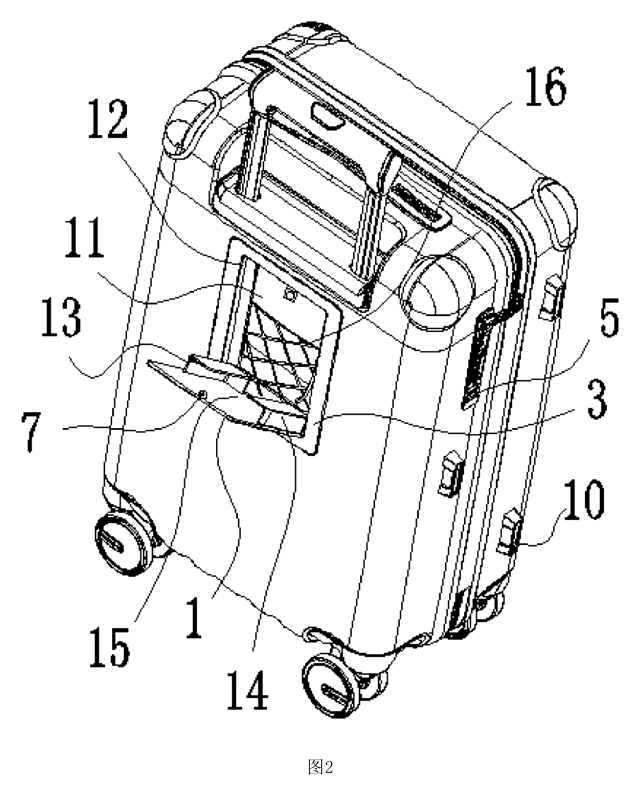
Bags & Luggage
Quick-Access Luggage with Fold-Down Back Compartment
Hard-shell suitcase with a fold-down compartment in the back panel for phone, passport and power bank - no need to open the case.
Patent CN210076793U
Bags & Luggage
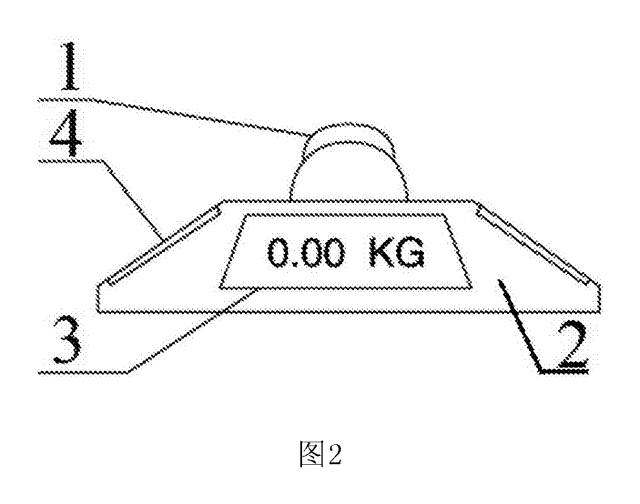
Luggage Handle with Built-In Scale
Suitcase carry handle with a built-in weighing sensor and display - lift the bag and read its weight.
Patent CN206670777U
Bags & Luggage
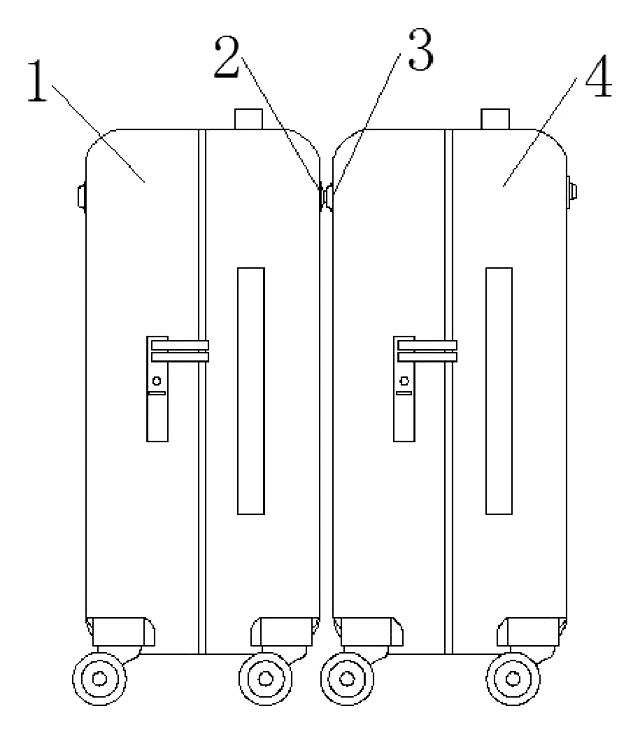
Snap-Together Luggage Connector
Stud-and-socket snap built into suitcases so two cases lock together and roll with one hand.
Patent CN209862619U
Bags & Luggage
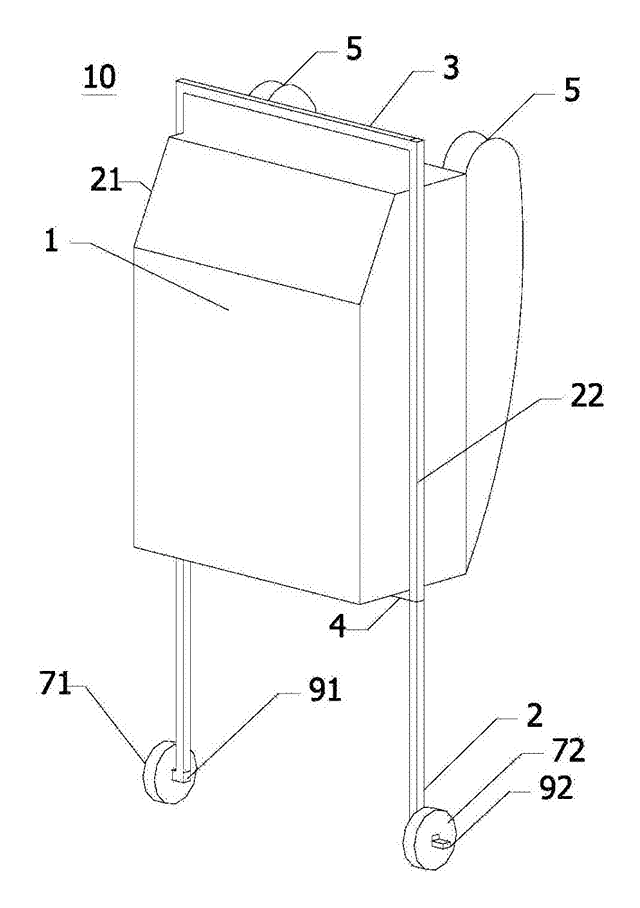
Side-Rail Rolling Backpack with Raised Wheels
Rolling backpack with pull rails on the sides, not the back, and rails that lower the wheels.
Patent CN207733803U
Bags & Luggage
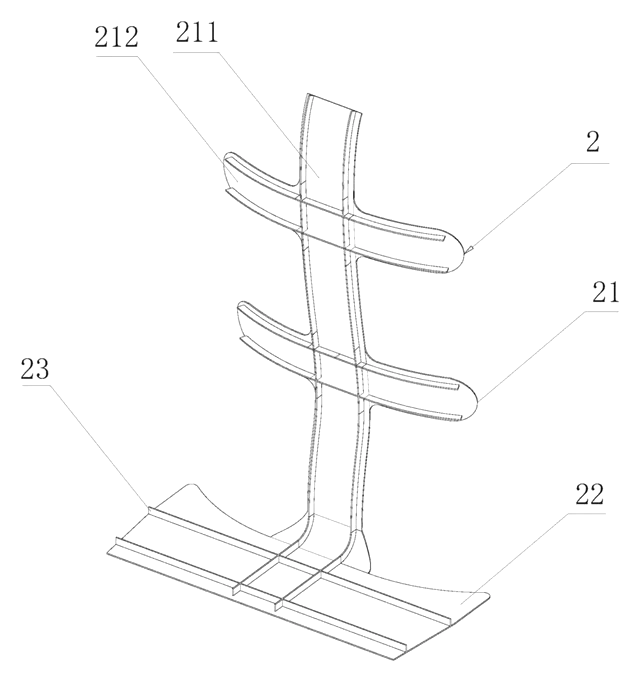
Backpack with Removable Body-Shaped Inner Frame
Backpack with a lift-out inner frame shaped to the back that spreads the load to the back and hips.
Patent CN216534262U
Bags & Luggage
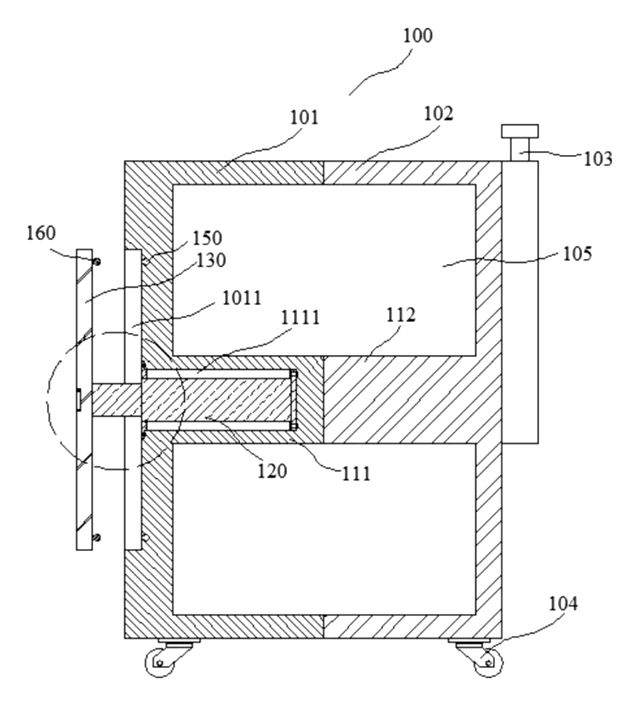
Hard-Shell Luggage Case with a Built-In Lift Table
Hard-shell luggage with a telescopic rod and desktop that rises from the lid.
Patent CN107485137B
Browse by category
- Apparel & Accessories (22)
- Baby & Kids (16)
- Bags & Luggage (9)
- Bath & Personal Care (16)
- Car Accessories (10)
- Furniture, Bedding & Storage (12)
- Garden & Outdoor (18)
- Health & Wellness (8)
- Home, Kitchen & Cleaning (24)
- Lighting (12)
- Packaging & Containers (6)
- Pet Products (6)
- Phone & Camera Accessories (4)
- Retail Display (13)
- School, Office & Art (19)
- Sports & Recreation (25)
- Tools & Workshop (27)
- Toys & Games (12)
This page is based on the public patent document CN114027591B, assigned to Lian Yang Plastic Shenzhen Co Ltd. IP2M is an independent manufacturing service and is not affiliated with, endorsed by or licensed by the patent owner. Images marked as concept renderings are illustrations, not photos of an existing product. Patent status information is provided for reference only and is not legal advice; confirm freedom to operate for your market before production. Full disclaimer.