
Patent CN114098240B
Updated November 3, 2026Seat Belt Buckle with Automatic Foreign Object Shield
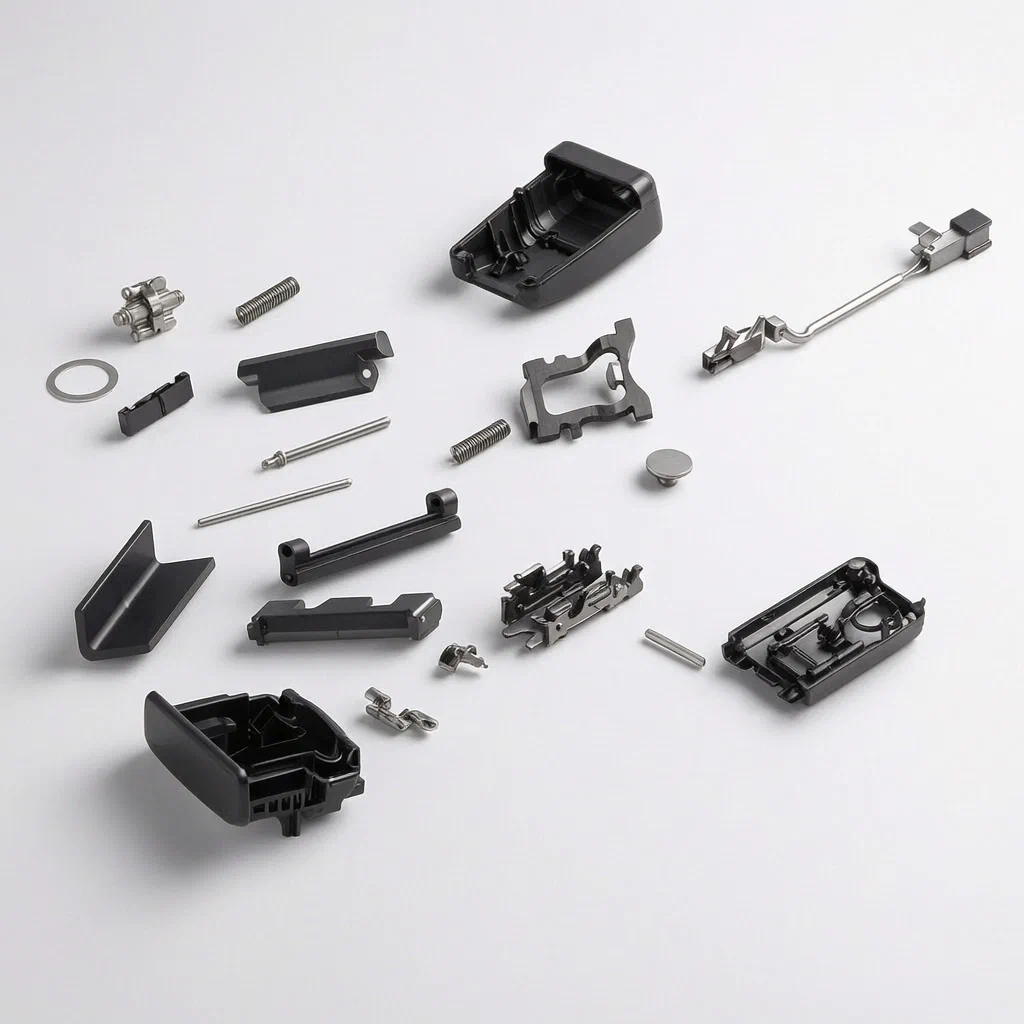
Open ports on standard seat belt buckles are vulnerable to debris. Sand, coins, or lint can enter the locking chamber, causing jams or failure to latch. This design solves that by adding a mechanical shutter. A packaging swinging piece covers the port when idle. Inserting the lock tongue pushes this piece aside via a rotating linkage. The linkage compresses torsion springs or relies on material elasticity. When you unclip, the springs snap the shutter back into place, closing the port before dirt can settle inside.
- China invention patent - active
- No filings outside China
- Automotive interior components
- Mechanical shutter for debris protection
Splat! What let you down?
🛡️
Debris Protection
Seals the insertion port to keep out sand, coins, and lint.
🔄
Auto-Reset
Springs return the cover to the closed position immediately after unbuckling.
⚙️
Rotating Linkage
The lock tongue's movement drives the cover via a simple rotating piece.
🔩
Torsion Spring Force
Uses torsion springs for consistent resetting pressure without complex electronics.
Bring this product to market
- ✓ Patent vetted China-only family and legal status checked
- 2 Product brief · now How it works, uses and options written up
- 3 Prototype First samples for buyers to review
- 4 Pilot run Small first batch for launch customers
- 5 Volume production Repeat orders at scale
Buyer interest
– of 100 buyers needed to start prototyping
One click, no sign-up. Each vote is one real visitor, and products with the most interest go to prototyping first.
Build team: no members yet. Need a partner, co-funding or skills to build this? Join and we introduce the team once it forms.
The problem
Standard seat belt buckles have an open port where the metal tongue inserts. In daily use, especially in vehicles driven off-road or in sandy environments, small foreign objects like sand grains, seeds, paper clips, or coins can fall into this cavity. These intruders interfere with the internal locking mechanism, potentially preventing the latch from engaging securely or making it difficult to release. Cleaning these cavities is difficult because they are deep and narrow, often requiring disassembly of the trim panel. Existing solutions rely on manual covers or filters that users forget to replace, leaving the buckle exposed during normal operation.
The solution
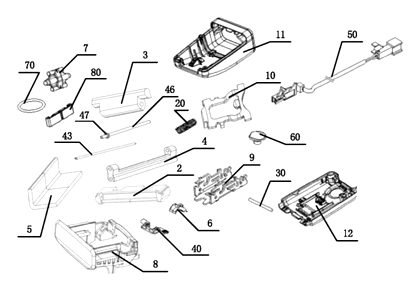
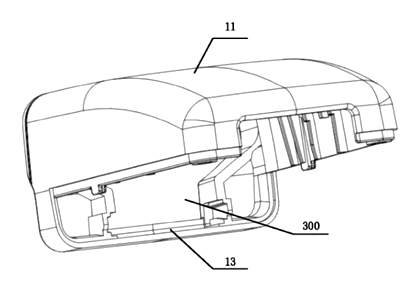
- The device integrates directly into the housing of the seat belt buckle. At the front end, a support piece is fixed using plug-in blocks that slide into slots on the housing.
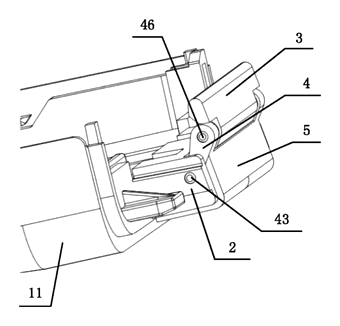
- A rotating piece is movably connected to this support piece. It acts as a lever arm. One part of the rotating piece connects to the support, while another part interacts with the cover.
- The packaging swinging piece (the cover) is attached to the second part of the rotating piece. In its resting state, this piece physically blocks the insertion port.
- When the user inserts the lock tongue, the physical presence of the tongue pushes against the packaging swinging piece.
- This push rotates the rotating piece. As the rotating piece turns, it compresses the connection to the packaging swinging piece, moving it out of the way to allow the tongue to enter the locking chamber.
- Simultaneously, the movement stores potential energy in the system, either through the deformation of the first/second part of the rotating piece or via torsion springs mounted on the connecting rods.
- When the lock tongue is removed, the stored elastic force drives the rotating piece back to its original position. This action pulls the packaging swinging piece back over the port, resealing it automatically.
Who it is for
- Automotive Tier-1 Suppliers: Manufacturers looking to differentiate their buckle lines by offering enhanced durability features for commercial or off-road vehicle segments.
- Off-Road Vehicle Brands: Companies producing trucks, SUVs, or construction equipment where cabin dust and debris are common issues affecting component reliability.
- Interior Trim Integrators: Designers who need compact mechanisms that fit within existing buckle footprints without adding significant height or width to the console area.
- Aftermarket Safety Accessories: Brands selling replacement buckles for older vehicles where wear and tear has already compromised standard latches; this design offers a cleaner, more robust alternative.
How it works
The main parts
| No. | Part | What it does |
|---|---|---|
| Support Piece | Base structure | Fixed to the housing front end; provides anchor points for the moving parts. |
| Rotating Piece | Lever mechanism | Connects the support to the cover; translates the tongue’s push into rotational motion. |
| Packaging Swinging Piece | Protective Cover | Physically blocks the port when closed; moves aside when the tongue is inserted. |
| First/Second Connecting Rods | Pivot Points | Allow the rotating piece to swing relative to the support and the cover. |
| Torsion Springs | Reset Force | Provide the elastic energy to return the cover to the closed position after use. |
| Plug-in Blocks | Mounting Tabs | Secure the support piece into the slots of the buckle housing. |
Operating Steps
- Idle State: The packaging swinging piece rests over the insertion port, sealing it completely. The torsion springs are in their neutral or pre-loaded state.
- Insertion: The user aligns the lock tongue with the port. The tip of the tongue contacts the packaging swinging piece.
- Actuation: As the tongue pushes forward, it forces the packaging swinging piece to rotate around its connection point with the rotating piece. This rotation causes the rotating piece to pivot on the support piece.
- Compression: The movement of the rotating piece winds up the torsion springs (or bends the elastic parts of the rod), storing energy. The port opens sufficiently for the tongue to reach the internal latch.
- Latching: The tongue engages the locking mechanism inside the housing. The packaging swinging piece remains displaced as long as the tongue is present.
- Release & Reset: When the user presses the release button, the tongue ejects. With the tongue gone, the torsion springs unwind, driving the rotating piece back. This pulls the packaging swinging piece across the port, closing it before debris can enter.
Applications
Off-Road Trucks and SUVs
Drivers in dusty or muddy conditions frequently open doors and interact with buckles in dirty environments. The auto-sealing port prevents grit from jamming the internal latch, reducing maintenance needs for rugged vehicles.
Commercial Fleet Vehicles
Trucks and buses undergo heavy daily use with multiple passengers entering and exiting. Coins, tickets, or trash often drop near the center console. This design ensures that incidental debris cannot fall into the critical locking cavity, improving uptime.
Construction Equipment Cabins
Heavy machinery operators work in highly particulate-rich environments. Standard buckles fail quickly due to sand ingress. A sealed port extends the service life of the restraint system in harsh industrial settings.
Marine and Boat Interiors
Salt spray and humidity cause corrosion and buildup in open mechanical parts. Keeping the buckle port covered when not in use protects the internal metal surfaces from environmental exposure, enhancing safety in marine applications.
Where it is less suitable
- High-Speed Racing Harnesses: Quick-release mechanisms often require minimal obstruction; added flaps might interfere with rapid unlatching protocols.
- Integrated Seat Electronics: If the buckle is heavily integrated with sensors and wiring in a tight space, the additional mechanical volume of the shutter may not fit.
- Low-Cost Economy Models: The extra parts (springs, precision rods) increase manufacturing complexity compared to basic stamped-metal buckles used in entry-level vehicles.
Frequently asked questions
Does the flap make it harder to buckle?
No. The mechanism is designed so that the natural pushing force of inserting the lock tongue opens the flap. The resistance is determined by the torsion spring stiffness, which can be tuned during design to feel light but positive.
Will the spring wear out over time?
The patent specifies torsion springs or elastic deformation of the rotating piece. In production, we use high-cycle fatigue-resistant steel for springs and engineering plastics (like POM) for pivots. We conduct accelerated life testing (e.g., 50,000 cycles) to verify longevity matches automotive standards.
Can this be added to existing buckle designs?
It depends on the internal layout. The device occupies space at the front end of the housing. For retrofits, we would need to modify the buckle mold or create an adapter plate. It is best suited for new tooling projects where the space is allocated from the start.
What happens if debris gets stuck under the flap?
The flap pushes down or rotates slightly if obstructed, but typically the act of buckling clears minor particles. If a large object (like a coin) blocks the path, the buckle may not latch fully, providing tactile feedback to the driver. The design prioritizes keeping debris out rather than grinding it through.
Is this safe for airbag systems?
Yes. This is a purely mechanical addition to the buckle port. It does not interfere with the electrical connectors or the pyrotechnic pretensioners usually housed in the base. However, any change to the buckle mass or dimensions should be validated against the specific vehicle’s crash test criteria.
Can I choose the color of the cover?
Yes. The packaging swinging piece is usually made of plastic and can be molded in black, grey, or custom colors to match the car’s interior trim. Metal parts can be plated or painted.
Can this design be made and sold in the US?
The patent is currently in force in China but has no US counterpart. Therefore, you can manufacture and sell this design in the US without infringing this specific patent. However, because seat belt technology is heavily patented globally, we strongly recommend a Freedom-to-Operate (FTO) search to ensure no other US patents cover similar debris-shield mechanisms.
Are you affiliated with the patent owner?
No. IP2M is an independent design and manufacturing service working from the public patent document. We are not licensed by Zhejiang Songyuan Automotive Safety Systems Co ltd.
Request a quote
Click Request a Quote below to see our email address - copy it, or open your email app with a ready-made message. Please mention patent CN114098240B in the subject.
Helpful details to include:
- Your company and role (Tier-1 supplier, aftermarket brand, OEM procurement)
- Target vehicle type (Passenger, Truck, Commercial, Marine)
- Required certifications (FMVSS, ECE, etc.)
- Estimated annual volume
- Timeline - when you need prototypes vs. mass production
You can also reach us at (332) 203-9997.
Explore this product
Interested in building this?
Tell us your target market, quantity and timeline. We reply with options for prototyping, small-batch runs or volume production.
Send your inquiry to
Please put CN114098240B in the subject line and tell us your company, country, estimated quantity and timeline.
Prefer to talk? Call (332) 203-9997.
More product-ready patents
All Car Accessories patents →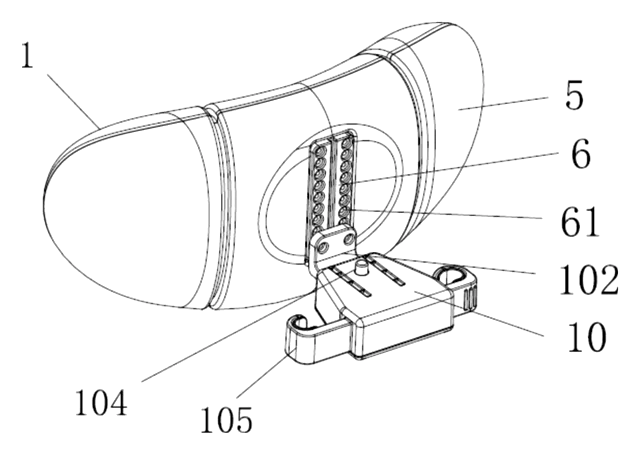
Car Accessories
Car Headrest Pillow with Ratchet Side Wings and Push-Button Reach
Post-mounted car headrest pillow with ratchet side wings and a push-button forward adjustment.
Patent CN212195197U
Car Accessories
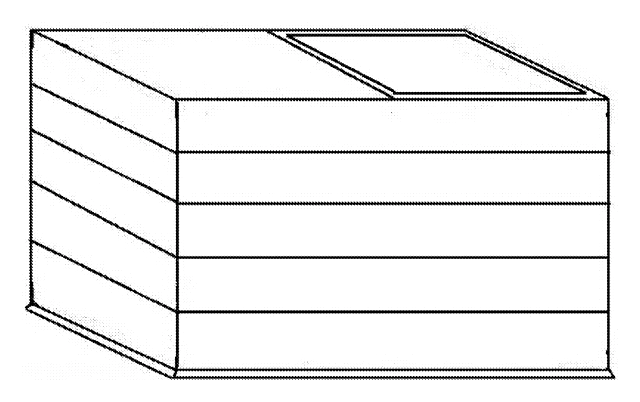
Hard-Shell Rooftop Tent That Doubles as a Cargo Box
Roof box whose hard frames lift on gas struts into a tent with door and skylight, and fold back for luggage.
Patent CN206327275U
Car Accessories
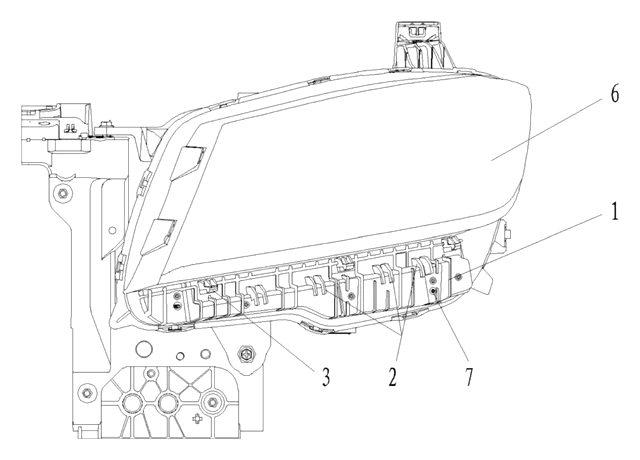
Headlamp-to-Bumper Adapter Bracket That Sets Gap and Flush in Three Directions
Molded bracket under the headlamp: support blocks and snap teeth locate the bumper flange for an even gap.
Patent CN216580316U
Car Accessories
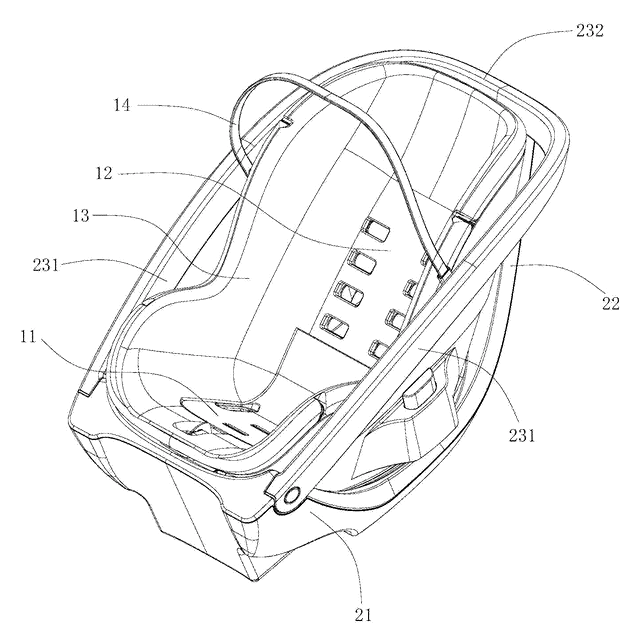
Infant Car Seat with a Load-Bearing Base That Wraps the Carrier
Infant car seat whose base has a backrest and swing-up side rails, so the carrier can be lighter.
Patent CN206383856U
Car Accessories
Retractable Side Impact Protection Block for Child Car Seats
Retractable side-impact block for child seats: springs out to provide side-impact buffering, folds flat.
Patent CN207028930U
Car Accessories
Rain-Deflecting Side Mirror with a Pivoting Air-Guide Plate
Side mirror with a top air duct and folding guide plate that directs airflow across the glass.
Patent CN207345672U
Browse by category
- Apparel & Accessories (31)
- Baby & Kids (23)
- Bags & Luggage (13)
- Bath & Personal Care (22)
- Car Accessories (19)
- Furniture, Bedding & Storage (17)
- Garden & Outdoor (25)
- Health & Wellness (10)
- Home, Kitchen & Cleaning (36)
- Lighting (17)
- Packaging & Containers (9)
- Pet Products (8)
- Phone & Camera Accessories (6)
- Retail Display (18)
- School, Office & Art (25)
- Sports & Recreation (32)
- Tools & Workshop (41)
- Toys & Games (17)
This page is based on the public patent document CN114098240B, assigned to Zhejiang Songyuan Automotive Safety Systems Co ltd. IP2M is an independent manufacturing service and is not affiliated with, endorsed by or licensed by the patent owner. Images marked as concept renderings are illustrations, not photos of an existing product. Patent status information is provided for reference only and is not legal advice; confirm freedom to operate for your market before production. Full disclaimer.