At a glance
| Patent number | CN114508708B (application CN202210364859) |
| Type | China invention patent (发明专利) - protects method and structure |
| Original title | A multifunctional solar LED garden lamp (一种多功能太阳能led庭院灯) |
| Patent owner | Shenzhen Ako Photoelectric Technology Co ltd |
| Inventors | Wang Xin, Zhang Zhijian, Zheng Chunhua |
| Filing date | 2022-04-08 |
| Grant date | 2022-07-12 |
| Status (China) | In force - valid until at most 2042-04-08, provided annual maintenance fees are paid |
| Patent family | Chinese filings only - no US, European, Japanese, PCT or other filings listed |
| Cited by | 0 later documents |
| Source | Google Patents (search for CN114508708B) |
What the claims cover, in plain language
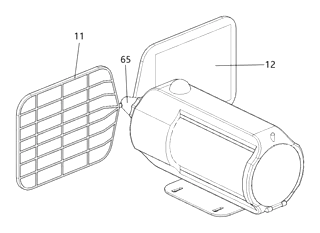
Claim 1 defines a multi-functional solar LED garden lamp consisting of a charging seat and an LED lamp main body. Key structural elements include:
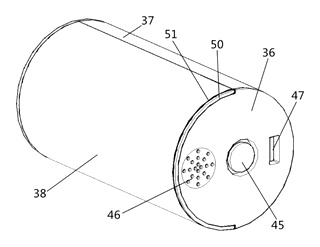
- A matching cavity in the middle of the charging seat to hold the LED body.
- A light outlet on the seat wall for emitting light.
- A universal head at one end of the seat, supporting a solar module.
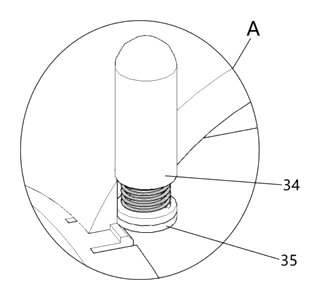
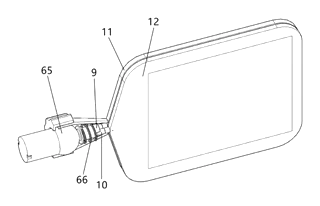
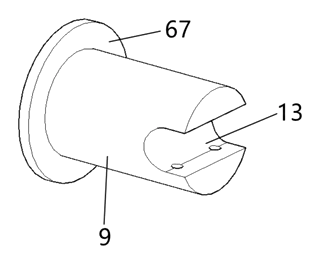
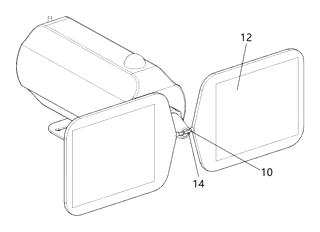
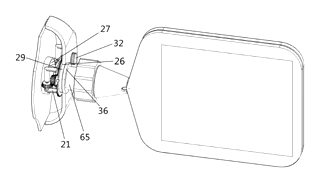
- The solar module uses a traction rod, spring, rotary joints, and fixed brackets to hold solar cell panels, allowing angular adjustment.
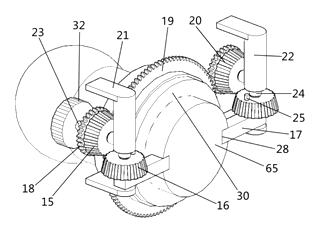
- A magnetic attraction separation mechanism connects the universal head to the seat. This mechanism involves bevel gears, a driving gear, and swinging rods that interact with slots to secure or release the connection.
- An integrated sensor on the side wall manages operation, powered by an internal first power supply device and control mainboard.
Claims 2-8 refine the details of the solar module (e.g., U-shaped grooves for joints, clamping grooves), the arrangement of multiple solar panels (back-to-back or parallel planes), and the specific geometry of the gear-driven swinging rod locking system (positioning sleeves, adjusting rods, pins).
This is a simplified reading for orientation only. The legal scope is defined by the exact claim wording in the official Chinese document.
What this means for US production
This patent was filed only in China and is currently in force. It has no US or other foreign counterpart. Therefore, making or selling this specific design in the United States does not infringe on this Chinese patent. However, since the patent is active in China, exporting from China or selling within China would require permission from the patent owner.
Two points to settle early:
- Other patents may exist. Solar garden lights and detachable lantern mechanisms are common fields. There may be US patents covering similar magnetic detachment systems, adjustable solar arrays, or specific sensor integrations. A freedom-to-operate (FTO) review is recommended before tooling to ensure no existing US utility patents block the design.
- Mechanical Complexity. The magnetic separation mechanism relies on gears and swinging rods. Tolerances for these moving parts must be precise to ensure smooth attachment/detachment without jamming. Molds for the internal gear housings require high precision.
Customization and manufacturing
What can be customized
| Area | Options |
|---|---|
| Solar Panel Size | Single vs. dual/triple panel arrays depending on desired lumens and runtime. |
| Battery Capacity | Li-ion cells of varying mAh ratings (affects size/weight of the LED body). |
| Lamp Material | ABS, PC, or aluminum alloy for the housing; UV-stabilized for outdoor durability. |
| Light Source | LED chip color temperature (warm white 3000K, cool white 6000K) and beam angle. |
| Sensor Type | PIR motion sensor, photocell (dusk-to-dawn), or combination. |
| Mounting | Stake length, spike shape, or alternative base weights for hard surfaces. |
| Finish | Textured powder coating, matte black, bronze, or custom brand colors. |
Things to plan for (US market)
- UL 8750 - Standard for Light-Emitting Diode (LED) Equipment and Components. Required for safety certification of the electrical components.
- FCC Part 15 - If the device includes wireless connectivity (not specified in patent, but common in smart versions), it must comply with radio frequency emission limits. For basic models, ensure no unintentional radiators exceed limits.
- California Prop 65 - Battery materials and plastics must be screened for restricted chemicals (lead, cadmium, etc.).
- IP Rating - Outdoor devices should meet IP65 or higher for dust and water resistance. Testing per IEC 60529 is standard.
- Battery Transport (UN 38.3) - Lithium batteries must pass UN 38.3 testing for air and sea shipping safety.
How a project runs
- Inquiry - Define target lumens, battery capacity, solar panel wattage, and quantity.
- Design - CAD modeling of the gear/swinging rod mechanism and solar head articulation.
- Prototype - 3D printed or CNC machined samples to test the magnetic release force and solar tracking stability.
- Pilot Run - Small batch production for drop tests, waterproofing checks, and cycle testing of the detach mechanism.
- Production - Injection molding for plastic parts, PCB assembly, battery pack integration, final assembly, and packaging.
Quantities & timeline
The complex internal mechanism (gears, rods) requires precision injection molds. The solar head assembly needs automated or semi-automated wiring stations. Certification (UL, FCC) and tooling both add time to the schedule and should be planned early. Send us your specifications for lumens, battery size, solar wattage, and estimated quantity and we will reply with options.
Patent drawings
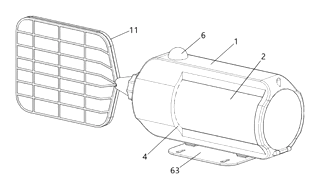
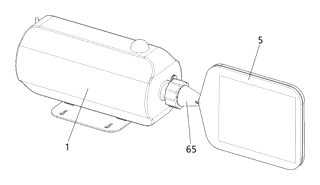
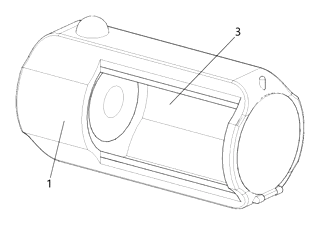
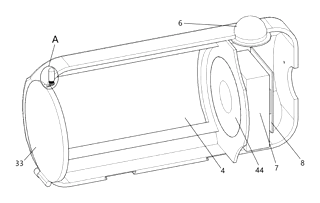
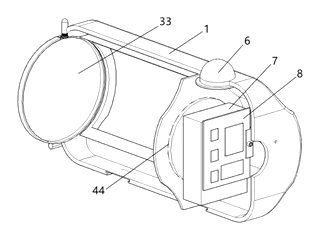
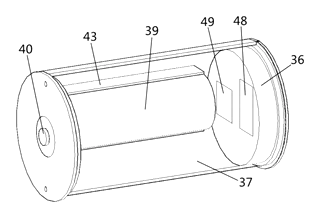
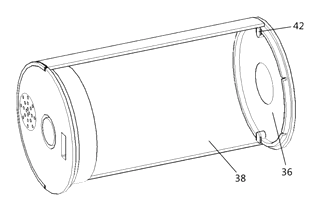
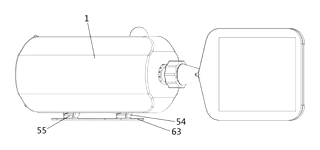
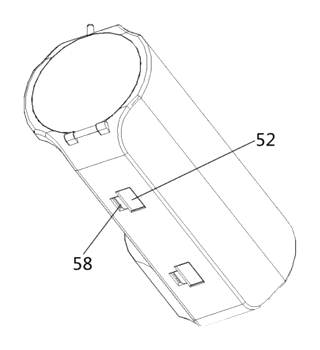
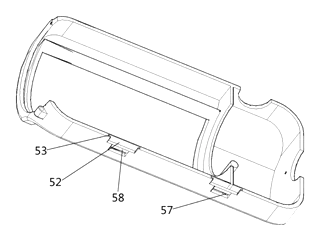
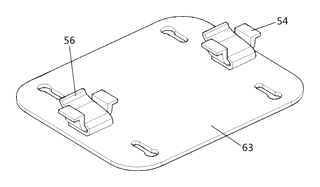
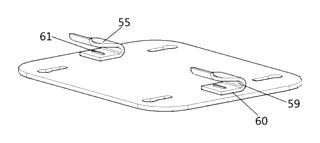
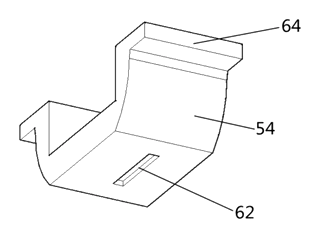
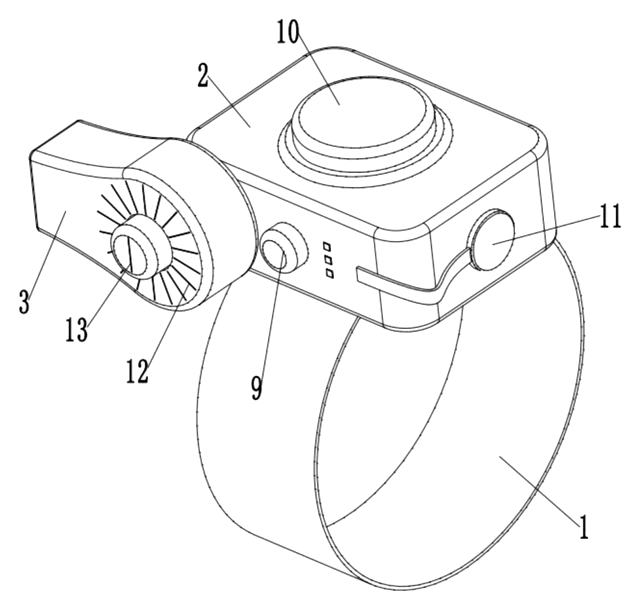
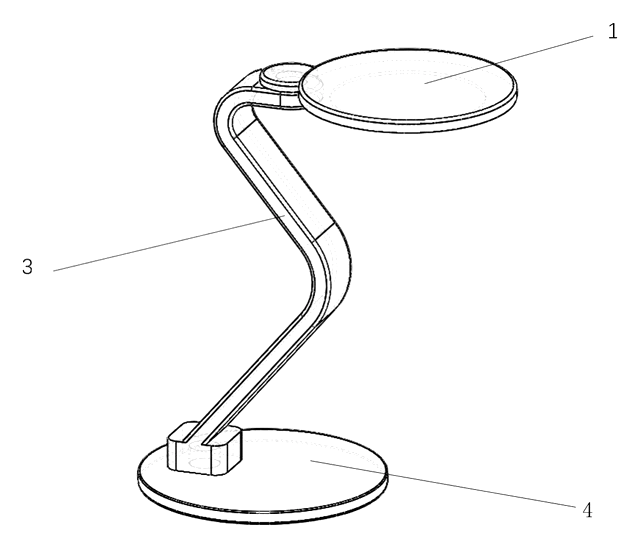
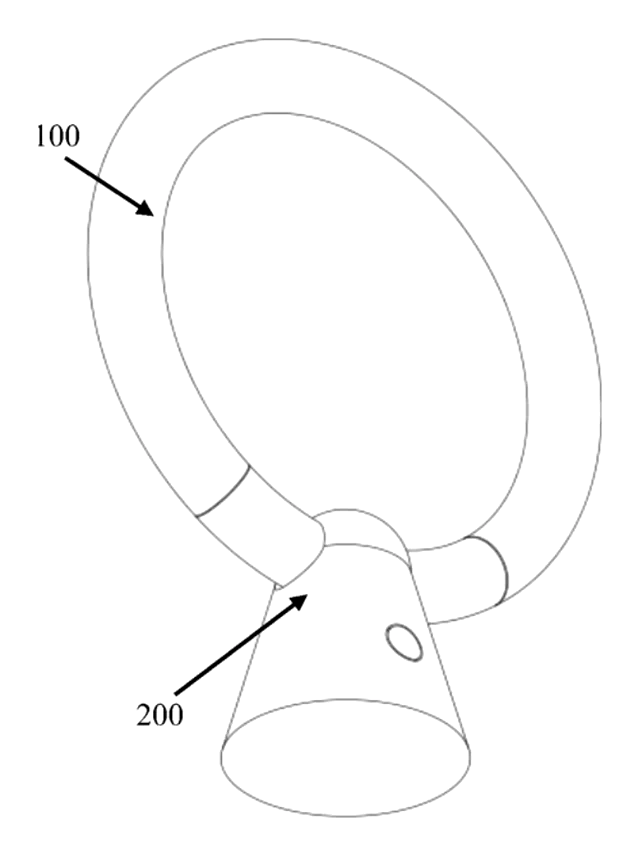
Drawings reproduced from the public patent document for reference.