
Patent CN114680528B
Updated October 29, 2026Motorized Folding Clothing Display Stand with Dummy Mechanism
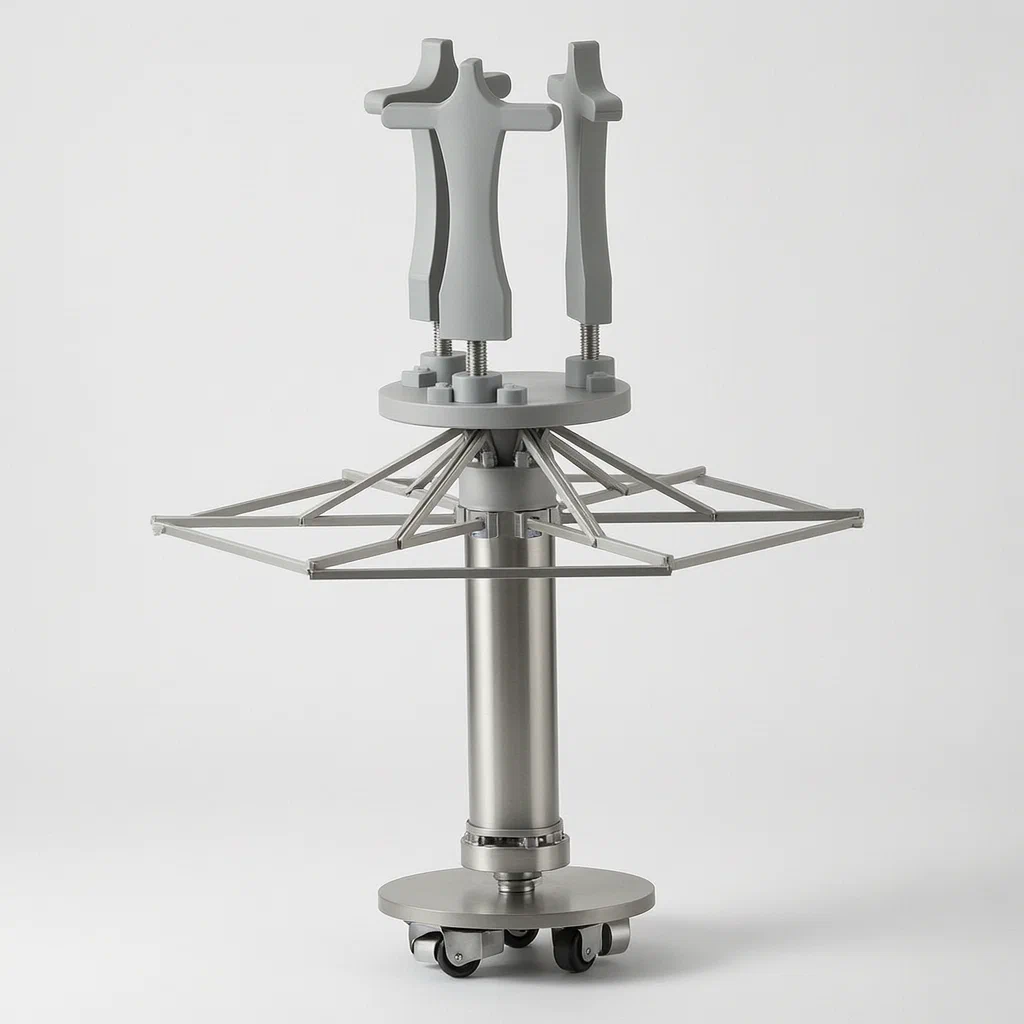
Retail clothing racks usually stay in one fixed shape, taking up floor space when not in use and requiring manual effort to collapse. This motorized folding clothing display stand solves that by using a gear-driven threaded rod system. When the motor runs, it turns a driving gear that engages driven gears on multiple threaded rods. A lifting block threaded onto the rods travels up or down, pulling L-shaped connecting rods that pivot the rotating arm rods inward or outward. The clothes hanging rods attached to these arms fold neatly against the center or spread out for display. Extension rods with internal springs snap into abutting grooves in the mounting seat to lock the rotation position. Universal wheels on the base let staff roll the entire unit across the shop floor, and a dummy display mechanism at the top allows a mannequin model to be mounted and removed quickly.
- China invention patent - in force
- No filings outside China
- Retail display equipment
- Motorized gear drive, threaded rods, universal wheels
Splat! What let you down?
⚙️
Motorized gear drive
A motor turns a driving gear that meshes with driven gears on threaded rods to automate folding.
↕️
Threaded rod lift
A lifting block travels along the threaded rods, converting rotary motion into vertical travel.
🦾
Linkage folding arms
L-shaped connecting rods pivot the rotating arm rods to fold or spread the clothes hanging rods.
🛒
Mobile base
Universal wheels on the base allow the stand to be rolled across retail floors.
Bring this product to market
- ✓ Patent vetted China-only family and legal status checked
- 2 Product brief · now How it works, uses and options written up
- 3 Prototype First samples for buyers to review
- 4 Pilot run Small first batch for launch customers
- 5 Volume production Repeat orders at scale
Buyer interest
– of 100 buyers needed to start prototyping
One click, no sign-up. Each vote is one real visitor, and products with the most interest go to prototyping first.
Build team: no members yet. Need a partner, co-funding or skills to build this? Join and we introduce the team once it forms.
The problem
Clothing retailers need display stands that hold garments visibly but can be collapsed quickly when floor space is needed for events, restocking, or closing time. Manual folding racks require staff to pull pins, push heavy arms, or detach parts one by one, which takes time and risks pinched fingers. Fixed-shape racks occupy the same footprint whether they hold ten items or none, reducing usable selling area. Moving loaded racks across a store often means dragging them or carrying them, scratching floors and slowing down layout changes.
The solution
This folding clothing display stand uses a motorized linkage to fold and unfold automatically.
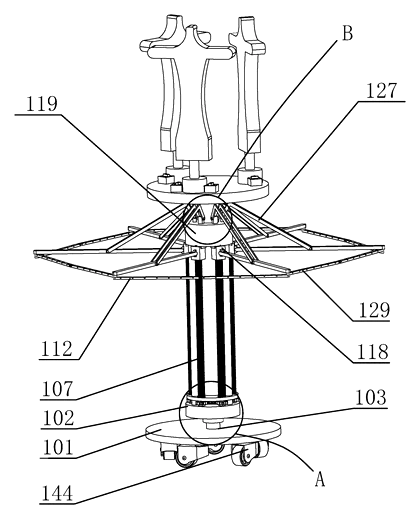
- A base (101) supports the structure and carries universal wheels (144) for mobility.
- A motor (104) sits in a motor mounting groove (103) at the center of the base and drives a rotating shaft (109).
- A driving gear (111) on the shaft meshes with driven gears (110) on the lower ends of threaded rods (107), which sit in a threaded rod mounting seat (102).
- A lifting block (118) is threaded onto the rods; as they turn, the block moves vertically.
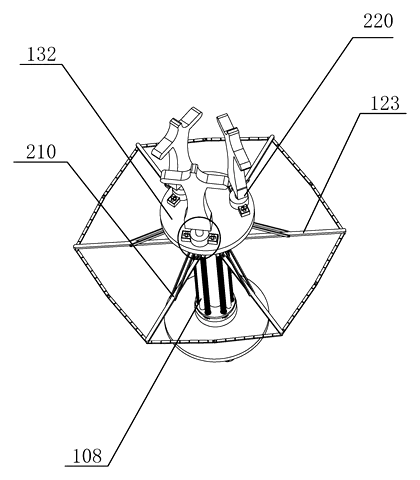
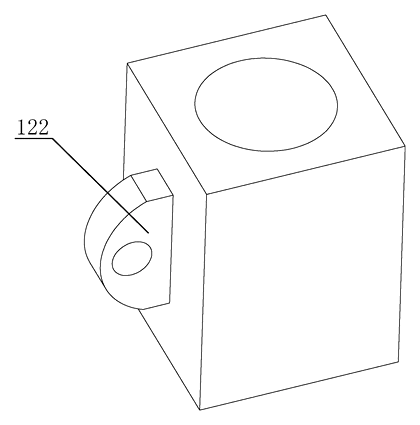
- Rotating arm rods (123) connect to the lifting block via first key slots (124) and first connecting handles (122), and to fixing seats (121) on an end cover (119) via L-shaped connecting rods (127).
- The vertical travel of the lifting block pushes or pulls the linkage, causing the arm rods and the attached clothes hanging rods (112, 129) to fold inward or spread outward.
Who it is for
- Retail clothing brands operating physical stores that need to reconfigure floor layouts frequently between seasons or promotions.
- Pop-up shop operators who set up temporary displays in malls or event spaces and need racks that collapse fast for transport.
- Visual merchandising agencies that install window displays and benefit from motorized racks to adjust garment spacing without manual labor.
- Sporting goods wholesalers displaying apparel on showroom floors where space must double for both storage and customer browsing.
How it works
The main parts
| No. | Part | What it does |
|---|---|---|
| 101 | Base | Supports the stand; houses the motor groove and sliding holes. |
| 102 | Threaded rod mounting seat | Holds the threaded rods and supporting rods; contains abutting grooves. |
| 104 | Motor | Provides rotary power to the rotating shaft. |
| 107 | Threaded rod | Converts motor rotation into vertical lifting block travel. |
| 108 | Supporting rod | Provides structural support within the mounting seat. |
| 109 | Rotating shaft | Transfers motor output to the driving gear. |
| 110, 111 | Driven gear, Driving gear | Gear transmission from the shaft to the threaded rods. |
| 115 | Limiting plate | Sits above the gears; threaded rods pass through its holes. |
| 118 | Lifting block | Travels up and down the threaded rod to actuate the linkage. |
| 119 | End cover | Caps the upper end of the threaded rod assembly. |
| 121 | Fixing seat | Mounted on the end cover; anchors the L-shaped connecting rods. |
| 123 | Rotating arm rod | Pivots to fold or unfold the clothes hanging rods. |
| 127 | L-shaped connecting rod | Links the lifting block to the fixing seat to transfer motion. |
| 144 | Universal wheel | Allows the base to roll on the floor. |
| 202, 203 | Extension rod, Internal spring | Snap into abutting grooves to position the mounting seat. |
Operating steps
- Power the motor - the motor turns the rotating shaft inside the mounting seat.
- Gear transmission - the driving gear on the shaft rotates the driven gears fixed to the bottom of the threaded rods.
- Lift the block - the threaded rods spin, driving the lifting block upward or downward along the threads.
- Fold or unfold - the lifting block’s movement pushes the first connecting handle, pivoting the rotating arm rods through the L-shaped connecting rods and the fixing seats on the end cover.
- Lock position - extension rods pushed by internal springs seat into open abutting grooves on the mounting seat, holding the assembly in place while the gears operate.
Applications
Retail store seasonal changeovers
Store staff preparing for a new collection need to clear floor space quickly. The motorized folding mechanism collapses the hanging rods so the stand takes up less room, allowing new fixtures to be wheeled in on the universal wheels without dismantling the rack manually.
Pop-up shops and trade shows
Temporary retail setups require equipment that transports easily and deploys fast. Operators can fold the stand flat for loading into a van, then run the motor to spread the arms once positioned on the booth floor, saving setup time.
Visual merchandising windows
Window displays often change weekly, requiring precise garment placement. The dummy display mechanism allows a mannequin model to be mounted and dismounted using the limiting fixing seat and fixing baffle, letting visual teams swap outfits without removing the whole stand.
Sporting goods showrooms
Apparel sections in sporting goods stores share space with hard goods. When floor space is needed for equipment demonstrations, staff fold the clothing arms inward to shrink the rack’s footprint, keeping garments accessible but out of the way.
Back-of-house stock organization
Stockrooms get crowded during deliveries. Staff can fold empty display stands and roll them into corners on the universal wheels, keeping aisles clear for incoming inventory carts.
Where it is less suitable
- Heavy industrial garment racks - this design uses geared threaded rods for folding, which may not match the load capacity of welded steel warehouse racks.
- Outdoor market stalls - the motor and electrical components are intended for indoor retail environments, not exposed weather conditions.
- Permanent fixed-wall displays - stores that never move their fixtures do not need the folding or wheeled features.
Frequently asked questions
How does the folding mechanism work?
A motor turns a rotating shaft connected to a driving gear. This gear meshes with driven gears on threaded rods. As the rods spin, a lifting block moves up or down, pushing L-shaped connecting rods that pivot the rotating arm rods inward or outward to fold or spread the clothes hanging rods.
Is the motor included in the design?
Yes. The patent describes a motor fixed in a motor mounting groove at the center of the base, with its output end directly connected to the rotating shaft that drives the gears.
How does the stand stay in position while folding?
The base has sliding holes containing extension rods pushed by internal springs. These rods snap into open abutting grooves on the threaded rod mounting seat, holding the assembly in position while the gears rotate the threaded rods.
What is the dummy display mechanism?
It is a structure located above the folding clothes hanger mechanism. It uses a limiting fixing seat, a limiting module and a fixing baffle to allow a dummy model to be mounted and dismounted from the model base conveniently.
Can the stand be moved around a store?
Yes. The lower end of the base is fitted with universal wheels, allowing the entire display stand to be rolled across the floor.
How many threaded rods are used?
The patent mentions a plurality of threaded rod mounting holes and threaded rods, but the exact number is to be confirmed in design based on the required size and stability of the stand.
What holds the clothes hanging rods to the arms?
The rotating arm rods have second connecting keys that rotatably connect to the first clothes hanging rod and the second clothes hanging rod, using connecting handles and key slots at their ends.
Can this design be made and sold in the US?
The patent was filed only in China and is currently in force there. It does not restrict making or selling the design in the US. However, because motorized retail fixtures may be covered by other US patents, we recommend a freedom-to-operate check before volume production.
Are you affiliated with the patent owner?
No. IP2M is an independent design and manufacturing service working from the public patent document.
Request a quote
Click Request a Quote below to see our email address - copy it, or open your email app with a ready-made message. Please mention patent CN114680528B in the subject.
Helpful details to include:
- Your company and channel (retail brand, pop-up operator, visual merchandising agency, wholesaler)
- Overall dimensions and arm length requirements
- Motor specifications (voltage, desired folding speed)
- Load capacity per hanging rod
- Material and finish preferences
- Estimated quantity and target price
- Timeline - when you would like prototypes and the first shipment
You can also reach us at (332) 203-9997.
Explore this product
Interested in building this?
Tell us your target market, quantity and timeline. We reply with options for prototyping, small-batch runs or volume production.
Send your inquiry to
Please put CN114680528B in the subject line and tell us your company, country, estimated quantity and timeline.
Prefer to talk? Call (332) 203-9997.
More product-ready patents
All Retail Display patents →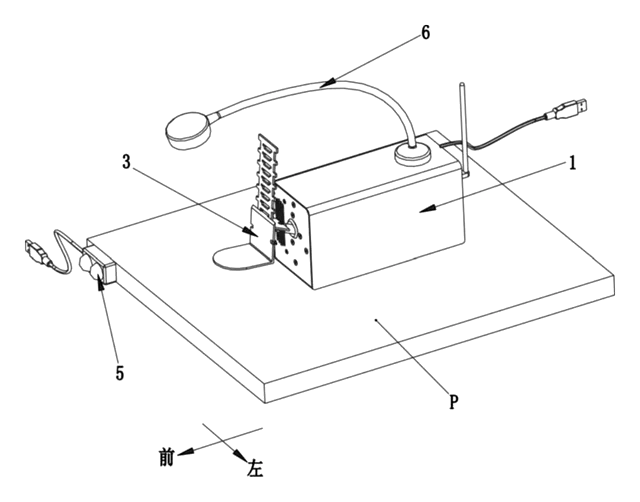
Retail Display
Motorized Shelf Display That Presents a Product to Shoppers
Shelf unit that lifts a product over the price rail toward shoppers when a sensor detects them.
Patent CN215077184U
Retail Display
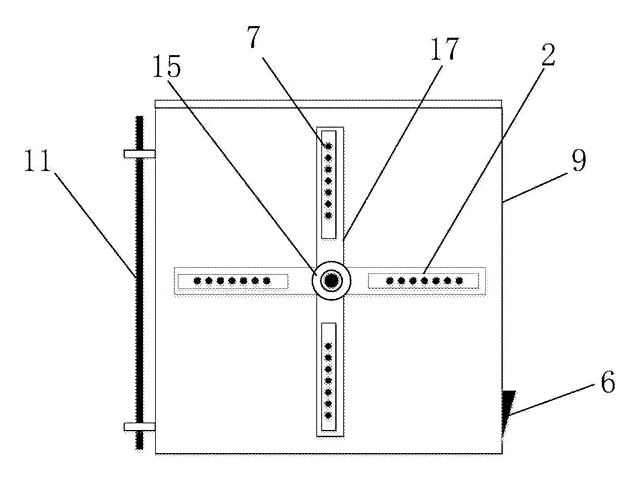
Portable Advertising Light Box with Spinning LED Display
Portable ad box whose spinning LED bars draw images and text; content changes by wireless or USB.
Patent CN207425291U
Retail Display
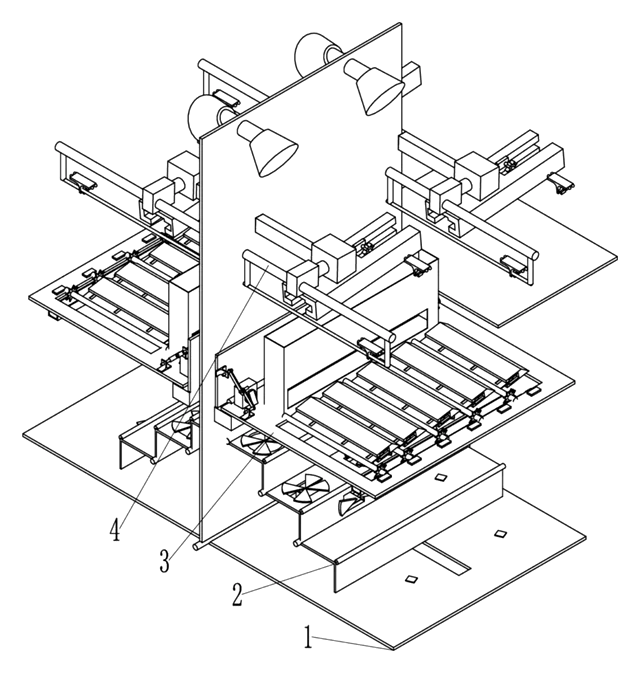
Automated Folding Store Shelf That Pushes Products Up to the Customer
Double-sided shelf for unmanned stores: folding tiers, screw pushers and lift cylinders present stock.
Patent CN109645754B
Retail Display
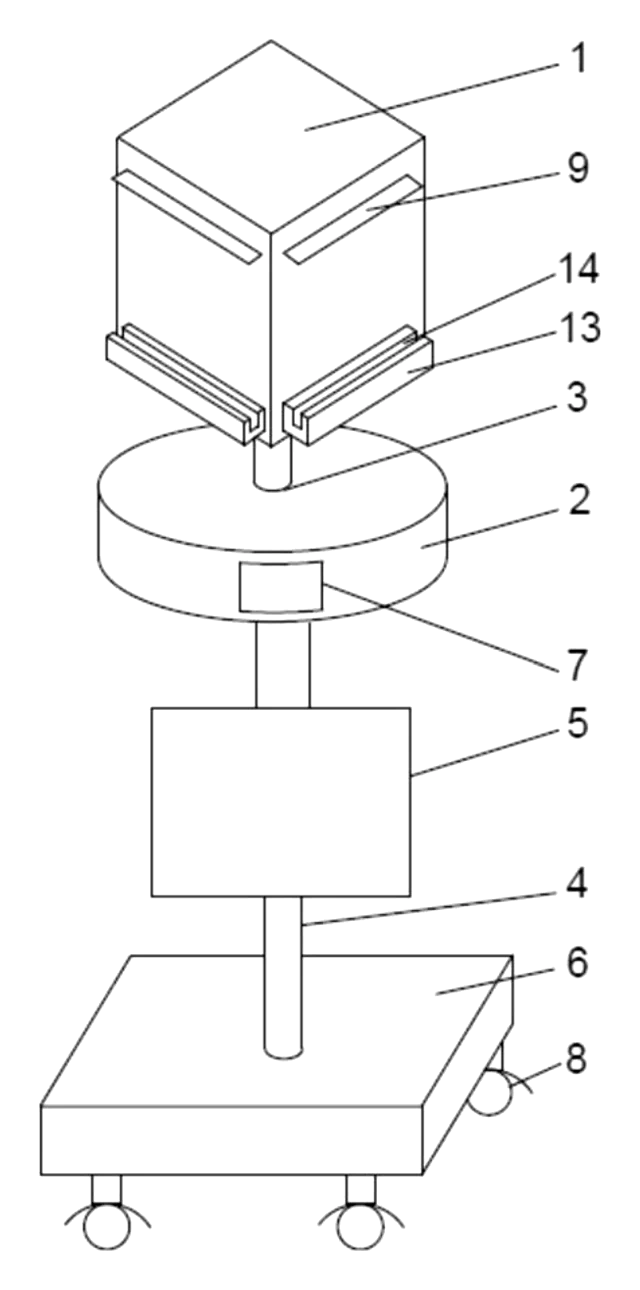
Motorized Rotating Display Pedestal with Lift Column, Info Screen and Clip-On Display Racks
Mobile pedestal: motorized rotating cube with lit faces and racks, electric lift column and info screen.
Patent CN208875862U
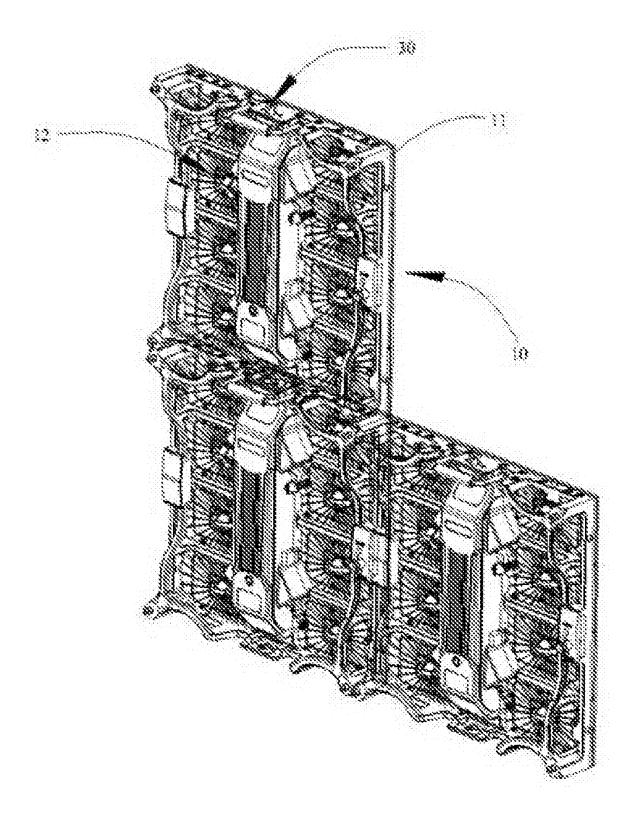
Retail Display
Thin Outdoor LED Video Wall Cabinet with Magnetic Modules and Tool-Free Locks
Thin outdoor LED wall cabinet: magnetic modules and rear body, rotary locks, finned rear cooling.
Patent CN205354557U
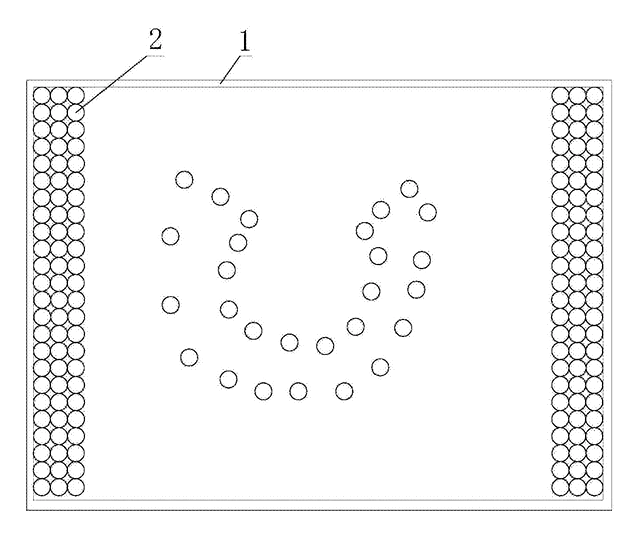
Store & Display
Magnetically Repositionable LED Advertising Panel
LED panel whose lamp beads slide to new positions via an external electromagnet.
Patent CN205487209U
Browse by category
- Apparel & Accessories (22)
- Baby & Kids (16)
- Bags & Luggage (9)
- Bath & Personal Care (16)
- Car Accessories (10)
- Furniture, Bedding & Storage (12)
- Garden & Outdoor (18)
- Health & Wellness (8)
- Home, Kitchen & Cleaning (24)
- Lighting (12)
- Packaging & Containers (6)
- Pet Products (6)
- Phone & Camera Accessories (4)
- Retail Display (13)
- School, Office & Art (19)
- Sports & Recreation (25)
- Tools & Workshop (27)
- Toys & Games (12)
This page is based on the public patent document CN114680528B, assigned to Yichun Kujia Sporting Goods Co ltd. IP2M is an independent manufacturing service and is not affiliated with, endorsed by or licensed by the patent owner. Images marked as concept renderings are illustrations, not photos of an existing product. Patent status information is provided for reference only and is not legal advice; confirm freedom to operate for your market before production. Full disclaimer.