
Patent CN115091883B
Updated November 4, 2026Electric Pencil Sharpener with Adjustable Nib Thickness and Length
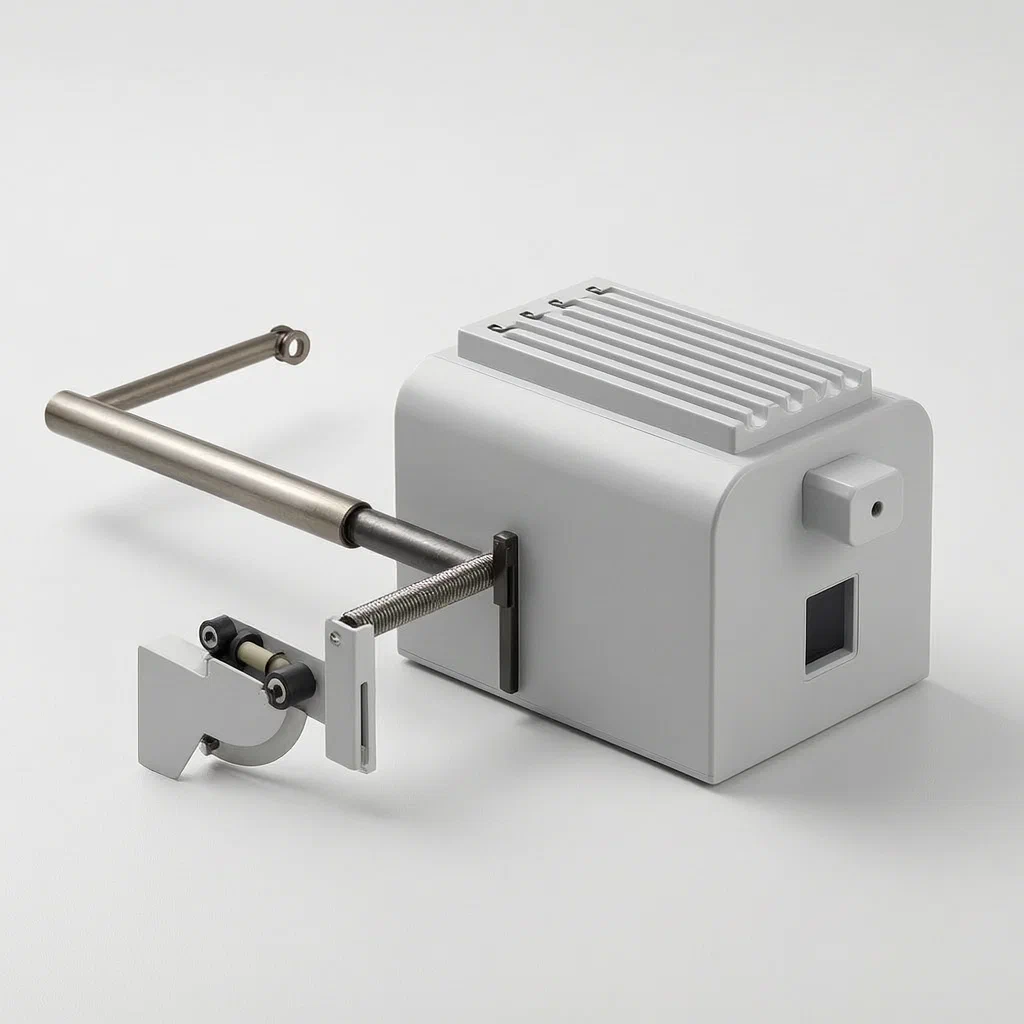
Standard electric sharpeners often struggle with short pencils or produce inconsistent nibs. This design introduces two key adjustments: a screw-driven mechanism moves the pencil support closer to the cutting head as pencils get shorter, ensuring they can still be sharpened. Additionally, a limiting plate on the rotating disc controls the travel distance of the spring-loaded blade holder, allowing users to set the desired nib thickness. This combination makes it suitable for environments where pencil lengths vary widely and specific drawing styles require different tip points.
- China invention patent - in force
- No filings outside China
- School & office supplies
- ABS/PP housing, metal gears, motor assembly
Splat! What let you down?
📏
Length Adjustment
A screw-driven positioning plate moves to support shorter pencils, extending usable life.
✏️
Nib Thickness Control
Limiting plates on the rotating disc restrict blade travel to set point thickness.
⚙️
Motorized Drive
Gear-driven rotary cylinder ensures consistent sharpening speed and torque.
🗑️
Easy Shavings Removal
Integrated collecting box locks in place during use and releases when the rod is raised.
Bring this product to market
- ✓ Patent vetted China-only family and legal status checked
- 2 Product brief · now How it works, uses and options written up
- 3 Prototype First samples for buyers to review
- 4 Pilot run Small first batch for launch customers
- 5 Volume production Repeat orders at scale
Buyer interest
– of 100 buyers needed to start prototyping
One click, no sign-up. Each vote is one real visitor, and products with the most interest go to prototyping first.
Build team: no members yet. Need a partner, co-funding or skills to build this? Join and we introduce the team once it forms.
The problem
In classrooms and offices, pencils are used until they are too short for standard manual or basic electric sharpeners, leading to waste. Furthermore, artists and students often need different nib thicknesses for shading or detail work, but most electric sharpeners offer only one fixed cut angle. Existing devices lack simple mechanical means to adapt to varying pencil lengths without complex electronics, and they do not allow users to easily change the sharpness profile of the resulting point.
The solution
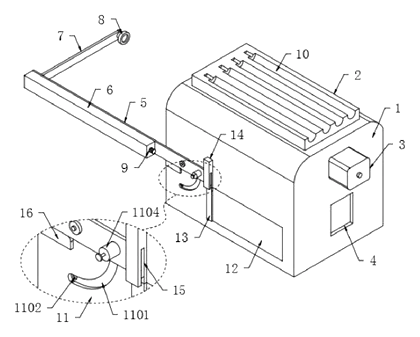
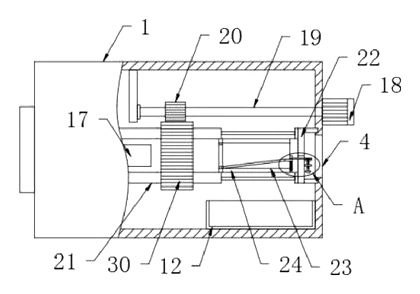
- A box body (1) houses the main components, including a positioning tube (17) and a rotary cylinder (21) that rotates around it.
- A knife rest (23) sits between the rotary cylinder and a rotating disc (22), holding an inclined pencil sharpener blade (25).
- The blade is mounted on a movable block (26) pushed by a spring (27), allowing it to flex against the pencil.
- A bar-shaped rod (5) is pivotally connected to the side of the box. It carries a positioning plate (7) that supports the pencil end.
- A screw rod (9) inside a rectangular sleeve drives the positioning plate along the rod, adjusting its position based on pencil length.
- A thickness adjusting component (29) on the rotating disc limits the movement of the movable block, controlling how deep the blade cuts.
Who it is for
- School supply distributors looking for durable sharpeners that handle short pencils from young students.
- Art material retailers targeting users who need variable line weights for sketching.
- Office equipment manufacturers seeking low-maintenance solutions for high-volume environments.
- Promotional product companies offering branded desk accessories with functional differentiation.
How it works
The main parts
| No. | Part | What it does |
|---|---|---|
| 1 | Box Body | Main housing containing the motor and mechanics. |
| 5 | Bar-shaped Rod | Pivot arm supporting the pencil; adjusts position. |
| 7, 9 | Positioning Plate & Screw | Moves along the rod to hold short pencils correctly. |
| 21, 30 | Rotary Cylinder & Ring Gear | Rotates the cutting mechanism via motor drive. |
| 22 | Rotating Disc | Carries the knife rest and thickness limiter. |
| 23, 25 | Knife Rest & Blade | Holds the inclined blade that shaves the pencil. |
| 26, 27 | Movable Block & Spring | Allows blade to float and self-center on the pencil. |
| 29 | Thickness Adjuster | Limits blade travel to control nib point size. |
| 12, 14 | Collecting Box & Rod | Catches shavings; locked/unlocked by the bar rod. |
Operating Steps
- Insert Pencil: Place the pencil into the hole. If the pencil is short, rotate the screw rod (9) to move the positioning plate (7) closer to the cutter.
- Lock Position: Ensure the bar-shaped rod (5) is horizontal so the positioning bolt engages the lower groove, locking the support and the collecting box (12).
- Sharpen: Activate the motor (18). The gear turns the rotary cylinder, spinning the blade assembly against the pencil.
- Adjust Thickness: Before use, turn the adjusting screw (2904) to set the stop position of the limiting plate (2901), restricting the blade’s inward travel.
- Empty Shavings: Raise the bar-shaped rod (5) vertically. This disengages the lock on the collecting box, allowing it to be pulled out and emptied.
Applications
Elementary Classrooms
Teachers need sharpeners that work with pencils chewed down to stubs. The screw-adjusted plate allows students to sharpen very short pencils, reducing replacement costs and frustration.
Art Studios and Schools
Students learning to draw need both fine lines for details and thick strokes for shading. The thickness adjuster lets them switch between a sharp point and a broader lead exposure without changing tools.
Corporate Offices
Shared office spaces suffer from jammed or broken sharpeners due to misuse. The mechanical simplicity of the adjustment system reduces electronic failure risks, while the secure shavings box keeps desks clean.
Home Learning Environments
Parents buying gifts for school-age children appreciate durability. The ability to handle various pencil brands and lengths makes it a versatile home accessory, avoiding the need for multiple sharpeners.
Where it is less suitable
- Industrial Metalworking: This device is designed strictly for wooden pencils and colored leads, not industrial materials.
- High-Speed Production Lines: The manual adjustment steps make it unsuitable for automated factory settings requiring zero-touch operation.
- Ultra-Compact Travel Use: The boxy form factor and external adjustment rods are bulkier than pocket-sized manual alternatives.
Frequently asked questions
How does the length adjustment work?
The pencil support plate is attached to a threaded screw rod. By turning the rod, you move the plate closer to or further from the cutting head. This allows you to sharpen pencils that have become too short for standard sharpeners.
Can I change the thickness of the pencil point?
Yes. A limiting screw on the rotating disc controls how far the spring-loaded blade can move inward. Turning this screw changes the angle and amount of wood removed, letting you choose between a fine point and a thicker, softer lead exposure.
Is the shavings container easy to empty?
Yes. The container is locked in place when the side bar rod is horizontal. To remove it, simply raise the bar rod to a vertical position, which unlocks the container, allowing you to pull it out and dump the shavings.
What materials are used for the housing?
The patent describes a box body suitable for plastic injection molding, typically using ABS or PP for durability and cost-effectiveness. Specific grades depend on the final design and safety requirements.
Does it require batteries or plug-in power?
The patent mentions a motor connected to a protective shell. The power source (AC adapter or battery compartment) is not specified in the claims and can be customized in the design phase.
Is it safe for children?
While designed for school use, any motorized device requires supervision. The mechanical adjustments are user-friendly, but sharp blades are present. Compliance with ASTM F963 or similar safety standards should be verified for the specific market.
Can this design be made and sold in the US?
The patent is currently in force in China but has no US counterpart. However, other US patents may cover similar mechanisms. We recommend a freedom-to-operate review before starting production for the US market.
Are you affiliated with the patent owner?
No. IP2M is an independent design and manufacturing service working from the public patent document.
Request a quote
Click Request a Quote below to see our email address - copy it, or open your email app with a ready-made message. Please mention patent CN115091883B in the subject.
Helpful details to include:
- Your company and channel (school supplier, art retailer, office distributor)
- Power preference (battery, AC, or USB)
- Target retail price and estimated quantity
- Customization needs (colors, logo printing, specific adjustment ranges)
- Timeline - when you would like samples and the first shipment
You can also reach us at (332) 203-9997.
Explore this product
Interested in building this?
Tell us your target market, quantity and timeline. We reply with options for prototyping, small-batch runs or volume production.
Send your inquiry to
Please put CN115091883B in the subject line and tell us your company, country, estimated quantity and timeline.
Prefer to talk? Call (332) 203-9997.
More product-ready patents
All School, Office & Art patents →
School, Office & Art
Long-Point Sketch Pencil Sharpener
Crank sharpener that cuts only the wood of sketch pencils, leaving a long, round lead about 30 mm long.
Patent CN207241257U
School, Office & Art
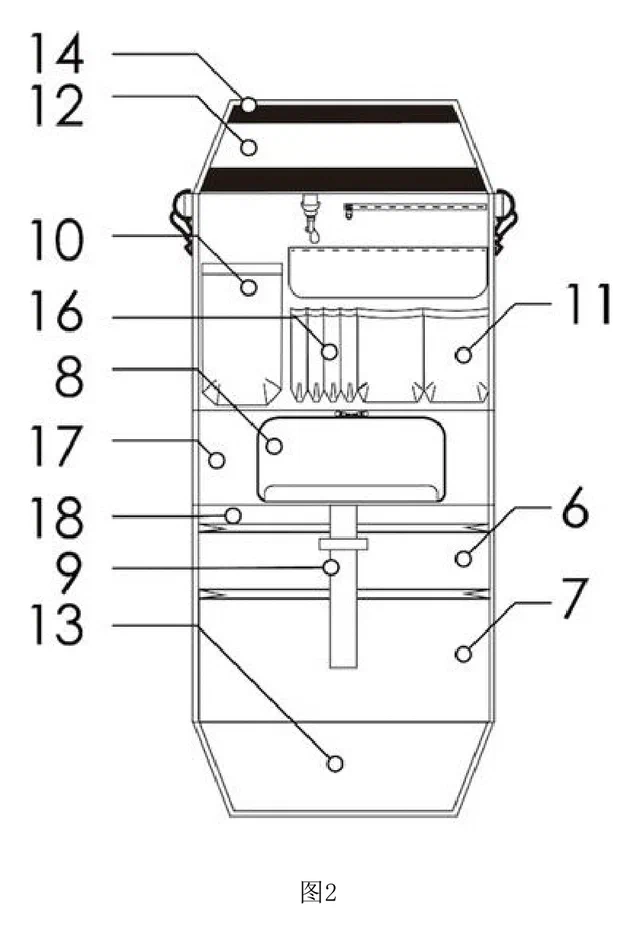
Fold-Out Desk Organizer Insert for School Backpacks
Backpack insert that unfolds into a hanging desk organizer for workbooks, stationery and a water bottle.
Patent CN209436546U
School, Office & Art
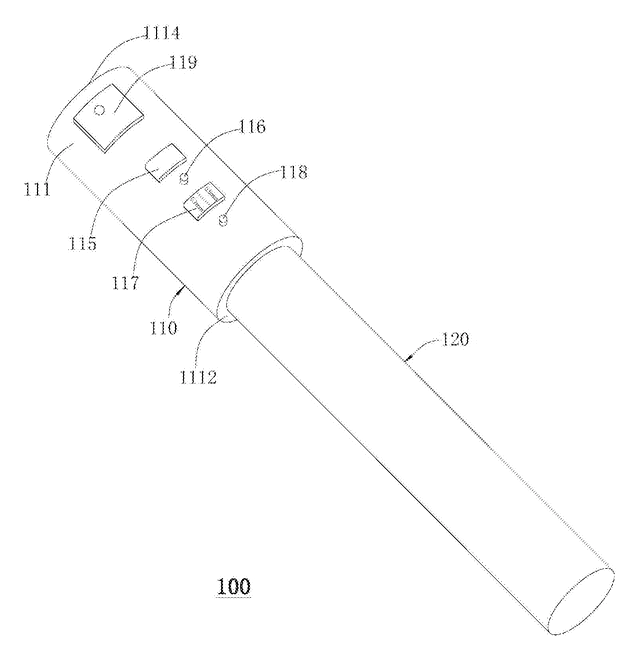
Smart Pencil Cap That Checks the Point with a Camera
Electronic pencil cap that photographs the point, measures it and reminds you to sharpen.
Patent CN106427302B
School, Office & Art
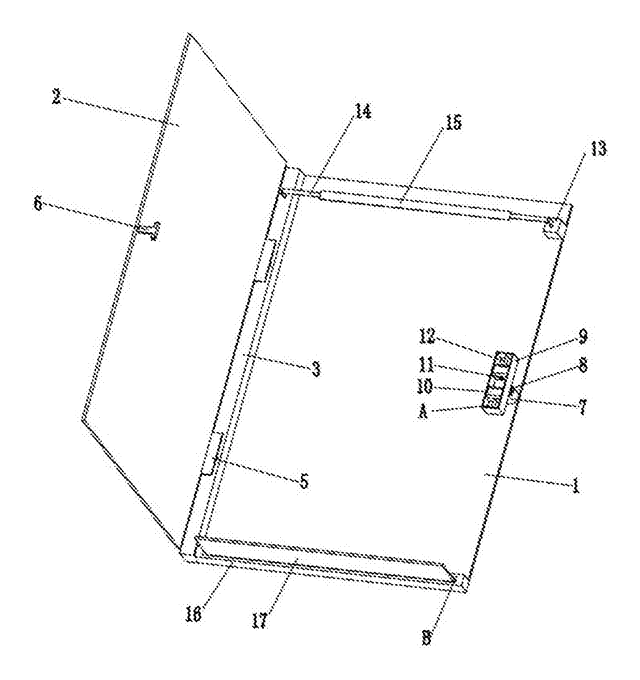
Expanding Clipboard Folder with Spring-Mounted Hinge and Catch
Hard folder whose spring-mounted hinge and catch let the cover clamp any thickness of paper.
Patent CN105667120B
School, Office & Art
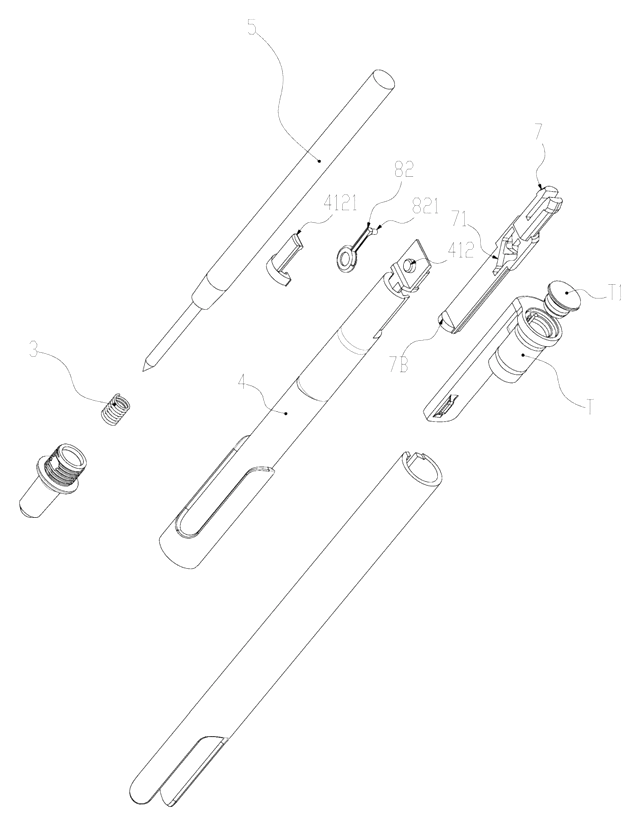
Slide-Action Retractable Pen with a Friction-Loaded Cam That Ignores Gravity
Slide-action retractable pen whose spring-pressed cam latch stays put whichever way the pen is held.
Patent CN217671900U
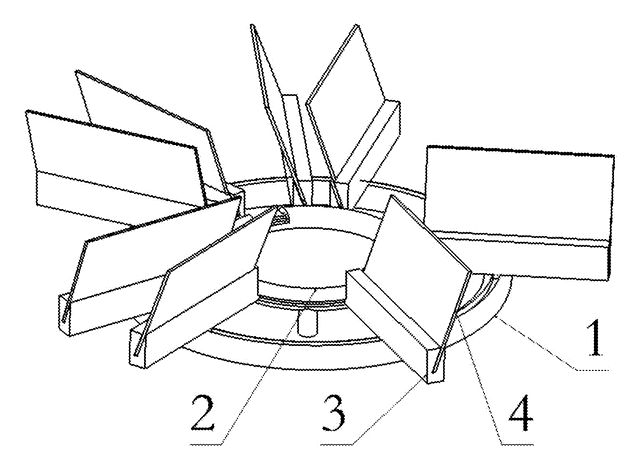
School, Office & Art
Carousel Business Card Holder with Rolling Card Trays on Twin Ring Tracks
Desk card holder: angled card trays roll on wheels around two concentric ring tracks and lift out.
Patent CN105774300B
Browse by category
- Apparel & Accessories (36)
- Baby & Kids (25)
- Bags & Luggage (15)
- Bath & Personal Care (25)
- Car Accessories (21)
- Furniture, Bedding & Storage (19)
- Garden & Outdoor (27)
- Health & Wellness (12)
- Home, Kitchen & Cleaning (40)
- Lighting (20)
- Packaging & Containers (10)
- Pet Products (9)
- Phone & Camera Accessories (7)
- Retail Display (21)
- School, Office & Art (30)
- Sports & Recreation (37)
- Tools & Workshop (46)
- Toys & Games (19)
This page is based on the public patent document CN115091883B, assigned to Guangzhou Eagle Technology Development Co ltd. IP2M is an independent manufacturing service and is not affiliated with, endorsed by or licensed by the patent owner. Images marked as concept renderings are illustrations, not photos of an existing product. Patent status information is provided for reference only and is not legal advice; confirm freedom to operate for your market before production. Full disclaimer.