
Patent CN115251019B
Updated November 6, 2026Dual-Mode Insect Trap for Ornamental Trees with Rain Shield and Pheromone Grid
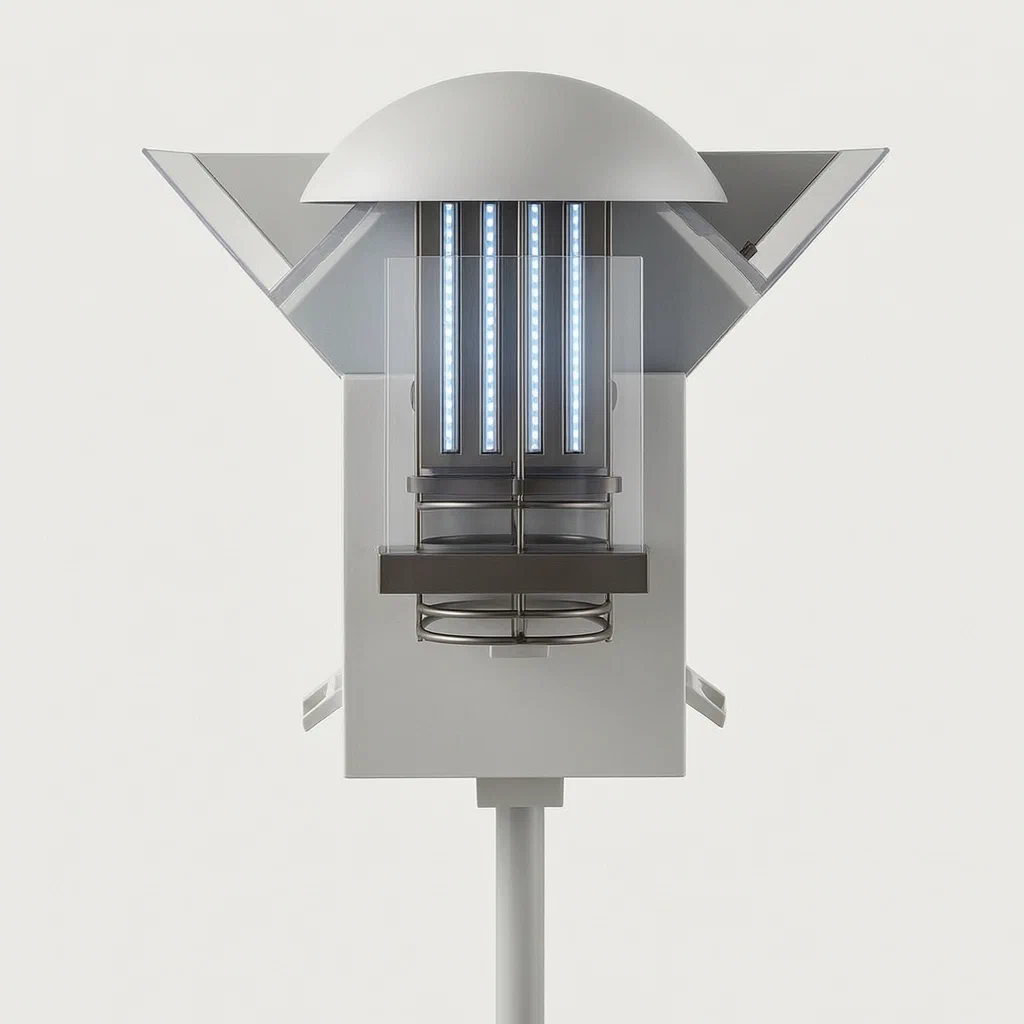
Standard tree traps often fail when rain floods the electronics or when single-mode lures miss specific pest species. This design addresses both issues. A funnel-shaped shell collects dead insects while allowing excess water to drain out through side holes, keeping the base dry. Above, an arc-shaped rain shield protects the light sources. Inside a transparent cover, UV LED bars provide visual attraction. Beneath this, a removable bio-induction unit releases pheromones, drawing pests into an electric grid formed by concentric conductive rings. The modular structure lets users lift off the shield and service the internal parts, keeping maintenance straightforward for ornamental trees.
- China invention patent - in force
- No filings outside China
- Garden & landscape pest control
- UV LEDs, pheromone dispenser, electric grid
Splat! What let you down?
🌧️
Rain-proof design
Arc-shaped shield and drainage holes keep electronics dry during storms.
💡
Dual attraction mode
Combines UV light bars with pheromone induction for broader pest coverage.
⚡
Sliding electric grid
Concentric conductive rings form an outer killing zone around the bait.
🔧
Modular maintenance
Funnel shell and shield detach easily for cleaning and component swaps.
Bring this product to market
- ✓ Patent review Patent family and legal status reviewed in the relevant jurisdictions.
- 2 Product brief · now How it works, uses and options written up
- 3 Prototype First samples for buyers to review
- 4 Pilot run Small first batch for launch customers
- 5 Volume production Repeat orders at scale
Buyer interest
– of 100 buyers needed to start prototyping
One click, no sign-up. Each vote is one real visitor, and products with the most interest go to prototyping first.
Build team: no members yet. Need a partner, co-funding or skills to build this? Join and we introduce the team once it forms.
Patent Rights & Team Participation
Before joining a development team, participants should ensure they have the necessary rights or authorization to participate in the project.
Participation is generally appropriate where:
- You own the relevant patent rights or have obtained permission or a license from the rights holder.
- The relevant patent rights have expired or have been legally invalidated in the jurisdictions where the planned activities will take place.
- The planned development, manufacturing, and commercialization activities have been independently assessed and do not infringe applicable patent rights in the relevant jurisdictions.
Important: Being located outside a country where a patent is protected does not automatically exempt you from patent infringement risks. Patent rights may apply based on where development, manufacturing, use, sale, or import activities take place.
IP2M does not grant any patent license or authorization through team participation. Joining a project does not provide permission to use, manufacture, or commercialize patented technology.
The problem
Outdoor insect traps for trees face two main challenges: weather exposure and limited efficacy. Traditional traps often suffer from water ingress, where rain floods the electrical components or drowns the collected insects, leading to mold and failure. Additionally, many devices rely solely on light or solely on bait, missing pests that respond differently to stimuli. For example, nocturnal moths may be attracted to light but not scent, while certain beetles might ignore light entirely if not drawn by specific pheromones. Furthermore, cleaning these traps is often cumbersome because the collection area is integrated with the electronics, making routine maintenance difficult for landscapers and nursery owners.
The solution
The patented design integrates a protective housing with a dual-mode attraction system.
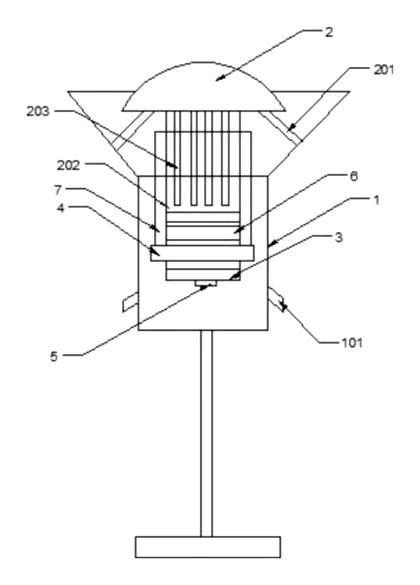
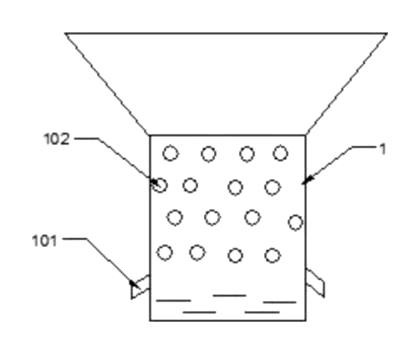
- A funnel-shaped display shell (1) forms the base, with a closed bottom and sloped top edges. Water guide holes (101) allow rainwater to escape, preventing accumulation.
- An arc-shaped rain shielding block (2) rests on the shell’s slope. It supports multiple light rods (203), including UV LEDs, inside a transparent cover (202).
- Below the cover, a biological induction device hangs from the cylinder. It includes a medicine box (6) for pheromones and a fan (3) driven by a motor (5) to disperse the scent.
- Surrounding the induction device is a disinfestation device consisting of an inner and outer arc-shaped conducting ring (4). These rings create an electric grid that kills pests attracted by the pheromones.
- The entire upper assembly is detachable, allowing easy access to the funnel for emptying dead insects and refilling bait.
Who it is for
- Commercial nurseries and garden centers that need reliable pest control for high-value ornamental stock without damaging plants with sprays.
- Landscape management firms maintaining public parks and urban green spaces, requiring durable equipment that withstands rain and wind.
- Homeowners with fruit or ornamental trees seeking a low-maintenance alternative to routine spraying.
- Agricultural suppliers looking for niche products targeting specific tree pests like borers or moths in orchards and vineyards.
How it works
The main parts
| No. | Part | What it does |
|---|---|---|
| 1 | Funnel-shaped display shell | Collects dead insects; drains water via holes (101). |
| 2 | Arc-shaped rain shielding block | Protects lights and electronics from rain; supports the top assembly. |
| 202 | Transparent cover | Encloses the light rods; allows visibility of the kill zone. |
| 203 | Light rods | Emit UV and visible light to attract flying pests. |
| 3, 5 | Fan and Motor | Disperses pheromones from the medicine box outward. |
| 6 | Medicine box | Holds the pheromone bait; has vent holes for release. |
| 4 | Conducting rings | Inner and outer rings form the electric grid for killing pests. |
Operating steps
- Attraction: Light rods emit UV wavelengths to draw nocturnal insects, while the fan disperses pheromones from the medicine box to attract specific species.
- Capture: Insects entering the transparent cover area are intercepted by the electric grid formed by the conducting rings.
- Collection: Killed insects fall into the funnel-shaped shell due to gravity.
- Drainage: Rainwater enters the shell but exits through the water guide holes (101), keeping the collected catch out of standing water and protecting the base.
- Maintenance: The user lifts the arc-shaped shield off the funnel’s slope to empty the collected debris and refill the medicine box.
Applications
Urban park landscaping
Large municipal trees are prone to borer infestations. This trap provides a discreet, rain-resistant solution that requires minimal servicing compared to open buckets, reducing labor costs for city maintenance crews.
Nursery stock protection
High-value ornamental shrubs need pest-free foliage for sale. The dual-mode attraction ensures that both light-seeking and scent-seeking pests are captured before they damage leaves, preserving the aesthetic quality of the plants.
Orchard and vineyard monitoring
Fruit growers use these traps to monitor pest populations. The ability to change the pheromone in the medicine box allows targeted trapping for the pest species the lure is formulated for, helping farmers decide when to spray.
Residential garden trees
Homeowners want effective control without toxic chemicals near pets or children. The electric grid sits below the transparent cover and behind the rain shield, and the drainage holes reduce standing water in the catch area.
Where it is less suitable
- Indoor greenhouse use - The UV and rain-shield design is optimized for outdoor weather conditions; indoor units typically require different lighting spectra and no drainage.
- Aquatic environments - While it handles rain, it is not designed for submersion or high-humidity mist systems common in tropical greenhouses.
- Very large industrial forestry - For vast areas, mass trapping systems or aerial application methods are more cost-effective than individual tree-mounted traps.
Patent & Production
At a glance
| Patent number | CN115251019B (application CN202210616590) |
| Type | China invention patent - protects product method and structure |
| Original title | Insect trap for ornamental tree plant protection (一种园林树木植物保护用捕虫器) |
| Patent owner | AnYang Kerei Biotechnology Co., Ltd. |
| Inventors | Zhang Meiling, Wu Qiufang, Shen Jinpeng, Gao Xinqiang, Yang Weijun, Liu Yanzhen |
| Filing date | 2022-06-01 |
| Grant date | 2023-08-22 |
| Status (China) | In force - valid until at most 2042-06-01 (if annual fees are paid) |
| Patent family | Public record shows Chinese filings only - no US, European, Japanese, PCT or other filings listed |
| Cited by | 0 later documents |
| Source | Google Patents (search for CN115251019B) |
What the claims cover, in plain language
Claim 1 describes an insect trap comprising a funnel-shaped display shell and an arc-shaped rain shielding block detachably mounted on top. The shield has spray holes at its bottom and holds a transparent cover. Inside the cover are lamp rods, one end fixed to the shield. A biological induction device is attached below the cover, containing a cylinder, a medicine box with vents, a fan, and a motor. Crucially, the induction device has an external disinfestation device made of an inner arc-shaped conducting ring and an outer arc-shaped conducting ring connected by an annular power grid, which slides relative to the inner ring.
Claim 2 specifies that the funnel shell has water guide holes at the bottom side wall to drain rain. Claim 3 states the lamp rods include UV LED light bars and standard insect trap light bars. Claim 4 details support rods extending from the rain shield to abut the sloped top of the funnel shell. Claim 5 adds a base and mentions the support rods are detachably connected to the funnel shell. Claim 6 introduces a solar cell panel on the support rod, electrically connected to the lamps, motor, and conducting rings.
This is a simplified reading for orientation only. The legal scope is defined by the exact claim wording in the official Chinese document.
What this means for US production
This patent was filed in China and is currently in force. Making or selling this specific design in China requires the owner’s permission. However, the public record shows no US counterpart or foreign family members. Therefore, producing or selling this design in the United States is not restricted by this specific Chinese patent, as patents are territorial.
Two points to settle early:
- Other patents may exist. Pest control devices, particularly those involving electric grids and pheromone dispensers, are a crowded field. There may be existing US patents covering similar combinations of UV light and electrocution mechanisms. A freedom-to-operate (FTO) review is strongly recommended before launching in the US market to ensure no infringement of third-party IP.
- Component sourcing. The solar integration (Claim 6) and specific sliding ring mechanism may have supply chain implications if unique parts are required. Standardizing on common electronic components can reduce risk.
Customization and manufacturing
What can be customized
| Area | Options |
|---|---|
| Power Source | Battery-only, Solar-assisted (as per Claim 6), or Mains plug-in |
| Light Spectrum | UV wavelength tuning, LED intensity, number of light rods |
| Bait System | Refillable pheromone medicine box vs. liquid reservoir; fan speed adjustment |
| Grid Design | Voltage level, ring spacing, material (stainless steel vs. coated wire) |
| Housing Material | UV-stabilized plastic color, metal finish for the funnel shell |
| Mounting | Pole mount, branch strap, or hanging hook variations |
Things to plan for (US market)
- UL 1559 - The US safety standard for insect-control equipment of the electrocution type. Retail buyers commonly expect a UL or ETL listing to this standard for the electrical assembly, including the grid supply and UV components.
- EPA FIFRA device rules - Insect traps are regulated as devices under FIFRA; labeling and pest-control claims are subject to EPA requirements, and the pheromone lure may have separate registration requirements depending on its active ingredient. Confirm the final classification with a regulatory specialist.
- FCC Part 15 - Electronic components (LED drivers, motors) must comply with EMC standards.
- California Prop 65 - Warnings may be needed for lead or other chemicals in solder or plastics if applicable.
How a project runs
- Inquiry - Define target pest species, power preference, and volume.
- Design - Select UV LEDs, size the battery/solar array, finalize grid geometry.
- Prototype - Build functional samples for waterproofing and kill-rate testing.
- Pilot run - Small batch production for field testing and safety certification.
- Production - Injection molding, PCB assembly, final packaging.
Quantities & timeline
Molds for the funnel shell and rain shield are primary tooling costs. Electronics assembly (PCBs, motors) can be sourced from standard suppliers. Safety certification adds significant time upfront. Send us your target quantity, power configuration, and desired retail price point and we will reply with options.
Production notes
Tooling and process
Likely involves UV-stabilized injection molding for the transparent cover and funnel shell to withstand sunlight. The arc-shaped shield may also be molded or aluminum extrusion if rigidity is prioritized. Metal rings for the grid can be formed from coated steel tube or bent wire.
Cost drivers
UV grade materials for plastics typically increase resin costs. Battery and solar panel components drive BOM cost, especially if high-capacity cells are needed for night operation. Corrosion protection for the electric grid is essential for longevity outdoors.
Prototyping path
Typically, start with 3D-printed parts for the housing to verify fit. Use a coated tube sample for the mounting pole interface. Perform a UV and spray test to check material degradation and sealing. Create a functional sample with live electronics to test the fan and grid voltage.
What we would change before tooling
We would likely need to ensure the sealing surface and gasket compression around the rain shield is robust to prevent water ingress into the motor. Verify shaft and bearing alignment for the fan to minimize noise and wear. Adjust wall thickness and joint design on the funnel to prevent cracking under thermal stress.
Common failure points
Water ingress in electronics is the top risk; potting compounds should be considered for the motor driver. UV degradation and color fade of the plastic cover can reduce light transmission over time. Wind load tipping may occur if the center of gravity is too high; the base weight needs calculation.
Patent drawings
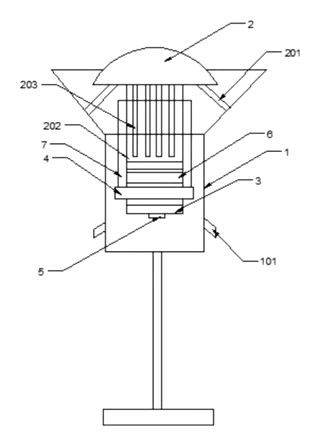
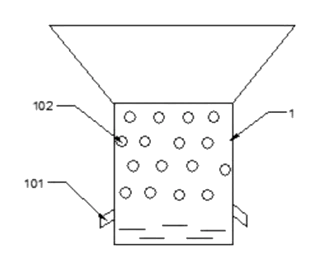
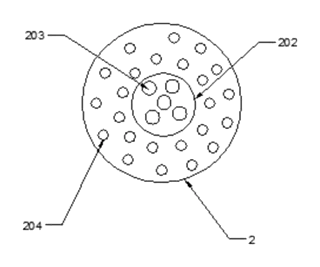
Drawings reproduced from the public patent document for reference.
Frequently asked questions
How does the dual-mode attraction work?
The trap uses two methods simultaneously. First, UV LED light bars attract insects that navigate by light. Second, a fan disperses pheromones from a medicine box, attracting pests that respond to scent. When insects approach the center, they encounter an electric grid formed by conductive rings, which kills them.
Does it work in the rain?
Yes. The design includes an arc-shaped rain shielding block that covers the lights and electronics. Additionally, the funnel-shaped base has water guide holes that allow rainwater to drain out, preventing flooding and keeping the collection area manageable.
Is it hard to maintain?
No. The rain shield and internal components sit on a sloped top of the funnel shell and are detachable. Users can lift the top section to empty dead insects and refill the medicine box.
Can it run on solar power?
The patent describes a version with a solar cell panel mounted on the support rods, which charges the batteries and powers the lights, motor, and electric grid. This eliminates the need for frequent battery changes or wiring.
What pests does it target?
According to the patent, it is designed for ornamental trees and shrubs. The combination of UV light and a refillable pheromone medicine box allows it to target the flying pest species that respond to the selected light spectrum and lure.
Are there safety concerns with the electric grid?
The grid is located inside the transparent cover and beneath the rain shield, limiting direct contact. However, standard precautions apply: keep away from children and pets, and disconnect power before cleaning. Specific voltage levels are set in design and confirmed on prototypes.
Can this design be made and sold in the US?
The patent was filed in China and is in force there. The public record shows no US counterpart, so this specific Chinese patent does not restrict production or sales in the US. However, other US patents may cover similar technologies, so we recommend a freedom-to-operate check before volume production.
Are you affiliated with the patent owner?
No. IP2M is an independent design and manufacturing service working from the public patent document.
Request a quote
Click Request a Quote below to see our email address - copy it, or open your email app with a ready-made message. Please mention patent CN115251019B in the subject.
Helpful details to include:
- Your company and channel (nursery supplier, landscape firm, home improvement retailer)
- Power preference (battery, solar, or mains)
- Target pest types (to help select appropriate pheromone compatibility)
- Estimated quantity and target price
- Timeline - when you would like samples and the first shipment
You can also reach us at (332) 203-9997.
Page editor: Emily Zhang, Product Editor · IP2M
Last updated November 6, 2026. If something on this page looks wrong, email [email protected] and we will check it against the patent.
Interested in building this?
Tell us your target market, quantity and timeline. We reply with options for prototyping, small-batch runs or volume production.
Send your inquiry to
Please put CN115251019B in the subject line and tell us your company, country, estimated quantity and timeline.
Prefer to talk? Call (332) 203-9997.
More product-ready patents
All Garden & Outdoor patents →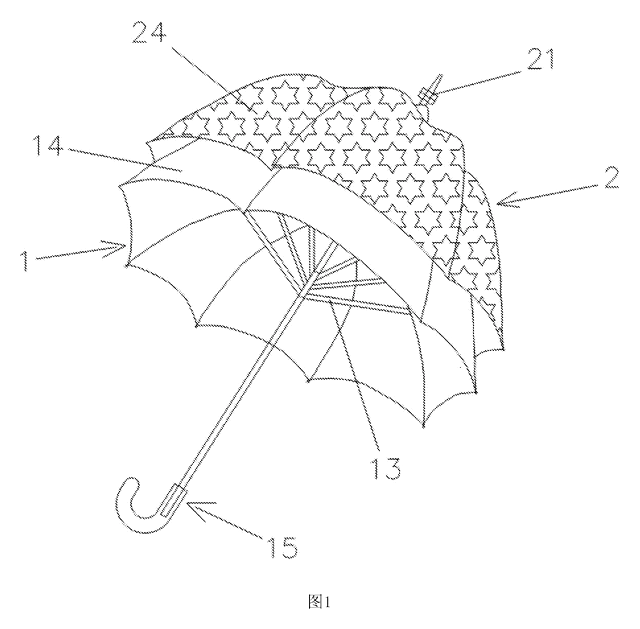
Garden & Outdoor
2-in-1 Parent & Child Umbrella
Full-size umbrella with a nested smaller umbrella on top - a rotating decorative layer that detaches into a kid-size umbrella.
Patent CN205611962U
Garden & Outdoor
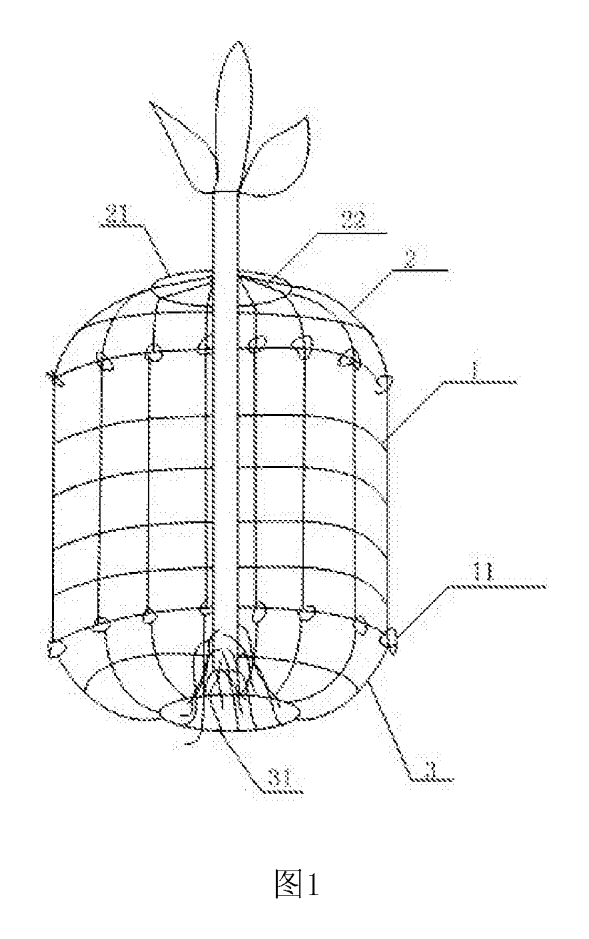
Wire-Mesh Tree Root & Trunk Guard Against Rodents
Three-part wire-mesh guard that protects the roots and lower trunk of young trees from burrowing and gnawing animals.
Patent CN206808261U
Garden & Outdoor
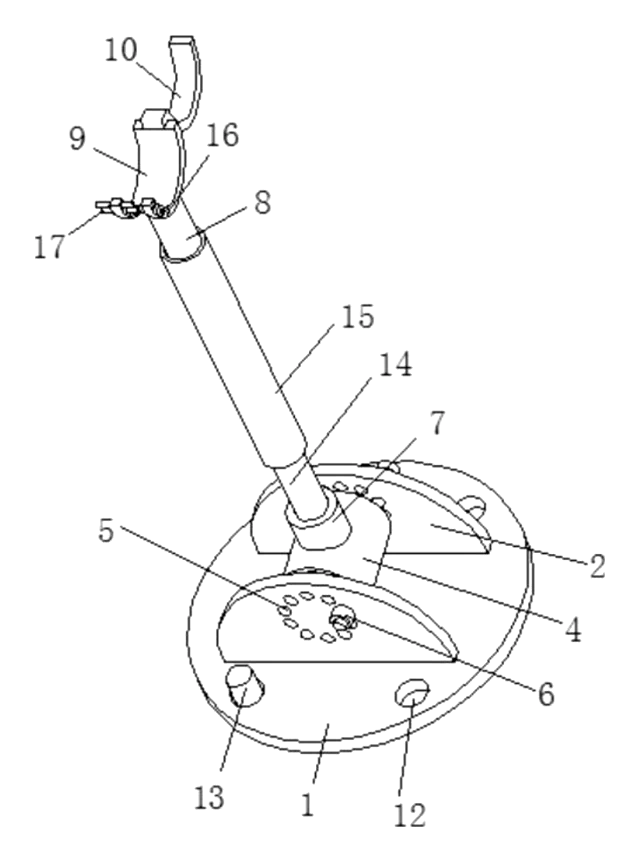
Adjustable-Angle Tree Support Prop
Tree prop with a pinned base, angle-locking hinge, twist-adjust tube and a locking trunk ring.
Patent CN208370491U
Garden & Outdoor
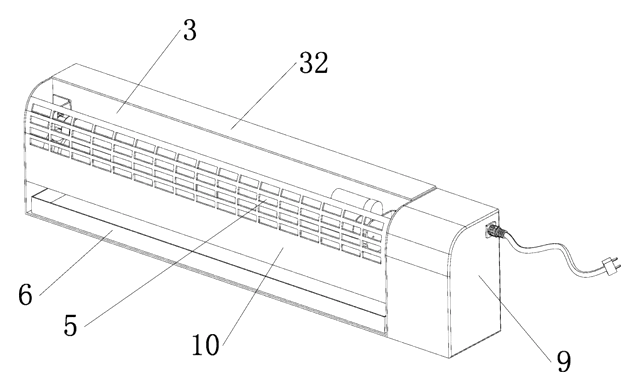
Self-Renewing Glue-Roller Mosquito Trap
UV insect trap with a glue roller that re-coats itself and scrapes the catch into a tray - no glue boards.
Patent CN217038569U
Garden & Outdoor
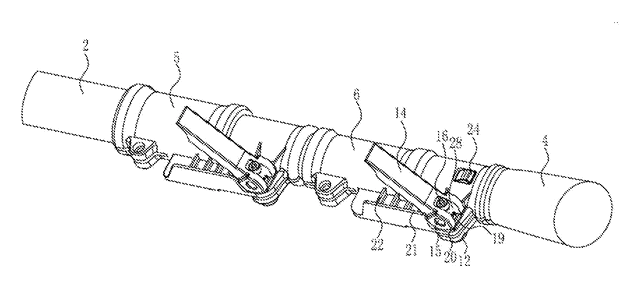
Cam-Lock Telescopic Pole for Garden Power Tools
Telescopic pole for garden power tools with cam-lever locks and a spring-button, tear-drop head socket.
Patent CN205812889U
Garden & Outdoor
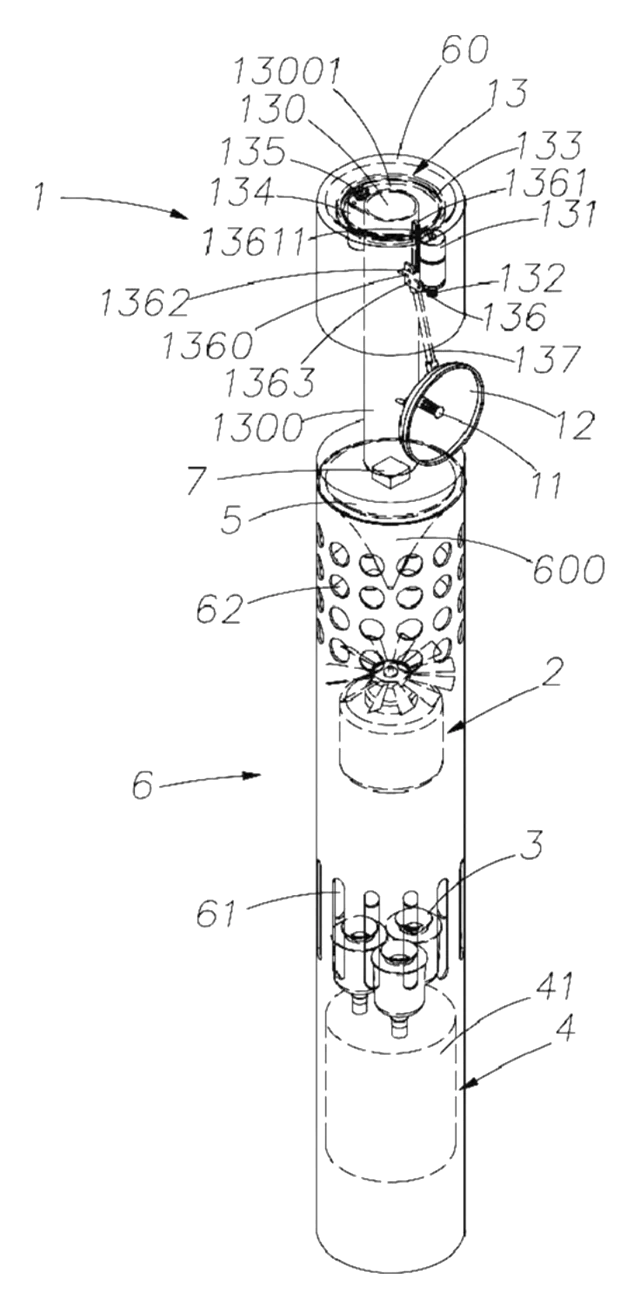
Mosquito Fan That Listens for Mosquitoes Before It Sprays
Fan with a scanning microphone dish that mists repellent only when it hears mosquitoes.
Patent CN208708542U
Browse by category
- Apparel & Accessories (44)
- Baby & Kids (28)
- Bags & Luggage (16)
- Bath & Personal Care (29)
- Car Accessories (23)
- Furniture, Bedding & Storage (23)
- Garden & Outdoor (31)
- Health & Wellness (13)
- Home, Kitchen & Cleaning (47)
- Lighting (22)
- Packaging & Containers (11)
- Pet Products (11)
- Phone & Camera Accessories (9)
- Retail Display (24)
- School, Office & Art (33)
- Sports & Recreation (43)
- Tools & Workshop (51)
- Toys & Games (21)
This page is based on the public patent document CN115251019B, assigned to AnYang Kerei Biotechnology Co., Ltd.. IP2M is an independent manufacturing service and is not affiliated with, endorsed by or licensed by the patent owner. Images marked as concept renderings are illustrations, not photos of an existing product. Patent status information is provided for reference only and is not legal advice; confirm freedom to operate for your market before production. Full disclaimer.