
Patent CN115430094B
Updated November 5, 2026Modular Anti-Slip Silent Foam Mat with Spring-Damped Core
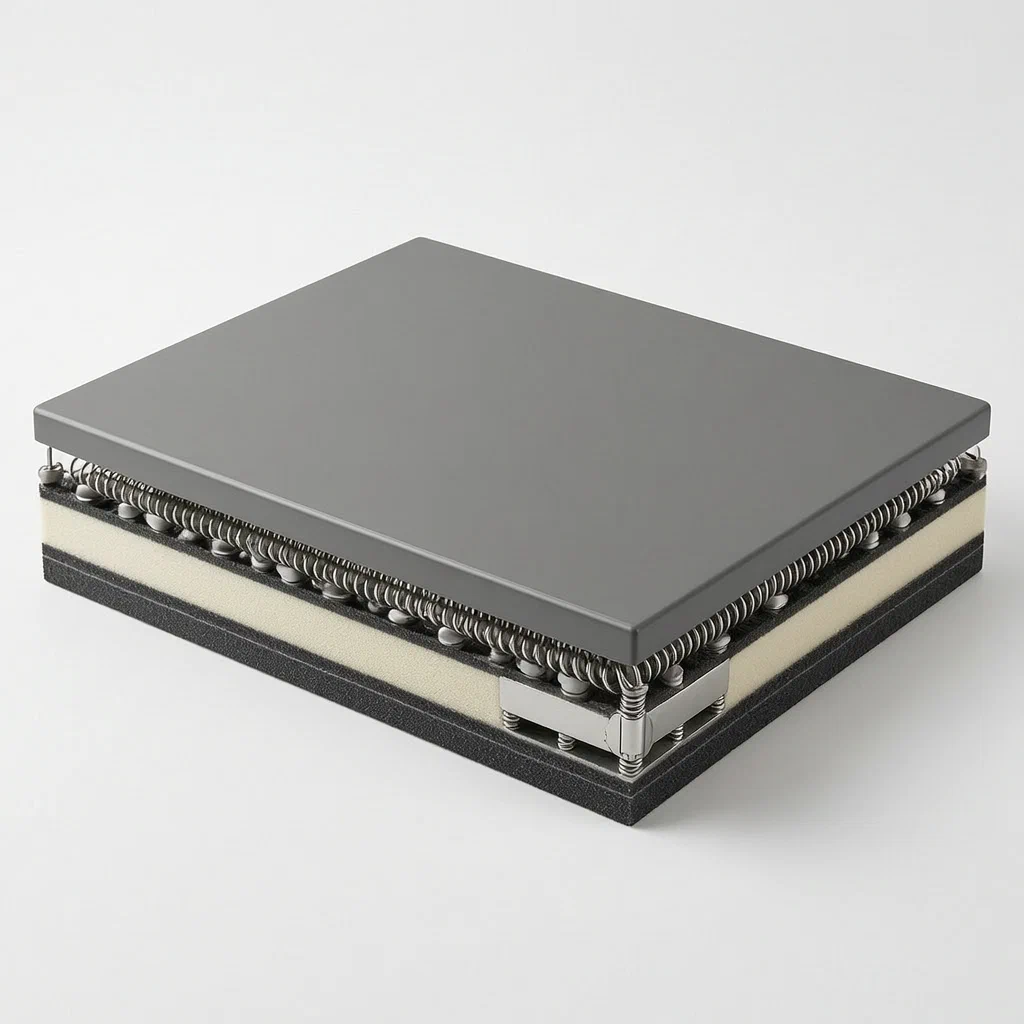
Standard foam mats often transmit impact noise through floors and shift during use. This design addresses both by integrating a mechanical damping core within the foam structure. A square frame holds vertical springs and horizontal elastic components filled with high-resilience sponge. When weight or impact is applied, the force is distributed across the springs and rubber balls, absorbing vibration before it reaches the floor. The mats connect using threaded rods and rotating pins, allowing users to expand the coverage area seamlessly or fold them up for compact storage.
- China invention patent - in force
- No filings outside China
- Sports & Recreation flooring
- PVC top, spring/sponge core, anti-slip base
Splat! What let you down?
🔇
Mechanical Damping
Internal springs and rubber balls absorb impact energy, reducing noise transmission.
🧩
Modular Connection
Rotating link pieces allow mats to be joined side-by-side or stacked for storage.
🦶
Anti-Slip Base
Rough surface and hook-and-loop style attachment ensure stable footing on floors.
🧽
Sponge Filled
High-resilience sponge fills the voids around the spring mechanism for comfort.
Bring this product to market
- ✓ Patent review Patent family and legal status reviewed in the relevant jurisdictions.
- 2 Product brief · now How it works, uses and options written up
- 3 Prototype First samples for buyers to review
- 4 Pilot run Small first batch for launch customers
- 5 Volume production Repeat orders at scale
Buyer interest
– of 100 buyers needed to start prototyping
One click, no sign-up. Each vote is one real visitor, and products with the most interest go to prototyping first.
Build team: no members yet. Need a partner, co-funding or skills to build this? Join and we introduce the team once it forms.
Patent Rights & Team Participation
Before joining a development team, participants should ensure they have the necessary rights or authorization to participate in the project.
Participation is generally appropriate where:
- You own the relevant patent rights or have obtained permission or a license from the rights holder.
- The relevant patent rights have expired or have been legally invalidated in the jurisdictions where the planned activities will take place.
- The planned development, manufacturing, and commercialization activities have been independently assessed and do not infringe applicable patent rights in the relevant jurisdictions.
Important: Being located outside a country where a patent is protected does not automatically exempt you from patent infringement risks. Patent rights may apply based on where development, manufacturing, use, sale, or import activities take place.
IP2M does not grant any patent license or authorization through team participation. Joining a project does not provide permission to use, manufacture, or commercialize patented technology.
The problem
Traditional interlocking foam mats used for home gyms or play areas often suffer from two main issues: noise transmission and instability. While foam provides some cushioning, heavy impacts like jumping or dropping weights can still transfer vibration and sound through the floor, disturbing others in multi-story buildings. Additionally, standard puzzle-piece mats can separate or shift under lateral stress, creating gaps where feet might catch. There is a need for a flooring solution that actively dampens impact rather than just absorbing it passively, while offering a secure way to expand the usable area without relying solely on edge connectors that may wear out.
The solution
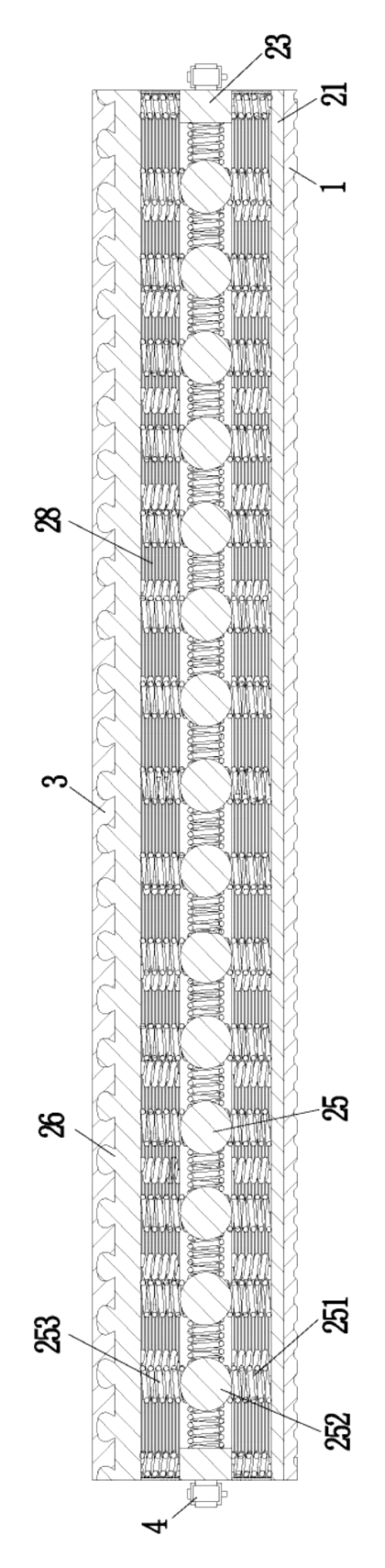
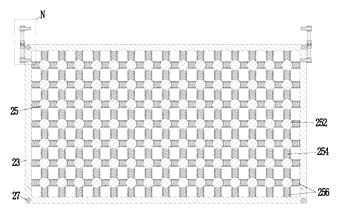
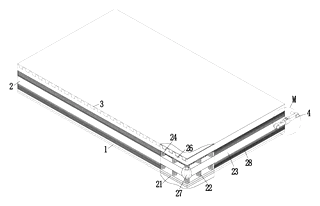
This patent describes a composite mat structure divided into three functional layers: an anti-skidding bottom pad, a central shock attenuation and silencing layer, and a contact top layer. The core innovation lies in the central layer, which is not just solid foam but a mechanical assembly. It consists of an isolation bottom piece and an isolation upper piece connected by a square frame. Inside this frame, vertical first and second springs support the structure, while a complex elastic component uses additional springs and rubber balls to distribute force horizontally and vertically. High-resilience sponge fills the remaining space to provide comfort and further sound absorption.
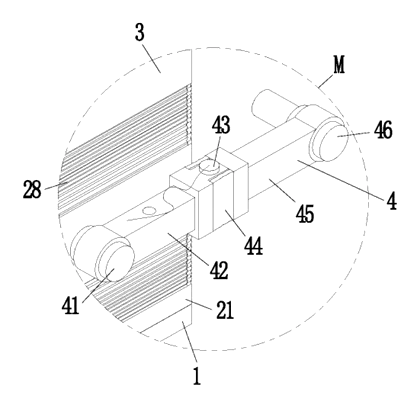
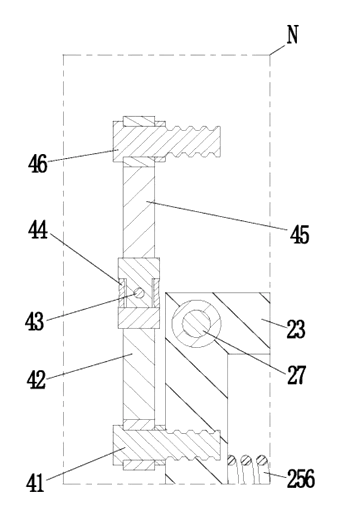
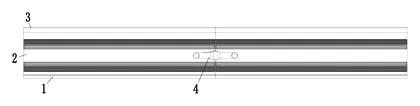
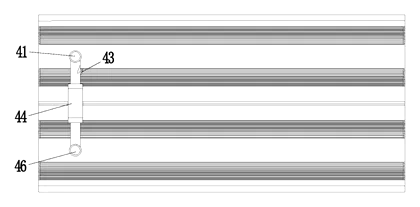
The mat features connecting rotating pieces on its sides. These consist of threaded rods and matching rotating parts secured by positioning pins. This mechanism allows two mats to be locked together firmly when laid flat, ensuring their surfaces remain level. For storage, the pins can be removed, and one mat can be flipped and stacked on top of another, held together by elastic belts, significantly reducing the footprint.
Who it is for
- Home Gym Equipment Brands: Companies looking to differentiate their flooring line with active noise reduction capabilities for apartment dwellers.
- Fitness Studio Owners: Businesses needing durable, quiet flooring that can be expanded or contracted easily for different class sizes.
- Children’s Play Area Suppliers: Retailers selling safe, slip-resistant mats where noise containment is valuable in shared living spaces.
- Industrial Flooring Distributors: Wholesalers seeking modular flooring with a mechanical damping core rather than foam alone.
How it works
The main parts
The device is constructed from several distinct components that work together to manage impact and facilitate modularity.
| No. | Part | What it does |
|---|---|---|
| 1 | Anti-skid Bottom Pad | Provides friction against the floor; has a rough surface. |
| 2 | Shock Attenuation Layer | Contains the spring and sponge core for damping. |
| 21, 26 | Isolation Pieces | Bottom and top plates that sandwich the spring system. |
| 22, 24 | Vertical Springs | Support the load between the isolation pieces. |
| 23 | Square Frame Piece | Structural frame holding the springs and elastic components. |
| 25 | Elastic Component | Internal system of springs and rubber balls for force distribution. |
| 3 | Contact Top Layer | PVC surface for durability and grip. |
| 4 | Connecting Rotating Piece | Side mechanism for linking mats or stacking them. |
Operating Steps
- Impact Absorption: When a foot strikes the top PVC layer, the force travels down to the isolation upper piece.
- Damping Activation: The force compresses the vertical springs and engages the elastic component inside the square frame. The rubber balls and smaller springs distribute the energy laterally, preventing concentrated pressure points.
- Noise Reduction: The high-resilience sponge surrounding these mechanical parts absorbs residual vibrations, reducing the sound transmitted to the floor below.
- Expansion: To create a larger area, align the connecting rotating pieces of adjacent mats. Insert the positioning pin to lock the threaded rods, keeping the mats flush.
- Storage: Remove the pins, flip one mat upside down, and stack it on another. Use the elastic connecting belt to hold the stack together securely.
Applications
Home Gyms in Apartments
Residents in multi-story buildings are the intended users of the spring-damped core, which the patent describes as reducing the noise generated by bodyweight exercises or light weightlifting.
Children’s Playrooms
Parents seek flooring that prevents slips and cushions falls. The anti-slip bottom and soft top layer provide safety, while the modular design allows parents to expand the play area as the child grows or rearrange furniture.
Yoga and Pilates Studios
Studios require quiet environments. The mats’ ability to dampen the sound of footsteps and equipment placement helps maintain a serene atmosphere, while the connecting pieces help keep adjacent mats level for poses.
Commercial Fitness Centers
Gyms can use these mats in high-traffic warm-up zones. The PVC contact layer can be replaced when it wears, and the modular connection allows staff to reconfigure the layout for group classes.
Where it is less suitable
- Heavy Industrial Lifting: Extremely heavy barbells or deadlift platforms typically require specialized steel-reinforced concrete or dense rubber slabs, not spring-loaded foam.
- Outdoor Use: The materials described are optimized for indoor environments; prolonged UV exposure could degrade the sponge and PVC components unless specifically treated.
Patent & Production
At a glance
| Patent number | CN115430094B (application CN202211170065) |
| Type | China invention patent (发明专利) - protects product structure and method |
| Original title | Anti-slip silent foam-rubber cushion (一种防滑静音海绵垫) |
| Patent owner | Guangzhou Liyuan Material Technology Co., Ltd. |
| Inventors | Yang Huanli |
| Filing date | 2022-09-23 |
| Grant date | 2023-12-19 |
| Status (China) | In force - valid until at most 2042-09-23, subject to payment of annual fees |
| Patent family | Public record shows Chinese filings only - no US, European, Japanese, PCT or other filings listed |
| Cited by | 0 later documents |
| Source | Google Patents (search for CN115430094B) |
What the claims cover, in plain language
Claim 1 defines a three-layer mat: an anti-skid bottom pad (1), a shock attenuation layer (2), and a contact top layer (3). The key feature is the shock attenuation layer, which contains an isolation bottom piece (21), an isolation upper piece (26), and a square frame piece (23). Vertical springs (22, 24) connect these pieces. An elastic component (25) inside the frame uses additional springs and rubber balls to distribute force. Connecting rotating pieces (4) are attached to the sides of the frame to allow linking or stacking.
Claim 2 specifies that the space within the frame, excluding the elastic component, is filled with high-resilience sponge. Claim 3 states the top layer (3) is made of PVC and fits concave-convexly onto the isolation upper piece. Claim 4 describes the bottom pad (1) having an uneven lower surface and a rough upper surface. Claim 5 notes that the isolation bottom piece (21) has a hook-face structure to attach to the bottom pad.
This is a simplified reading for orientation only. The legal scope is defined by the exact claim wording in the official Chinese document.
What this means for US production
This patent was filed in China and is currently in force. The public record shows no US or other foreign counterpart. Making or selling this specific design in China requires the owner’s permission. However, because there is no US counterpart, the patent itself does not restrict making or selling this design in the United States.
Two points to settle early:
- Other patents may exist. Floor mats and interlocking foam tiles are a crowded field with many existing US patents covering various connection mechanisms and material compositions. A freedom-to-operate (FTO) review is recommended to ensure the specific combination of spring-damping and rotating links does not infringe on earlier US designs.
- Material Compliance. The use of PVC and specific spring metals must meet US consumer safety standards regarding phthalates and heavy metals, especially if marketed for children.
Customization and manufacturing
What can be customized
| Area | Options |
|---|---|
| Dimensions | Standard square sizes (e.g., 24x24 inches) or custom rectangular formats |
| Thickness | Adjusted based on the number of spring coils and sponge density |
| Top Surface | PVC texture (smooth, ribbed, or diamond plate) and color |
| Core Density | Sponge firmness and spring rate tuning for lighter or heavier loads |
| Connection Type | Number of rotating link points per side for varying expansion needs |
| Base Grip | Pattern depth and material hardness for different floor types (carpet vs. tile) |
Things to plan for (US market)
- ASTM F963 - If marketed for children’s play areas, strict limits on lead, phthalates, and small parts apply.
- CPSC Guidelines - General consumer product safety requirements for flammability and chemical content.
- California Prop 65 - PVC plasticizers and certain metal finishes may require warning labels depending on concentration levels.
- UL 94 - Flammability rating for plastic components if used in commercial settings.
How a project runs
- Inquiry - Define target dimensions, load capacity, and aesthetic preferences.
- Design - Finalize spring rates, sponge density, and mold geometry for the frame and links.
- Prototype - Create functional samples to test noise reduction and connection strength.
- Pilot Run - Validate consistency of spring assembly and PVC bonding.
- Production - Injection molding for frames/links, stamping/winding for springs, foam cutting, and final assembly.
Quantities & timeline
Tooling for the plastic frame and rotating links will require multiple molds. Springs can be sourced or wound in-house. The assembly process involves inserting springs, filling sponge, and attaching the PVC top. Development time depends on tuning the damping performance. Send us your target dimensions, load class, material preferences, quantity and target price and we will reply with options.
Production notes
Tooling and process
Injection molding is likely required for the square frame and rotating link components, given their geometric complexity. Springs will typically be stamped or coiled wire forms, potentially requiring heat treatment for durability. The PVC top layer is usually molded or bonded, while the sponge core is cut or molded separately. Assembly likely relies on snap-fit or screw-based connections for the internal components.
Cost drivers
The number of molds needed for the plastic structural parts is typically a primary cost driver. Material choice matters: impact-grade plastics for the frame and specific alloys for springs affect unit cost. Fastener count and the complexity of the rotating link mechanism also contribute to labor and assembly expenses. Packaging volume due to the mat’s thickness impacts shipping costs.
Prototyping path
Initial prototypes can use 3D-printed parts for the frame and links to verify fit and function. Machined aluminum frames may serve as durable test units. Functional samples should include actual springs and sponge to assess damping. Impact test samples are crucial to validate noise reduction claims before tooling.
What we would change before tooling
We would likely adjust wall thickness and joint design in the plastic frame to prevent cracking under impact. Spring fatigue testing would determine if the rate consistency meets long-term usage goals. Edge hardness of the PVC top might be modified to improve wear resistance without compromising grip.
Common failure points
Potential issues include cracking of the plastic frame under repeated heavy impact, bolts or pins loosening over time, and UV degradation if exposed to sunlight. Weight above target specifications could make handling difficult. Strap or buckle failures in the connection mechanism are critical risks to mitigate through rigorous testing.
Patent drawings
Drawings reproduced from the public patent document for reference.
Frequently asked questions
How does this mat reduce noise?
Unlike standard foam mats that simply compress, this design uses an internal mechanical system. Springs and rubber balls inside the frame distribute impact energy laterally and vertically, while high-resilience sponge absorbs the remaining vibration. This combination actively damps sound transmission to the floor below.
Can I connect multiple mats together?
Yes. Each mat has connecting rotating pieces on its sides. By aligning the pieces and inserting a positioning pin, you can lock mats together securely. This creates a seamless, level surface without the gaps common in traditional puzzle-piece mats.
Is it hard to store?
No. The connection mechanism allows for easy disassembly. You can remove the pins, flip one mat upside down, and stack it on top of another. Elastic belts on the connecting pieces help keep the stack secure and compact for storage.
What is the top surface made of?
The top contact layer is made of PVC. According to the patent, this material is chosen for its wear resistance, scratch resistance, and anti-slip properties. It bonds directly to the internal isolation layer.
How much weight can it handle?
The patent describes the structure but does not specify a maximum load rating. Capacity depends on the spring stiffness and sponge density chosen during manufacturing. We recommend confirming load limits through prototype testing for your specific application.
Is the bottom slippery?
No. The anti-skid bottom pad features an uneven, rough surface designed to grip various floor types. It also attaches securely to the internal frame via a hook-face structure, ensuring the base doesn’t detach during use.
Can this design be made and sold in the US?
The patent is in force in China, but the public record shows no US counterpart. Therefore, this specific patent does not restrict making or selling the design in the US. However, other US patents may cover similar floor mat technologies, so a freedom-to-operate check is advisable.
Are you affiliated with the patent owner?
No. IP2M is an independent design and manufacturing service working from the public patent document.
Request a quote
Click Request a Quote below to see our email address - copy it, or open your email app with a ready-made message. Please mention patent CN115430094B in the subject.
Helpful details to include:
- Your company and channel (gym brand, flooring distributor, retail buyer)
- Target dimensions and thickness
- Load requirements (home gym, commercial, kids’ play)
- Color and finish preferences for the PVC top
- Estimated quantity and target price
- Timeline - when you would like samples and the first shipment
You can also reach us at (332) 203-9997.
Page editor: Daniel Chen, Product Research Editor · IP2M
Last updated November 5, 2026. If something on this page looks wrong, email [email protected] and we will check it against the patent.
Interested in building this?
Tell us your target market, quantity and timeline. We reply with options for prototyping, small-batch runs or volume production.
Send your inquiry to
Please put CN115430094B in the subject line and tell us your company, country, estimated quantity and timeline.
Prefer to talk? Call (332) 203-9997.
More product-ready patents
All Sports & Recreation patents →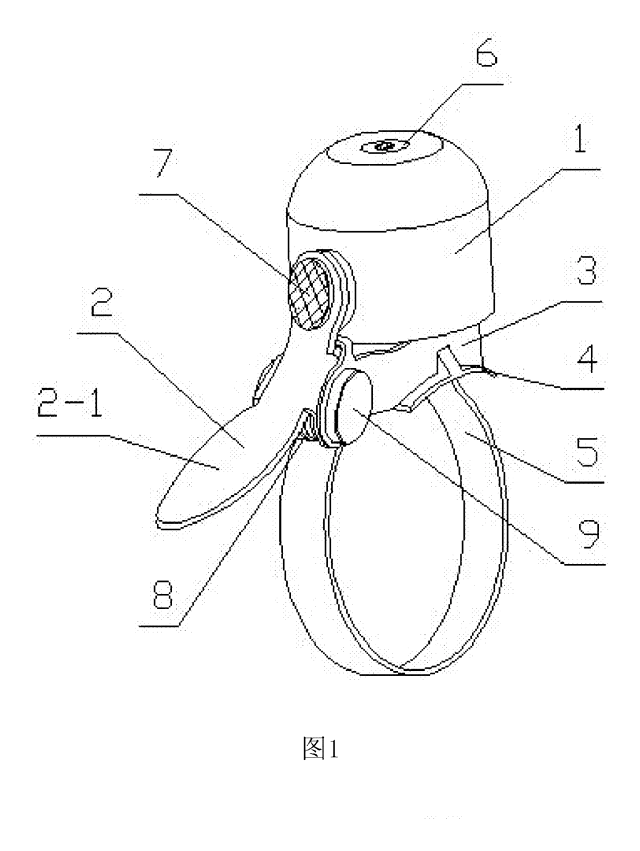
Sports & Recreation
Compact Torsion-Spring Bike Bell
Mini bike bell with a standard torsion spring and a rubber-floated dome - small size, clear tone, quick strap mount.
Patent CN205819384U
Sports & Recreation
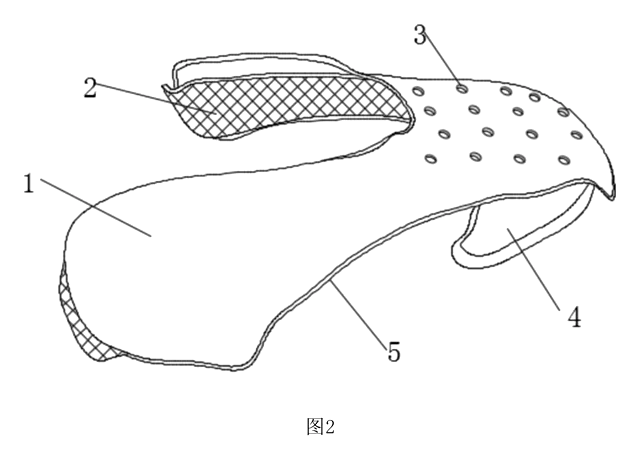
Padded Toe-Box Shield for Sneakers
Ventilated, silicone-lined toe-box insert that supports the front of a sneaker and cushions the toes.
Patent CN209473731U
Sports & Recreation
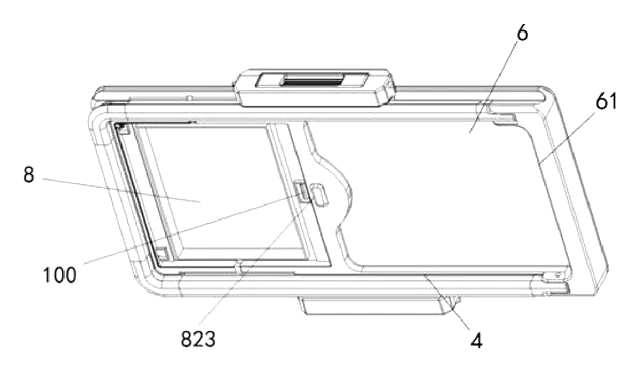
Reversible Fishing Seat-Box Lid with Backrest
Fishing seat-box lid that flips on removable hinge pins: cushion, backrest and storage on one face.
Patent CN208624426U
Sports & Recreation
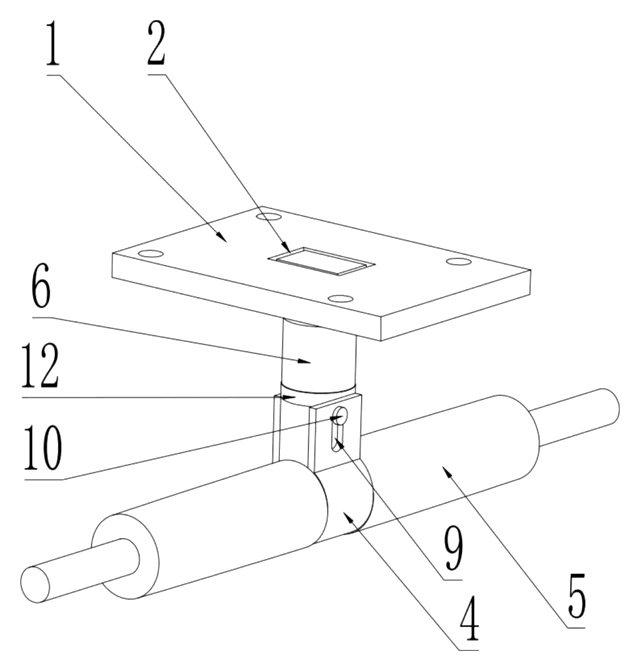
Swivel-Pin Skateboard Truck with Rubber Sleeve
Skateboard truck with a turning center pin, a tilting axle clamp and a rubber sleeve that centers it.
Patent CN216777880U
Sports & Recreation
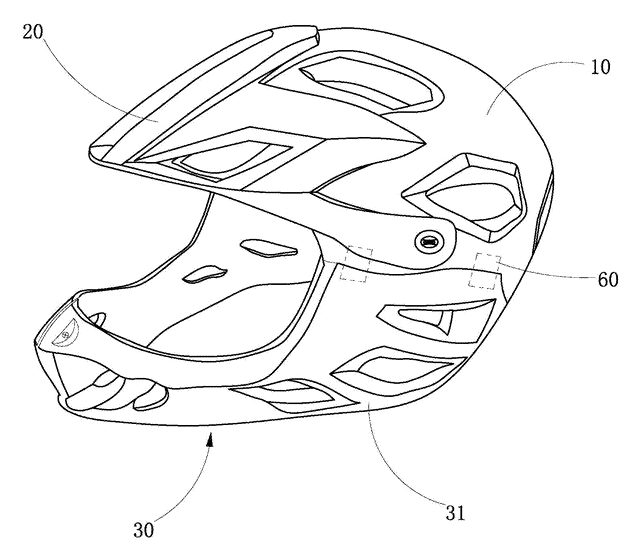
Full-Face Bike Helmet with Magnetic Detachable Chin Bar
Full-face cycling helmet whose chin bar clips on and off with magnetic, latching side connectors.
Patent CN206630067U
Sports & Recreation
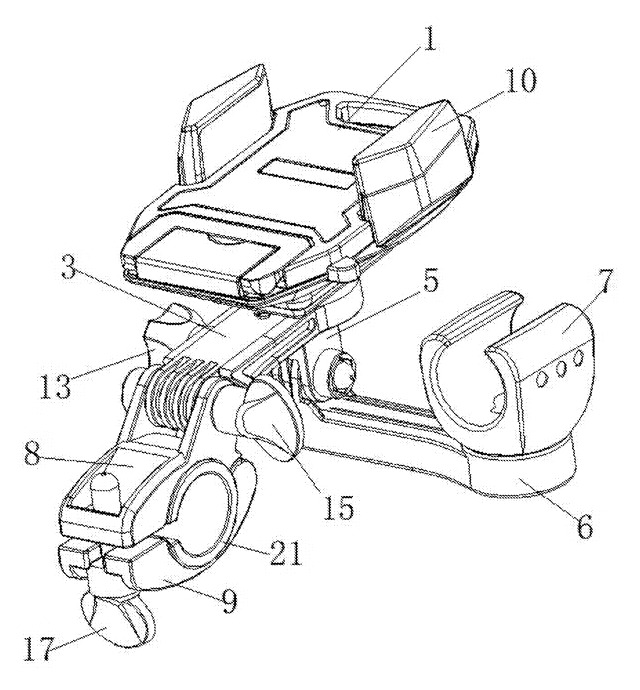
Bike Phone Holder with Built-In Flashlight Clamp
Handlebar mount with a phone cradle on top and a flashlight clamp below, on one arm.
Patent CN206077485U
Browse by category
- Apparel & Accessories (39)
- Baby & Kids (26)
- Bags & Luggage (15)
- Bath & Personal Care (26)
- Car Accessories (21)
- Furniture, Bedding & Storage (21)
- Garden & Outdoor (29)
- Health & Wellness (12)
- Home, Kitchen & Cleaning (43)
- Lighting (20)
- Packaging & Containers (10)
- Pet Products (10)
- Phone & Camera Accessories (8)
- Retail Display (22)
- School, Office & Art (30)
- Sports & Recreation (39)
- Tools & Workshop (48)
- Toys & Games (20)
This page is based on the public patent document CN115430094B, assigned to Guangzhou Liyuan Material Technology Co., Ltd.. IP2M is an independent manufacturing service and is not affiliated with, endorsed by or licensed by the patent owner. Images marked as concept renderings are illustrations, not photos of an existing product. Patent status information is provided for reference only and is not legal advice; confirm freedom to operate for your market before production. Full disclaimer.