
Patent CN115500584B
Updated November 1, 2026Dual-Interlock Safety Belt Buckle for Fall Protection
Standard safety buckles can be fumbled with when switching between anchor points, risking a moment of zero protection. This design integrates a dual-interlock system where engaging one belt automatically releases the other's lock state, simplifying the transition and keeping the worker secured throughout the process.
- China invention patent - active
- No filings outside China
- Fall protection hardware
- Mechanical interlock, no electronics
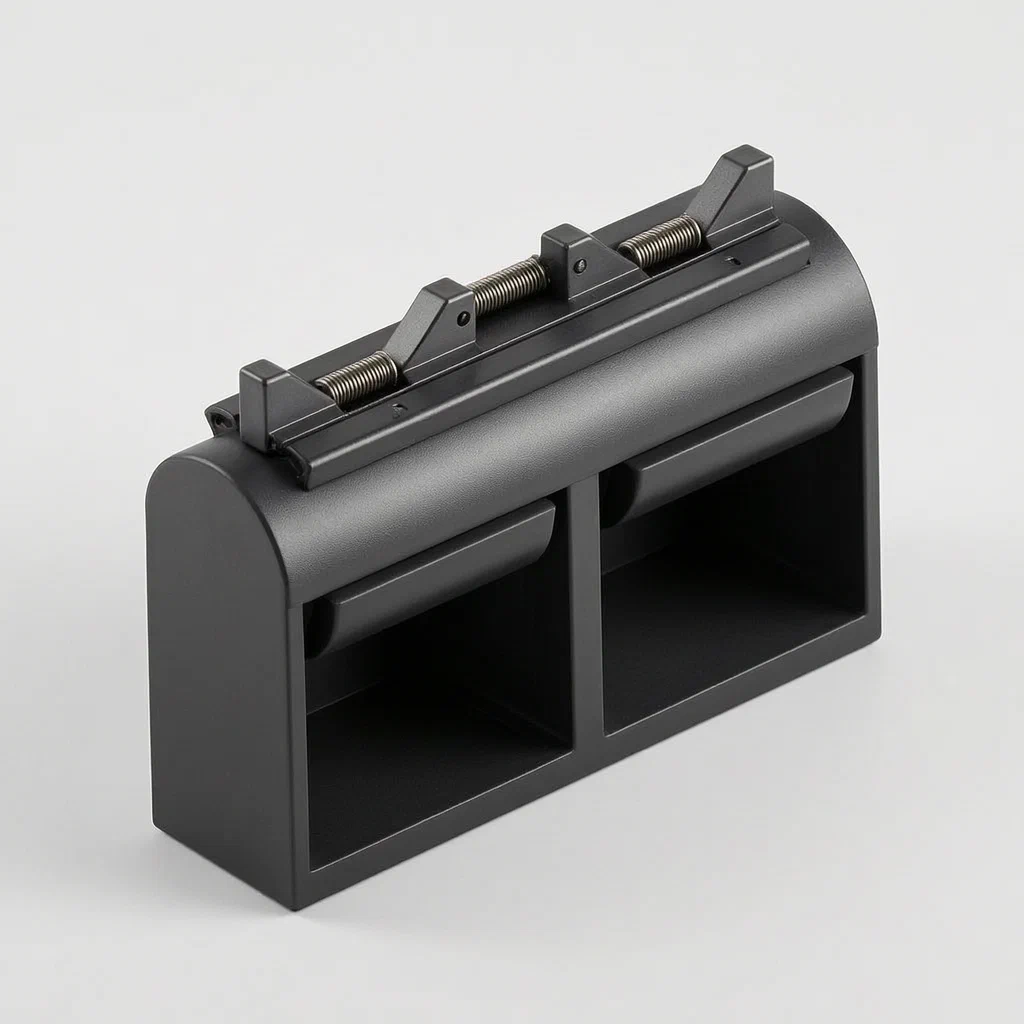
Splat! What let you down?
🔒
Dual Interlock
Two locking elements interact mechanically; pressing one affects the state of the other.
⚙️
Automatic Reset
Engaging the first belt drives the second locking element back to the unlock position.
🪝
Tensioning Members
Spring-loaded tensioners grip the belt hook securely when the lock engages.
🛡️
Continuous Protection
Designed to minimize gaps in security when switching between anchor points.
Bring this product to market
- ✓ Patent vetted China-only family and legal status checked
- 2 Product brief · now How it works, uses and options written up
- 3 Prototype First samples for buyers to review
- 4 Pilot run Small first batch for launch customers
- 5 Volume production Repeat orders at scale
Buyer interest
– of 100 buyers needed to start prototyping
One click, no sign-up. Each vote is one real visitor, and products with the most interest go to prototyping first.
Build team: no members yet. Need a partner, co-funding or skills to build this? Join and we introduce the team once it forms.
The problem
Workers at height often use double lanyards to move between anchor points. With standard buckles, disconnecting one belt before securing the other creates a brief period where the worker is unprotected. If the sequence is reversed or if a buckle fails to engage properly due to gloves or fatigue, there is a risk of falling. Existing single-point buckles do not mechanically ensure that one connection remains secure while the other is being manipulated. There is a need for a locking mechanism that manages the engagement and disengagement states of two belts simultaneously to ensure that at least one point of attachment is always active or transitioning safely.
The solution
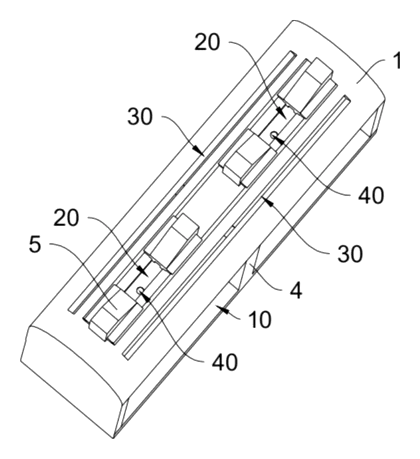
The patent describes a seat belt buckle comprising a housing, an interlocking assembly, and two tensioning assemblies.
- The housing contains a mounting hole with two through holes spaced along the X-axis.
- The interlocking assembly features two locking elements positioned vertically (Z-axis) within the housing. Each element protrudes through one of the through holes.
- These elements have distinct locked and unlocked positions. A key feature is the mechanical linkage: when one locking element moves toward its locked position, it physically drives the other locking element to reset to its unlocked position.
- Two tensioning members are located below the locking elements. They are also spring-loaded or repositionable.
- The hook of a safety belt fits around the outer periphery of one locking element and one tensioning member.
- When a locking element is in the locked position, its lower end inserts into the corresponding tensioning member. The tensioning member expands or shifts to compress the inner ring of the belt hook, securing it.
- When the locking element is in the unlocked position, the tensioning member releases its grip on the hook, allowing removal.
Who it is for
- Electrical utility companies: Specifically mentioned in the context of overhead line operations where workers switch between anchors frequently.
- Construction safety equipment brands: Looking for differentiated fall protection hardware that reduces user error during lanyard transitions.
- Industrial maintenance contractors: Teams working on scaffolding or rooftops who require reliable double-lanyard systems.
- Arborists and tower climbers: Professionals who need to maintain constant attachment while moving up or down structures.
How it works
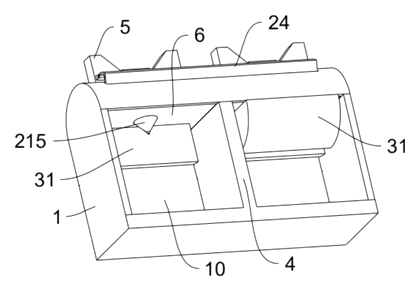
The main parts
The mechanism relies on a specific arrangement of plates and steps to create the interlock.
| No. | Part | What it does |
|---|---|---|
| 1 | Housing | Contains the mounting hole and supports the internal components. |
| 10, 20 | Mounting Hole & Through Holes | Allows the locking elements to protrude for user access. |
| 2 | Interlocking Assembly | The core mechanism controlling the lock/unlock states. |
| 21, 22 | First & Second Locking Elements | The push-buttons/levers the user interacts with. |
| 23, 24 | First & Second Locking Plates | Rotatable plates that clamp the locking elements. |
| 211, 221 | Locking Steps | Features on the elements that engage with the plates to hold them closed. |
| 212, 222 | Unlocking Rods | Protrusions that push against the opposing plate to release it. |
| 3 | Tensioning Members | Grip the belt hook when the locking element descends. |
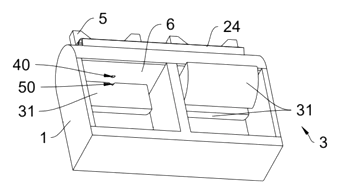
Operating steps
- Insert Hook: The user places the safety belt hook over one locking element and its corresponding tensioning member.
- Press to Lock: The user pushes the locking element down. As it moves, its unlocking rod contacts the opposing locking plate.
- Interlock Action: This contact forces the opposing plate to rotate away, releasing the other locking element from its clamped state. Simultaneously, the current locking element’s locking step engages with its own plate, holding it in the locked position.
- Secure Grip: The descent of the locking element pushes the tensioning member outward or downward, causing it to compress the inner ring of the hook, preventing accidental withdrawal.
- Switch Anchors: To attach the second belt, the user presses the now-unlocked second locking element. This action will mechanically drive the first locking element back to its unlocked position, releasing the first tensioner.
Applications
Overhead Line Maintenance
Electricians working on power lines often need to shift their primary and secondary lanyards. This buckle allows them to clip onto a new anchor point, which automatically frees the old one, reducing the time spent unhooking manually and minimizing the window of exposure.
Tower Climbing
Climbers using double lanyards for continuous protection benefit from the automatic transition. When reaching a new platform or anchor, pressing the second latch secures the climber while releasing the first, streamlining the ascent or descent process.
Construction Scaffolding
On multi-level scaffolds, workers move between sections frequently. The dual-interlock prevents situations where both belts are inadvertently released, as the mechanical design requires one to be engaged to affect the other’s state.
Industrial Roof Work
Roofers installing panels or performing repairs must stay tied off. The robust housing and mechanical tensioning ensure that gloves do not interfere with the basic push-to-lock action, providing a tactile confirmation of security.
Where it is less suitable
- Single-lanyard applications: The dual-interlock complexity offers no benefit if only one belt is ever used.
- High-speed automated assembly: The manual push-and-release cycle is slower than simple snap-in buckles.
- Extreme corrosion environments: While materials aren’t specified, the tight tolerances of the interlocking plates may require more frequent cleaning than simpler open hooks.
Frequently asked questions
How does the “dual interlock” actually work?
The design uses two locking buttons inside one housing. When you press Button A to lock Belt A, a small rod on Button A physically pushes a plate that unlocks Button B. This means you cannot have both belts fully locked in the same way simultaneously; engaging one automatically releases the other’s lock state, facilitating a safe hand-off between anchor points.
Does this prevent me from falling?
According to the patent, the device is designed to ensure that one safety belt is always in a locking state while the other is being manipulated, thereby helping to protect the operator. It is a mechanical aid to reduce human error during transitions, not a replacement for proper training and inspection.
What materials is it made of?
The patent text does not specify exact materials for the housing or internal parts. In production, we would recommend high-strength aluminum alloy or stainless steel to meet industrial safety standards. Material selection is confirmed during the design phase based on weight and strength requirements.
Can I use this with any brand of safety belt?
The locking hook fits over the outer periphery of the locking element and tensioning member. Compatibility depends on the diameter of the hook on your specific safety belt. We can adjust the internal dimensions of the tensioning members to match standard hook sizes (e.g., 10mm or 12mm wire rope hooks).
Is it heavy?
The patent focuses on the mechanism rather than weight optimization. However, because it combines two buckles into one housing, it replaces carrying two separate connectors. Final weight depends on the chosen materials and size, typically aiming to be comparable to or lighter than two standard carabiners.
How long does the mechanism last?
The patent describes a mechanical interlock with spring-loaded tensioners. Durability depends on the wear resistance of the plastic or metal surfaces. In production, we test for tens of thousands of cycles to ensure the “push-to-unlock” action remains smooth. Lifespan is determined by prototype testing and industry standards.
Can this design be made and sold in the US?
The patent is filed only in China and is in force there. It has no US counterpart. Therefore, this specific patent does not restrict manufacturing or selling in the US. However, fall protection devices are subject to strict US safety standards (ANSI/OSHA). You must ensure the final product meets these performance requirements and check for other existing US patents in the field.
Are you affiliated with the patent owner?
No. IP2M is an independent design and manufacturing service working from the public patent document.
Request a quote
Click Request a Quote below to see our email address - copy it, or open your email app with a ready-made message. Please mention patent CN115500584B in the subject.
Helpful details to include:
- Your company and channel (safety equipment brand, utility contractor, industrial distributor)
- Target load rating (e.g., 5kN, 10kN, or ANSI class)
- Material preference (aluminum, steel, polymer)
- Hook compatibility (size of the belt hooks you intend to use)
- Estimated quantity and target price
- Timeline - when you would like samples and the first shipment
You can also reach us at (332) 203-9997.
Explore this product
Interested in building this?
Tell us your target market, quantity and timeline. We reply with options for prototyping, small-batch runs or volume production.
Send your inquiry to
Please put CN115500584B in the subject line and tell us your company, country, estimated quantity and timeline.
Prefer to talk? Call (332) 203-9997.
More product-ready patents
All Apparel & Accessories patents →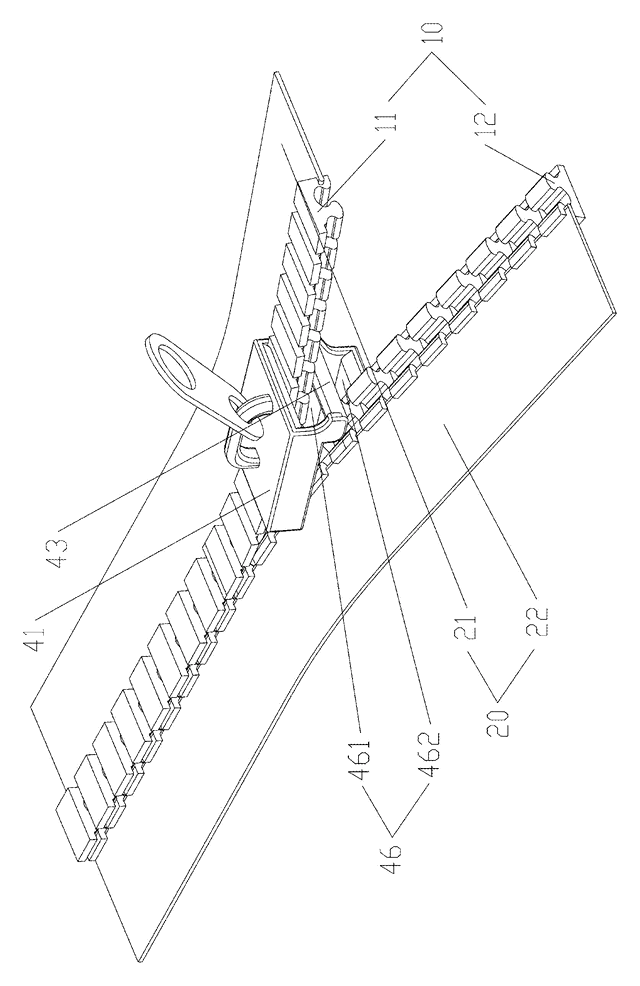
Apparel & Accessories
Stacked Zipper with Teeth That Mesh Top-to-Bottom
Zipper whose two identical tooth rows mesh on top of each other, closed by a simplified slider.
Patent CN205795062U
Apparel & Accessories
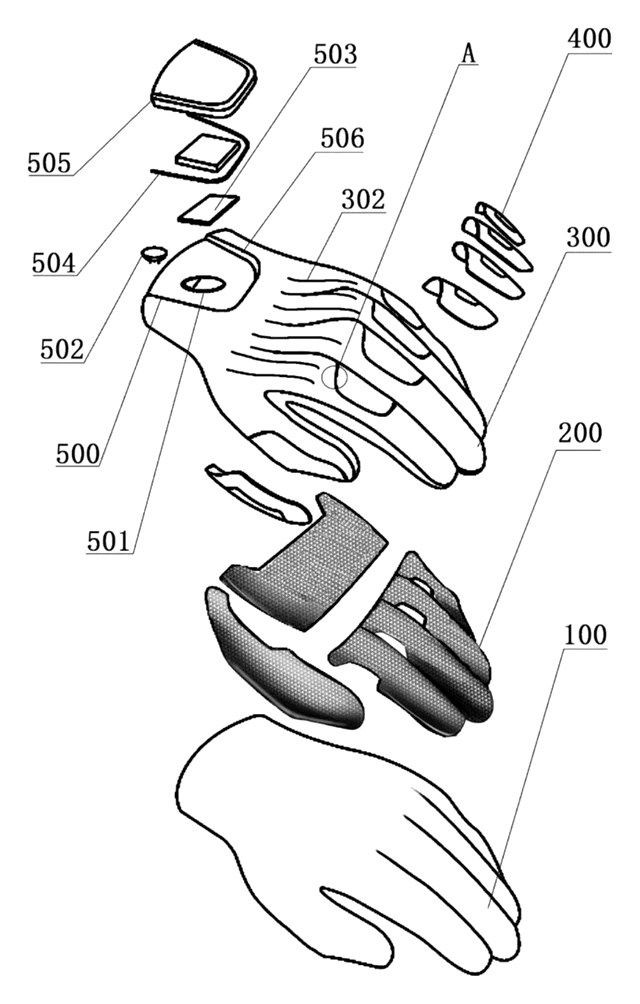
Impact-Resistant Glove with a 3D-Printed Lattice Layer
Work glove with a 3D-printed lattice impact layer, TPU knuckle guards and a light mounting area.
Patent CN213785583U
Apparel & Accessories
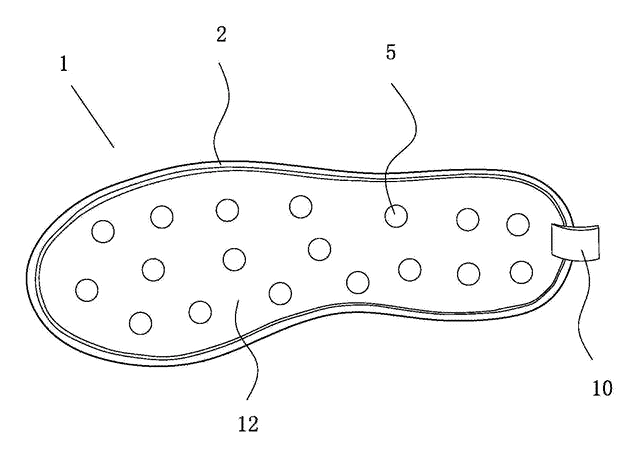
Massage Insole with Spring-Back Silicone Nubs and a Removable Top Layer
Layered insole: silicone nubs rise through a removable perforated top sheet and sink under each step.
Patent CN208286505U
Apparel & Accessories
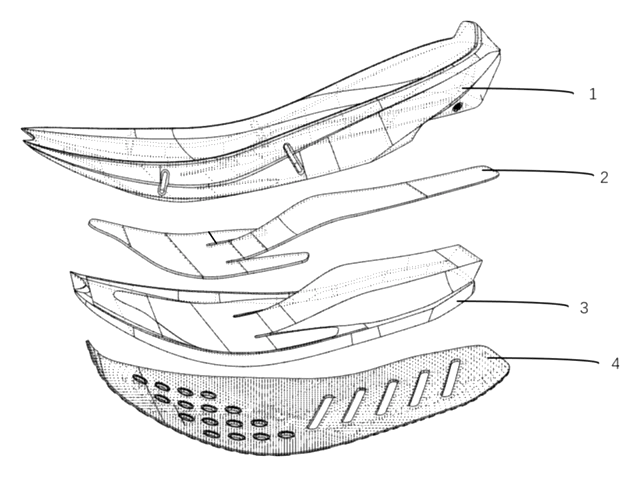
Heel-Less Carbon Plate Running Shoe Sole for Forefoot Strikers
Running sole for forefoot strikers: no ground-touching heel, winged carbon plate between two midsoles.
Patent CN216723354U
Apparel & Accessories
Waterproof Magnetic Zipper Stop That Snaps the Two Halves Together
Separating-zipper stop with sealed magnets: pin and box snap together one-handed, safe in rain and wash.
Patent CN215075936U
Apparel & Accessories
Left-Right Specific Soccer Socks: Grip for the Plant Foot, Touch Pads for the Kicking Foot
Soccer socks knitted as a left-right pair: grip zones for the plant foot, pads for the kicking foot.
Patent CN212728807U
Browse by category
- Apparel & Accessories (28)
- Baby & Kids (20)
- Bags & Luggage (12)
- Bath & Personal Care (21)
- Car Accessories (16)
- Furniture, Bedding & Storage (15)
- Garden & Outdoor (21)
- Health & Wellness (10)
- Home, Kitchen & Cleaning (32)
- Lighting (15)
- Packaging & Containers (8)
- Pet Products (7)
- Phone & Camera Accessories (5)
- Retail Display (16)
- School, Office & Art (22)
- Sports & Recreation (30)
- Tools & Workshop (36)
- Toys & Games (15)
This page is based on the public patent document CN115500584B, assigned to Guangdong Power Grid Co Ltd; Meizhou Power Supply Bureau of Guangdong Power Grid Co Ltd. IP2M is an independent manufacturing service and is not affiliated with, endorsed by or licensed by the patent owner. Images marked as concept renderings are illustrations, not photos of an existing product. Patent status information is provided for reference only and is not legal advice; confirm freedom to operate for your market before production. Full disclaimer.