
Patent CN116039479B
Updated November 1, 2026Chair Back Table with One-Way Locking Mechanism for Adjustable Seats
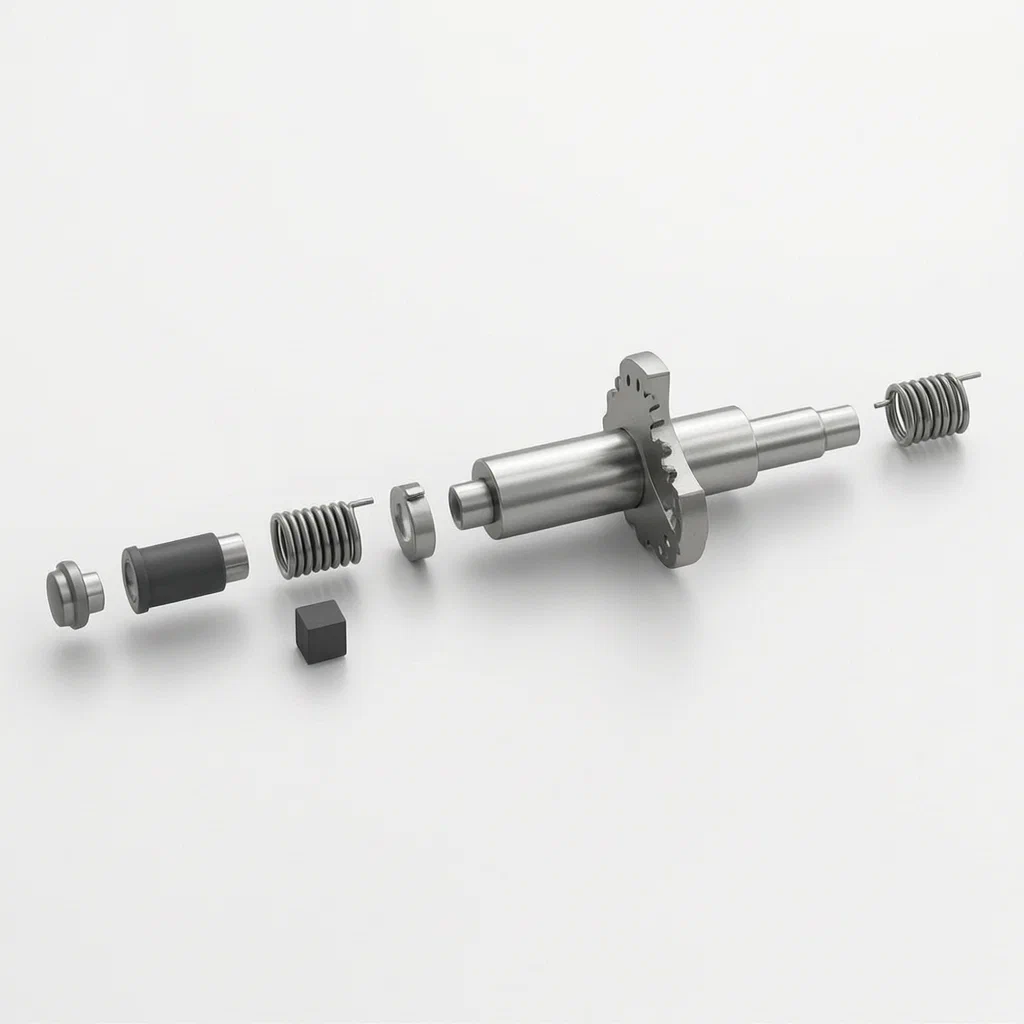
Standard fold-down trays often sag under weight or fail to stay level if the seat reclines. This design uses a mechanical clamp rather than friction alone. A spiral clamping spring grips a rotating hub to lock the table shaft against opening, but allows it to close freely. To adjust the angle, you press a button that expands the spring slightly, releasing the grip. When you let go, the spring snaps back, locking the table firmly in its new position. Combined with a torsion assist, this creates a self-opening tray that remains perfectly horizontal regardless of the seatback's tilt.
- China invention patent - active
- No filings outside China
- Automotive interior components
- Spring-clamp locking, torsion assist
Splat! What let you down?
🔒
One-way locking
The clamping spring locks the table against opening but allows it to fold down freely.
👆
Press-to-adjust
A simple push-button releases the spring tension, letting you set any angle.
🔄
Self-leveling tray
The mechanism keeps the table surface horizontal even as the seat back reclines.
⚙️
Torsion assist
An optional torsion spring flips the table open automatically when unlocked.
Bring this product to market
- ✓ Patent vetted China-only family and legal status checked
- 2 Product brief · now How it works, uses and options written up
- 3 Prototype First samples for buyers to review
- 4 Pilot run Small first batch for launch customers
- 5 Volume production Repeat orders at scale
Buyer interest
– of 100 buyers needed to start prototyping
One click, no sign-up. Each vote is one real visitor, and products with the most interest go to prototyping first.
Build team: no members yet. Need a partner, co-funding or skills to build this? Join and we introduce the team once it forms.
The problem
In vehicles and adjustable seating environments, users often need a stable surface for laptops, tablets, or meals. Traditional fold-down tables attached to seat backs rely on friction hinges or gravity stops. These mechanisms frequently fail to maintain a horizontal plane when the seat back is reclined. If the seat tilts backward, the table tilts with it, making it difficult to use without balancing items manually. Furthermore, many existing designs require two hands to operate—one to hold the table and another to manipulate a latch—making them inconvenient for drivers or passengers who need quick access. There is a need for a table that can be adjusted with one hand, locks securely in place without slipping, and maintains a level orientation independent of the seat’s angle.
The solution
The patent proposes a chair back table system that decouples the table’s orientation from the seat back’s angle using a specialized locking mechanism.
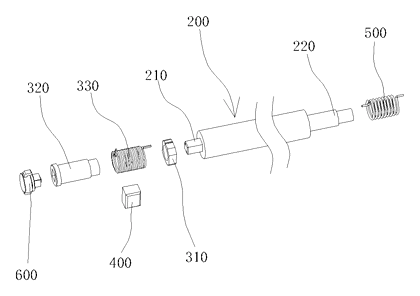
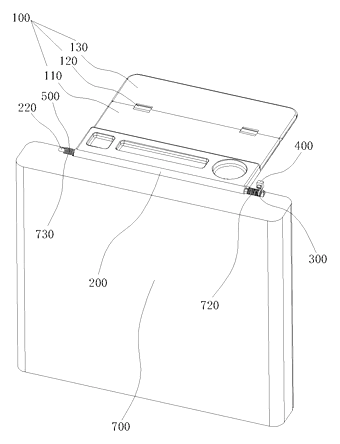
- Table Top Body (100): The main surface, mounted on a Rotating Shaft (200).
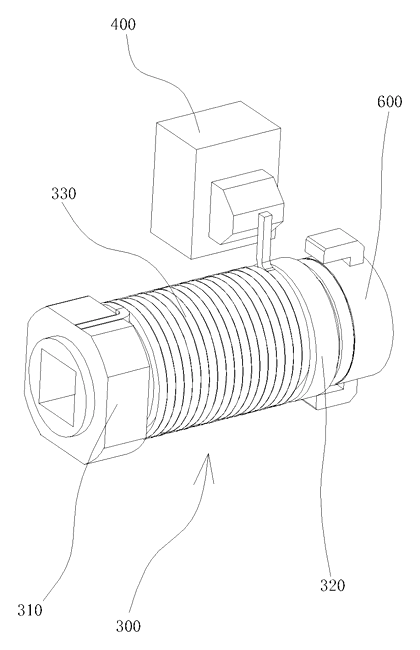
- Locking Mechanism (300): Composed of a Fixed Member (310), a Rotating Member (320), and a Clamping Spring (330). The rotating member is connected to the shaft. The clamping spring wraps around the rotating member. In its natural state, the spring’s inner diameter is smaller than the rotating member’s outer diameter, creating a tight grip that prevents rotation in the opening direction. However, it allows slight deformation to permit rotation in the closing direction.
- Unlocking Block (400): A pressable component connected to the end of the clamping spring. When pressed, it pushes the spring outward, expanding its inner diameter and releasing the grip on the rotating member.
- Adjustment: With the lock released, the user can rotate the table to the desired angle. Releasing the button allows the spring to contract, re-locking the table in place.
- Torsion Spring (500): An optional feature where a torsion spring applies force to the shaft, causing the table to flip open automatically when the lock is released.
- Damper (600): Can be added to control the speed of opening or closing for a smoother experience.
Who it is for
- Automotive Interior Suppliers: Companies manufacturing seat assemblies for passenger cars, RVs, and commercial vehicles looking for value-added features.
- Office Furniture Manufacturers: Brands producing high-end ergonomic chairs with integrated work surfaces for hybrid workspaces.
- Public Transport Designers: Firms designing seats for trains, buses, or aircraft where compact, reliable tables are needed.
- Aftermarket Accessory Makers: Businesses creating retrofit kits for older vehicles or office chairs lacking built-in desks.
How it works
The main parts
| No. | Part | What it does |
|---|---|---|
| 100 | Table Top Body | The surface used for placing items; includes first and second plates hinged together in some embodiments. |
| 200 | Rotating Shaft | Connects the table to the seat; splits into First Shaft (210) and Second Shaft (220). |
| 300 | Locking Mechanism | Holds the table in place; includes Fixed Member (310), Rotating Member (320), and Clamping Spring (330). |
| 330 | Clamping Spring | Wraps around the rotating member to create friction-based locking. |
| 400 | Unlocking Block | User interface; pressing it expands the spring to release the lock. |
| 500 | Torsion Spring | Provides automatic opening force to the table. |
| 600 | Damper | Controls rotational speed for smooth operation. |
| 700 | Chair Back | The structure housing the receiving groove (710) for the table. |
Operating steps
- Locked State: The clamping spring (330) grips the rotating member (320) tightly. The table cannot rotate upward (open) due to the spring’s tension but can be pushed downward (close) as the spring allows slight deformation.
- Unlocking: The user presses the Unlocking Block (400). This action pushes the end of the clamping spring, increasing its inner diameter and breaking the grip on the rotating member.
- Adjustment: With the lock released, the user rotates the Table Top Body (100) around the Shaft (200) to the desired angle. If equipped, the Torsion Spring (500) assists in flipping the table open.
- Re-Locking: The user releases the Unlocking Block. The clamping spring returns to its natural contracted state, gripping the rotating member again and holding the table at the new angle.
Applications
Passenger Vehicle Interiors
In sedans and SUVs, rear-seat passengers often need a flat surface for devices. This table adjusts independently of the seat recline, ensuring a laptop remains level even if the seat is tilted back for comfort.
Office Ergonomic Chairs
For home offices or corporate settings, this mechanism turns a standard chair into a mobile workstation. The one-hand operation allows employees to quickly deploy a writing surface without leaving their desk setup, enhancing flexibility in agile workspaces.
Public Transit Seating
Train and bus seats have limited space. This design folds flush against the backrest when not in use. The robust locking mechanism withstands frequent use and vibration, providing a reliable spot for tickets or small items during commutes.
Recreational Vehicles (RVs)
In campers and motorhomes, seating areas often double as dining spaces. The ability to adjust the table angle helps accommodate different activities, such as eating upright or working at a lower angle, maximizing utility in confined living quarters.
Where it is less suitable
- Heavy-Duty Industrial Workstations: The seat-back mounting and lightweight table components may not support heavy machinery or tools requiring a rigid frame.
- Outdoor Furniture: Exposed mechanisms may suffer from dust and moisture ingress unless specifically sealed, which adds cost and complexity not detailed in the base patent.
- Fixed-Angle Desks: For applications where the table never needs to change angle, a simpler bracket is more cost-effective.
Frequently asked questions
How does the table stay level if the seat reclines?
The table rotates on its own shaft, separate from the seat back’s pivot point. The locking mechanism holds the table at whatever angle you set it. Even if the seat back tilts backward, the table remains fixed in its horizontal position because the lock prevents the shaft from rotating further.
Is the locking mechanism reliable?
Yes. It uses a physical clamping spring that grips the rotating member. Unlike friction hinges that wear out over time, this design relies on the elastic deformation of the spring. As long as the spring retains its tension, the lock remains effective. Regular material testing ensures longevity.
Can I adjust the table with one hand?
Yes. You press the unlocking block with one thumb or finger to release the lock. Then you can move the table with the same hand or let the torsion spring (if installed) push it open automatically. Release the button to lock it in place.
What materials are used for the spring?
The patent describes a “clamping spring” without specifying the exact alloy. In production, stainless steel or music wire is typically used for corrosion resistance and fatigue life. The coating depends on the environment (e.g., salt spray resistance for marine applications).
Does it fit all car seats?
No. The design requires a specific mounting interface in the chair back, including side holes for the mechanism and torsion spring. It is best suited for seats designed with this modular slot or for aftermarket retrofits where the seat back can be modified.
Can this design be made and sold in the US?
The patent was filed only in China and is active there. It does not restrict manufacturing or sales in the US. However, you must conduct a freedom-to-operate search to ensure no other US patents cover similar automotive table mechanisms before starting production.
Are you affiliated with the patent owner?
No. IP2M is an independent design and manufacturing service working from the public patent document.
Request a quote
Click Request a Quote below to see our email address - copy it, or open your email app with a ready-made message. Please mention patent CN116039479B in the subject.
Helpful details to include:
- Your company and channel (auto supplier, furniture maker, transit designer, aftermarket brand)
- Table dimensions and required load capacity
- Integration type (new seat design or retrofit kit)
- Material preferences (plastic, metal, composite)
- Estimated quantity and target price
- Timeline - when you would like prototypes and the first shipment
You can also reach us at (332) 203-9997.
Explore this product
Interested in building this?
Tell us your target market, quantity and timeline. We reply with options for prototyping, small-batch runs or volume production.
Send your inquiry to
Please put CN116039479B in the subject line and tell us your company, country, estimated quantity and timeline.
Prefer to talk? Call (332) 203-9997.
More product-ready patents
All Car Accessories patents →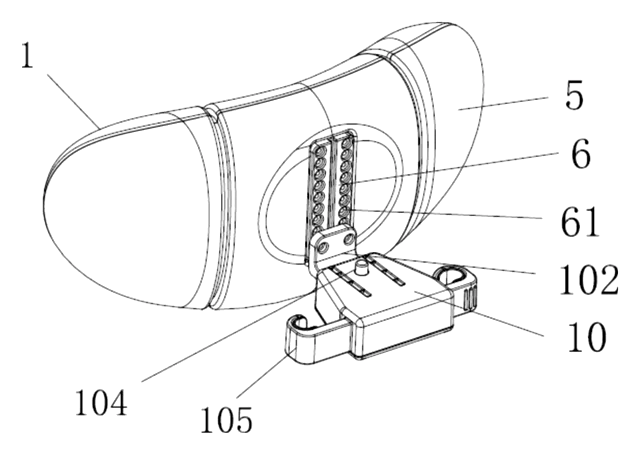
Car Accessories
Car Headrest Pillow with Ratchet Side Wings and Push-Button Reach
Post-mounted car headrest pillow with ratchet side wings and a push-button forward adjustment.
Patent CN212195197U
Car Accessories
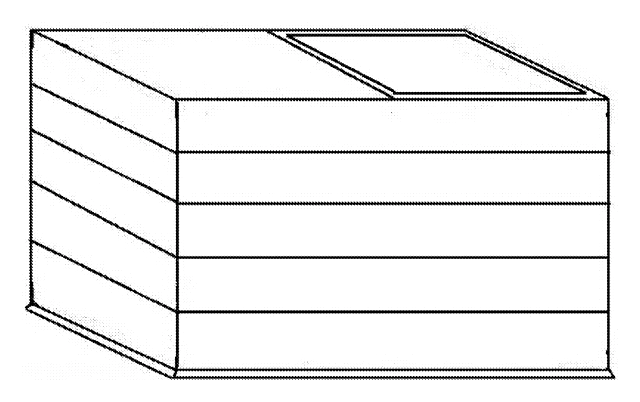
Hard-Shell Rooftop Tent That Doubles as a Cargo Box
Roof box whose hard frames lift on gas struts into a tent with door and skylight, and fold back for luggage.
Patent CN206327275U
Car Accessories
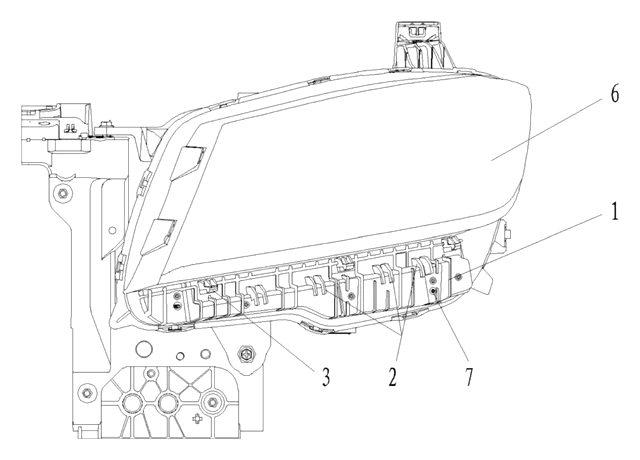
Headlamp-to-Bumper Adapter Bracket That Sets Gap and Flush in Three Directions
Molded bracket under the headlamp: support blocks and snap teeth locate the bumper flange for an even gap.
Patent CN216580316U
Car Accessories
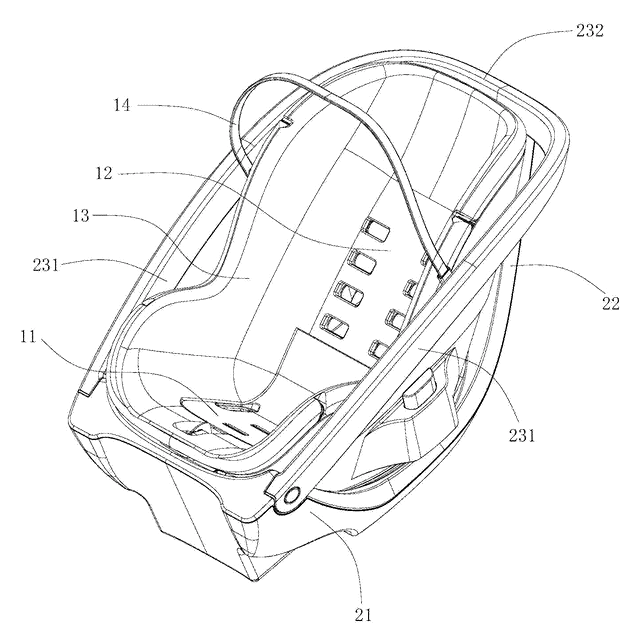
Infant Car Seat with a Load-Bearing Base That Wraps the Carrier
Infant car seat whose base has a backrest and swing-up side rails, so the carrier can be lighter.
Patent CN206383856U
Car Accessories
Retractable Side Impact Protection Block for Child Car Seats
Retractable side-impact block for child seats: springs out to provide side-impact buffering, folds flat.
Patent CN207028930U
Car Accessories
Rain-Deflecting Side Mirror with a Pivoting Air-Guide Plate
Side mirror with a top air duct and folding guide plate that directs airflow across the glass.
Patent CN207345672U
Browse by category
- Apparel & Accessories (27)
- Baby & Kids (19)
- Bags & Luggage (12)
- Bath & Personal Care (19)
- Car Accessories (15)
- Furniture, Bedding & Storage (15)
- Garden & Outdoor (21)
- Health & Wellness (9)
- Home, Kitchen & Cleaning (31)
- Lighting (14)
- Packaging & Containers (7)
- Pet Products (7)
- Phone & Camera Accessories (5)
- Retail Display (16)
- School, Office & Art (22)
- Sports & Recreation (30)
- Tools & Workshop (35)
- Toys & Games (15)
This page is based on the public patent document CN116039479B, assigned to Ningbo Shuaitelung Automotive Systems Co ltd. IP2M is an independent manufacturing service and is not affiliated with, endorsed by or licensed by the patent owner. Images marked as concept renderings are illustrations, not photos of an existing product. Patent status information is provided for reference only and is not legal advice; confirm freedom to operate for your market before production. Full disclaimer.