At a glance
| Patent number | CN116077325B (application CN202211722676) |
| Type | China invention patent (发明专利) - protects product shape, structure, and method |
| Original title | Adjustable massager and massage pillow pad (一种可调节的按摩器及按摩枕垫) |
| Patent owner | Ningbo Osun Health Care Technology Co ltd |
| Inventors | Chen Zhiqiu, Yu Daohui, Xu Xudu |
| Filing date | 2022-12-30 |
| Grant date | 2025-05-27 |
| Status (China) | Active - In force until at most 2042-12-30 (if annual fees are paid) |
| Patent family | Chinese filings only - no US, European, Japanese, PCT or other filings listed |
| Cited by | 0 later documents |
| Source | Google Patents (search for CN116077325B) |
What the claims cover, in plain language
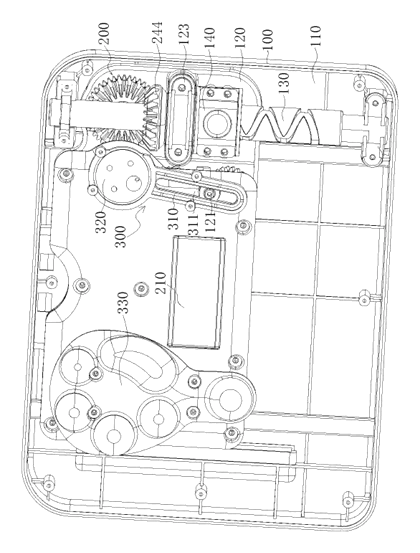
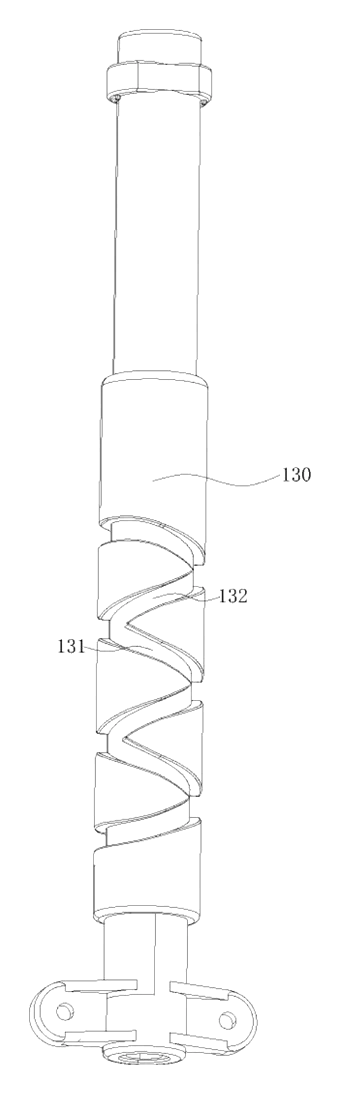
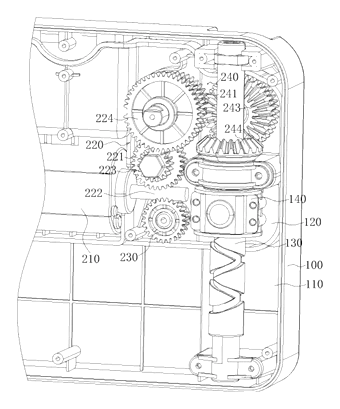
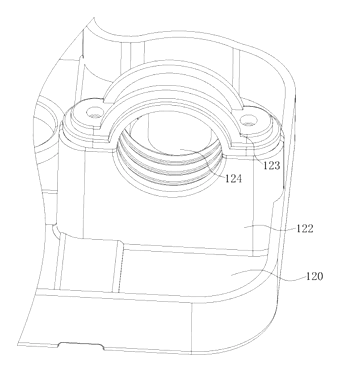
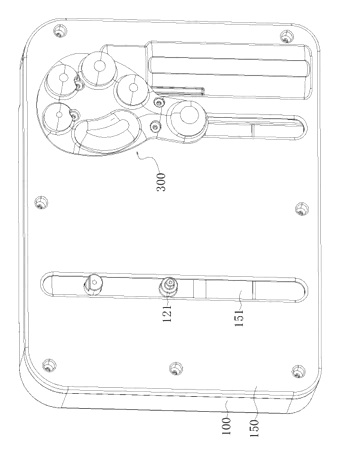
Claim 1 - An adjustable massager comprising a box body with a cavity, a movable plate inside that can move longitudinally, and a guide shaft fixed above the plate. A rotating sleeve fits on the shaft. A driving assembly (motor) inside the plate has two states: forward and reverse rotation. A massage mechanism is attached to the assembly. Crucially, the guide shaft has crossed left-handed and right-handed thread grooves. A one-way bearing connects two gear trains. Forward rotation drives only the massage mechanism. Reverse rotation drives the massage mechanism and turns the sleeve via the second gear train, causing the plate to slide along the shaft due to the threads.
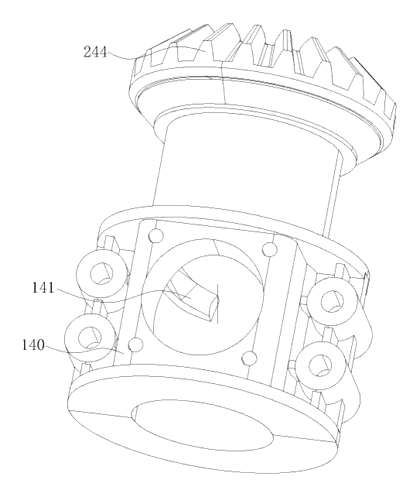
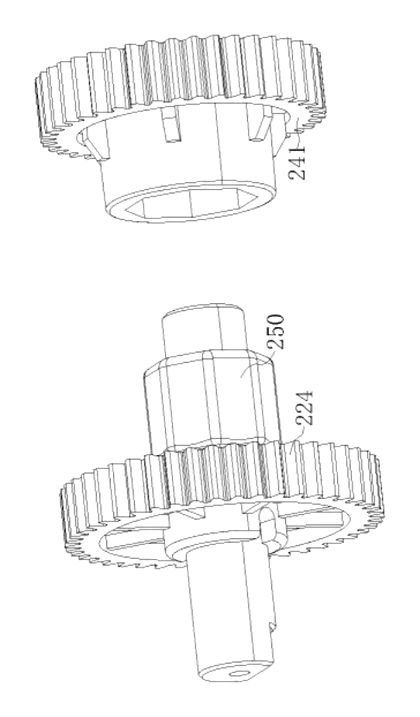
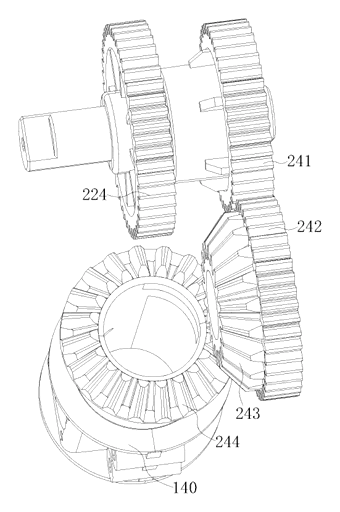
Claim 2 - Details the second gear transmission assembly, specifying large gears II and III and bevel gears I and II. The bevel gear II is fixed to the end of the rotating sleeve away from the guide block, meshing perpendicularly with bevel gear I to transmit the rotational force needed for the sliding action.
This is a simplified reading for orientation only. The legal scope is defined by the exact claim wording in the official Chinese document.
What this means for US production
This patent was filed only in China and is currently active in that jurisdiction. It has no US or other foreign counterpart. Making or selling this specific mechanical configuration in China would require permission from the owner, but there is no direct patent barrier in the US market based solely on this document.
Two points to settle early:
- Other patents may exist. Massage devices are a crowded field. While this specific threaded-shaft reciprocation mechanism appears unique to this filing, similar linear actuation methods or gear-switching logic might be covered by other US utility patents. A freedom-to-operate (FTO) review is recommended before tooling.
- Motor Control Complexity. The design relies on reversing a single motor to switch modes. This requires precise control logic and potentially a reversible DC motor or stepper motor setup, which impacts firmware development and component sourcing.
Customization and manufacturing
What can be customized
| Area | Options |
|---|---|
| Housing Material | ABS, PC, or silicone-coated shells for grip and aesthetics. |
| Massage Heads | Rotating nodes, vibrating pads, or heated elements (requires additional wiring). |
| Travel Length | Adjusted by changing the length of the guide shaft and thread pitch. |
| Control Interface | Single-button toggle vs. remote control for forward/reverse selection. |
| Power Source | Built-in rechargeable lithium-ion battery or USB-powered. |
Things to plan for (US market)
- FCC Part 15 - If the device includes Bluetooth or wireless charging, certification is required. Wired-only models have lower barriers.
- UL 60335-1 / UL 60335-2-32 - Safety standards for household electrical appliances and specifically for skin-care/massage apparatus.
- FDA Regulations - While general wellness products are not medical devices, marketing claims about treating pain or conditions must stay within FDA guidelines for low-risk wellness devices.
- Battery Safety (UN 38.3) - Required for shipping lithium-ion batteries.
How a project runs
- Inquiry - Define desired travel distance, massage intensity, and power format.
- Design - Engineer the gear ratio for smooth reciprocation and select appropriate reversible motors.
- Prototype - Test the one-way bearing engagement and thread wear under load.
- Pilot Run - Validate durability cycles and safety certifications.
- Production - Injection molding for housings, precision machining for guide shafts, and assembly.
Quantities & timeline
The guide shaft requires precise threading (left and right hand), which may involve specialized CNC turning or tapping processes. Gear molds need high tolerance to ensure the one-way bearing functions correctly. Send us your travel distance requirements, motor preferences, and estimated volume and we will reply with options.
Patent drawings
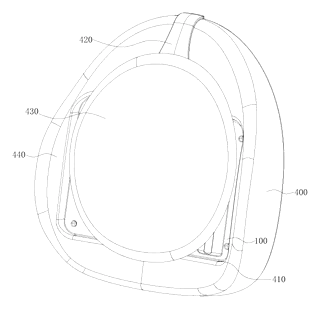
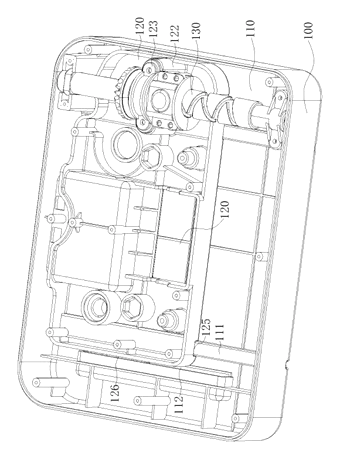
Drawings reproduced from the public patent document for reference.