
Patent CN116172431B
Updated November 7, 2026Quick-Mounting Multifunctional Towel Rack with Separation Assemblies
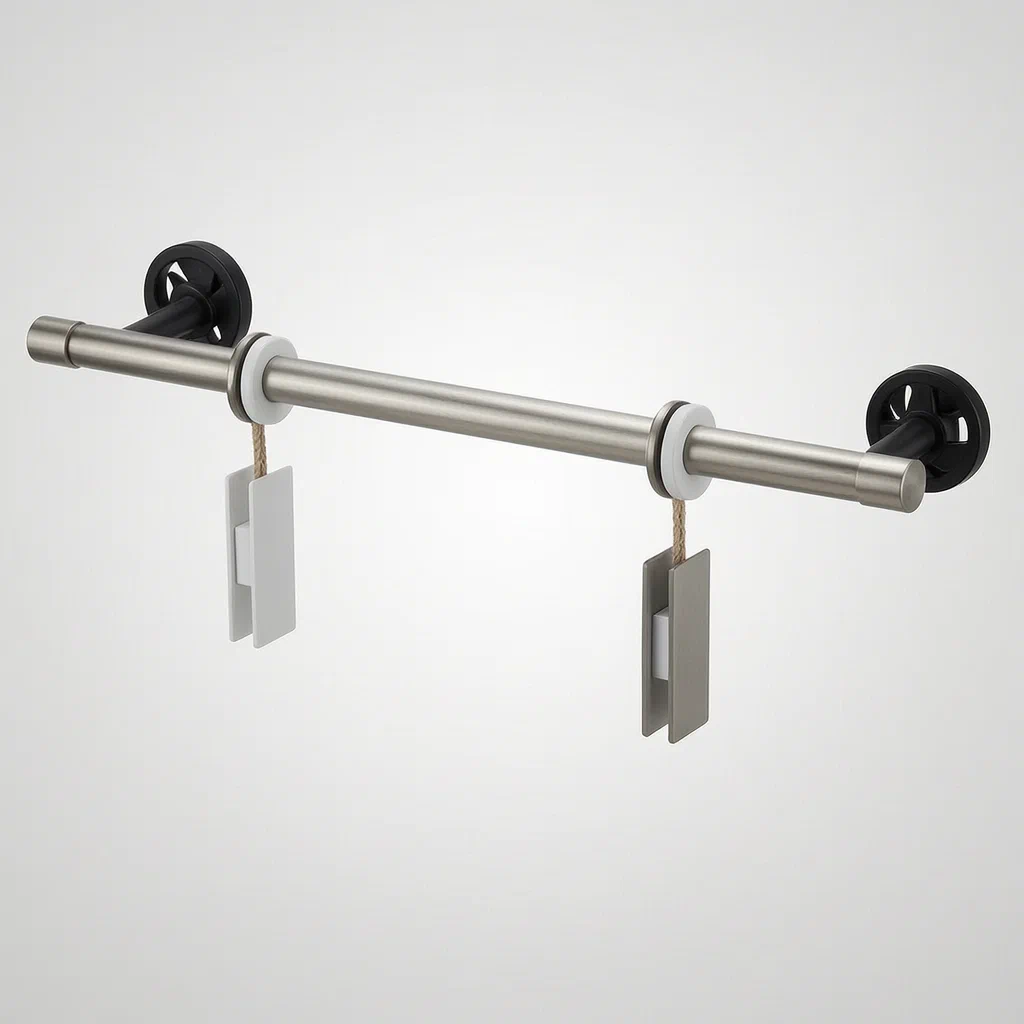
Standard towel racks let wet towels pile up, slowing drying and causing odors. This design uses sliding separation rings on the main rod. Each ring holds a retractable rope and optional side baffles that physically push adjacent towels apart. The mounting rods snap into the main bar using a spring lock, allowing quick installation without tools. The separation distance adjusts via a hand-cranked reel, letting users customize spacing based on towel size.
- China invention patent - in force
- No filings outside China
- Bathroom hardware
- Stainless steel, plastic components, spring locks
Splat! What let you down?
🔗
Quick-Mount System
Mounting rods snap into the hanging rod using a spring-loaded locking block and square guide blocks.
↔️
Adjustable Separation
Sliding rings with retractable ropes keep towels spaced apart to improve airflow and drying.
🎛️
Hand-Crank Reels
A small hand wheel drives gears to wind or release the traction rope, adjusting the barrier width.
🛡️
Optional Baffles
Snap-on baffle plates attach to the positioning block to further prevent towels from touching.
Bring this product to market
- ✓ Patent review Patent family and legal status reviewed in the relevant jurisdictions.
- 2 Product brief · now How it works, uses and options written up
- 3 Prototype First samples for buyers to review
- 4 Pilot run Small first batch for launch customers
- 5 Volume production Repeat orders at scale
Buyer interest
– of 100 buyers needed to start prototyping
One click, no sign-up. Each vote is one real visitor, and products with the most interest go to prototyping first.
Build team: no members yet. Need a partner, co-funding or skills to build this? Join and we introduce the team once it forms.
Patent Rights & Team Participation
Before joining a development team, participants should ensure they have the necessary rights or authorization to participate in the project.
Participation is generally appropriate where:
- You own the relevant patent rights or have obtained permission or a license from the rights holder.
- The relevant patent rights have expired or have been legally invalidated in the jurisdictions where the planned activities will take place.
- The planned development, manufacturing, and commercialization activities have been independently assessed and do not infringe applicable patent rights in the relevant jurisdictions.
Important: Being located outside a country where a patent is protected does not automatically exempt you from patent infringement risks. Patent rights may apply based on where development, manufacturing, use, sale, or import activities take place.
IP2M does not grant any patent license or authorization through team participation. Joining a project does not provide permission to use, manufacture, or commercialize patented technology.
The problem
Traditional towel racks allow wet towels to hang close together or overlap. When towels touch, moisture gets trapped between layers, leading to slow drying times, musty odors, and potential mold growth. Additionally, installing complex multi-bar racks often requires screws, anchors, and precise alignment, which is time-consuming and difficult for end-users. There is a need for a rack that actively separates towels to maximize air exposure while remaining easy to assemble and adjust.
The solution
The patent describes a towel rack system designed to solve both spacing and installation issues.
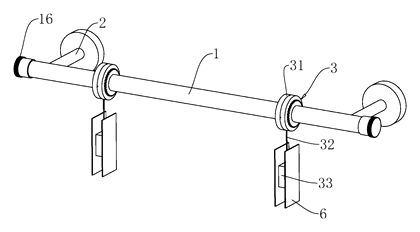
- A hanging rod (1) serves as the central spine, supported by mounting rods (2).
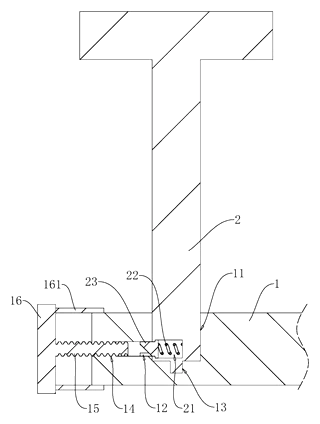
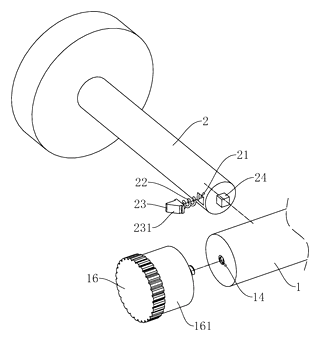
- The mounting rods attach to the hanging rod via a quick-lock mechanism: a locking block (23) with a locking spring (22) slides out of a yielding groove (21) on the mounting rod and snaps into a locking groove (12) on the hanging rod.
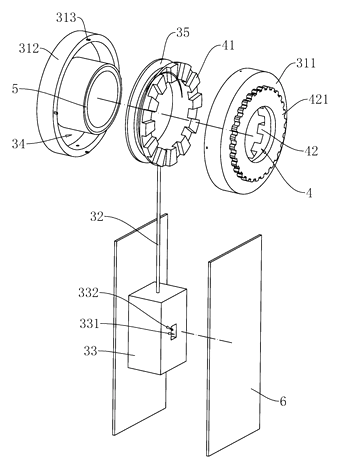
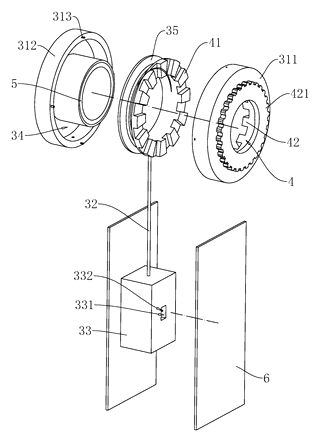
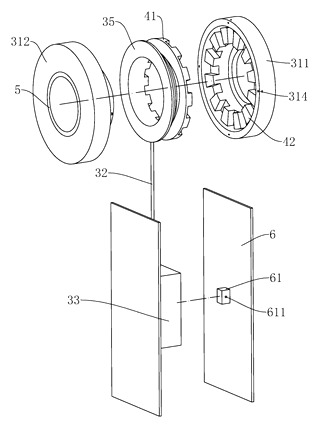
- Separation assemblies (3) slide freely along the hanging rod. Each assembly consists of a separation ring (31) that fits over the rod.
- Inside the ring, a reel (35) winds a traction rope (32) connected to a positioning block (33).
- A driving piece (4), operated by an exposed hand wheel (421), rotates the reel to extend or retract the rope, setting the distance between towels.
- Optional baffle plates (6) snap onto the sides of the positioning block to create a wider physical barrier.
Who it is for
- Bathroom fixture brands looking to differentiate their product line with functional drying solutions rather than just aesthetic designs.
- Hotel and hospitality suppliers who need racks that ensure towels dry quickly between guests, reducing laundry costs and odor complaints.
- Direct-to-consumer home goods sellers targeting customers interested in hygiene and efficient laundry routines.
- Wholesalers stocking modern bathroom accessories that offer tool-free installation, appealing to DIY renters and homeowners.
How it works
The main parts
| No. | Part | What it does |
|---|---|---|
| 1 | Hanging Rod | Central bar holding the separation assemblies; contains locking grooves. |
| 2 | Mounting Rods | Side arms connecting the rack to the wall; feature spring locks. |
| 3 | Separation Assembly | Sliding unit that keeps towels apart; includes ring, rope, and reel. |
| 31 | Separation Ring | Sleeves onto the hanging rod; houses the reel and drive gears. |
| 32 | Traction Rope | Extends from the reel to pull the positioning block away from the center. |
| 33 | Positioning Block | End point of the rope; attaches to baffles; rests against towels. |
| 4 | Driving Piece | Gear system (fluted discs) powered by the hand wheel to rotate the reel. |
| 421 | Hand Wheel | User-operated knob to adjust rope length. |
| 6 | Baffle Plates | Snap-on panels that widen the separation area; can hold fragrance sachets. |
| 22 | Locking Spring | Pushes the locking block into the hanging rod’s groove for secure attachment. |
Operating steps
- Installation: Slide the mounting rods (2) into the ends of the hanging rod (1). The spring-loaded locking blocks (23) automatically engage with the internal grooves (12), securing the frame without tools.
- Placement: Thread one or more separation assemblies (3) onto the hanging rod before final wall mounting if needed, or slide them on afterwards.
- Adjustment: Turn the hand wheel (421) on a separation ring. This rotates the internal gears, winding or unwinding the traction rope (32).
- Spacing: As the rope extends, the positioning block (33) moves outward. Place a towel on either side of the assembly. The tension in the rope and the position of the block keep the towels separated.
- Enhancement: Snap baffle plates (6) onto the positioning block if wider separation is needed or to add a scent sachet.
Applications
Hotel Bathrooms
Hotels require rapid turnover of linens. By keeping towels separated, this rack allows them to dry significantly faster after guest use, reducing the volume of damp towels returned to laundry and minimizing mildew smells in rooms.
Family Homes
In households with multiple users, towels often get tangled or stacked. The adjustable spacing ensures each person’s towel hangs independently, promoting better hygiene and extending the time between washes due to improved drying.
Small Apartments
For compact bathrooms where ventilation may be poor, preventing towels from touching each other maximizes surface area exposure to any available airflow. The quick-mount design also appeals to renters who cannot drill new holes frequently.
Gyms and Spas
Facilities with high humidity benefit from racks that prevent wet towels from clumping together. The robust stainless steel construction and simple adjustment mechanism allow staff to quickly reset spacing for different towel sizes.
Where it is less suitable
- Extremely heavy-duty industrial settings - The plastic reels and springs may not withstand continuous abuse compared to solid metal barriers.
- Fixed-width requirements - If a facility needs permanent, unchangeable spacing, the adjustable nature might be seen as unnecessary complexity.
- Very low-cost commodity markets - The added mechanism increases part count and assembly time compared to a simple bent-wire rack.
Patent & Production
At a glance
| Patent number | CN116172431B (application CN202310248592) |
| Type | China invention patent - protects method and structure |
| Original title | Quick-mounting type multifunctional towel rack (一种快装型多功能毛巾架) |
| Patent owner | Wenzhou Oudi Household Products Co ltd |
| Inventors | Zheng Zhi |
| Filing date | 2023-03-13 |
| Grant date | 2025-04-11 |
| Status (China) | In force until at most 2043-03-13 (if annual fees are paid) |
| Patent family | Public record shows Chinese filings only - no US, European, Japanese, PCT or other filings listed |
| Cited by | 0 later documents |
| Source | Google Patents (search for CN116172431B) |
What the claims cover, in plain language
Claim 1 defines a towel rack with a hanging rod and mounting rods. The core feature is the separation assembly, which slides on the rod. It comprises a separation ring, a traction rope, a positioning block, and a reel inside the ring. A driving piece rotates the reel. Baffle plates attach to the positioning block via a plug-in connection with elastic blocks.
Claim 2 specifies the driving piece uses meshed fluted discs (gears) and an external hand wheel for manual operation.
Claim 3 details the separation ring as two covers (first and second) that are detachably connected, likely by magnets or bolts.
Claim 4 adds a rubber ring inside the separation ring to increase friction against the hanging rod.
Claim 5 describes the quick-mount mechanism: a locking spring pushes a locking block from the mounting rod into a groove on the hanging rod.
Claim 6 introduces a push rod accessible through a hole in the hanging rod to manually retract the locking block for disassembly.
Claim 7 specifies square blocks and grooves to align the mounting rod during insertion.
This is a simplified reading for orientation only. The legal scope is defined by the exact claim wording in the official Chinese document.
What this means for US production
This patent was filed in China and is currently in force. Making or selling this specific configuration in China requires the owner’s permission. The public record shows no US or other foreign counterpart.
Two points to settle early:
- Other patents may exist. Bathroom hardware is a crowded field with many existing utility patents regarding towel bars, hooks, and anti-microbial coatings. A freedom-to-operate (FTO) review is recommended to ensure the quick-lock mechanism and separation assembly do not infringe on other active US patents.
- Material safety. Since the product involves water and potentially skin contact, material choices must comply with US regulations for household items.
Customization and manufacturing
What can be customized
| Area | Options |
|---|---|
| Finish | Chrome plating, brushed nickel, matte black, gold tones |
| Rod Diameter | Standard 25mm or custom diameters to fit existing wall brackets |
| Separation Mechanism | Number of separation assemblies included per kit |
| Rope Material | Nylon, polyester, or silicone-coated cord for grip |
| Baffle Design | Plain plates, perforated plates, or holders for fragrance sachets |
| Locking Force | Spring stiffness adjusted for ease of assembly vs. security |
Things to plan for (US market)
- Proposition 65 (California) - Lead and cadmium content in plating must be screened and labeled if applicable.
- Consumer Product Safety Commission (CPSC) - General safety requirements apply; no specific mandatory standard for towel racks, but structural integrity is critical for liability.
- RoHS/REACH - While primarily EU-focused, many US buyers now request these certifications for plastics and metals to ensure supply chain compliance.
How a project runs
- Inquiry - Define rod lengths, finish preferences, and quantity of separation units.
- Design - Finalize the injection molds for the separation rings and the stamping dies for the steel rods.
- Prototype - Create 3D-printed housings for the gear mechanisms and test the spring-lock engagement.
- Pilot Run - Assemble small batches to verify the smoothness of the hand wheels and the retention strength of the baffles.
- Production - Injection molding for plastic parts, stainless steel forming and electroplating for rods, final assembly.
Quantities & timeline
Tooling for the complex separation ring (two-part shell + internal gears) requires precision injection molds. The steel rods require roll-forming or tube bending dies. Electroplating lines are needed for the finish. Send us your target specifications, finishes, and estimated volumes and we will reply with options.
Production notes
Tooling and process
Injection molding is required for the separation rings and gear discs, typically needing multi-cavity molds for cost efficiency. Stainless steel forming creates the hanging and mounting rods, followed by electroplating for the finish. Assembly relies heavily on snap-fit connections for the baffles and press-fit for the bearings.
Cost drivers
Plating grade and thickness typically have the largest impact on unit cost. Seal and gasket quality for the rubber friction rings is critical to avoid slippage. Material grade for the stainless steel tubes affects corrosion resistance. Packaging must protect the delicate gear mechanisms during shipping.
Prototyping path
We would typically start with 3D-printed housings to validate the gear ratio and hand-wheel ergonomics. Use off-the-shelf seals for initial friction tests. Conduct a water spray test sample to check for ingress at the seams. Perform plating trials on coupons to match color standards. Finally, move to tooling once the design is locked.
What we would change before tooling
We would likely simplify the hand-wheel interface to reduce part count. We might integrate the rubber ring directly into the separation ring mold to eliminate a separate assembly step. We would test alternative magnet grades for the ring closure to ensure they don’t interfere with the gear movement.
Common failure points
Water ingress at seams can cause internal rust or mold. Plating flaking or corrosion may occur if the pre-treatment is insufficient. Magnet grade and retention could fail if the ring covers shift under load. Shaft and bearing alignment issues may cause the reel to jam.
Patent drawings
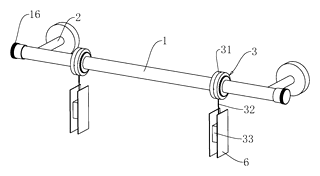
Drawings reproduced from the public patent document for reference.
Frequently asked questions
How does the quick-mount work?
The mounting rods have a spring-loaded pin. When you slide the rod into the main bar, the pin pops out and locks into a groove. To remove it, you push a small button or rod from the outside to retract the pin. No screwdrivers are needed.
Can I adjust the space between towels?
Yes. Each separation assembly has a hand wheel. Turning it winds or releases a rope, moving the blocker further out or pulling it back. This lets you set the exact gap for different towel sizes.
What are the baffles made of?
The patent mentions the baffles are preferably made of stainless steel to add weight and stability. They attach to the positioning block with a simple snap-fit using elastic tabs.
Is the rack durable in humid bathrooms?
The main structure is stainless steel, which resists corrosion. The internal mechanisms use plastic gears and rubber seals. Proper maintenance involves wiping down the rack to prevent mineral buildup on the moving parts.
Does it come with the separation assemblies?
The design allows for multiple assemblies on one rod. Buyers can choose kits with 1, 2, or more separation units depending on the rod length and desired capacity.
Can I replace the rope?
The rope is wound on an internal reel. While the patent doesn’t explicitly describe a user-replaceable cartridge, the modular design suggests access is possible by opening the separation ring covers, which are held by magnets or screws.
Can this design be made and sold in the US?
The patent was filed in China and is in force there. The public record shows no US counterpart, so it does not restrict the design in the US. However, other US patents may exist in this field, so we recommend a freedom-to-operate check before volume production.
Are you affiliated with the patent owner?
No. IP2M is an independent design and manufacturing service working from the public patent document.
Request a quote
Click Request a Quote below to see our email address - copy it, or open your email app with a ready-made message. Please mention patent CN116172431B in the subject.
Helpful details to include:
- Your company and channel (hotel supplier, home brand, wholesaler)
- Rod lengths and diameter preferences
- Finish (chrome, brushed nickel, etc.)
- Number of separation assemblies per unit
- Estimated quantity and target price
- Timeline - when you would like samples and the first shipment
You can also reach us at (332) 203-9997.
Page editor: Daniel Chen, Product Research Editor · IP2M
Last updated November 7, 2026. If something on this page looks wrong, email [email protected] and we will check it against the patent.
Interested in building this?
Tell us your target market, quantity and timeline. We reply with options for prototyping, small-batch runs or volume production.
Send your inquiry to
Please put CN116172431B in the subject line and tell us your company, country, estimated quantity and timeline.
Prefer to talk? Call (332) 203-9997.
More product-ready patents
All Bath & Personal Care patents →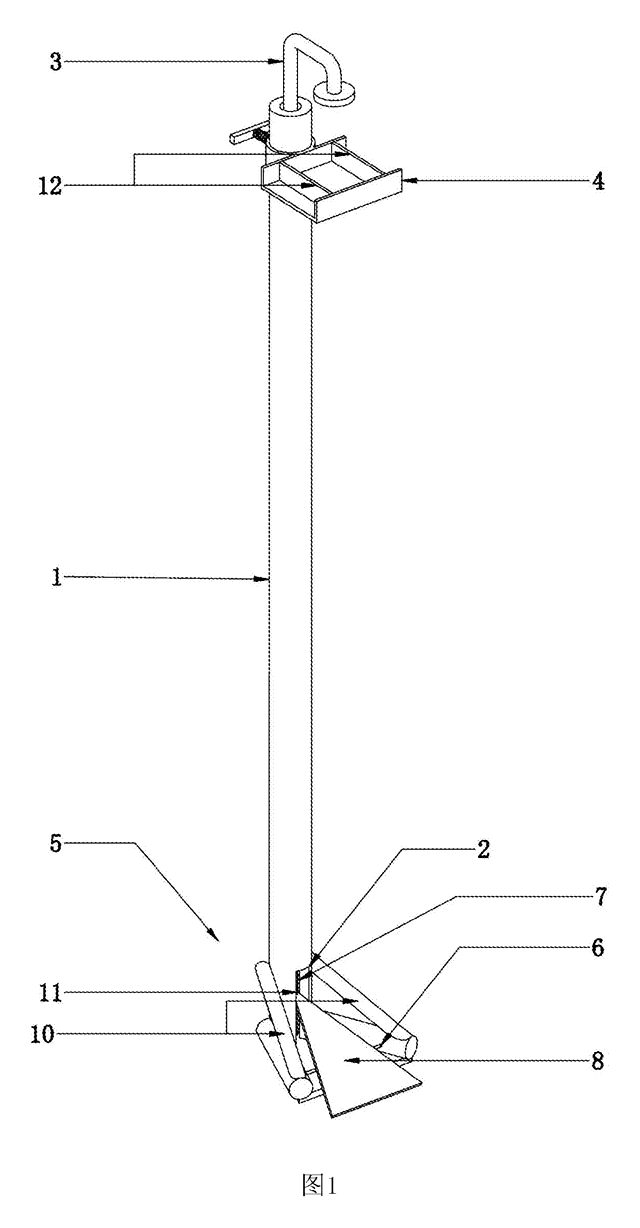
Bath & Personal Care
Foot-Pedal Soap & Sanitizer Dispenser Stand
Hands-free, battery-free dispenser stand - step on a pedal to press the pump of any soap or sanitizer bottle.
Patent CN207461995U
Bath & Personal Care
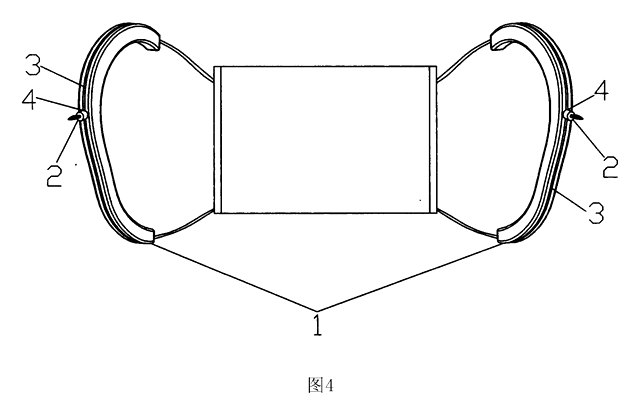
Ear-Shaped Mask Strap Guard with Tension Adjuster
Ear-shaped silicone guard and strap-length adjuster that make ear-loop masks comfortable to wear for long hours.
Patent CN205456233U
Bath & Personal Care
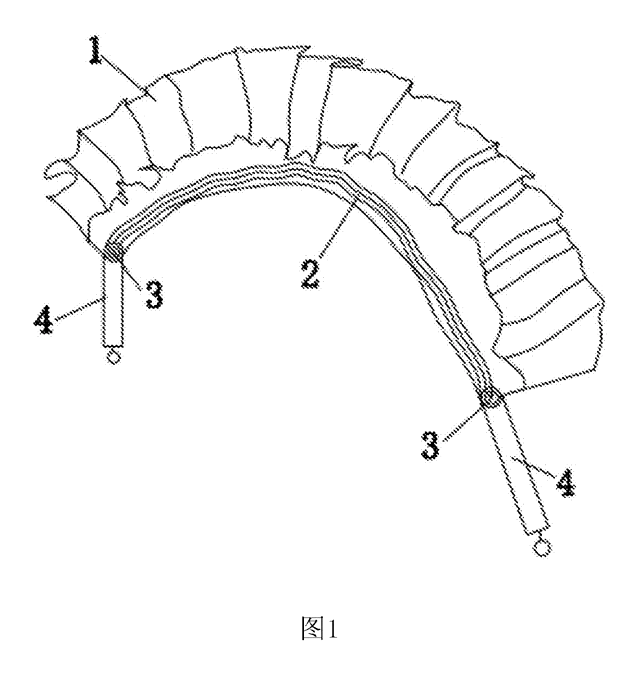
Adjustable-Length Back Scrubber Strap with Push-Button Handles
Back-scrubber strap with push-button handles that set its length and a spring that keeps it taut.
Patent CN207041452U
Bath & Personal Care
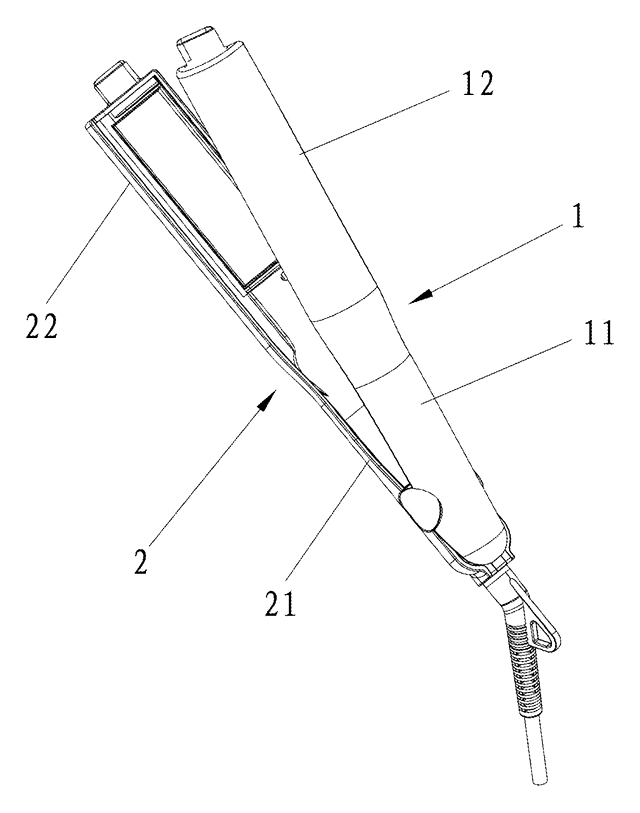
Angled-Plate Hair Straightener
Flat iron with plates twisted 45-75° to the handle, a curling groove and rubber-capped tips.
Patent CN206137462U
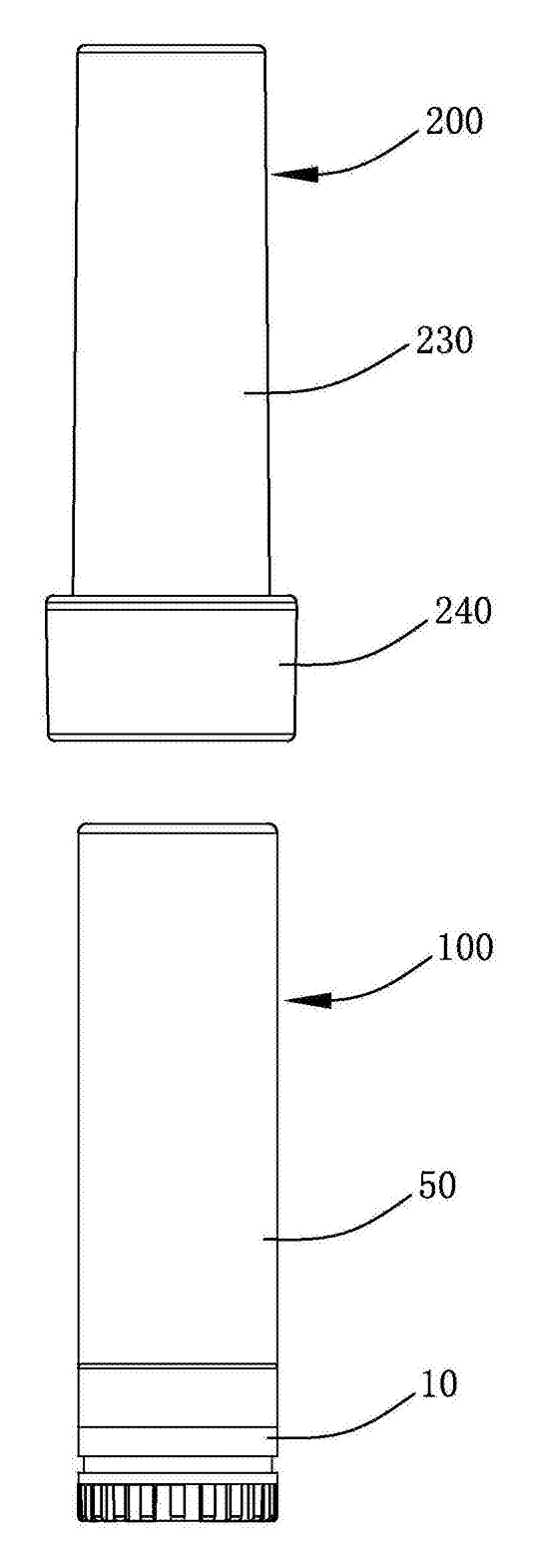
Bath & Personal Care
Refillable Lipstick Case with Sealed Snap-In Refill Pods
Reusable twist-up lipstick case; sealed refill pods unlock at the top of the stroke for shade swaps.
Patent CN206909979U
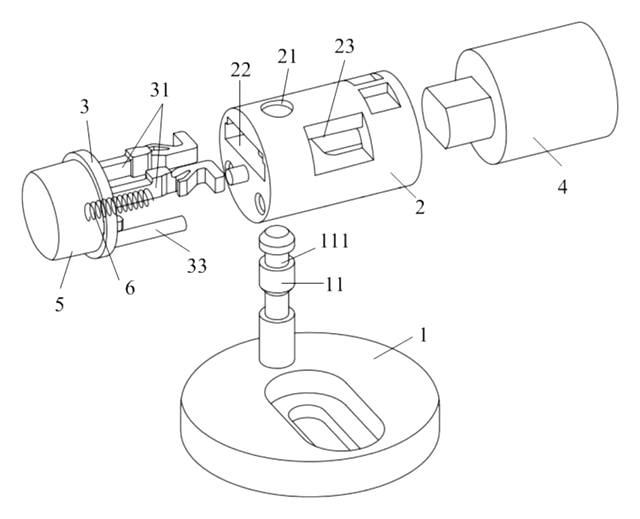
Bath & Personal Care
Quick-Release Toilet Seat Hinge with a Push-Button Two-Strip Latch
Toilet seat hinge: drop the shaft onto a grooved post to lock; one push parks the latch open to lift it off.
Patent CN210370292U
Browse by category
- Apparel & Accessories (48)
- Baby & Kids (29)
- Bags & Luggage (17)
- Bath & Personal Care (32)
- Car Accessories (25)
- Furniture, Bedding & Storage (24)
- Garden & Outdoor (32)
- Health & Wellness (14)
- Home, Kitchen & Cleaning (50)
- Lighting (23)
- Packaging & Containers (12)
- Pet Products (11)
- Phone & Camera Accessories (9)
- Retail Display (25)
- School, Office & Art (36)
- Sports & Recreation (46)
- Tools & Workshop (54)
- Toys & Games (22)
This page is based on the public patent document CN116172431B, assigned to Wenzhou Oudi Household Products Co ltd. IP2M is an independent manufacturing service and is not affiliated with, endorsed by or licensed by the patent owner. Images marked as concept renderings are illustrations, not photos of an existing product. Patent status information is provided for reference only and is not legal advice; confirm freedom to operate for your market before production. Full disclaimer.