
Patent CN116198404B
Updated November 3, 2026Seat Armrest with Telescopic Cup Holder and Rotating Support
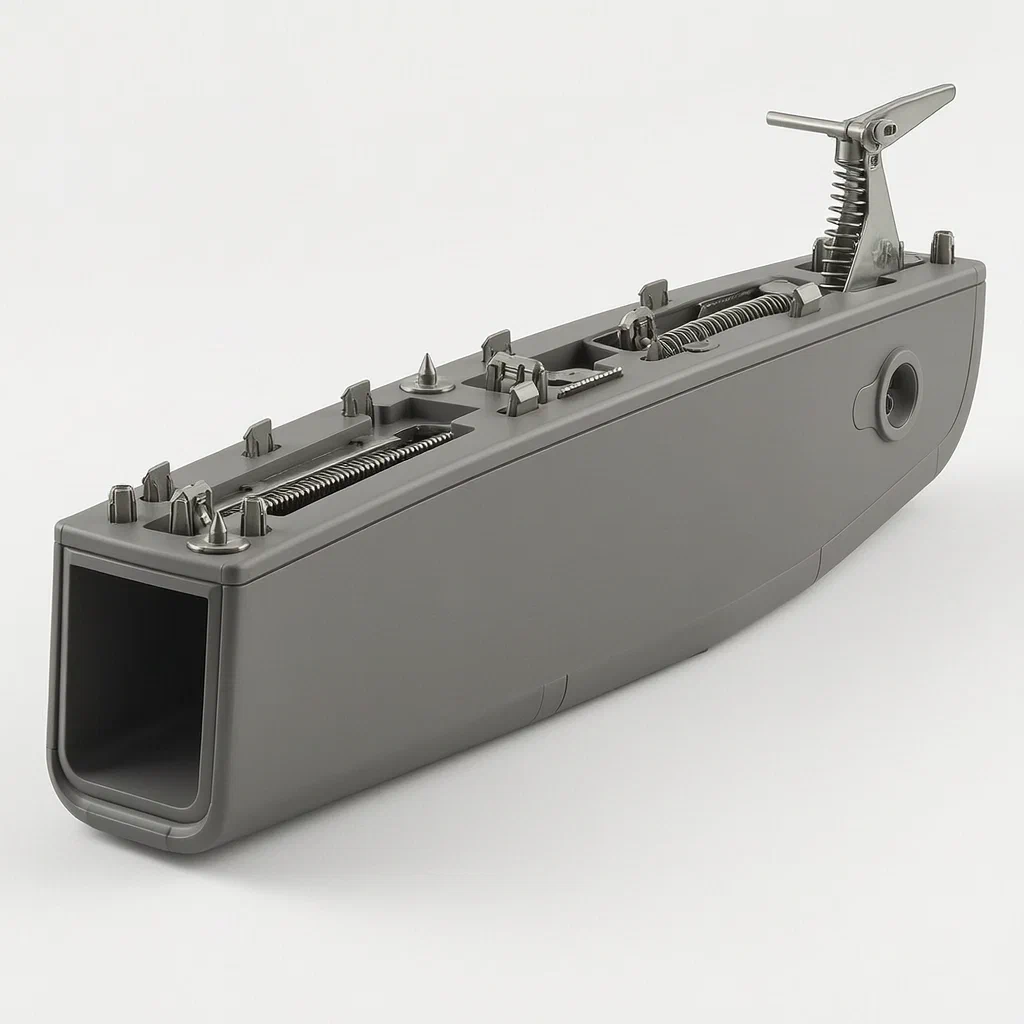
Standard armrest cup holders are fixed or flip-open, often wasting space or requiring manual adjustment. This design integrates a telescoping mechanism where the cup holder assembly slides out from the armrest shell on a guided base. It is driven by a coil spring connected to the framework, ensuring automatic return when released. Crucially, a rotating assembly allows the cup holder to switch orientation: it lies flat inside the armrest when stored but rotates up to hold a drink vertically during use. Speed is controlled by a damping gear engaging a rack, preventing violent ejection. The cup holder itself consists of two pivoting bars held together by torsion springs, collapsing into a compact profile when not holding a container.
- China invention patent - in force
- No filings outside China
- Automotive interior components
- Spring-driven sliding assembly with rotating cup holder
Splat! What let you down?
🔄
Rotating Mode
Cup holder switches from horizontal storage to vertical use via a pin-and-chute mechanism.
⚡
Damped Return
A damping gear meshes with a rack to control slide speed and prevent sudden popping.
🪑
Compact Storage
Torsion springs keep cup bars closed when empty, fitting into smaller armrest designs.
🔒
Lockable Travel
A lock rod and member engage to secure the armrest position during vehicle movement.
Bring this product to market
- ✓ Patent vetted China-only family and legal status checked
- 2 Product brief · now How it works, uses and options written up
- 3 Prototype First samples for buyers to review
- 4 Pilot run Small first batch for launch customers
- 5 Volume production Repeat orders at scale
Buyer interest
– of 100 buyers needed to start prototyping
One click, no sign-up. Each vote is one real visitor, and products with the most interest go to prototyping first.
Build team: no members yet. Need a partner, co-funding or skills to build this? Join and we introduce the team once it forms.
The problem
Traditional car armrests often feature static cup holders that occupy valuable surface area or require complex flipping mechanisms that can feel unstable. When the cup holder is not in use, it may protrude awkwardly, interfering with passenger comfort or limiting the usable space on the armrest top. Conversely, extending a cup holder outward usually requires manual effort without mechanical assistance, leading to uneven wear over time. Furthermore, rapid extension mechanisms can cause the assembly to shoot out unexpectedly if not properly dampened, creating a safety hazard or noise issue within the cabin. There is a need for an integrated solution that allows the cup holder to remain hidden and flush when stored, yet extend smoothly and rotate into a functional vertical position automatically when needed, all while maintaining structural integrity within the confined space of a standard seat armrest.
The solution
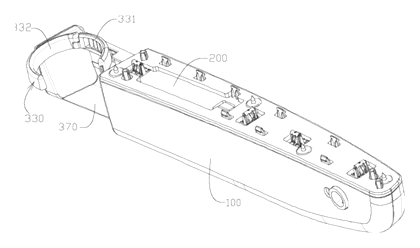
- The system comprises an armrest shell (100) housing an internal armrest framework (200). This framework contains specific guide chutes (211, 212) that define the path of movement for the internal components.
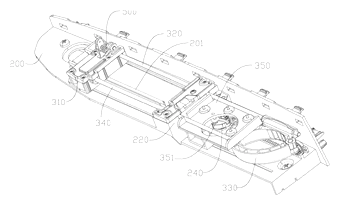
- A cup holder assembly (300) sits on a slide base box (310) equipped with chute clamping blocks. These blocks fit into the guide chutes, allowing the entire assembly to slide back and forth linearly along the length of the armrest.
- Extension and retraction are powered by a driving piece (400), specifically a coil spring, which connects the slide base box to a fixed point on the framework, providing automatic return force.
- To change the orientation of the cup holder, a rotating component (500) is mounted on the assembly. This includes a rotating shaft (320) attached to the cup holder (330). As the assembly slides, a guide pin (560) travels through a curved rotating chute (201) on the framework, forcing the shaft to rotate the cup holder from a horizontal (stored) state to a vertical (in-use) state.
- Speed control is managed by a damping gear (360) on a sliding auxiliary seat plate (350) that meshes with a stationary rack (230) on the framework, ensuring smooth, gradual movement rather than a sudden pop.
Who it is for
- Automotive Interior Suppliers: Companies manufacturing complete seat assemblies or aftermarket armrest upgrades looking for compact, multi-functional designs that save space.
- OEM Vehicle Manufacturers: Brands seeking to differentiate their interior ergonomics with automated, refined cup holder mechanisms that integrate seamlessly into existing seat structures.
- Fleet & Commercial Vehicle Modifiers: Operators needing durable, self-returning mechanisms that withstand frequent use in taxis, ride-shares, or delivery vehicles where driver convenience is paramount.
- Aftermarket Accessory Makers: Businesses producing retrofit kits for older vehicles where factory armrests lack convenient cup holding options.
How it works
The main parts
| No. | Part | What it does |
|---|---|---|
| 100 | Armrest Shell | External casing; contains internal guide bars. |
| 200 | Armrest Framework | Internal structure with guide chutes and racks. |
| 211, 212 | Guide Chutes | Linear tracks for the sliding assembly. |
| 201 | Rotating Chute | Curved track that converts linear motion to rotation. |
| 230 | Rack | Stationary gear teeth for damping engagement. |
| 300 | Cup Holder Assembly | Moving unit containing the base, shaft, and holder. |
| 310 | Slide Base Box | Slides on chutes; carries the rotating shaft. |
| 320 | Rotating Shaft | Connects to cup holder; rotates via guide pin. |
| 330 | Cup Holder | Two-bar clamp with torsion springs. |
| 350 | Auxiliary Seat Plate | Carries the damping gear and lock rod. |
| 360 | Damping Gear | Meshes with rack to slow down travel. |
| 400 | Driving Piece | Coil spring for automatic retraction. |
| 500 | Rotating Component | Torsion spring, end seat, stirring rod, guide pin. |
Operating Steps
- Activation: The user pushes the cup holder assembly outward. The slide base box moves along the first guide chute.
- Rotation: As the assembly moves forward, the guide pin (part of the rotating component) follows the curve of the rotating chute on the framework. This forces the rotating shaft to turn, lifting the cup holder from a flat, horizontal position to a vertical, upright position.
- Clamping: Once vertical, the torsion springs on the cup holder bars close inward to grip the beverage container securely.
- Damped Retraction: When released, the driving spring pulls the assembly back. The damping gear engages with the rack, resisting the spring’s force to ensure the assembly returns slowly and quietly, preventing impact against the inner walls.
- Locking: In certain positions, the lock rod engages with the locking member to hold the armrest steady during vehicle operation.
Applications
Passenger Vehicle Interiors
This design maximizes space efficiency in compact cars where armrest real estate is limited. By hiding the cup holder completely within the armrest volume when not in use, it provides a clean, uncluttered surface for resting arms or placing small items, improving perceived interior quality.
Ride-Sharing and Taxi Fleets
Drivers frequently handle drinks while navigating traffic. The automatic return and damped motion reduce distraction and noise. The robust locking mechanism ensures the cup holder stays secure during aggressive maneuvers or rough roads, maintaining stability for passengers’ beverages.
Luxury SUVs and Sedans
High-end interiors demand seamless integration. The rotating mechanism offers a sophisticated “magic trick” effect where the holder appears to rise organically from the armrest. The silent, smooth operation aligns with premium acoustic standards expected in luxury segments.
Heavy-Duty Trucks
For long-haul drivers, easy access to hydration is critical. The telescopic nature allows the holder to extend far enough for comfortable reach without requiring the driver to lean excessively. The durable spring-loaded design withstands daily heavy usage cycles better than simple friction-based hinges.
Where it is less suitable
- Minimalist Fixed Designs: Vehicles aiming for ultra-simple, non-moving interiors may find the complexity of the rotating chute and gears unnecessary cost.
- Extreme Vibration Environments: While locked, the intricate gear and pin system might be more susceptible to jamming in off-road conditions compared to simpler, solid-block cup holders.
- Low-Cost Economy Models: The precision required for the rotating chute and damping gear adds manufacturing complexity that may exceed budget constraints for entry-level vehicles.
Frequently asked questions
How does the cup holder know when to rotate?
The rotation is mechanical, not electronic. As you push the assembly forward, a guide pin attached to the rotating shaft travels through a curved rotating chute built into the armrest framework. The shape of this chute forces the pin—and thus the shaft—to turn, lifting the cup holder from flat to vertical automatically.
Why is there a damping gear?
Without damping, the return spring would snap the cup holder back quickly, potentially hitting the internal walls hard. The damping gear meshes with a stationary rack on the framework. This creates friction that slows down the retraction, ensuring a smooth, quiet, and controlled movement every time.
Can it hold large bottles?
The cup holder consists of two bars with torsion springs that allow them to spread apart. The size depends on the specific mold design. For larger containers, the bar length and spring tension can be adjusted in the custom design phase to accommodate diameters typical of water bottles or coffee cups.
Is it difficult to install in a new seat?
It is designed to integrate into the armrest structure. The framework mounts to the seat’s existing armrest supports. However, because it involves precise alignment of chutes and gears, it requires careful assembly during the seat manufacturing process rather than being a simple bolt-on accessory for consumers.
What happens if the mechanism jams?
The design relies on physical stops and locks. If debris enters the chutes, the sliding action may stiffen. Regular maintenance involves cleaning the guide paths. The lock mechanism prevents accidental extension during crashes, adding a layer of safety.
Are the materials safe for car interiors?
Yes, standard automotive-grade plastics (like ABS or PP) and metals are used. These are chosen for durability and resistance to temperature changes inside a vehicle. Specific material grades can be selected to meet flammability and chemical safety standards like FMVSS and REACH.
Can this design be made and sold in the US?
The patent CN116198404B is filed only in China and is in force there. It does not have a US equivalent, so this specific patent does not block US sales. However, other US patents may cover similar mechanisms. We recommend a freedom-to-operate check before starting production.
Are you affiliated with the patent owner?
No. IP2M is an independent design and manufacturing service working from the public patent document.
Request a quote
Click Request a Quote below to see our email address - copy it, or open your email app with a ready-made message. Please mention patent CN116198404B in the subject.
Helpful details to include:
- Your company and role (Tier 1 supplier, aftermarket brand, fleet modifier)
- Target seat model or armrest dimensions
- Material preferences (plastic type, finish, color)
- Performance needs (damping level, load capacity)
- Estimated quantity and target price per unit
- Timeline - when you need prototypes and mass production
You can also reach us at (332) 203-9997.
Explore this product
Interested in building this?
Tell us your target market, quantity and timeline. We reply with options for prototyping, small-batch runs or volume production.
Send your inquiry to
Please put CN116198404B in the subject line and tell us your company, country, estimated quantity and timeline.
Prefer to talk? Call (332) 203-9997.
More product-ready patents
All Car Accessories patents →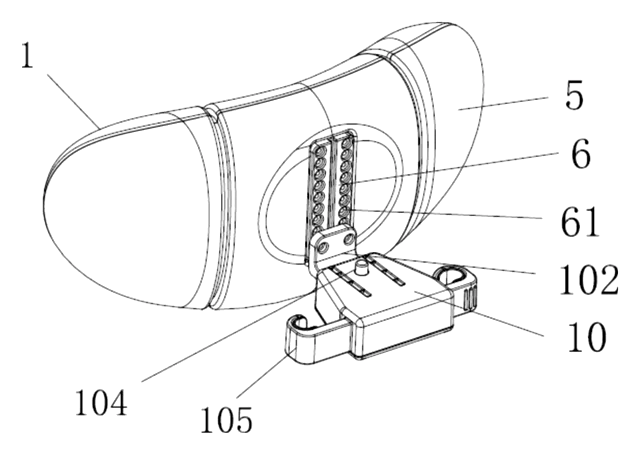
Car Accessories
Car Headrest Pillow with Ratchet Side Wings and Push-Button Reach
Post-mounted car headrest pillow with ratchet side wings and a push-button forward adjustment.
Patent CN212195197U
Car Accessories
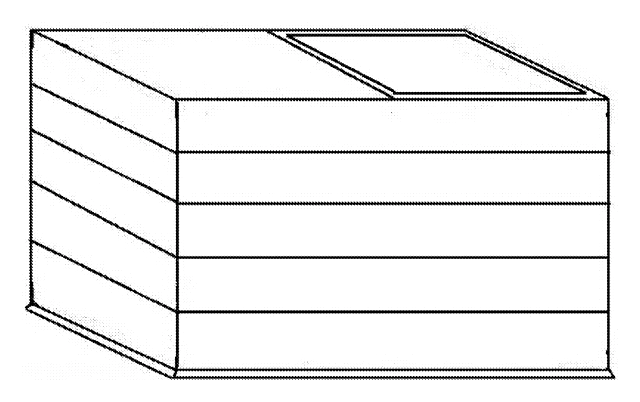
Hard-Shell Rooftop Tent That Doubles as a Cargo Box
Roof box whose hard frames lift on gas struts into a tent with door and skylight, and fold back for luggage.
Patent CN206327275U
Car Accessories
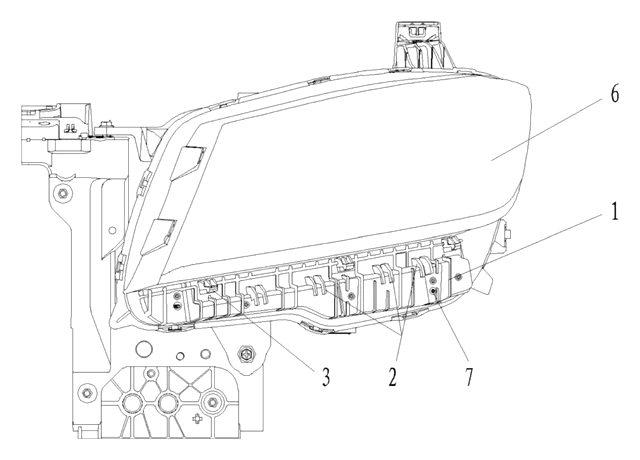
Headlamp-to-Bumper Adapter Bracket That Sets Gap and Flush in Three Directions
Molded bracket under the headlamp: support blocks and snap teeth locate the bumper flange for an even gap.
Patent CN216580316U
Car Accessories
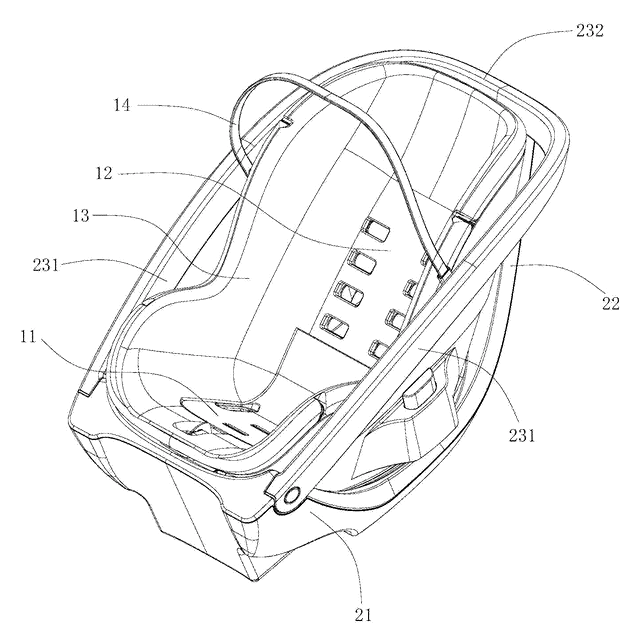
Infant Car Seat with a Load-Bearing Base That Wraps the Carrier
Infant car seat whose base has a backrest and swing-up side rails, so the carrier can be lighter.
Patent CN206383856U
Car Accessories
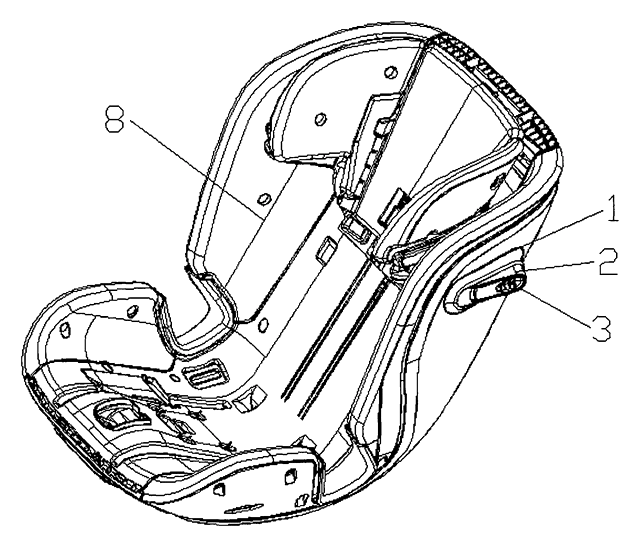
Retractable Side Impact Protection Block for Child Car Seats
Retractable side-impact block for child seats: springs out to provide side-impact buffering, folds flat.
Patent CN207028930U
Car Accessories
Rain-Deflecting Side Mirror with a Pivoting Air-Guide Plate
Side mirror with a top air duct and folding guide plate that directs airflow across the glass.
Patent CN207345672U
Browse by category
- Apparel & Accessories (36)
- Baby & Kids (25)
- Bags & Luggage (15)
- Bath & Personal Care (25)
- Car Accessories (21)
- Furniture, Bedding & Storage (19)
- Garden & Outdoor (27)
- Health & Wellness (12)
- Home, Kitchen & Cleaning (40)
- Lighting (20)
- Packaging & Containers (10)
- Pet Products (9)
- Phone & Camera Accessories (7)
- Retail Display (21)
- School, Office & Art (30)
- Sports & Recreation (37)
- Tools & Workshop (46)
- Toys & Games (19)
This page is based on the public patent document CN116198404B, assigned to Dongshi Lear Automotive Seat Co., Ltd. Technical Center. IP2M is an independent manufacturing service and is not affiliated with, endorsed by or licensed by the patent owner. Images marked as concept renderings are illustrations, not photos of an existing product. Patent status information is provided for reference only and is not legal advice; confirm freedom to operate for your market before production. Full disclaimer.