At a glance
| Patent number | CN116278465B (application CN202310153180) |
| Type | China invention patent - protects product structure and method |
| Original title | A push-type ballpoint pen with a pressing pen clip (一种按压笔夹的揿动圆珠笔) |
| Patent owner | Tonglu Baite Stationery Co ltd |
| Inventors | Zhou Jianqin |
| Filing date | 2023-02-10 |
| Grant date | 2025-03-14 |
| Status (China) | Active - In force in China until at most 2043-02-10 (if annual fees are paid) |
| Patent family | Chinese filings only - no US, European, Japanese, PCT or other filings listed |
| Cited by | 0 later documents |
| Source | Google Patents (search for CN116278465B) |
What the claims cover, in plain language
Claim 1 defines a ballpoint pen comprising an upper barrel, a first telescopic rod, a rotating wheel, a press wheel, and a trapezoidal push block. The upper barrel has a refill cavity with a thread groove at the opening and a press wheel groove on the inner wall. A through hole connects the cavity to the outside. Inside, the press wheel slides along the groove and has gear teeth. The rotating wheel is mounted in the press wheel with fixed gear teeth that mesh with the press wheel’s teeth. The trapezoidal push block slides in the cavity, connected to the press wheel, and holds the first telescopic rod. The first telescopic rod passes through the through hole and connects to a second telescopic rod via a spring. The second rod interacts with a pen clip rotatably mounted on the barrel via a connecting shaft. The clip has an adjusting notch where the second rod fits.
Claim 2 adds a lower barrel screwed onto the upper barrel’s thread groove. It contains a second refill cavity holding the refill and a refill spring. The refill extends into the first cavity to contact the rotating wheel.
This is a simplified reading for orientation only. The legal scope is defined by the exact claim wording in the official Chinese document.
What this means for US production
This patent was filed only in China and is currently active. Making or selling this specific mechanical configuration in China requires the owner’s permission. However, since there are no US patents in this family, the design itself is not restricted by this specific patent number in the United States.
Two points to settle early:
- Other patents may exist. Writing instruments, particularly snap-action and clip-actuated mechanisms, are a crowded field with many existing US patents covering various gear, cam, and lever systems. A freedom-to-operate (FTO) review is essential to ensure your specific implementation of the clip-to-gear linkage does not infringe on other valid US patents held by major stationery manufacturers.
- Material Safety. The plastic components (barrel, wheels, rods) and any metal parts (clip, shaft) must meet US safety standards for consumer goods, especially if marketed towards children or schools.
Customization and manufacturing
What can be customized
| Area | Options |
|---|---|
| Barrel Material | ABS, PC, or recycled plastics; matte or glossy finish. |
| Clip Design | Standard wire clip, molded plastic clip, or flexible silicone-over-metal. |
| Color Scheme | Pantone-matched colors for barrel, clip, and internal gears. |
| Refill Type | Standard D1/D2 refills, gel ink, or ballpoint variants. |
| Top Cap | Can be designed to accommodate a stylus tip or remain plain for branding. |
| Gear Ratio | Adjusted for smoother clip travel vs. shorter stroke length. |
Things to plan for (US market)
- ASTM F963 - Consumer Product Safety Specification for Toy Safety. While pens are not toys, if marketed to children under 12, they must comply with sharp point and small part regulations.
- California Prop 65 - Requires warnings for certain chemicals in plastics and metals (e.g., lead, cadmium) if levels exceed safe harbor thresholds.
- FDA 21 CFR - Not directly applicable unless the pen is marketed as food-contact (unlikely), but material safety is generally screened similarly.
- ANSI/BHMA - Generally for hardware, but durability testing cycles for clip mechanisms should be established internally to prevent breakage.
How a project runs
- Inquiry - Define target price, volume, and specific feature requirements (e.g., stylus integration).
- Design - CAD modeling of the internal gear train and clip linkage; tolerance analysis for the sliding wheels.
- Prototype - 3D printed or CNC machined parts to test the clip actuation force and refill extension reliability.
- Tooling - Steel molds for the barrels, clips, and precision injection molds for the internal gears and rods.
- Production - Injection molding, silk screening/pad printing, assembly of the internal mechanism, and packaging.
Quantities & timeline
The complexity lies in the internal gears and telescopic rods, requiring high-precision molds to ensure smooth sliding without binding. Molds for the main barrel and clip are standard. Assembly requires manual or semi-automatic insertion of the small internal components. Send us your target quantity, material preferences, and desired retail price range and we will reply with options.
Patent drawings
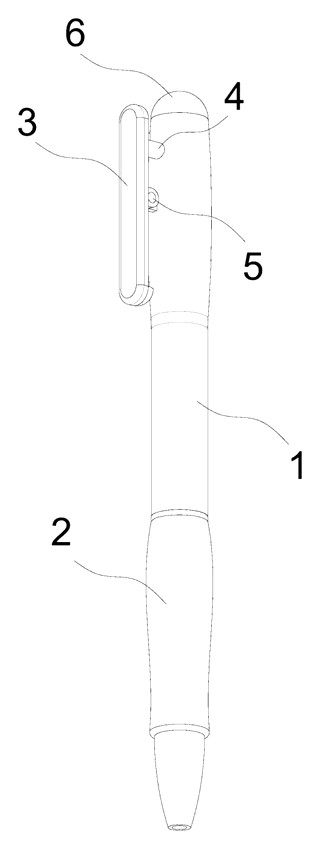
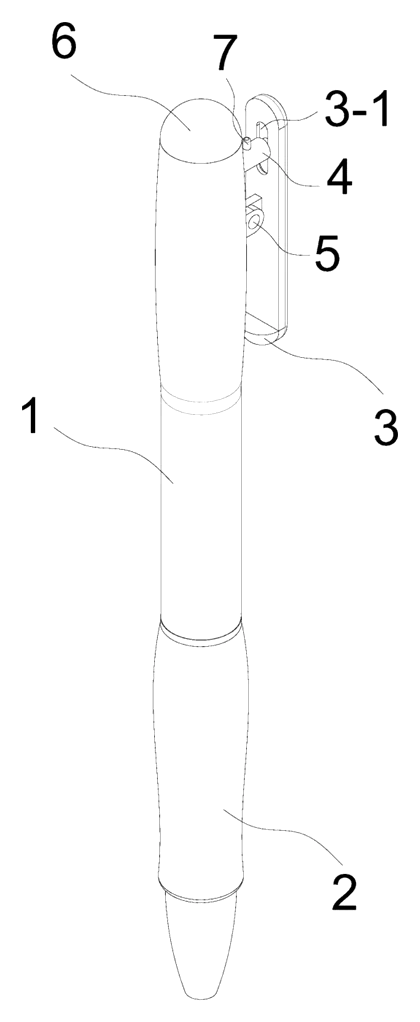
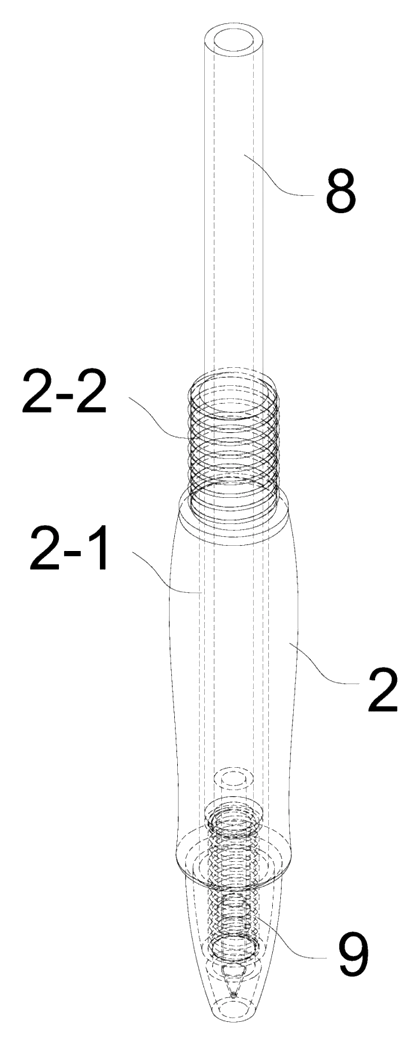
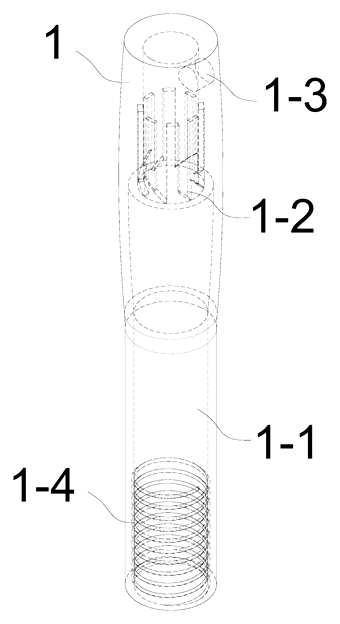
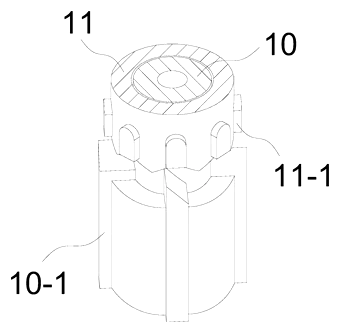
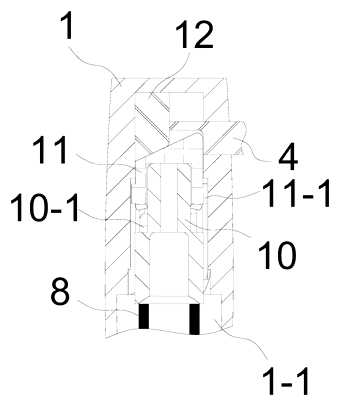
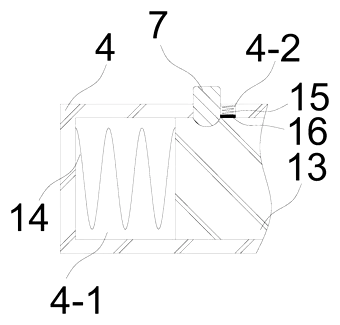
Drawings reproduced from the public patent document for reference.