
Patent CN116473449B
Updated November 1, 2026Mirror Cabinet with Integrated Towel Drying Mechanism
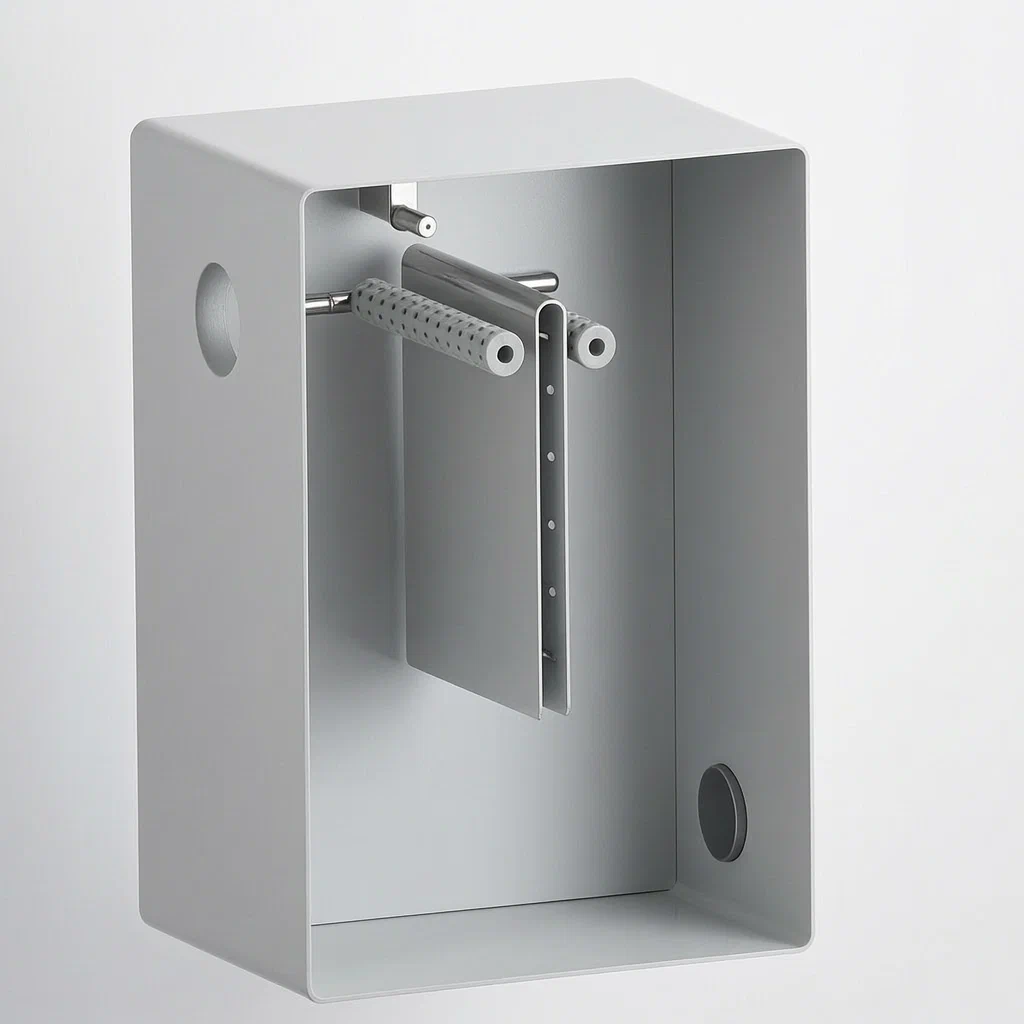
Standard bathroom cabinets leave wet towels draped over bars, where they stay damp, develop odors, and harden due to calcium deposits. This design integrates a drying station directly into the mirror cabinet structure. Inside the cabinet, a mechanical assembly grips the towel between two movable squeeze rollers. These rollers compress the fabric to physically expel excess water, which is then drawn away by a vacuum-assisted suction pipe located within the central roller shaft. Simultaneously, steam generated by an internal unit is channeled through the rollers and sprayed onto the towel via precision nozzles. This combination of mechanical squeezing and thermal airflow accelerates drying, prevents towel stiffening, and maintains hygiene without requiring separate countertop appliances.
- China invention patent - active
- No filings outside China
- Bathroom furniture & fixtures
- Mechanical squeeze, vacuum suction, steam drying
Splat! What let you down?
🧼
Mechanical Squeezing
Two adjustable rollers press against the towel to physically remove excess water before drying.
💨
Vacuum-Assisted Drying
An inner shaft with suction holes draws air through the compressed towel area using a pump.
♨️
Integrated Steam Spray
Steam is channeled through the rollers and sprayed onto the fabric to speed up evaporation.
🚿
Cabinet Integration
The entire drying mechanism is housed within the mirror cabinet, saving counter space.
Bring this product to market
- ✓ Patent vetted China-only family and legal status checked
- 2 Product brief · now How it works, uses and options written up
- 3 Prototype First samples for buyers to review
- 4 Pilot run Small first batch for launch customers
- 5 Volume production Repeat orders at scale
Buyer interest
– of 100 buyers needed to start prototyping
One click, no sign-up. Each vote is one real visitor, and products with the most interest go to prototyping first.
Build team: no members yet. Need a partner, co-funding or skills to build this? Join and we introduce the team once it forms.
The problem
In many bathrooms, wet towels are hung on rails or hooks where they remain damp for hours or even days. This prolonged moisture leads to bacterial growth, unpleasant odors, and a stiff, uncomfortable texture caused by mineral deposits from tap water drying on the fibers. Existing solutions often require separate electric towel warmers or bulky countertop dryers, which consume floor or counter space and may not effectively remove heavy saturation after a shower. Users need a way to quickly reduce towel moisture and restore softness without adding clutter to the bathroom layout.
The solution
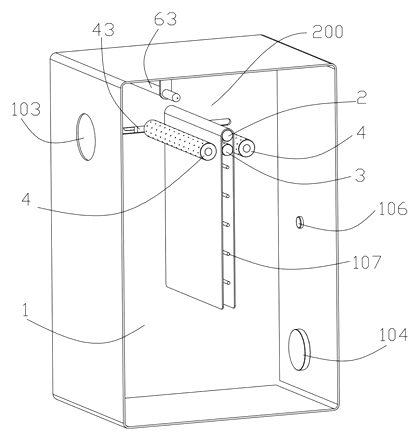
- Mirror Cabinet Housing: The core structure is a standard bathroom mirror cabinet with a door and mirror, providing a concealed environment for the drying apparatus.
- Mounting Plate Assembly: Inside the cabinet, a mounting plate holds the functional components. It features a hanging shaft for draping the towel and an inner roller shaft positioned centrally.
- Squeeze Roller System: Two squeeze rollers are distributed on either side of the inner roller shaft. These rollers are mounted on air supply shafts and can move toward or away from each other via sliding blocks.
- Moisture Extraction: The inner roller shaft contains a water suction pipe with suction holes. As the rollers compress the towel, this system draws out the expelled water and moist air.
- Thermal Assistance: A steam generator connects to the air supply shafts of the squeeze rollers. High-temperature steam is sprayed onto the towel through first jet holes on the rollers, aiding in rapid drying and reducing mineral buildup.
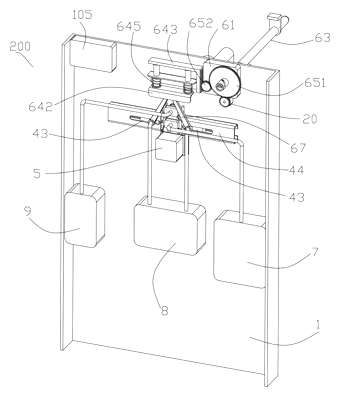
- Automated Actuation: A second power mechanism, linked to the cabinet door’s closing action, drives the rollers together. When the door closes, push rods engage a lifting assembly that forces the rollers inward to grip the towel.
Who it is for
- Bathroom Furniture Brands: Manufacturers looking to differentiate their vanity mirrors with value-added hygiene features that appeal to modern consumers seeking cleanliness and convenience.
- Hotel & Hospitality Suppliers: Property managers who want to offer guests a premium experience with self-drying amenities that reduce laundry frequency and improve towel presentation.
- High-End Residential Builders: Developers incorporating smart or health-focused fixtures in luxury homes where integrated, space-saving solutions are preferred over standalone appliances.
- E-commerce Sellers: Online retailers targeting niche markets interested in practical bathroom accessories that solve specific pain points like damp smells and stiff towels.
How it works
The main parts
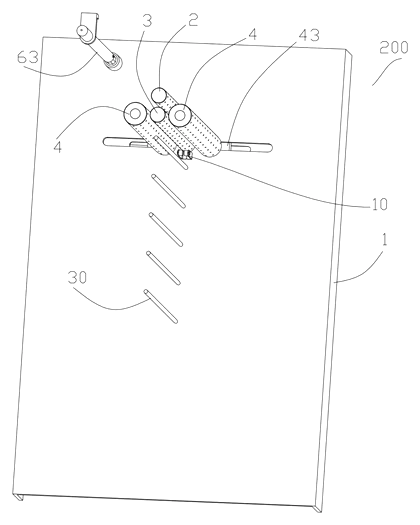
| No. | Part | What it does |
|---|---|---|
| 1 | Mirror Cabinet | Encloses the mechanism; door triggers the actuation. |
| 2 | Mounting Plate | Base structure holding the shafts and rollers. |
| 3 | Hanging Shaft | Supports the towel during the drying cycle. |
| 4 | Inner Roller Shaft | Contains the water suction pipe and holes. |
| 5 | Squeeze Rollers | Compress the towel; have air/steam jets. |
| 6 | Sliding Blocks | Move the rollers closer or farther apart. |
| 7 | Power Mechanisms | Drive rotation and lateral movement of parts. |
| 8 | Steam Generator | Produces steam for the spray function. |
Operating Steps
- Load the Towel: The user hangs a wet towel on the hanging shaft inside the open cabinet.
- Close the Door: Shutting the cabinet door pushes the second push rod against the door’s inner surface.
- Engage the Rollers: The push rod activates the lifting assembly and transmission assembly (gears and racks), causing the sliding blocks to move the squeeze rollers inward.
- Squeeze and Suck: The rollers compress the towel. The vacuum pump operates the water suction pipe through the inner roller shaft, pulling moisture away from the fabric.
- Steam Application: The steam generator sends steam through the air supply shafts to the squeeze rollers, which spray it onto the towel via the first jet holes.
- Release: When the door opens, springs return the rollers to their resting position, allowing the user to retrieve the dried towel.
Applications
Master Bathrooms
Homeowners use the cabinet to dry face towels immediately after washing hands or faces, keeping them fresh and odor-free without taking up counter space.
Guest Bathrooms
Hosts prepare towels for visitors by placing them in the cabinet before arrival; the quick-dry cycle ensures towels feel crisp and clean upon guest entry.
Small Apartments
In compact living spaces where floor area is limited, this integrated unit replaces the need for a separate heated towel rail or portable dryer.
Spa & Wellness Centers
Facilities use these cabinets to rapidly process small hand towels between treatments, maintaining hygiene standards and reducing laundry loads.
Where it is less suitable
- Large Bath Towels: The mechanism is designed for smaller hand or face towels; large bath sheets may not fit properly or dry evenly.
- Heavy-Duty Industrial Use: Frequent, high-volume cycling may wear out the mechanical seals faster than commercial-grade equipment designed for such loads.
- Low-Maintenance Settings: Requires regular cleaning of suction filters and steam lines to prevent mineral clogging, unlike passive towel racks.
Frequently asked questions
How does the drying actually work?
The mechanism uses a three-step process: first, two rollers physically squeeze the towel to remove excess water; second, a vacuum system sucks the remaining moisture through holes in the central shaft; third, steam is sprayed onto the towel to accelerate evaporation and soften the fibers.
Do I need to hook it up to a water line?
Yes, for the steam generation feature described in the patent, a water source is needed to feed the steam generator. However, designs could potentially be adapted for electric-only heating if steam is omitted, though that would change the functionality covered by the claims.
Is it noisy?
The patent describes mechanical movements (rollers, pumps, gears). Noise levels depend on the quality of the bearings and insulation used in the final product design. Proper engineering can minimize sound, but some operational noise is inherent to the suction and motor functions.
Can it handle large bath towels?
The mechanism is designed around the size of the mirror cabinet. While it can accommodate standard hand or face towels, very large bath towels might not fit comfortably between the rollers or may not dry evenly across their full length.
How do I clean it?
Regular maintenance involves wiping down the exterior and checking the suction filters or pipes for mineral buildup from steam water. The rollers should be cleaned periodically to ensure they grip the towel effectively without transferring dirt.
Does it require professional installation?
Given the electrical components and potential water connections for steam, professional installation is recommended to meet local building codes and safety standards, especially regarding GFCI protection in bathrooms.
Can this design be made and sold in the US?
The patent is currently in force in China but has no US counterpart. This means you can manufacture and sell this design in the US without infringing this specific patent. However, because it is a novel mechanical integration, we strongly recommend a freedom-to-operate check to ensure no other existing US patents cover similar towel-drying mechanisms or cabinet automation.
Are you affiliated with the patent owner?
No. IP2M is an independent design and manufacturing service working from the public patent document.
Request a quote
Click Request a Quote below to see our email address - copy it, or open your email app with a ready-made message. Please mention patent CN116473449B in the subject.
Helpful details to include:
- Your company and channel (furniture brand, hotel supplier, e-commerce seller)
- Cabinet dimensions and style preferences
- Features (steam vs. electric heat, lighting, controls)
- Estimated quantity and target price
- Timeline - when you would like samples and the first shipment
You can also reach us at (332) 203-9997.
Explore this product
Interested in building this?
Tell us your target market, quantity and timeline. We reply with options for prototyping, small-batch runs or volume production.
Send your inquiry to
Please put CN116473449B in the subject line and tell us your company, country, estimated quantity and timeline.
Prefer to talk? Call (332) 203-9997.
More product-ready patents
All Bath & Personal Care patents →
Bath & Personal Care
Foot-Pedal Soap & Sanitizer Dispenser Stand
Hands-free, battery-free dispenser stand - step on a pedal to press the pump of any soap or sanitizer bottle.
Patent CN207461995U
Bath & Personal Care
Ear-Shaped Mask Strap Guard with Tension Adjuster
Ear-shaped silicone guard and strap-length adjuster that make ear-loop masks comfortable to wear for long hours.
Patent CN205456233U
Bath & Personal Care
Adjustable-Length Back Scrubber Strap with Push-Button Handles
Back-scrubber strap with push-button handles that set its length and a spring that keeps it taut.
Patent CN207041452U
Bath & Personal Care
Angled-Plate Hair Straightener
Flat iron with plates twisted 45-75° to the handle, a curling groove and rubber-capped tips.
Patent CN206137462U
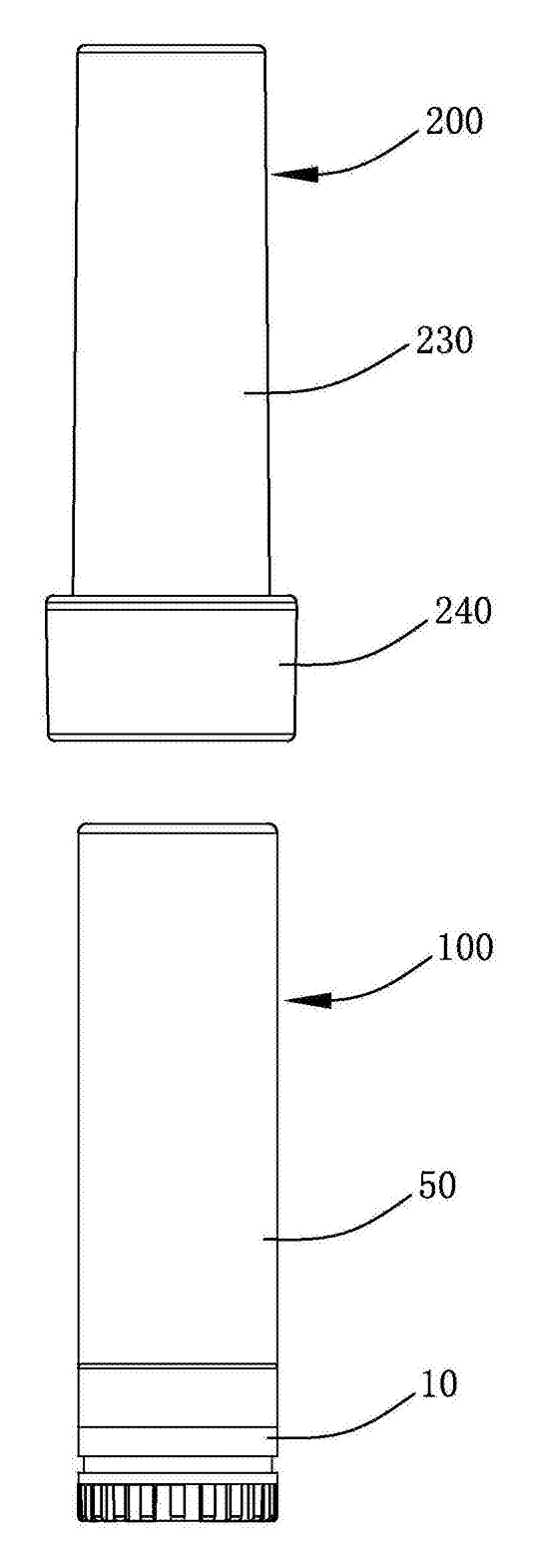
Bath & Personal Care
Refillable Lipstick Case with Sealed Snap-In Refill Pods
Reusable twist-up lipstick case; sealed refill pods unlock at the top of the stroke for shade swaps.
Patent CN206909979U
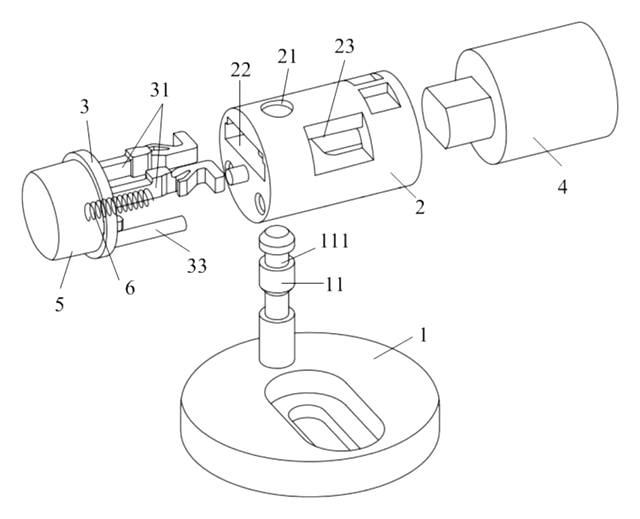
Bath & Personal Care
Quick-Release Toilet Seat Hinge with a Push-Button Two-Strip Latch
Toilet seat hinge: drop the shaft onto a grooved post to lock; one push parks the latch open to lift it off.
Patent CN210370292U
Browse by category
- Apparel & Accessories (25)
- Baby & Kids (19)
- Bags & Luggage (12)
- Bath & Personal Care (19)
- Car Accessories (14)
- Furniture, Bedding & Storage (14)
- Garden & Outdoor (21)
- Health & Wellness (9)
- Home, Kitchen & Cleaning (31)
- Lighting (14)
- Packaging & Containers (7)
- Pet Products (7)
- Phone & Camera Accessories (5)
- Retail Display (15)
- School, Office & Art (21)
- Sports & Recreation (28)
- Tools & Workshop (33)
- Toys & Games (15)
This page is based on the public patent document CN116473449B, assigned to DONGGUAN LAMXON TECHNOLOGY BUILDING MATERIAL CO LTD. IP2M is an independent manufacturing service and is not affiliated with, endorsed by or licensed by the patent owner. Images marked as concept renderings are illustrations, not photos of an existing product. Patent status information is provided for reference only and is not legal advice; confirm freedom to operate for your market before production. Full disclaimer.