At a glance
| Patent number | CN116530801B (application CN202310512079) |
| Type | China invention patent (发明专利) - protects technical solutions including methods and structures |
| Original title | Shoes and clothes comprehensive showing stand convenient to disassemble and assemble (一种便于拆装的鞋服综合展示架) |
| Patent owner | Fujian Anbang Exhibition Co ltd |
| Inventors | Li Guihua, Li Zuping, Li Zhongwang, Zhong Keqing |
| Filing date | 2023-05-08 |
| Grant date | 2024-08-16 |
| Status (China) | Active - In force in China until at most 2043-05-08 (if annual fees are paid) |
| Patent family | Chinese filings only - no US, European, Japanese, PCT or other filings listed |
| Cited by | 0 later documents |
| Source | Google Patents (search for CN116530801B) |
What the claims cover, in plain language
Claim 1 defines a display stand comprising a base, support frame, top plate, and clothing hanger rod. The core innovation is the quick-release device located at the top of the base. This device includes a first hinge seat, supporting rod, connecting rod, second hinge seat, ferrule, and a first electric push rod. The push rod drives the ferrule along the hanger rod, lifting the assembly via the linkages. The claim also specifies a rotation detection device inside the base and an irradiation device on the outside.
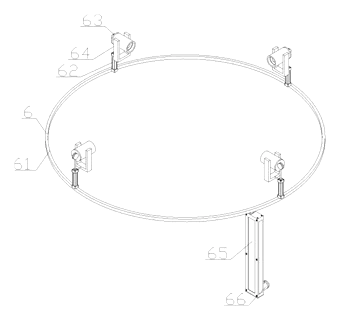
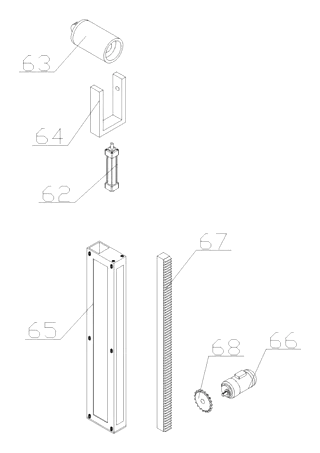
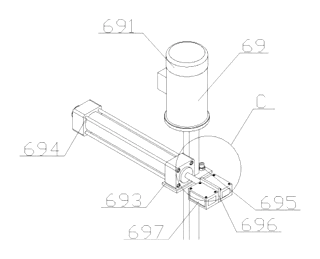
Claim 2 details the rotation detection device. It includes a main gear and auxiliary gear meshed together, driven by a gear motor. It further specifies a second electric push rod, a push plate, an ultrasonic sensor, an ultrasonic emitter, and a buzzer. These components work together to rotate the display and detect proximity.
Claim 3 describes the irradiation device. It features an adjusting ring sliding on the base and a third electric push rod to adjust the angle and height of the light source.
This is a simplified reading for orientation only. The legal scope is defined by the exact claim wording in the official Chinese document.
What this means for US production
This patent was filed only in China and is currently active. Making or selling this specific configuration in China requires the owner’s permission. Since there are no US filings, the patent itself does not restrict manufacturing or sales in the United States. However, the underlying technologies (motorized rotation, ultrasonic alarms in furniture) are broad fields.
Two points to settle early:
- Other patents may exist. Retail displays with automated rotation and security features are a competitive field. Many US companies hold patents on similar mechanisms, such as turntable bases, motion-sensor lighting, and anti-theft alarms. A freedom-to-operate (FTO) review is essential before tooling to ensure your specific implementation does not infringe on existing US intellectual property.
- Electrical Safety and Certification. Because this product involves mains-powered motors, electric push rods, and sensors, it falls under strict electrical safety regulations in the US market. You must plan for UL or ETL certification, which adds time and cost compared to purely mechanical racks.
Customization and manufacturing
What can be customized
| Area | Options |
|---|---|
| Dimensions | Height, base diameter, and rod length to fit different store layouts |
| Materials | Steel, aluminum, or wood finishes for the frame; acrylic or glass for display trays |
| Motor Type | Single-phase AC or DC geared motors depending on load and noise requirements |
| Sensor Range | Adjustable sensitivity for the ultrasonic proximity alarm |
| Lighting | LED strip integration, color temperature (2700K-6000K), and dimming controls |
| Connectivity | Wi-Fi/Bluetooth modules for the broadcasting device to sync with POS systems |
Things to plan for (US market)
- UL 153 / UL 484: Standards for portable lamps and display stands with electrical components. Ensures fire and shock protection.
- FCC Part 15: Required for any electronic device emitting radio frequency energy (e.g., if the broadcasting device has wireless capabilities).
- CPSC Guidelines: General consumer product safety regarding pinch points and stability. The base must be weighted sufficiently to prevent tipping when the rotating platform is loaded.
- ADA Compliance: Ensure the control interfaces (buttons for lights/rotation) are accessible to people with disabilities if installed in public-facing retail spaces.
How a project runs
- Inquiry - Define dimensions, load capacity, and desired electronic features.
- Design - CAD modeling of the linkage mechanism, gear train, and housing for sensors/motors.
- Prototype - Build functional units to test the smoothness of the electric lift, rotation noise levels, and sensor accuracy.
- Certification Prep - Submit prototypes for electrical safety testing (UL/ETL) and FCC pre-compliance.
- Production - Injection molding for plastic parts, sheet metal stamping for frames, motor assembly, and final wiring.
Quantities & timeline
The complex linkage system requires precision molds for the plastic housings and gears. The electric push rods and motors are typically sourced from third-party suppliers, requiring careful integration. Electrical certification testing can take 4-8 weeks. Send us your target dimensions, material preferences, electronic specifications, quantity and target price and we will reply with options.
Patent drawings
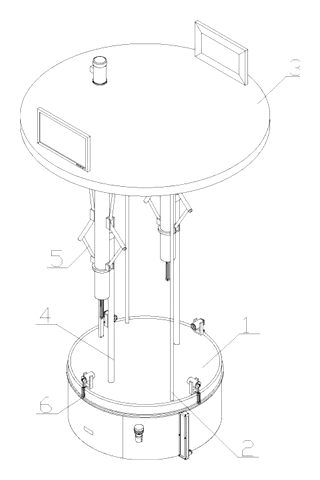
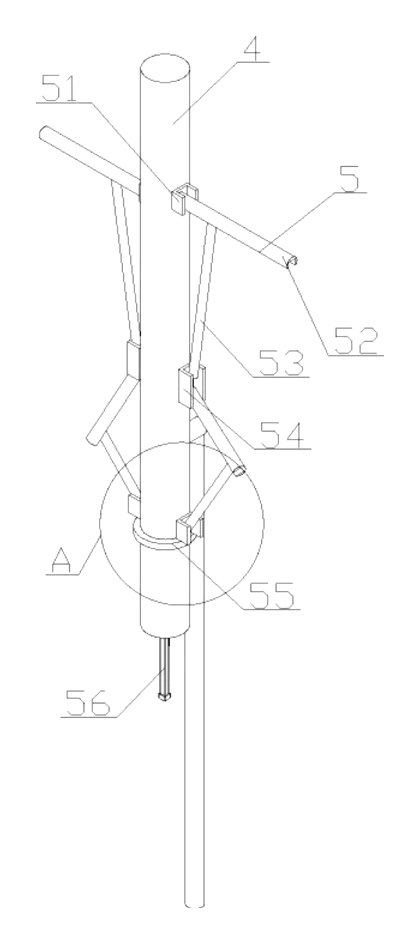
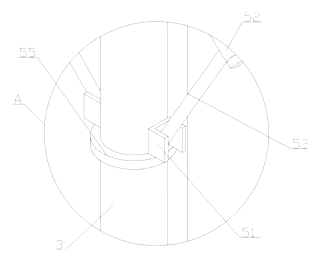
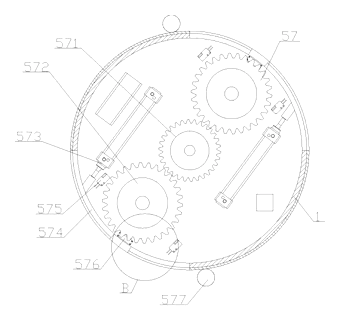
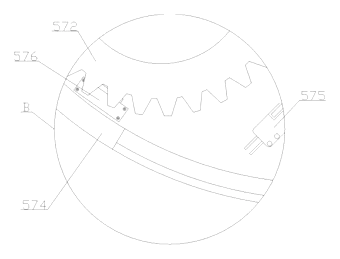
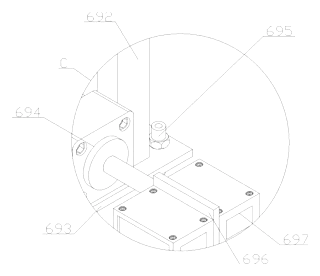
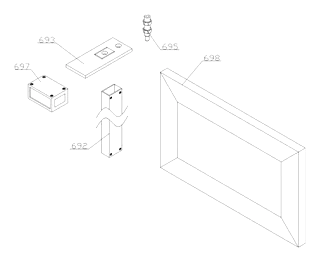
Drawings reproduced from the public patent document for reference.