At a glance
| Patent number | CN118129096B (application CN202410341499) |
| Type | China invention patent (发明专利) - protects product structure and method |
| Original title | Garden lamp with mosquito repellent effect (一种具有驱蚊效果的庭院灯) |
| Patent owner | Guangdong Biaosheng Optical Energy Technology Co ltd |
| Inventors | Ren Biao, Wu Zhifeng, Huang Nengjian, Zhou Chenggen, Li Chaoran |
| Filing date | 2024-03-25 |
| Grant date | 2024-11-15 |
| Status (China) | In force - valid until at most 2044-03-25, subject to payment of annual fees |
| Patent family | Chinese filings only - no US, European, Japanese, PCT or other filings listed |
| Cited by | 0 later documents |
| Source | Google Patents (search for CN118129096B) |
What the claims cover, in plain language
Claim 1 defines a garden lamp comprising a lamp post and an annular electric network group at the bottom. A motor at the top is connected to a timing device. The motor’s output shaft has a first gear meshing with a second gear. A fixed column supports a toothed ring, into which the second gear meshes via its inner teeth. First and second cleaning brushes are attached to the second gear to rotate against the outer and inner sides of the network group. A liquid coating column inside the network holds a spray device for mosquito attractant. The first gear is fixed to the coating column, which connects to a turntable and connecting disc linked to the grid base.
Claim 2 adds a sliding ring at the bottom of the lamp post with a collecting groove, interacting with the fixed column.
Claim 3 details a wavy track on the sliding ring and a pulley system for the first cleaning brush, involving springs and movable columns for tension adjustment.
This is a simplified reading for orientation only. The legal scope is defined by the exact claim wording in the official Chinese document.
What this means for US production
This patent was filed only in China and is currently in force. Making or selling this specific design in China requires the owner’s permission. There is no US counterpart, so the design itself is not restricted by this patent in the United States.
Two points to settle early:
- Other patents may exist. Outdoor lighting and electronic pest control devices are widely patented fields in the US. While this specific gear-brush combination may be unique, general concepts like timed cleaning mechanisms or integrated attractant dispensers might be covered by other US patents. A freedom-to-operate (FTO) review is recommended before tooling.
- Electrical Safety Standards. The integration of moving parts with high-voltage grids requires strict adherence to insulation and interlock protocols to meet US safety certifications.
Customization and manufacturing
What can be customized
| Area | Options |
|---|---|
| Post Material | Aluminum alloy, stainless steel, or weather-resistant plastic composites. |
| Grid Design | Mesh size, voltage rating, and protective cage configuration. |
| Brush Type | Bristle material (insulative plastics), shape, and replacement interval. |
| Attractant System | Tank capacity, spray nozzle type, and compatible attractant liquids. |
| Control Unit | Timer settings, solar panel integration, or smart app connectivity. |
| Finish | Powder coating colors, UV-resistant treatments, and IP rating upgrades. |
Things to plan for (US market)
- UL 1598 / UL 60598 - Standard for luminaires. Electrical safety, fire resistance, and mechanical strength tests are mandatory.
- EPA Registration - If the device makes pesticidal claims (e.g., “kills mosquitoes”), it may fall under EPA regulations for pesticides or pesticide devices. Non-regulatory claims must be carefully worded.
- FCC Part 15 - If the lamp includes wireless connectivity (Wi-Fi/Bluetooth) for timers or sensors, radio emissions must comply with FCC rules.
- IP Rating - Outdoor units require appropriate Ingress Protection ratings (e.g., IP65 or higher) to withstand rain and dust.
How a project runs
- Inquiry - Define target market, desired features (solar, smart controls), and volume estimates.
- Design - Finalize gear ratios, brush geometry, and electrical layout. Create CAD models.
- Prototype - Build functional prototypes for testing cleaning efficacy, durability, and safety interlocks.
- Certification Prep - Submit samples for UL/FCC/EPA testing. Adjust design based on preliminary findings.
- Production - Tooling for molds/dies, component sourcing, assembly line setup, and quality control checks.
Quantities & timeline
Precision gears and brushes require injection molding tools. The lamp post needs extrusion or casting dies. Certification testing typically takes 8-12 weeks depending on the lab queue. Send us your target specifications, estimated annual volume, and desired launch date and we will reply with options.
Patent drawings
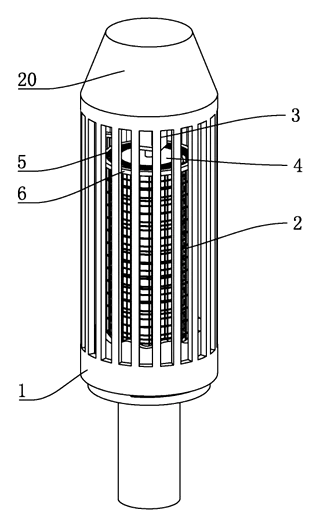
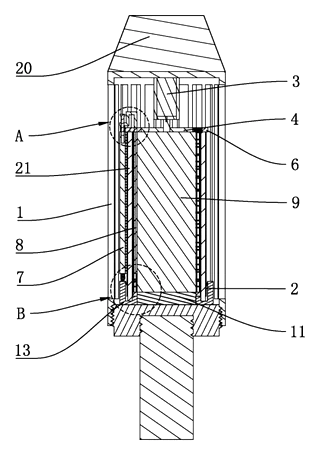
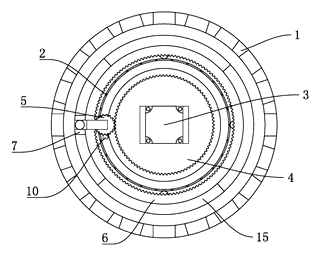
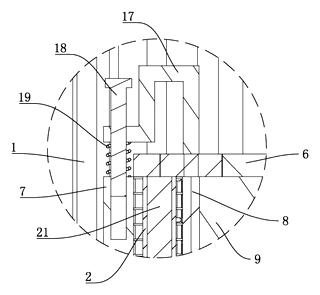
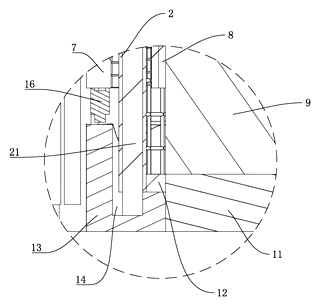
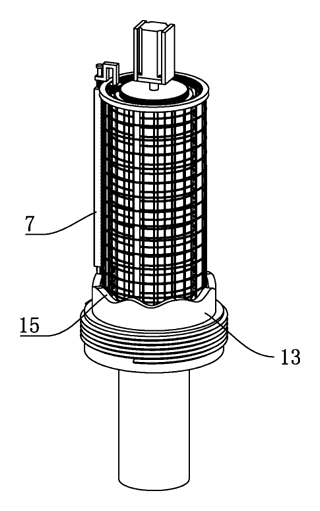
Drawings reproduced from the public patent document for reference.