At a glance
| Patent number | CN118949395B (application CN202411419334) |
| Type | China invention patent (发明专利) - protects product structure and method |
| Original title | Conway life recreation cellular automaton analogue means (一种康威生命游戏元胞自动机模拟装置) |
| Patent owner | West Lake Interactive Machine Technology Hangzhou Co ltd / Westlake University |
| Inventors | Jiang Hanqing, Song Chao, Li Xiaowen, Zhang Zhuang, Wang Yong, Wu Lingling, Sun Yuejia |
| Filing date | 2024-10-12 |
| Grant date | 2025-01-17 |
| Status (China) | In force - valid until at most 2044-10-12 (assuming annual fees are paid) |
| Patent family | Chinese filings only - no US, European, Japanese, PCT or other filings listed |
| Cited by | 0 later documents |
| Source | Google Patents (search for CN118949395B) |
What the claims cover, in plain language
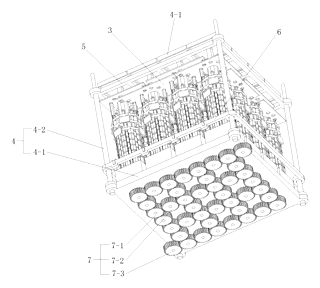
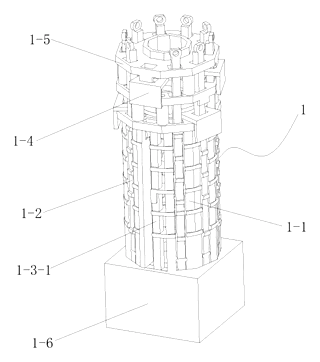
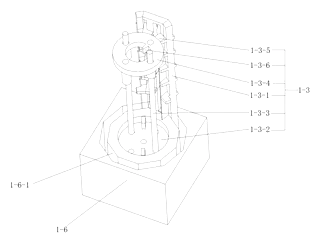
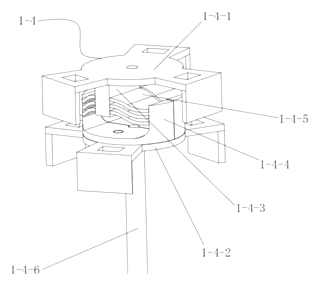
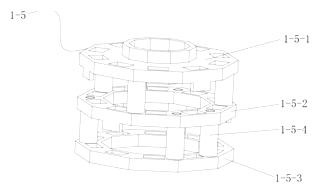
Claim 1 defines a Conway Game of Life simulation device comprising a rectangular array of counter units, neighborhood connection components, and a button resetter. Each counter unit includes eight neighborhood state components, one self-state component, a bistable component, and a judging executing component.
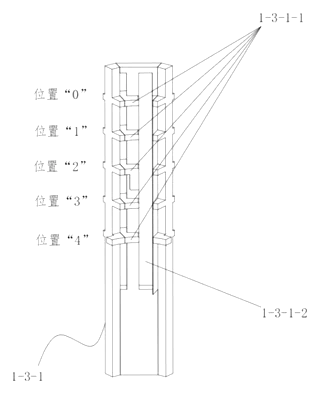
The key structural feature is that the button above the unit reflects the cell’s state: extended (up) equals state “1” (alive), and depressed (down) equals state “0” (dead). The bistable component holds the button in one of these two stable positions.
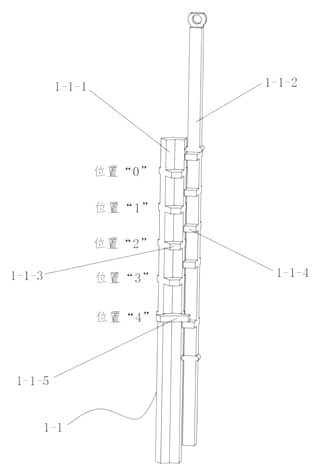
The judging executing component determines the next state based on the count of neighboring cells in state “1”. Specifically, it outputs a first intermediate state (triggering survival/birth) if there are exactly three living neighbors, or if the cell is alive and has two living neighbors. Otherwise, it outputs a second intermediate state (triggering death/stasis).
During the reset process, if the output is the first state, the mechanism stretches the bistable component to pop the button up. If the output is the second state, the component remains compressed. The claim details the mechanical interaction between the resetter, the bistable membrane/spring, and the button linkage.
This is a simplified reading for orientation only. The legal scope is defined by the exact claim wording in the official Chinese document.
What this means for US production
This patent was filed only in China and is currently in force. Making, selling, or importing products that fall within the scope of these claims in China would require permission from the patent owner. However, since there is no corresponding US patent application or granted US patent found in the family, the design is not restricted by this specific patent in the United States.
Two points to settle early:
- Other patents may exist. Educational toys and mechanical puzzles are a crowded field. While this specific combination of bistable buttons and neighborhood sensing for Conway’s rules appears unique to this filing, similar mechanical logic devices or cellular automaton implementations may be covered by other US patents held by toy manufacturers or educational tech companies. A freedom-to-operate (FTO) review is recommended before mass production.
- Complexity of Assembly. The device relies on precise mechanical tolerances for the bistable components and neighborhood links. Variations in material stiffness or friction could cause jamming or incorrect state transitions, requiring rigorous quality control during manufacturing.
Customization and manufacturing
What can be customized
| Area | Options |
|---|---|
| Grid Size | Configurable from small desktop units (e.g., 5x5) to larger wall-mounted displays. |
| Material | ABS plastic for buttons and housings; stainless steel or POM for bistable springs/membranes. |
| Color Coding | Buttons can be colored differently for “alive” vs. “dead” states to enhance visibility. |
| Reset Mechanism | Manual lever, push-button bar, or motorized actuator for automated stepping. |
| Mounting | Tabletop stand, wall bracket, or floor-standing kiosk housing. |
Things to plan for (US market)
- ASTM F963: Standard Consumer Safety Specification for Toy Safety. Critical for any product intended for children under 14. Requires testing for small parts, sharp edges, and mechanical hazards.
- CPSC Regulations: Compliance with general safety requirements for consumer products.
- Choking Hazard: Ensure buttons and internal parts cannot detach easily if the target audience includes young children.
- Durability Testing: Given the repetitive mechanical action, stress tests for the bistable components are necessary to ensure longevity.
How a project runs
- Inquiry - Define grid size, target age group, and desired reset mechanism.
- Design - CAD modeling of the counter unit, bistable spring selection, and linkage optimization.
- Prototype - 3D printed or machined samples to test mechanical reliability and smoothness of operation.
- Pilot Run - Injection molding tools created; assembly line setup for high-volume production.
- Production - Mass manufacturing, quality inspection, and packaging.
Quantities & timeline
Injection molds for the complex counter units and custom springs will drive the initial tooling costs. Assembly time per unit depends on the grid size. Lead times for molds typically range from 8-12 weeks. Send us your grid dimensions, material preferences, quantity estimates, and target retail price and we will reply with options.
Patent drawings
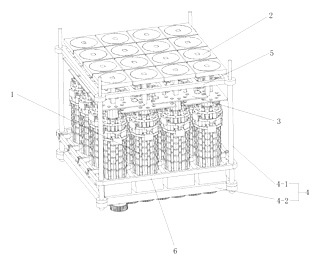
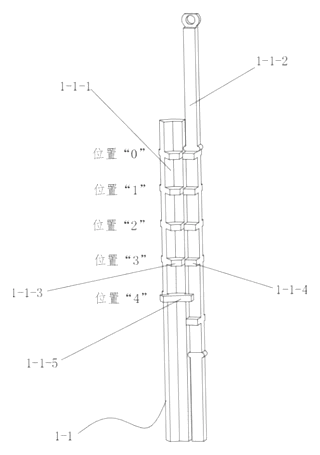
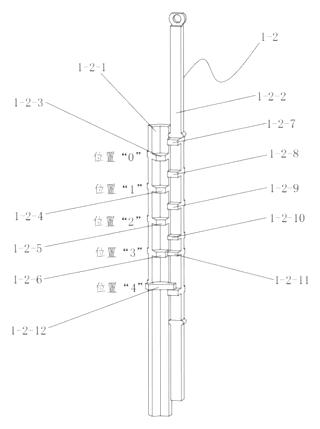
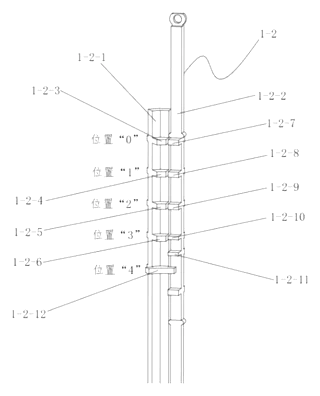
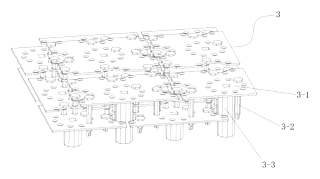
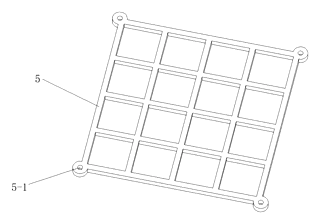
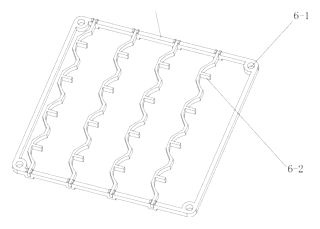
Drawings reproduced from the public patent document for reference.