
Patent CN205354557U
Updated October 25, 2026Thin Outdoor LED Video Wall Cabinet with Magnetic Modules and Tool-Free Locks
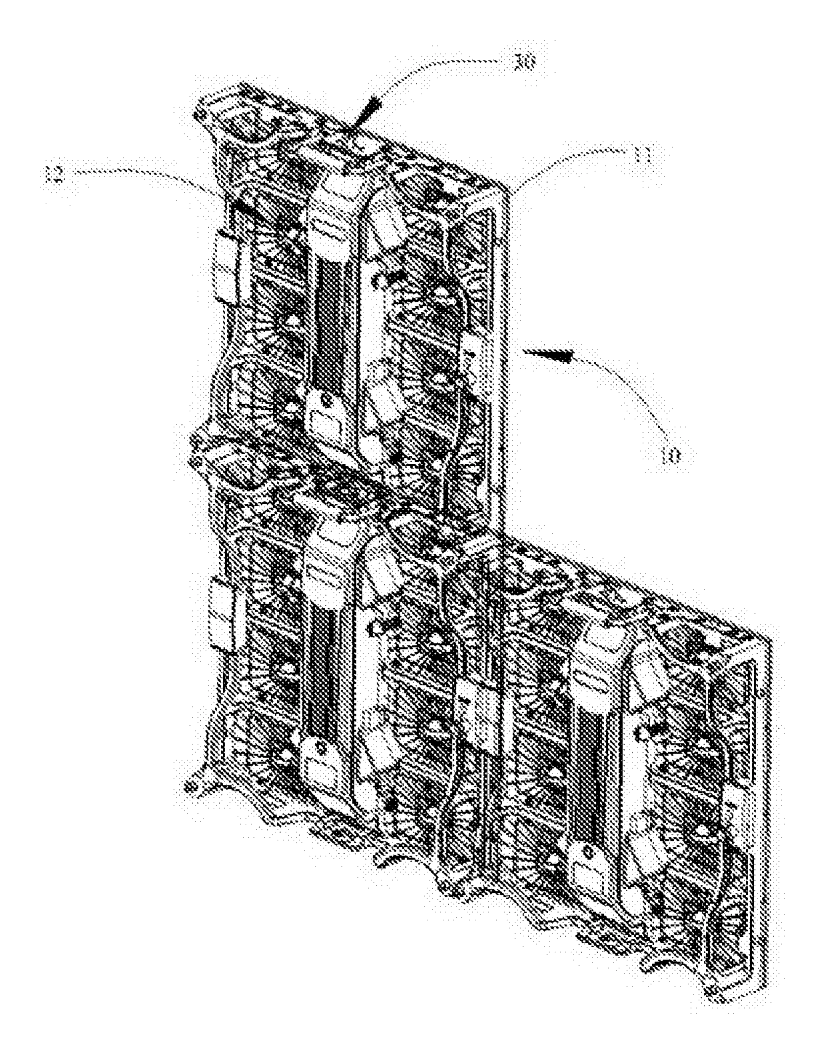
Outdoor LED screens on stadiums, storefronts and rental stages are built from hundreds of cabinets. Traditional cabinets are bent and welded sheet metal: heavy, slow to make, and full of screws that hold the LED modules and can pull them out of flat. In this design the frame carries magnets. Each LED module has an iron rim and simply snaps onto the frame from the front, and the rear body - a radial, finned part that doubles as a heat sink - is held on by magnets at its corners. Neighboring cabinets are joined left and right by turning a lock handle over two half-open grooves, and top to bottom by a turning shaft whose tip hooks into the cabinet above; spring pins line them up.
- China utility model - lapsed
- No filings outside China
- LED video walls & digital signage
- Die-cast aluminum frame, magnets, LED modules
Splat! What let you down?
🧲
Magnetic modules
LED modules with an iron rim snap onto magnets in the frame - no module screws.
🔄
Turn-handle locks
A lock handle joins cabinets side to side; a turning shaft joins them top to bottom.
🌡️
Finned rear body
A radial, hollowed rear body replaces sheet metal and helps the modules shed heat.
📐
Spring-pin alignment
Spring locating pins line cabinets up; the patent gives seams under 0.2 mm.
Bring this product to market
- ✓ Patent vetted China-only family and legal status checked
- 2 Product brief · now How it works, uses and options written up
- 3 Prototype First samples for buyers to review
- 4 Pilot run Small first batch for launch customers
- 5 Volume production Repeat orders at scale
Buyer interest
– of 100 buyers needed to start prototyping
One click, no sign-up. Each vote is one real visitor, and products with the most interest go to prototyping first.
Build team: no members yet. Need a partner, co-funding or skills to build this? Join and we introduce the team once it forms.
The problem
Outdoor LED screens are built from cabinets - boxes that hold the LED modules, power supply and receiving card. According to the patent, traditional cabinets are punched, bent and welded from sheet metal: the process is complex, labor-heavy and slow. Even improved frame cabinets fix modules with many screws, which takes time and can spoil module flatness; their locks need many parts; and heat builds up behind the modules.
The solution
- Each LED unit cabinet (10) has a cabinet frame (11) with magnets built in.
- Each LED module (20) has an iron rim and is held against the inside of the frame by the magnets - pull it off from the front for service.
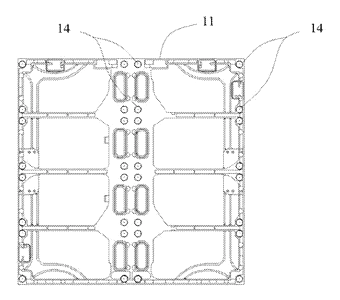
- The rear body (12) is a radial, hollowed structure. Iron blocks (14) at its four corners meet magnets in the frame, so the rear body is also held magnetically. Its fins replace sheet metal and help heat escape.
- The frame’s back side walls are hollowed arc frames, which saves weight.
- Side-to-side joining: each frame side has a half-open groove (16a / 16b). Turning the lock handle (13) covers both grooves of two neighbors and joins them.
- Top-to-bottom joining: a vertical lock (30) has a shaft (31) with a handle (32) at one end and a limiting part (33) at the other; the limiting part passes into the cabinet above and turns to hook it.
- Spring locating pins (15) align cabinets as they are joined.
- A power and signal unit (40) - power supply (41), receiving card and adapter board (42), signal plugs (43), power sockets (44) - is closed by a rear cover (45).
Who it is for
- LED display brands and integrators building outdoor screens for billboards, storefronts and stadiums who want a lighter cabinet with faster service.
- Rental and staging companies that assemble and strip screens for every event and need quick, tool-free joints.
- Digital-signage operators maintaining roadside and building-front screens who want front-access module replacement.
- Sign makers moving into LED who want a cabinet that is easier to handle on site than steel boxes.
How it works
The main parts
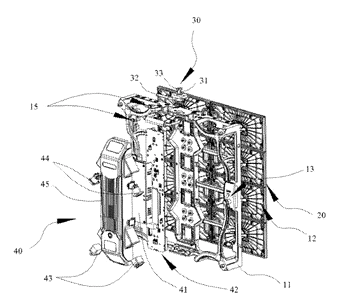
| No. | Part | What it does |
|---|---|---|
| 10 | LED unit cabinet | One building block of the wall. |
| 11 | Cabinet frame | Carries magnets; hollowed arc side walls. |
| 12 | Rear body | Radial, finned back; held on by magnets. |
| 13 | Lock handle | Joins cabinets side to side. |
| 14 | Iron blocks | In the rear body’s corners, meet the frame magnets. |
| 15 | Spring locating pin | Aligns neighboring cabinets. |
| 16a, 16b | Half-open grooves | Engaged by the lock handle. |
| 20 | LED module | Iron-rimmed, held by magnets. |
| 30-33 | Vertical lock | Shaft, handle and hook part that join cabinets top to bottom. |
| 40-45 | Power and signal unit | Power supply, receiving card, plugs, sockets, rear cover. |
Building a wall
- Set the first row of cabinets on the base or truss, aligned by the spring pins.
- Join side to side by turning each lock handle over the neighboring grooves.
- Stack the next row and turn the vertical lock handles to hook into the cabinets above.
- Connect power and signal with the plugs and sockets on each rear cover.
- Snap the LED modules onto the frames from the front; to service one, pull it off and snap in a spare.
Applications
Building-front and storefront screens
Lighter cabinets reduce the load on facades and speed up installation.
Roadside billboards
Front-serviceable magnetic modules let a technician replace a failed module from a lift.
Stadium ribbons and scoreboards
Long runs of cabinets are joined quickly with the turn-handle locks.
Rental and event stages
Crews build and strip screens for each show; tool-free joints save hours.
Transit and campus signage
Outdoor information screens benefit from quick module swaps and passive cooling.
Where it is less suitable
- Ultra-fine-pitch indoor walls - this cabinet is aimed at outdoor screens; indoor fine-pitch products use different module and cabinet standards.
- Coastal or very high-wind sites - magnet holding and sealing must be checked for the site’s wind load and salt exposure.
- Curved or creative shapes - the cabinet is a flat rectangular unit; curves need angled joints.
Frequently asked questions
How are the LED modules held?
Each module has an iron rim and is held against magnets in the cabinet frame. There are no module screws; a module is pulled off from the front and a spare snapped in.
How are cabinets joined?
Side to side, a lock handle is turned over the half-open grooves of two neighbors. Top to bottom, a turning shaft hooks into the cabinet above. Spring pins line them up.
How even are the seams?
The patent says seams can be kept under 0.2 mm with the integrated lock and spring-pin locating. Actual flatness is measured on sample walls.
How does it stay cool?
The rear body is a radial, finned part held on by magnets; the patent says it replaces sheet metal and improves heat dissipation for the modules.
Is it waterproof for outdoor use?
The patent describes an outdoor screen but gives no IP rating. We design the seals and test to the rating your site needs, typically IP65 at the front.
Which pixel pitches can you build?
The cabinet design is independent of pitch; outdoor pitches such as P4 to P10 are matched with suitable modules.
Can this design be made and sold in the US?
The patent was filed only in China and has lapsed, so it does not restrict the design in the US or in China. LED display cabinets may be covered by other US patents - see Patent & Production - so we recommend a freedom-to-operate check before volume production.
Are you affiliated with the patent owner?
No. IP2M is an independent design and manufacturing service working from the public patent document.
Request a quote
Click Request a Quote below to see our email address - copy it, or open your email app with a ready-made message. Please mention patent CN205354557U in the subject.
Helpful details to include:
- Your company and channel (integrator, rental, signage operator, sign maker)
- Screen size and pixel pitch
- Installation (fixed, rental, facade, roadside)
- Service access and electronics preferences
- Estimated quantity and target price
- Timeline - when you would like samples and the first shipment
You can also reach us at (332) 203-9997.
Explore this product
Interested in building this?
Tell us your target market, quantity and timeline. We reply with options for prototyping, small-batch runs or volume production.
Send your inquiry to
Please put CN205354557U in the subject line and tell us your company, country, estimated quantity and timeline.
Prefer to talk? Call (332) 203-9997.
More product-ready patents
All Retail Display patents →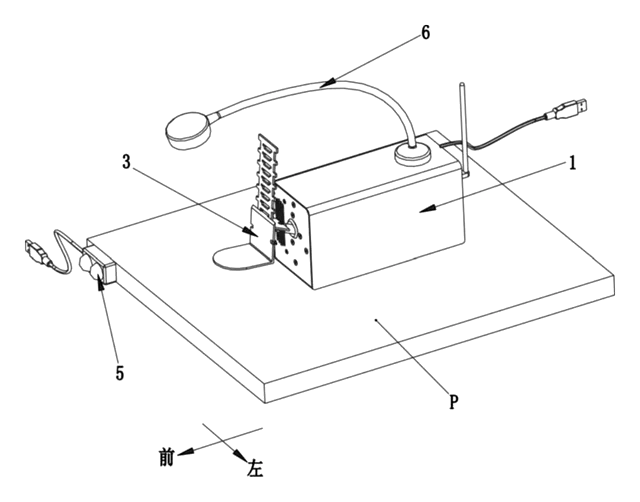
Retail Display
Motorized Shelf Display That Presents a Product to Shoppers
Shelf unit that lifts a product over the price rail toward shoppers when a sensor detects them.
Patent CN215077184U
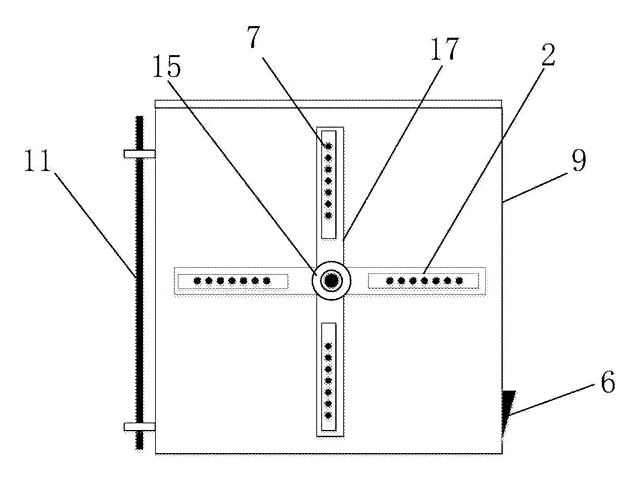
Retail Display
Portable Advertising Light Box with Spinning LED Display
Portable ad box whose spinning LED bars draw images and text; content changes by wireless or USB.
Patent CN207425291U
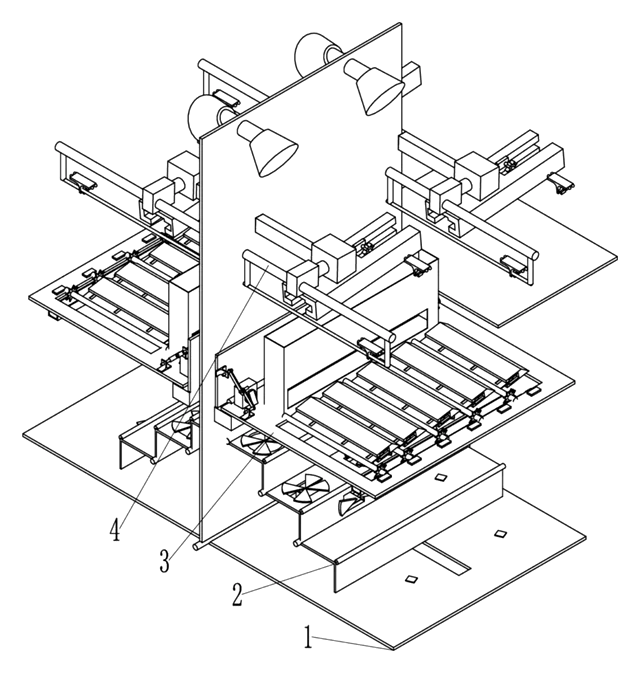
Retail Display
Automated Folding Store Shelf That Pushes Products Up to the Customer
Double-sided shelf for unmanned stores: folding tiers, screw pushers and lift cylinders present stock.
Patent CN109645754B
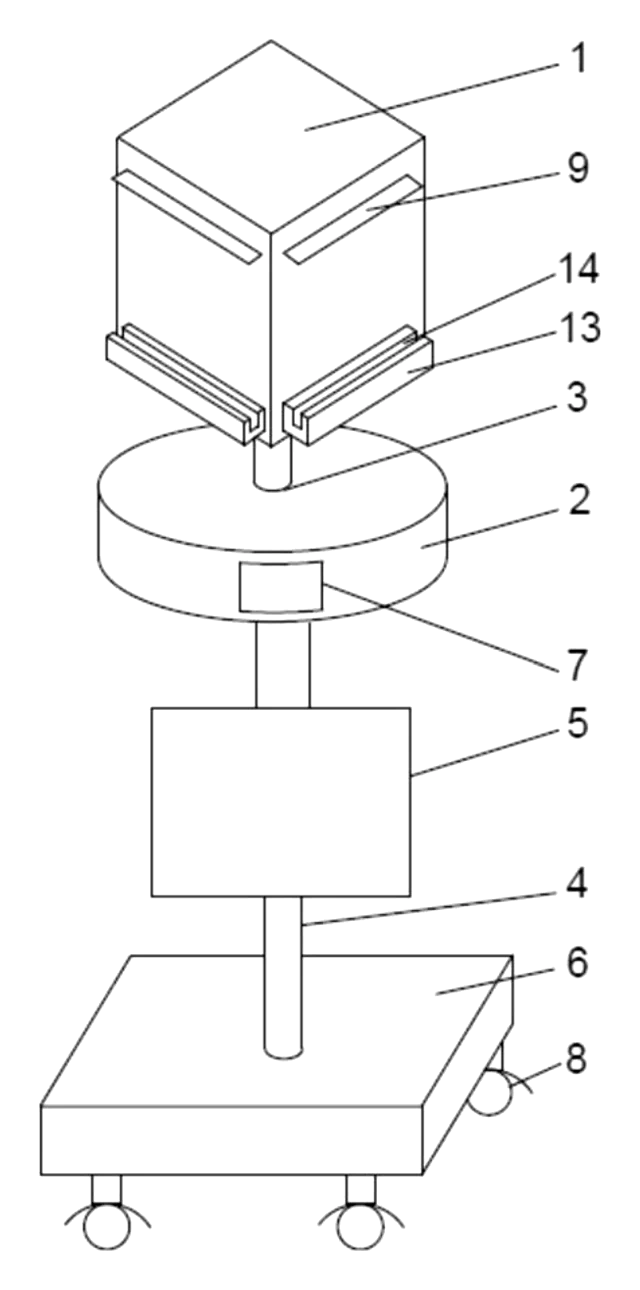
Retail Display
Motorized Rotating Display Pedestal with Lift Column, Info Screen and Clip-On Display Racks
Mobile pedestal: motorized rotating cube with lit faces and racks, electric lift column and info screen.
Patent CN208875862U
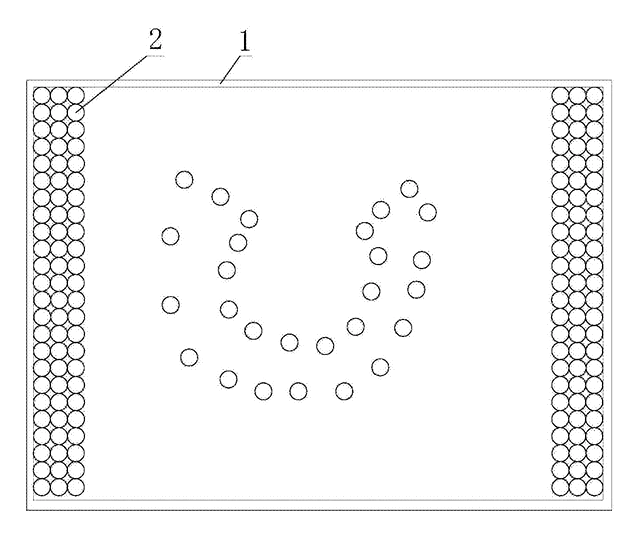
Store & Display
Magnetically Repositionable LED Advertising Panel
LED panel whose lamp beads slide to new positions via an external electromagnet.
Patent CN205487209U
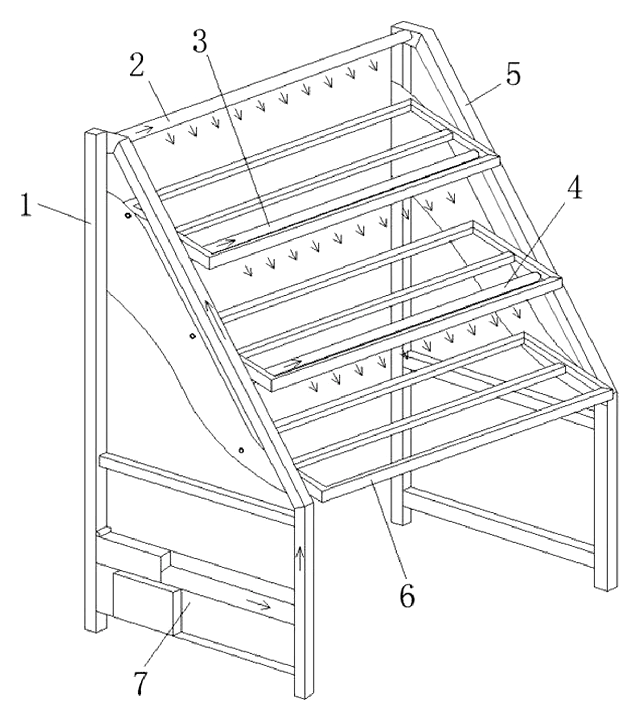
Store & Display
Mist-Cooled Produce Display Rack with Integrated Humidifier
Three-tier produce rack piping ultrasonic mist over each shelf to humidify fruits and vegetables.
Patent CN213640365U
Browse by category
- Apparel & Accessories (22)
- Baby & Kids (16)
- Bags & Luggage (9)
- Bath & Personal Care (16)
- Car Accessories (10)
- Furniture, Bedding & Storage (12)
- Garden & Outdoor (18)
- Health & Wellness (8)
- Home, Kitchen & Cleaning (24)
- Lighting (12)
- Packaging & Containers (6)
- Pet Products (6)
- Phone & Camera Accessories (4)
- Retail Display (13)
- School, Office & Art (19)
- Sports & Recreation (25)
- Tools & Workshop (27)
- Toys & Games (12)
This page is based on the public patent document CN205354557U, assigned to Shenzhen Gloshine Technology Co., Ltd.. IP2M is an independent manufacturing service and is not affiliated with, endorsed by or licensed by the patent owner. Images marked as concept renderings are illustrations, not photos of an existing product. Patent status information is provided for reference only and is not legal advice; confirm freedom to operate for your market before production. Full disclaimer.