
Patent CN205480639U
Updated October 26, 2026Self-Cooling and Self-Cleaning LED Street Light with Rainwater Harvesting
High-power LED street lights generate heat that shortens driver life and attracts dust that blocks the beam. This design solves both problems using only the rain that falls on the fixture itself. A concave panel on the lamp arm funnels rainwater down a pipe into a reservoir hidden inside the pole. When a temperature sensor detects excess heat at the LED board, a controller turns on a pump that circulates the stored water through a radiator mounted behind the LEDs, then returns it to the tank. When a light sensor notices the beam dimming from dust buildup, the controller flips a three-way valve to send pressurized water to a spray nozzle that washes the lampshade. No municipal water line, no maintenance truck rolling out just to wipe a lens.
- China utility model - lapsed
- No filings outside China
- Outdoor & street lighting
- Rainwater harvesting, water-cooled LED radiator, automated lens washing
Splat! What let you down?
💧
Rainwater harvesting
A concave top panel on the lamp arm catches rain and pipes it into a storage tank inside the pole.
❄️
Water-cooled radiator
When a temperature sensor reads high, a pump circulates stored water through a radiator behind the LEDs.
🚿
Automatic lens wash
A light sensor detects dimming from dust; the controller opens a valve to spray the lampshade clean.
🔀
Three-way valve
One pump serves both the cooling loop and the cleaning nozzle by switching flow paths under controller command.
Bring this product to market
- ✓ Patent vetted China-only family and legal status checked
- 2 Product brief · now How it works, uses and options written up
- 3 Prototype First samples for buyers to review
- 4 Pilot run Small first batch for launch customers
- 5 Volume production Repeat orders at scale
Buyer interest
– of 100 buyers needed to start prototyping
One click, no sign-up. Each vote is one real visitor, and products with the most interest go to prototyping first.
Build team: no members yet. Need a partner, co-funding or skills to build this? Join and we introduce the team once it forms.
The problem
High-wattage LED street lamps produce significant thermal load at the diode junction. When the heat sink cannot shed that energy fast enough, the junction temperature rises, accelerating lumen depreciation and shortening the life of the driver electronics. At the same time, outdoor fixtures collect airborne dust, pollen and exhaust residue on the lens. A dirty lampshade scatters the beam and reduces illuminance on the road surface, forcing municipalities to dispatch bucket trucks for manual washing. According to the patent, these two issues—overheating and lens fouling—increase the failure rate of LED street lights and drive up maintenance costs. Conventional air-cooled fins struggle in still, hot summer nights, and connecting a street light to a municipal water supply for active cooling or washing is impractical due to trenching and metering expenses.
The solution
The patent describes an LED street lamp that uses harvested rainwater as both a coolant and a cleaning fluid, eliminating the need for external plumbing.
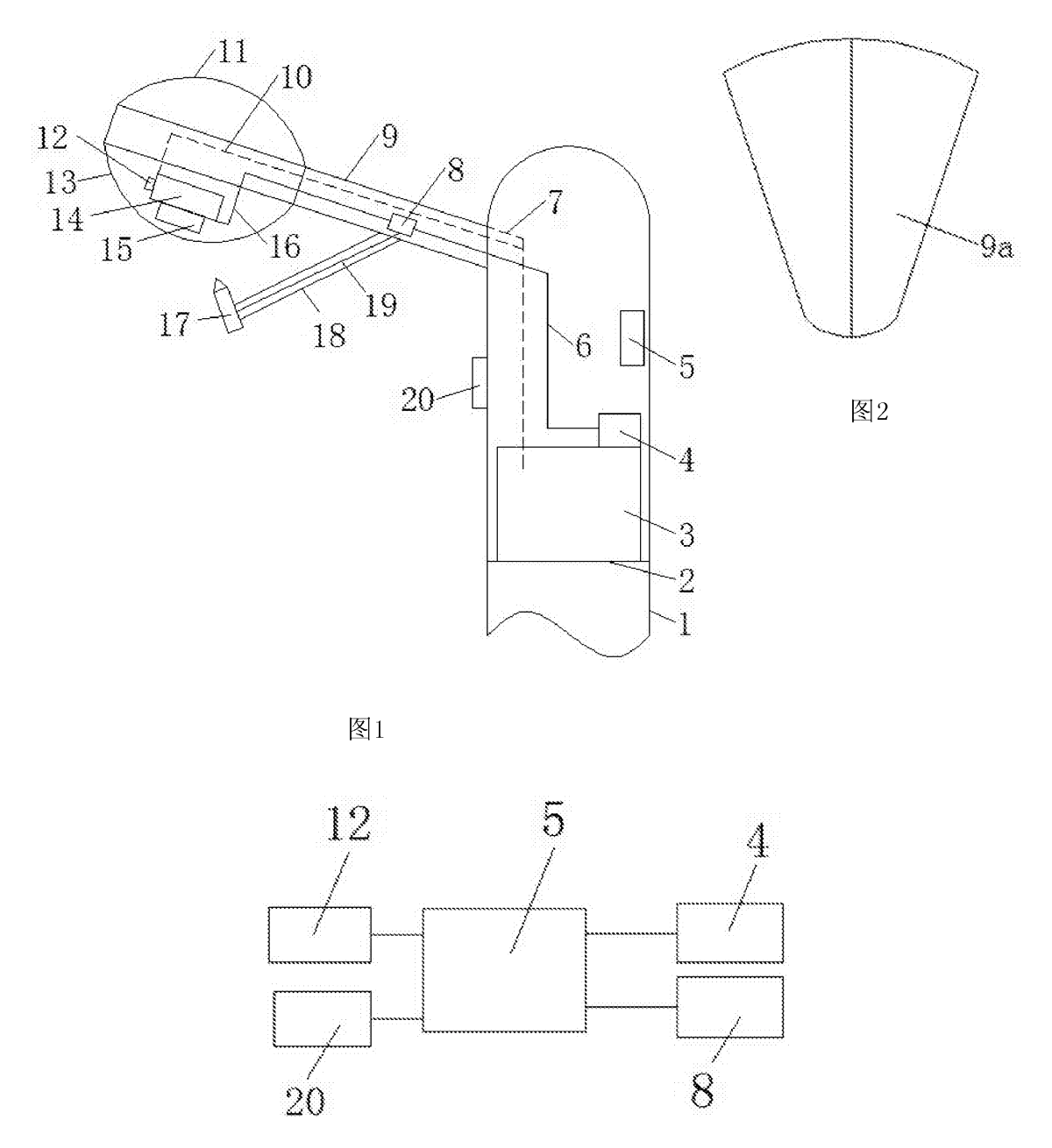
- A rainwater collection unit formed by a concave top panel (9a) on the lamp arm (9) catches precipitation and channels it through pipe one (7) into a water storage unit (3) housed inside the lamp post (1).
- A temperature sensor (12) monitors the LED area. When the reading exceeds a set point, a controller (5) activates a water pump (4) on the storage unit.
- The pump pushes water through an inlet pipe (16) into a water cooling radiator (14) mounted behind the LED (15) inside the lamp body (11), absorbing heat before the water returns via an outlet pipe (10) to the storage unit.
- An illuminance sensor (20) measures the light passing through the lampshade (13). When dust causes the reading to drop, the controller commands a three-way valve (8) to redirect the pump’s output through pipe two (19) to a pressurized spray head (17) mounted on a bracket (18), which sprays water onto the lampshade to wash it clean.
Who it is for
- Municipal public works departments managing large street-light fleets in dusty or hot climates where manual washing crews are expensive to dispatch.
- Lighting contractors and EPC firms bidding on smart-city or green-infrastructure projects that reward water-neutral, low-maintenance designs.
- Industrial park and port operators whose high-mast fixtures accumulate heavy particulate and where downtime for lens cleaning disrupts logistics.
- Outdoor lighting brands looking to add a self-maintaining, water-cooled SKU to their catalog without relying on external water hookups.
How it works
The main parts
| No. | Part | What it does |
|---|---|---|
| 1 | Lamp post | Structural pole; houses the water storage unit inside. |
| 3 | Water storage unit | Reservoir that holds collected rainwater for cooling and cleaning. |
| 4 | Water pump | Pressurizes water from the storage unit and sends it to the radiator or spray head. |
| 5 | Controller | Reads sensor data and switches the pump and three-way valve on or off. |
| 6 | Pipeline three | Connects the three-way valve to the pump inlet. |
| 7 | Pipe one | Carries rainwater from the collection panel down to the storage unit. |
| 8 | Three-way valve | Directs pump output either to the cooling loop or the cleaning nozzle. |
| 9 | Lamp arm | Mounts the lamp body to the post; carries the collection panel and bracket. |
| 9a | Top panel | Concave surface on the lamp arm that acts as the rainwater collection unit. |
| 10 | Outlet pipe | Returns warmed water from the radiator back to the storage unit. |
| 11 | Lamp body | Enclosure holding the lampshade, LEDs, radiator and sensors. |
| 12 | Temperature sensor | Detects heat at the LED to trigger the cooling cycle. |
| 13 | Lampshade | Transparent cover protecting the LEDs; target of the spray wash. |
| 14 | Water cooling radiator | Heat exchanger behind the LEDs through which pumped water flows. |
| 15 | LED | Light source mounted inside the lampshade. |
| 16 | Inlet pipe | Feeds pressurized water from the pump to the radiator. |
| 17 | Pressurized spray head | Nozzle that directs a water jet onto the lampshade for cleaning. |
| 18 | Bracket | Holds the spray head in position on the lamp arm. |
| 19 | Pipe two | Carries water from the three-way valve to the spray head. |
| 20 | Illuminance sensor | Measures light output through the lampshade to detect dust buildup. |
Operating sequence
- Rain collection - Precipitation lands on the concave top panel (9a) of the lamp arm and flows down pipe one (7) into the water storage unit (3) inside the pole.
- Cooling trigger - During operation, the temperature sensor (12) continuously reports the LED junction area temperature to the controller (5). When the value exceeds the programmed threshold, the controller starts the water pump (4).
- Heat removal - The pump draws water through pipeline three (6) and the three-way valve (8) set to the cooling path, pushing it through the inlet pipe (16) into the water cooling radiator (14). The radiator absorbs heat from the LED (15), and the warmed water exits via the outlet pipe (10) back into the storage unit, forming a closed loop.
- Cleaning trigger - The illuminance sensor (20) monitors the brightness passing through the lampshade (13). When accumulated dust lowers the reading below a set point, the controller signals the three-way valve (8) to switch positions.
- Lens wash - With the valve redirected, the pump now forces water through pipe two (19) to the pressurized spray head (17) on the bracket (18). The nozzle sprays a jet across the outer surface of the lampshade, dislodging dust and grime. After a timed interval or once the illuminance sensor confirms restored brightness, the controller shuts off the pump and resets the valve.
Applications
Arid and semi-arid city streets
In regions where rain is infrequent but dust storms coat lenses quickly, the storage tank captures whatever precipitation falls and holds it until the illuminance sensor calls for a wash. This avoids scheduling tanker trucks to rinse fixtures along kilometers of roadway.
High-temperature industrial zones
Steel mills, cement plants and refinery perimeters expose fixtures to extreme ambient heat plus airborne particulate. The water-cooled radiator actively pulls heat away from the LED board during peak afternoon loads, while the spray function removes alkaline or oily dust that passive fins cannot shed.
Coastal and port facilities
Salt-laden air corrodes standard aluminum heat sinks and leaves a crusty film on polycarbonate lenses. Circulating fresh rainwater through the radiator flushes salt deposits internally, and periodic spray washes keep the lens clear without manual scrubbing that risks scratching the cover.
Smart-city pilot corridors
Municipalities deploying connected infrastructure can integrate the controller’s sensor data—temperature readings, pump cycles, illuminance recovery—into a central dashboard. Maintenance teams receive alerts only when the tank is empty or a component fails, rather than following fixed washing schedules.
Highway interchanges and overpasses
Fixtures mounted on tall masts above highway ramps are costly and hazardous to reach with bucket trucks. The self-cleaning loop extends the interval between physical inspections, keeping beam patterns compliant with road-safety standards while traffic flows uninterrupted below.
Where it is less suitable
- Regions with prolonged freezing winters - Standing water in the storage tank, pipes and radiator can freeze and burst unless drain valves or antifreeze loops are engineered into the design.
- Low-wattage residential fixtures - Small porch or pathway lights do not generate enough thermal load to justify a water-cooling circuit or the added weight of a water-filled pole.
- Areas with extremely low annual rainfall - If precipitation never fills the tank, neither the cooling nor the cleaning function can operate without an auxiliary fill port.
Frequently asked questions
Where does the cooling water come from?
The lamp arm has a concave top panel that acts as a catchment surface. Rain falling on this panel drains through a pipe into a storage reservoir concealed inside the lamp post. No connection to a municipal water main is required.
How does the fixture decide when to cool the LEDs?
A temperature sensor mounted near the LED board continuously feeds data to the controller. When the reading crosses a preset threshold, the controller energizes the pump, circulating stored water through the radiator behind the LEDs and returning it to the tank.
What triggers the lens-cleaning spray?
An illuminance sensor monitors the light passing through the lampshade. Dust and grime reduce the measured brightness. Once the signal drops below a calibrated level, the controller switches the three-way valve to route pressurized water to the spray nozzle aimed at the lens.
Can the cooling and cleaning functions run at the same time?
The patent describes a single pump and a three-way valve that selects between the radiator inlet pipe and the spray pipe. The controller governs the valve position, so the two modes operate sequentially rather than simultaneously, ensuring full pressure is available for whichever task is active.
What happens if the tank runs dry?
If the storage unit lacks sufficient water, the pump cannot build pressure. In practice, the controller firmware would need to monitor tank level—via a float switch or pressure transducer—and inhibit the pump to prevent dry-running damage. Tank capacity is sized during design based on local rainfall data.
Is the water recirculated or discarded after spraying?
The cooling loop is closed: water passes through the radiator and returns to the tank. The spray wash expels water onto the lampshade, where it drips to the ground. Over time, repeated wash cycles deplete the reservoir, which refills during the next rainfall.
Does the water inside the pole cause corrosion?
The storage unit must be constructed or lined with corrosion-resistant materials such as stainless steel, HDPE or coated aluminum. The patent focuses on the functional layout; material selection for longevity is addressed during the engineering phase.
Can this design be made and sold in the US?
The patent was filed only in China and has lapsed, so it does not restrict the design in the US or in China. Liquid-cooled LED luminaires and automated outdoor-lighting maintenance systems may be covered by other US patents - see Patent & Production - so we recommend a freedom-to-operate check before volume production.
Are you affiliated with the patent owner?
No. IP2M is an independent design and manufacturing service working from the public patent document.
Request a quote
Click Request a Quote below to see our email address - copy it, or open your email app with a ready-made message. Please mention patent CN205480639U in the subject.
Helpful details to include:
- Your company and channel (municipality, lighting brand, EPC contractor, industrial facility operator)
- Pole height and LED wattage
- Local climate data - average annual rainfall, peak summer temperatures, dust or pollution levels
- Desired tank capacity or autonomy days between rain events
- Certification requirements - UL listing, FCC, dark-sky compliance
- Estimated quantity and target price
- Timeline - when you would like prototypes and the first production batch
You can also reach us at (332) 203-9997.
Explore this product
Interested in building this?
Tell us your target market, quantity and timeline. We reply with options for prototyping, small-batch runs or volume production.
Send your inquiry to
Please put CN205480639U in the subject line and tell us your company, country, estimated quantity and timeline.
Prefer to talk? Call (332) 203-9997.
More product-ready patents
All Lighting patents →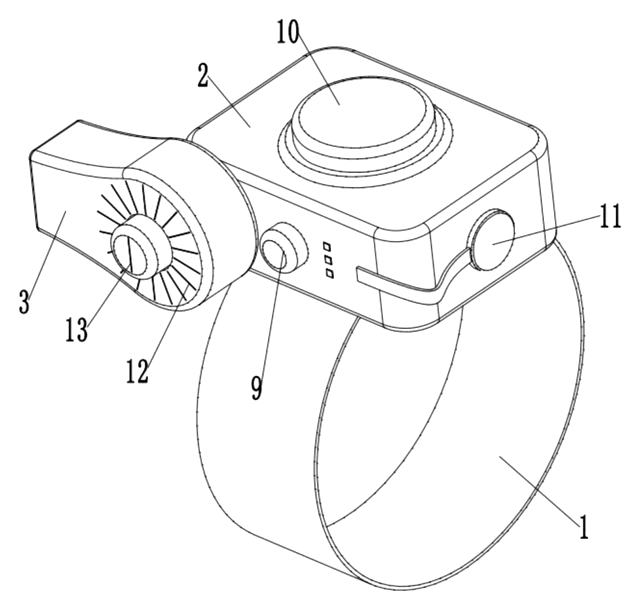
Lighting
Wrist-Worn Flashlight with Click-Lock Angle Adjustment
Rechargeable wrist flashlight whose lamp turns and locks at an angle with a push button.
Patent CN113915544B
Lighting
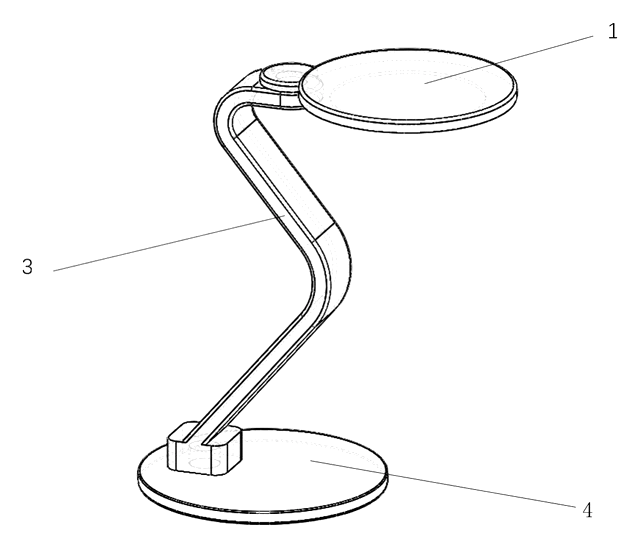
Self-Folding Desk Lamp That Turns into a Phone Stand
Desk lamp with a shape-memory stem that unfolds when warm and folds into a phone stand.
Patent CN213237087U
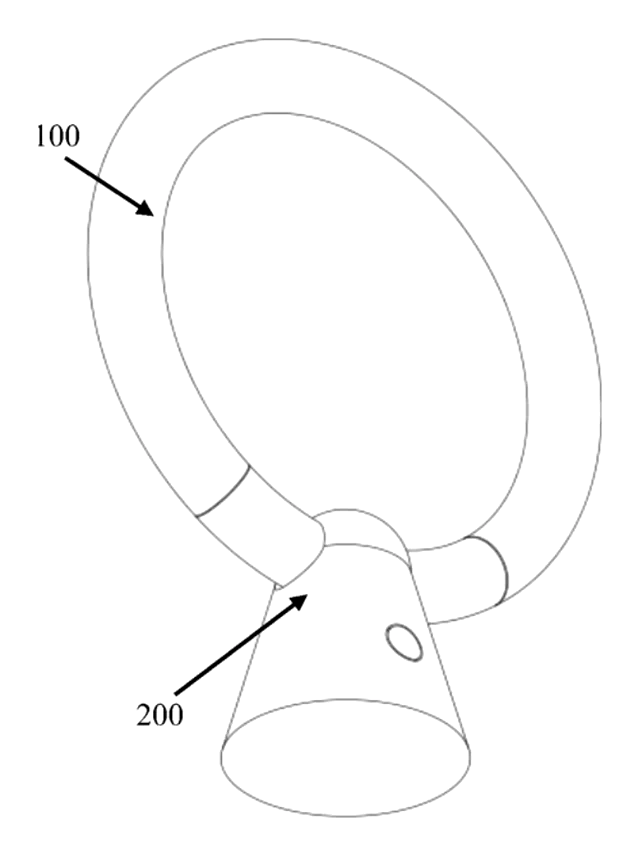
Lighting
Ring-Shaped Outdoor Lantern That Lifts Off a Power-Bank Charging Base
Ring lantern with a battery handle that docks in a cone base with its own battery, clamp and charging plug.
Patent CN212408329U
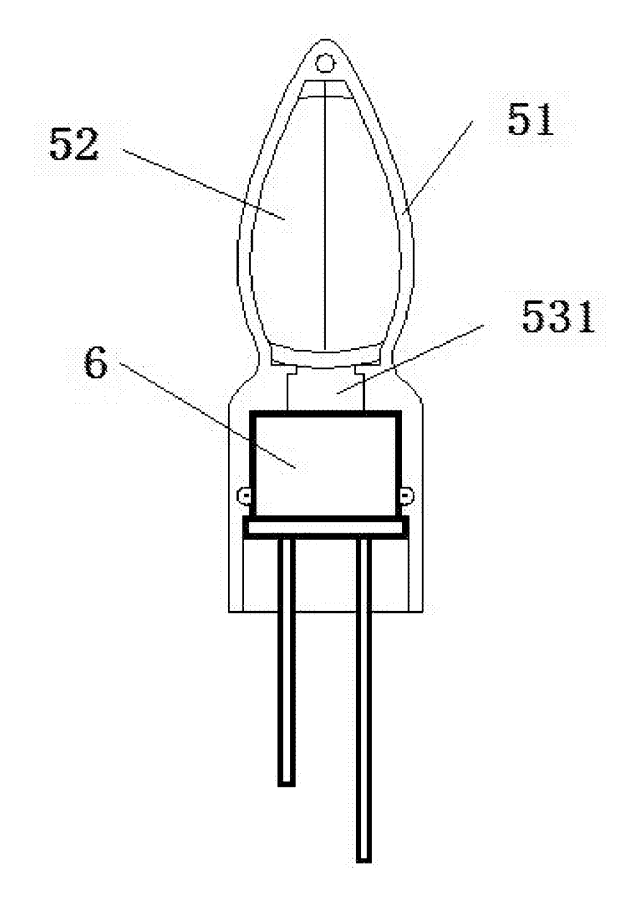
Lighting
LED Flameless Candle with an Outside Flame Shade and Wax Dish Top
Battery LED candle: flame shade stands above a dished wax top, angled LEDs light a printed wick.
Patent CN205424561U
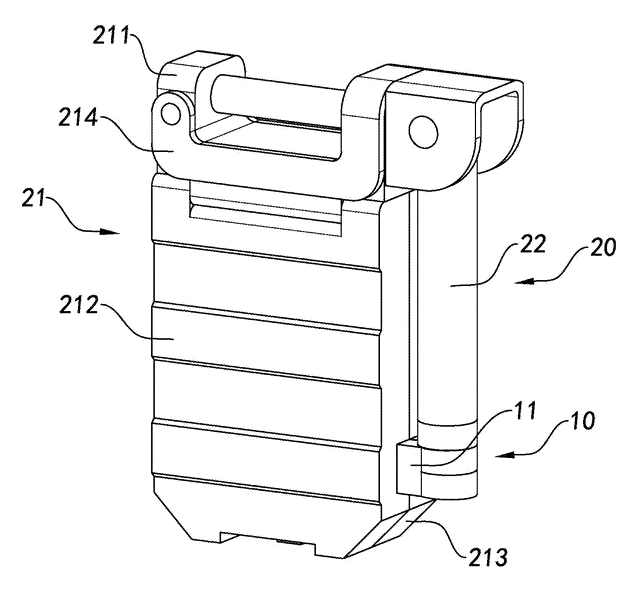
Lighting
Telescoping Tripod Portable Work Light with Fold-In Light Panels
Telescoping tripod work light with dual light panels that fold flat into the base.
Patent CN207298471U
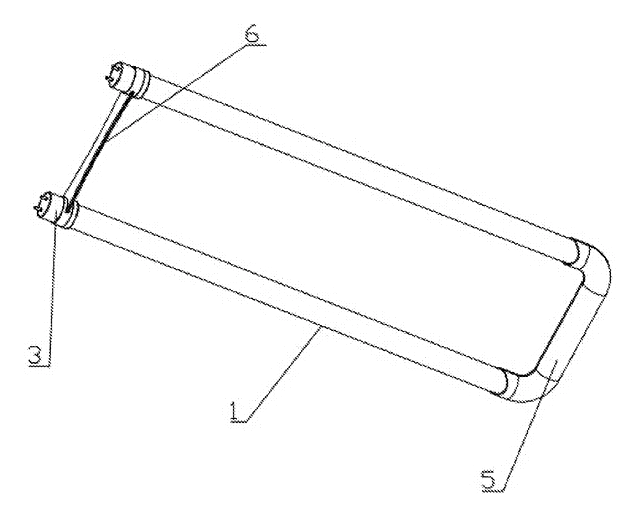
Lighting
U-Shaped LED Fluorescent Lamp with a Soft Substrate and Rear Support Frame
U-shaped LED lamp: a soft substrate bends around a positioning column in the support frame.
Patent CN205447315U
Browse by category
- Apparel & Accessories (22)
- Baby & Kids (16)
- Bags & Luggage (9)
- Bath & Personal Care (16)
- Car Accessories (10)
- Furniture, Bedding & Storage (12)
- Garden & Outdoor (18)
- Health & Wellness (8)
- Home, Kitchen & Cleaning (24)
- Lighting (12)
- Packaging & Containers (6)
- Pet Products (6)
- Phone & Camera Accessories (4)
- Retail Display (13)
- School, Office & Art (19)
- Sports & Recreation (25)
- Tools & Workshop (27)
- Toys & Games (12)
This page is based on the public patent document CN205480639U, assigned to Quzhou College of Technology. IP2M is an independent manufacturing service and is not affiliated with, endorsed by or licensed by the patent owner. Images marked as concept renderings are illustrations, not photos of an existing product. Patent status information is provided for reference only and is not legal advice; confirm freedom to operate for your market before production. Full disclaimer.