
Patent CN205492908U
Updated October 27, 2026Automatic Hair Curler with Sloped Guide Slot and Rotating Toggle Piece
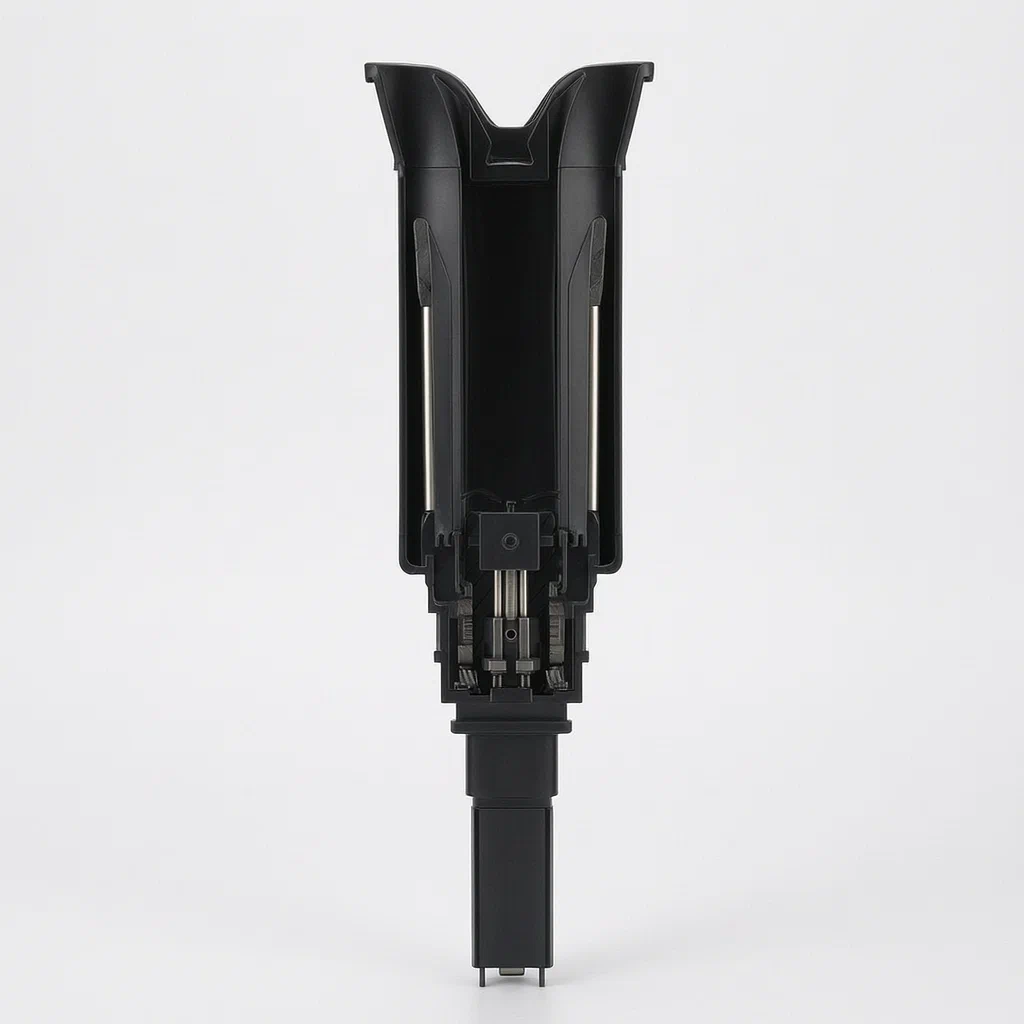
Manual curling irons require practice to wrap hair evenly, and strands often slip or tangle near the heated barrel. This automatic hair curler solves that by using a motor-driven toggle piece inside a slotted housing. You place a strand through one of two opposed notches at the top of the housing. Inside, a sloped chute on the cover above the heating rod guides the hair downward. A clicking section on the rotating toggle piece catches the strand and winds it around the heating rod as the motor turns. The clearance fit between the toggle and the rod keeps the motion smooth, reducing the chance of hair getting stuck. The geometry of the chute—sloping from the first notch side down toward the second notch side, with its highest point lower than the bottom of the first notch and its lowest point higher than the bottom of the second notch—controls how the hair feeds into the curling chamber.
- China utility model - expired
- No filings outside China
- Personal care & hair styling
- Motor-driven toggle, heating rod, sloped chute cover
Splat! What let you down?
⚙️
Motor-driven rotation
A motor in the handle turns the toggle piece via gears and a mounting shaft to wrap hair automatically.
📐
Sloped guide chute
A chute on the cover slopes downward from the first notch to the second, feeding hair smoothly into the chamber.
🔄
Clearance-fit toggle
The toggle piece fits around the heating rod with clearance, allowing free rotation without binding.
✂️
Dual entry notches
Two opposed notches on the housing let users feed hair from either side of the curling head.
Bring this product to market
- ✓ Patent vetted China-only family and legal status checked
- 2 Product brief · now How it works, uses and options written up
- 3 Prototype First samples for buyers to review
- 4 Pilot run Small first batch for launch customers
- 5 Volume production Repeat orders at scale
Buyer interest
– of 100 buyers needed to start prototyping
One click, no sign-up. Each vote is one real visitor, and products with the most interest go to prototyping first.
Build team: no members yet. Need a partner, co-funding or skills to build this? Join and we introduce the team once it forms.
The problem
Wrapping hair around a manual curling iron takes practice. Strands can slip off the barrel, twist unevenly, or tangle when fed too close to the heat source. Users who lack experience often struggle to maintain consistent tension, resulting in loose or irregular curls. Furthermore, pulling tangled hair away from a hot barrel carries a risk of burns or breakage. Devices that attempt to automate this process sometimes jam if the hair is not guided precisely into the winding mechanism.
The solution
This design uses a motor-driven toggle piece housed inside a slotted casing to draw hair around a central heating rod.
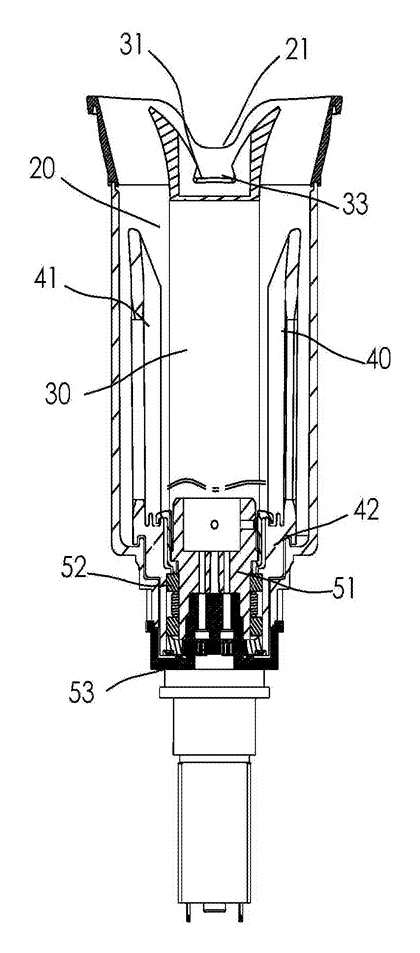
- A housing surrounds the heating rod, leaving an opening at the top end. Two notches—a first notch and a second notch—are formed on opposite sides of the housing, extending downward from the top edge.
- A cover sits on top of the heating rod. Its upper surface features a sloped chute that declines gradually from the side near the first notch toward the side near the second notch. The highest point of this chute is set lower than the lowest point of the first notch, while the lowest point of the chute remains higher than the lowest point of the second notch.
- A toggle piece is installed between the housing and the heating rod. It fits with clearance around the rod and rotates along the rod’s central axis.
- A clicking section on the toggle piece catches the hair strand placed through the notch.
- A driving device inside the handle powers the rotation, winding the hair evenly around the heating rod within the curling chamber.
Who it is for
- Personal care appliance brands looking to add an automatic styling tool to their product lineup without developing the winding mechanism from scratch.
- Amazon sellers and e-commerce retailers sourcing hair styling devices that offer a distinct mechanical advantage over standard wands for online listings.
- Professional salon equipment suppliers providing stylists with tools that speed up the curling process during back-to-back appointments.
- Wholesalers of beauty electronics seeking unbranded or white-label designs that can be manufactured with custom outer shells and colorways.
How it works
The main parts
| No. | Part | What it does |
|---|---|---|
| 1 | Handle | Houses the motor and provides a grip for the user. |
| 2 | Heating rod | Provides the heat required to set the curl. |
| 3 | Housing | Surrounds the heating rod; contains the first and second notches for hair entry. |
| 4 | Toggle piece | Rotates around the heating rod to wind the hair; includes the clicking section. |
| 5 | Cover | Sits atop the heating rod and contains the sloped chute. |
| 6 | Sloped chute | Guides the hair downward into the curling chamber based on its specific height geometry. |
| 7 | Driving device | Motor, mounting shaft, bearing, and gears that transfer power from the handle to the toggle piece. |
| 8 | Clicking section | A projection on the toggle sidewall that catches the hair strand. |
Operating steps
- Power on the device to heat the rod and activate the driving device.
- Insert a strand of hair through either the first notch or the second notch at the top of the housing.
- The hair slides along the sloped chute on the cover, which directs it downward due to the declining profile from the first notch side to the second notch side.
- The clicking section on the toggle piece engages the hair strand.
- The motor in the handle turns the mounting shaft, which drives the gears connected to the toggle piece.
- The toggle piece rotates around the heating rod, winding the hair evenly inside the space between the toggle’s inner surface and the rod’s outer surface.
- Once the curl is set by the heat, the rotation stops or reverses, allowing the user to release the styled strand.
Applications
Home styling routines
Consumers who style their own hair at home benefit from the automated winding process. The dual notches allow easy feeding of hair from either side of the head, and the sloped chute prevents the strand from slipping out before the toggle catches it. This reduces the time spent manually wrapping sections around a hot barrel.
Professional salon use
Stylists working through multiple clients need consistent results quickly. The motor-driven toggle ensures each section of hair is wound with uniform tension. The clearance fit between the toggle and the heating rod allows continuous operation without the mechanism binding during a busy workday.
Travel and portable kits
Compact personal care appliances are frequently packed for travel. Because the driving device and motor are integrated directly into the handle, the curling head remains relatively contained. Users do not need extra clips or accessories to hold the hair against the barrel while it heats.
Beauty subscription boxes
Retailers assembling curated beauty boxes look for functional tools with clear mechanical differences from standard irons. The visible sloped chute and dual-entry housing provide a distinct visual feature. The automatic winding function serves as a primary selling point for product demonstrations.
Where it is less suitable
- Very thick or coarse hair types - the clearance gap between the toggle piece and the heating rod is sized to be confirmed in design; extremely thick strands may require wider tolerances or higher torque motors.
- Wet hair styling - the patent describes a heating rod and electrical motor; combining water and mains-powered heating elements requires separate safety engineering not detailed here.
- Flat ironing or straightening - this mechanism is built specifically for wrapping hair cylindrically around a rod, not for clamping hair flat between plates.
Frequently asked questions
How does the sloped chute prevent hair from jamming?
The chute on the cover slopes downward from the first notch toward the second notch. Its highest point is lower than the bottom of the first notch, and its lowest point is higher than the bottom of the second notch. This specific geometry guides the hair strand smoothly into the curling chamber rather than letting it bunch up against the top of the housing.
What drives the toggle piece?
A motor located inside the handle turns a mounting shaft. Gears connect the motor’s rotary shaft to the toggle piece synchronously, causing the toggle to rotate around the central axis of the heating rod.
Does it work for both left-handed and right-handed users?
The housing features two notches—the first notch and the second notch—arranged on opposite sides. This allows hair to be fed into the curling chamber from either direction, accommodating different holding angles.
How hot does the heating rod get?
The patent describes a heating rod but does not list specific temperatures. Maximum heat settings and control ranges are set in design and confirmed on prototypes to match the intended hair type.
What catches the hair to start the curl?
A clicking section, formed by a projection on the sidewall of the toggle piece’s plectrum, engages the hair strand once it passes through the notch and slides down the chute. The height of this clicking section is positioned between the highest point of the chute and the lowest point of the second notch.
Is there a spring inside the curling chamber?
The patent mentions a positioning elastic part located on the inner wall of the plectrum. Its exact material and tension are set in design and confirmed on prototypes.
Can this design be made and sold in the US?
The patent was filed only in China and has expired, so it does not restrict the design in the US or in China. Automatic hair curlers may be covered by other US patents - see Patent & Production - so we recommend a freedom-to-operate check before volume production.
Are you affiliated with the patent owner?
No. IP2M is an independent design and manufacturing service working from the public patent document.
Request a quote
Click Request a Quote below to see our email address - copy it, or open your email app with a ready-made message. Please mention patent CN205492908U in the subject.
Helpful details to include:
- Your company and channel (personal care brand, Amazon seller, salon supplier, wholesaler)
- Target hair types and desired heating rod dimensions
- Motor speed preferences and battery vs. corded power requirements
- Housing colors and material finishes
- Estimated quantity and target price
- Timeline - when you would like samples and the first shipment
You can also reach us at (332) 203-9997.
Explore this product
Interested in building this?
Tell us your target market, quantity and timeline. We reply with options for prototyping, small-batch runs or volume production.
Send your inquiry to
Please put CN205492908U in the subject line and tell us your company, country, estimated quantity and timeline.
Prefer to talk? Call (332) 203-9997.
More product-ready patents
All Bath & Personal Care patents →
Bath & Personal Care
Foot-Pedal Soap & Sanitizer Dispenser Stand
Hands-free, battery-free dispenser stand - step on a pedal to press the pump of any soap or sanitizer bottle.
Patent CN207461995U
Bath & Personal Care
Ear-Shaped Mask Strap Guard with Tension Adjuster
Ear-shaped silicone guard and strap-length adjuster that make ear-loop masks comfortable to wear for long hours.
Patent CN205456233U
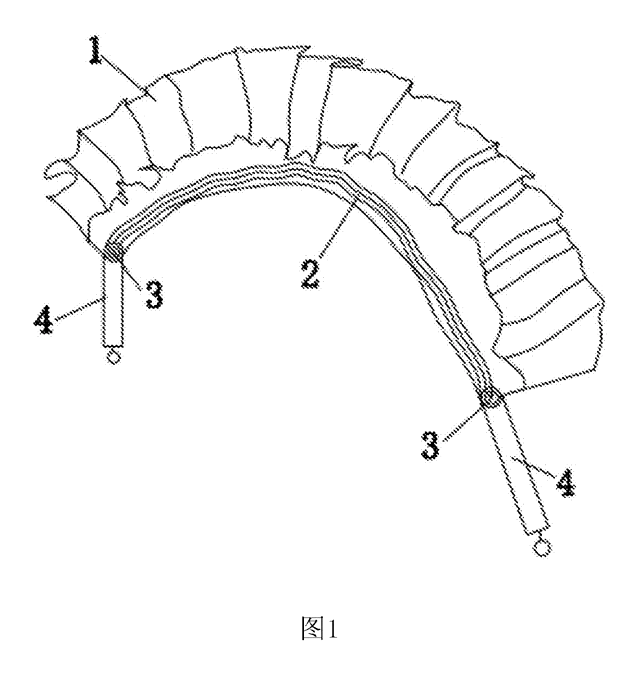
Bath & Personal Care
Adjustable-Length Back Scrubber Strap with Push-Button Handles
Back-scrubber strap with push-button handles that set its length and a spring that keeps it taut.
Patent CN207041452U
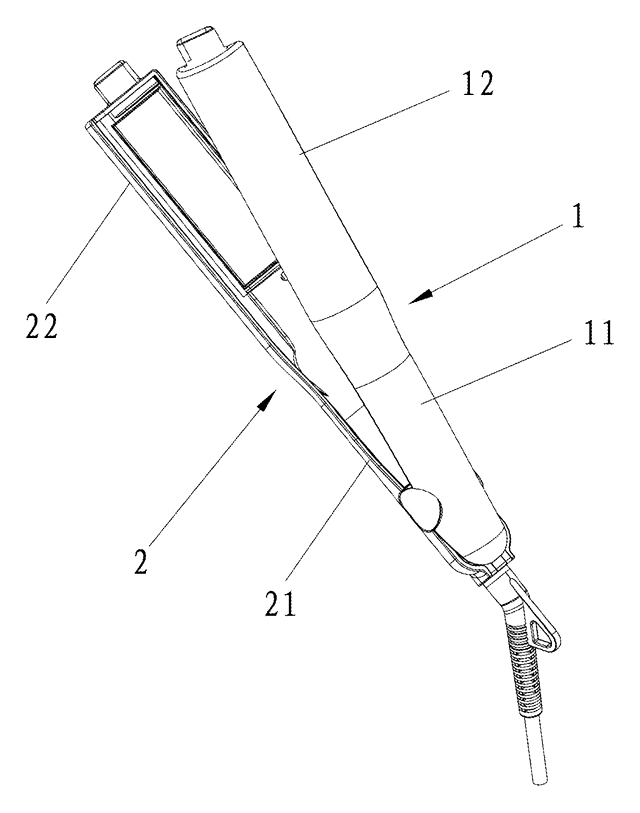
Bath & Personal Care
Angled-Plate Hair Straightener
Flat iron with plates twisted 45-75° to the handle, a curling groove and rubber-capped tips.
Patent CN206137462U
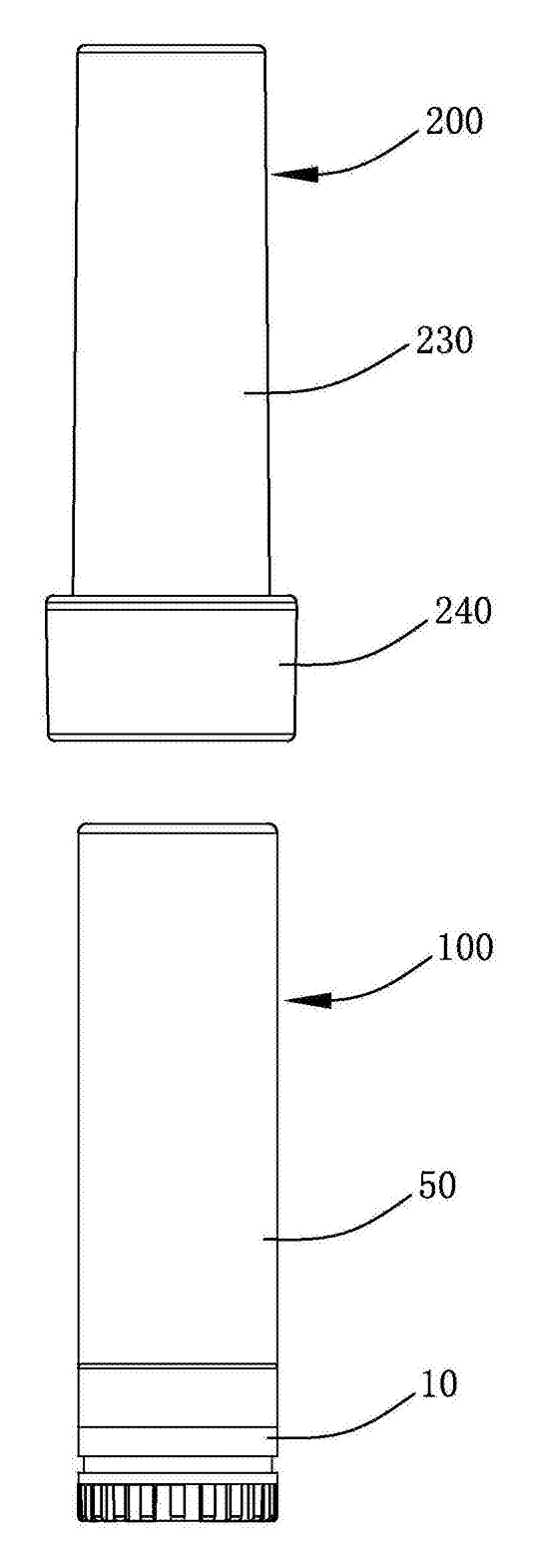
Bath & Personal Care
Refillable Lipstick Case with Sealed Snap-In Refill Pods
Reusable twist-up lipstick case; sealed refill pods unlock at the top of the stroke for shade swaps.
Patent CN206909979U
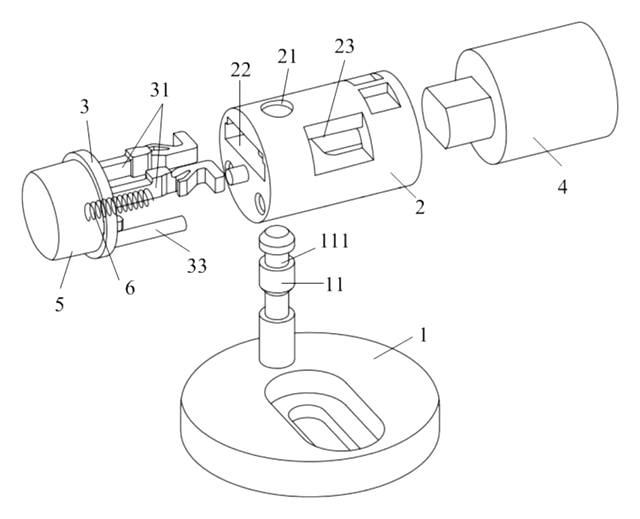
Bath & Personal Care
Quick-Release Toilet Seat Hinge with a Push-Button Two-Strip Latch
Toilet seat hinge: drop the shaft onto a grooved post to lock; one push parks the latch open to lift it off.
Patent CN210370292U
Browse by category
- Apparel & Accessories (22)
- Baby & Kids (16)
- Bags & Luggage (9)
- Bath & Personal Care (16)
- Car Accessories (10)
- Furniture, Bedding & Storage (12)
- Garden & Outdoor (18)
- Health & Wellness (8)
- Home, Kitchen & Cleaning (24)
- Lighting (12)
- Packaging & Containers (6)
- Pet Products (6)
- Phone & Camera Accessories (4)
- Retail Display (13)
- School, Office & Art (19)
- Sports & Recreation (25)
- Tools & Workshop (27)
- Toys & Games (12)
This page is based on the public patent document CN205492908U, assigned to Shenzhen Fenda Technology Co Ltd. IP2M is an independent manufacturing service and is not affiliated with, endorsed by or licensed by the patent owner. Images marked as concept renderings are illustrations, not photos of an existing product. Patent status information is provided for reference only and is not legal advice; confirm freedom to operate for your market before production. Full disclaimer.