
Patent CN205696818U
Updated October 29, 2026Adjustable Sponge Mattress with Interchangeable Zone Inserts
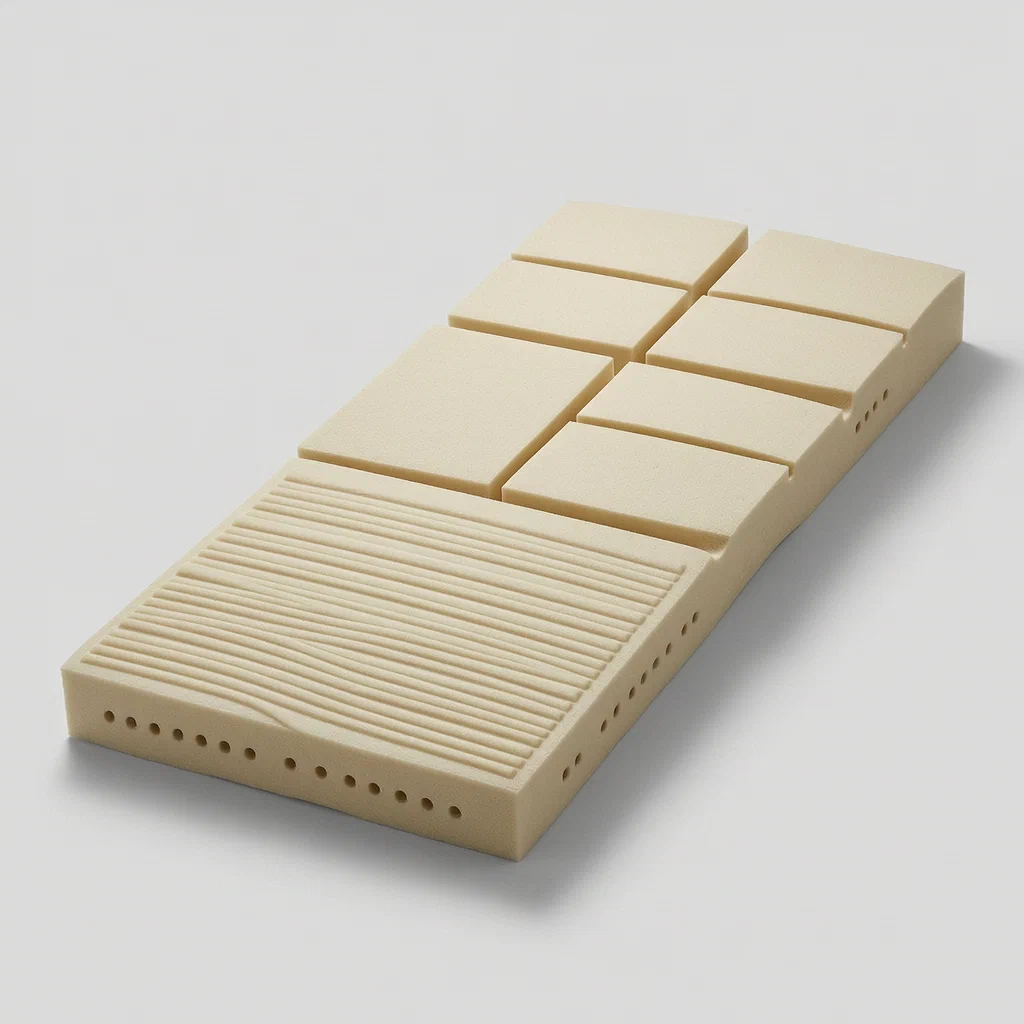
Standard foam mattresses offer one firmness level across the entire surface, which rarely matches every sleeper's shoulder and hip pressure needs. This adjustable sponge mattress solves that by dividing the sleeping surface into three distinct zones: shoulder-back, waist-hip, and leg. Inside the shoulder-back and waist-hip zones, transverse grooves run entirely through the mattress body. Each groove holds two identical-sized sponge blocks that can be pulled out and replaced by hand without any tools. By choosing blocks of different softness, buyers or end users set the exact support they need. On a double bed, each side of the shoulder and waist-hip zones can hold different blocks for two sleepers. The leg zone features anti-slip grooves, and air vents run through the mattress body to allow airflow.
- China utility model - lapsed
- No filings outside China
- Bedding & furniture
- Sponge / polyurethane foam
Splat! What let you down?
🧩
Swappable inserts
Shoulder and hip zones hold removable sponge blocks of varying softness for manual adjustment.
↔️
Transverse grooves
Embedding grooves extend entirely across the mattress width, allowing full-zone customization.
🛏️
Dual-sleeper ready
On a double bed, each person's shoulder and hip zones can use different block combinations.
💨
Built-in ventilation
Air vents are provided within the mattress body to promote airflow.
Bring this product to market
- ✓ Patent vetted China-only family and legal status checked
- 2 Product brief · now How it works, uses and options written up
- 3 Prototype First samples for buyers to review
- 4 Pilot run Small first batch for launch customers
- 5 Volume production Repeat orders at scale
Buyer interest
– of 100 buyers needed to start prototyping
One click, no sign-up. Each vote is one real visitor, and products with the most interest go to prototyping first.
Build team: no members yet. Need a partner, co-funding or skills to build this? Join and we introduce the team once it forms.
The problem
Most foam mattresses are built from a single slab or permanently glued layers, offering one fixed firmness profile. When a sleeper’s shoulders or hips require softer or firmer support than the rest of the body, the mattress cannot adapt. Couples sharing a bed often have different weight distributions and comfort preferences, but standard designs force both sides to share the same feel. Replacing an entire mattress to adjust firmness is costly and wasteful, while adding thick toppers alters the bed height and can shift during the night.
The solution
This design divides the mattress body into three specific areas corresponding to how a human body sprawls: a shoulder-back zone (Jian Bei district), a waist-hip zone (Yao Tun district), and a leg subregion.
- Shoulder-back zone: An embedding groove A is formed inward in the mattress body. This groove extends transversely all the way through the mattress. Two sponge blocks, A and C, which are identical in size and coordinated with groove A, are inlaid inside it.
- Waist-hip zone: An embedding groove B is formed inward in the mattress body, also extending transversely through the mattress. Two identical-sized sponge blocks, B and D, coordinated with groove B, are inlaid here.
- Manual selection: Users choose sponge blocks of different softness levels based on their body requirements. The blocks are swapped manually by pulling them out of the transverse grooves and pushing new ones in.
- Double bed configuration: For a double bed, the shoulder-back and waist-hip zones can be measured and configured separately for two people, using different block softness combinations on the left and right sides.
- Leg zone and airflow: The leg section includes a plurality of anti-slip grooves to keep bedding or feet in place, and the mattress body is provided with air vents.
Who it is for
- Mattress brands and private-label sellers looking to offer a customizable foam product line where customers choose their own firmness zones at home.
- Amazon and e-commerce bedding retailers needing a compressed, modular mattress concept that reduces returns caused by incorrect firmness expectations.
- Hospitality and hotel procurement managers who want to adjust bed firmness between guests by simply swapping internal blocks rather than replacing entire mattresses.
- Wholesalers supplying orthopedic or ergonomic shops where staff recommend specific support levels for the shoulder and hip regions based on customer feedback.
How it works
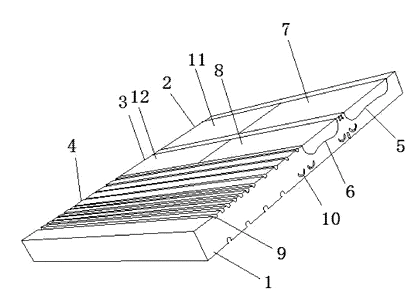
The main parts
| No. | Part | What it does |
|---|---|---|
| 1 | Mattress body | The main sponge structure divided into shoulder-back, waist-hip, and leg zones. |
| 2 | Embedding groove A | Transverse cavity in the shoulder-back zone running entirely through the mattress width. |
| 3 | Embedding groove B | Transverse cavity in the waist-hip zone running entirely through the mattress width. |
| 4 | Sponge block A & C | Identical-sized inserts for groove A; chosen for desired softness. |
| 5 | Sponge block B & D | Identical-sized inserts for groove B; chosen for desired softness. |
| 6 | Anti-slip grooves | Plurality of grooves located in the leg section district. |
| 7 | Air vents | Openings provided within the mattress body for ventilation. |
Operating steps
- Identify the required firmness. Determine the softness needed for the shoulder-back and waist-hip zones based on the sleeper’s body.
- Remove existing blocks. Pull sponge blocks A, C, B, or D out of embedding groove A and embedding groove B by hand. Because the grooves extend transversely through the mattress body, the blocks slide out easily.
- Insert selected blocks. Push the replacement sponge blocks of the chosen softness into the corresponding grooves until they sit flush. Blocks A and C must match in size for groove A; blocks B and D must match for groove B.
- Configure dual sides (if applicable). On a double bed, repeat the process independently for the left and right portions of the transverse grooves so each sleeper gets their preferred support.
Applications
E-commerce mattress-in-a-box retail
Online mattress shoppers frequently return products because the firmness feels wrong after a few nights. Brands selling this adjustable design ship the mattress body along with several sets of sponge blocks of varying softness. If the shoulder zone feels too hard, the customer simply pulls out blocks A and C through the transverse groove and pushes in softer replacements, eliminating the cost of a full return.
Hotel housekeeping and guest services
Hotels receive frequent requests for firmer or softer beds. Housekeeping staff can unzip the mattress cover and swap the sponge blocks in the waist-hip or shoulder-back zones between guest stays. This allows the property to customize the sleep surface per room without maintaining an inventory of entirely different mattress models.
Ergonomic and specialty bedding stores
Retailers focused on back support often need to match a mattress to a customer’s specific posture. Staff can demonstrate the system in-store by having the customer lie down while they manually change the sponge blocks in embedding groove A and embedding groove B. The immediate physical difference helps close sales and builds trust in the fitting process.
RV and marine bunk conversions
Space in recreational vehicles and boats is limited, and occupants often have different comfort needs in tight bunks. The modular nature of the transverse grooves means owners can adjust the mattress zones without buying custom-sized, permanently layered foam. The anti-slip grooves in the leg section help keep lightweight bedding from sliding off during travel.
Where it is less suitable
- Luxury spring or hybrid mattress markets. Buyers expecting pocketed coils or complex multi-layer constructions will not look for a pure sponge mattress with manual inserts.
- Heavy medical-grade pressure relief. Patients requiring specialized alternating-pressure surfaces for severe wound care need dedicated medical devices, not manual foam swaps.
- Ultra-thin mattress toppers. The design requires enough vertical thickness in the mattress body to carve deep embedding grooves while leaving structural foam around them, making it unsuitable for low-profile pads.
Frequently asked questions
How do the adjustable zones work?
The mattress body has two transverse grooves that run completely through its width: embedding groove A in the shoulder-back zone and embedding groove B in the waist-hip zone. Each groove holds two identical-sized sponge blocks. By choosing blocks made of softer or firmer sponge, you change the support level in those specific body zones.
Can I swap the blocks myself without tools?
Yes. The patent describes the blocks as being manually inlaid. Because the grooves extend transversely through the mattress body, you reach in and pull the sponge blocks out by hand, then push the replacement blocks in.
Does a double bed allow different settings for two people?
Since the embedding grooves run across the entire width of the mattress, the left and right sides of the shoulder-back and waist-hip zones can hold different sponge blocks. The patent notes that a double bed can measure body selection for the two persons’ zones independently.
What keeps the mattress from sliding or the blocks from popping out?
The leg section district of the mattress body is provided with a plurality of anti-slip grooves. The sponge blocks are sized to coordinate exactly with the embedding grooves so they fit snugly when inlaid. Block tolerances are set in design and confirmed on prototypes.
Is the mattress ventilated?
The patent specifies that air vents are provided within the mattress body to allow airflow through the foam structure.
What sizes are available?
The patent text does not list specific dimensions. Overall lengths, widths, and the exact placement of the shoulder and hip zones are set in design and confirmed on prototypes to match standard US mattress sizes like Queen or King.
Can this design be made and sold in the US?
The patent was filed only in China and is lapsed (terminated for non-payment of annual fees recorded 2025-03-18), so it does not restrict the design in the US or in China. Modular foam mattresses may be covered by other US patents - see Patent & Production - so we recommend a freedom-to-operate check before volume production.
Are you affiliated with the patent owner?
No. IP2M is an independent design and manufacturing service working from the public patent document.
Request a quote
Click Request a Quote below to see our email address - copy it, or open your email app with a ready-made message. Please mention patent CN205696818U in the subject.
Helpful details to include:
- Your company and channel (mattress brand, Amazon seller, hotel supplier, wholesale distributor)
- Target mattress sizes (Twin, Queen, King, etc.)
- Base foam density and the number of firmness options needed for the interchangeable blocks
- Cover material and zipper requirements
- Estimated quantity and target price
- Timeline - when you would like samples and the first shipment
You can also reach us at (332) 203-9997.
Explore this product
Interested in building this?
Tell us your target market, quantity and timeline. We reply with options for prototyping, small-batch runs or volume production.
Send your inquiry to
Please put CN205696818U in the subject line and tell us your company, country, estimated quantity and timeline.
Prefer to talk? Call (332) 203-9997.
More product-ready patents
All Furniture, Bedding & Storage patents →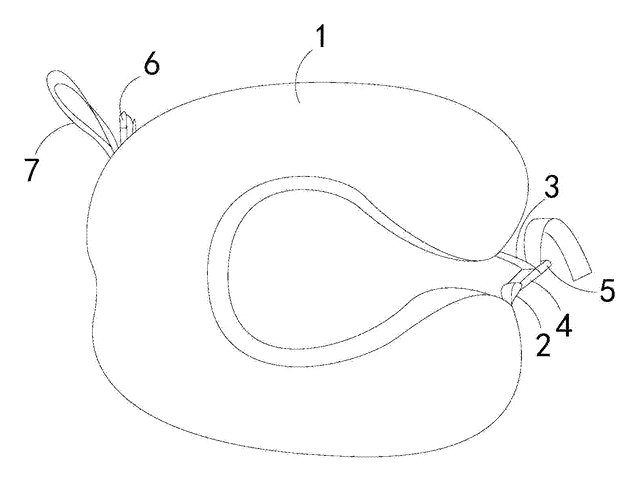
Furniture, Bedding & Storage
Roll-Up Travel Neck Pillow with Buckles
U-shaped travel pillow with a front buckle and a back buckle that holds it rolled up for carrying.
Patent CN206543091U
Furniture, Bedding & Storage
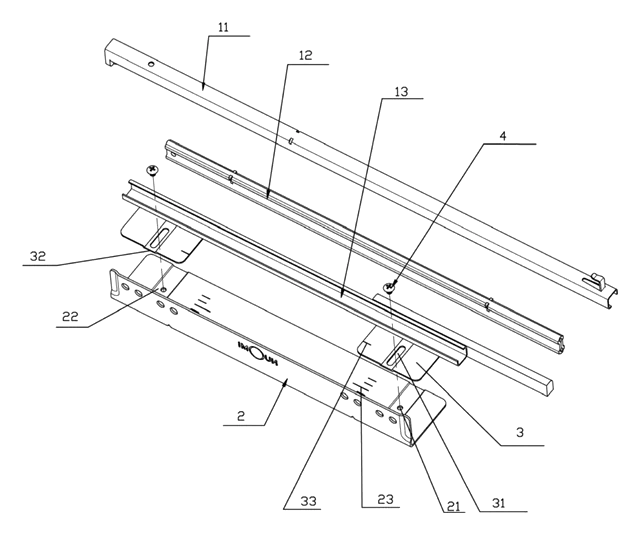
Width-Adjustable Slide Rail for Pull-Out Baskets
Basket slide rail on a slotted, scaled adjusting plate, so one pull-out basket fits several cabinet widths.
Patent CN208909382U
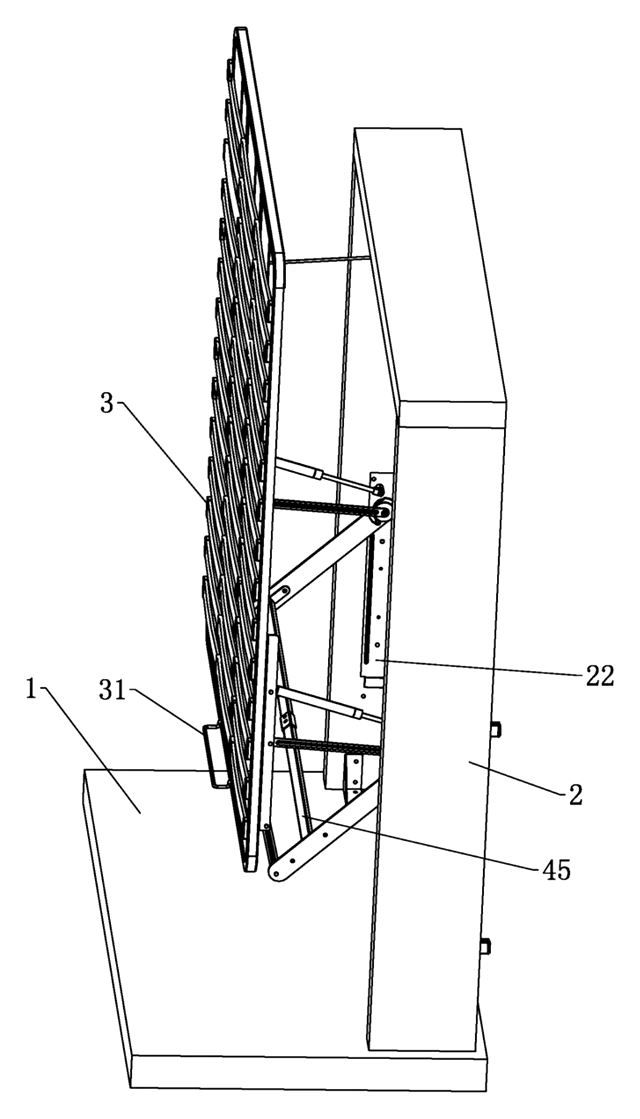
Furniture, Bedding & Storage
Lift-Up Storage Bed with Four-Bar Linkage That Slides the Deck Away from the Headboard
Storage bed deck that rises on four-bar linkages and gas springs, clearing the headboard as it opens.
Patent CN210870645U
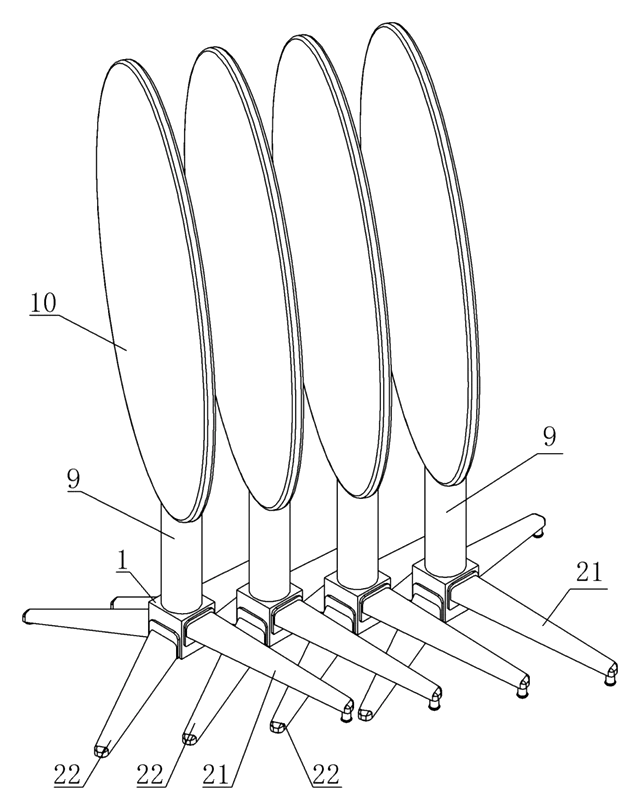
Furniture, Bedding & Storage
Self-Leveling, Nesting Table Base with a Torsion-Ring Leg Hub
Four-leg base that self-levels through a torsion-ring hub and nests sideways with flip-top tables.
Patent CN211483640U
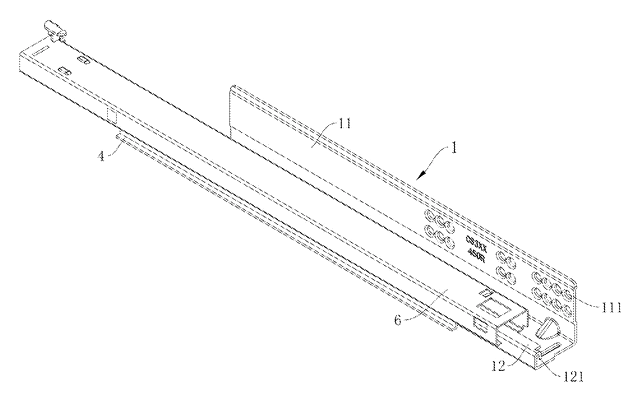
Furniture, Bedding & Storage
Rack-and-Pinion Synchronized Drawer Slide with a Folded-In Fixed Rail
Full-extension drawer slide: a pinion between two racks keeps the rails moving in step.
Patent CN206314843U
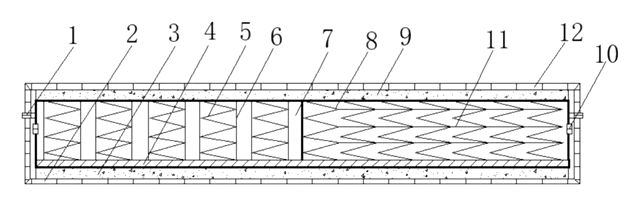
Furniture & Bedding
Dual-Zone Split-Spring Mattress with Removable Fabric Cover
Half-pocket, half-standard spring mattress sharing one base plate, with a removable cover.
Patent CN208355064U
Browse by category
- Apparel & Accessories (22)
- Baby & Kids (16)
- Bags & Luggage (9)
- Bath & Personal Care (16)
- Car Accessories (10)
- Furniture, Bedding & Storage (12)
- Garden & Outdoor (18)
- Health & Wellness (8)
- Home, Kitchen & Cleaning (24)
- Lighting (12)
- Packaging & Containers (6)
- Pet Products (6)
- Phone & Camera Accessories (4)
- Retail Display (13)
- School, Office & Art (19)
- Sports & Recreation (25)
- Tools & Workshop (27)
- Toys & Games (12)
This page is based on the public patent document CN205696818U, assigned to Shuford Intelligent Technology Zhejiang Co ltd. IP2M is an independent manufacturing service and is not affiliated with, endorsed by or licensed by the patent owner. Images marked as concept renderings are illustrations, not photos of an existing product. Patent status information is provided for reference only and is not legal advice; confirm freedom to operate for your market before production. Full disclaimer.