
Patent CN205866146U
Updated October 28, 2026Button-Operated Interchangeable Heel High-Heeled Shoe
Changing heels usually means carrying multiple pairs of shoes or struggling with screws and tools. This design uses a button on the outside of the shoe body to operate an internal push rod. Pressing the button compresses an elastic push rod, releasing the heel from the sole instantly. The docking parts include a draw-in groove and a fixture block that lock together when the spring pushes the rod back into place. Because the mechanism sits inside the docking interface and the button operates from the outer surface, there is no opening that connects the inside of the shoe to the outside. Water cannot reach the inner sole even in the rain, keeping the footbed dry and extending the life of the shoe.
- China utility model - lapsed
- No filings outside China
- Women's footwear
- Spring-loaded push rod, button release
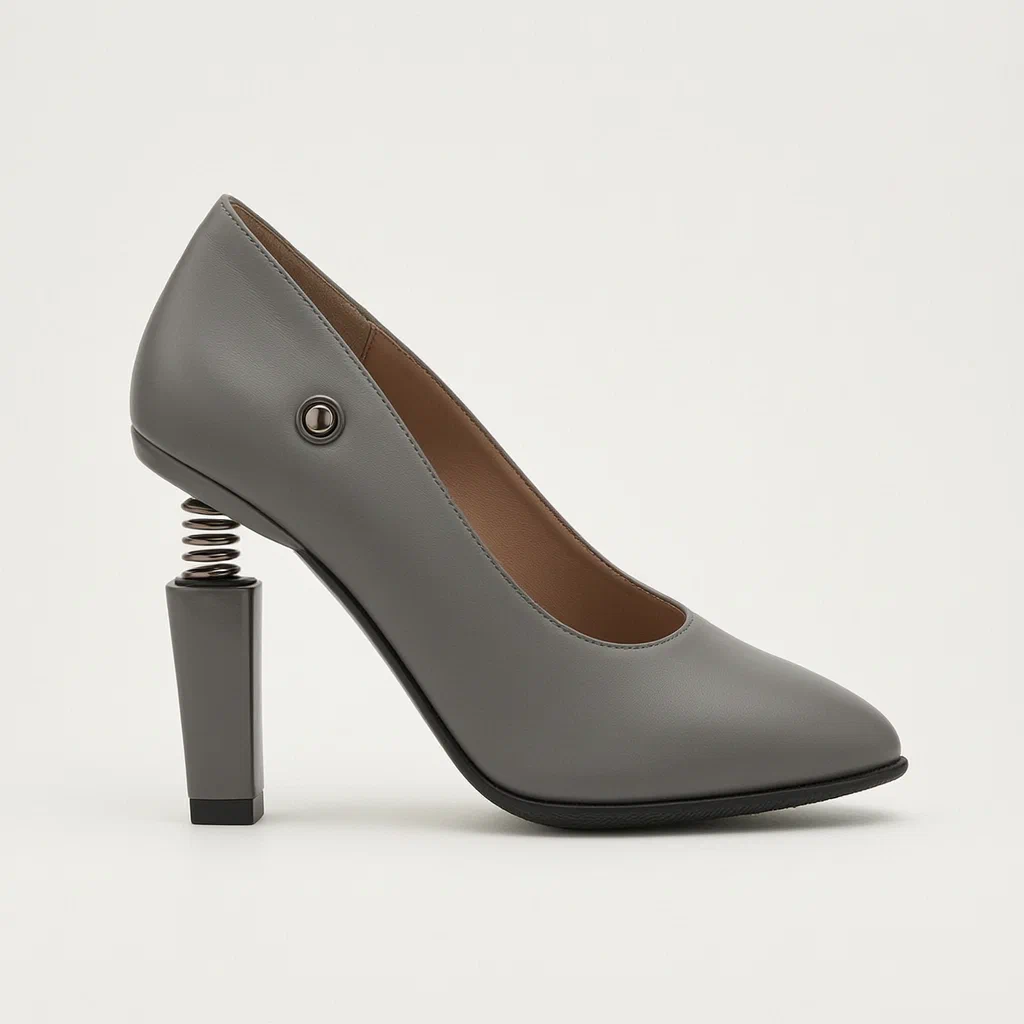
Splat! What let you down?
👠
Quick heel swap
A button on the shoe surface releases the heel from the sole without tools.
🔒
Secure docking
An elastic push rod buckles into a draw-in groove and fixture block to hold the heel.
💧
Water-resistant seal
The connection keeps water out of the inner sole, even on rainy days.
⚙️
Internal push rod
A push head, connecting rod and button compress the spring to unlock the heel.
Bring this product to market
- ✓ Patent vetted China-only family and legal status checked
- 2 Product brief · now How it works, uses and options written up
- 3 Prototype First samples for buyers to review
- 4 Pilot run Small first batch for launch customers
- 5 Volume production Repeat orders at scale
Buyer interest
– of 100 buyers needed to start prototyping
One click, no sign-up. Each vote is one real visitor, and products with the most interest go to prototyping first.
Build team: no members yet. Need a partner, co-funding or skills to build this? Join and we introduce the team once it forms.
The problem
Women who wear high heels often need different heel heights for commuting, office work, and evening events. Carrying several pairs of shoes adds weight and takes up space. Existing interchangeable heel systems sometimes rely on screws, exposed latches, or open channels that let rainwater seep into the inner sole. When water enters the footbed, it damages the materials, reduces comfort, and shortens the shoe’s service life. Buyers and brands look for a swap mechanism that is fast, secure, and keeps the interior sealed from the weather.
The solution
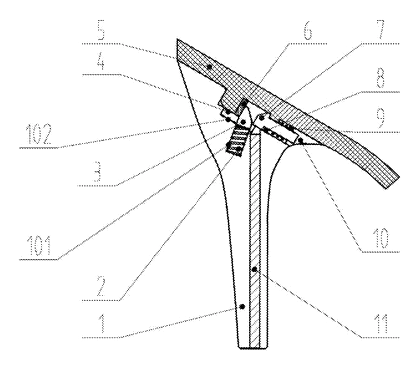
This patent describes a high-heeled shoe with a detachable docking device between the sole and the heel. The system works as follows:
- A sole (5) and a heel (1) connect through an interface arrangement. One part carries a fixture block, and the other has a matching draw-in groove.
- An elastic push rod locks the two parts together. It includes a movable push rod (3) and a first spring (2).
- To release the heel, the wearer presses a button (10) located on the outer surface of the shoe body.
- The button moves a push rod (12) connected to a push head (7). The push head compresses the elastic push rod, pulling it out of the locking position.
- Once released, the heel separates from the sole. Releasing the button allows the spring to return the rod, ready to buckle into the next heel.
- The docking interface encloses the mechanism. There is no path from the outside to the inner sole, preventing water entry during rain.
Who it is for
- Footwear brands expanding their catalog with modular shoes that allow customers to switch heel heights throughout the day.
- Private-label Amazon sellers looking for a functional shoe design that solves the common complaint of carrying extra pairs during travel or work commutes.
- Wholesale distributors supplying department stores or boutiques with versatile women’s footwear options.
- Uniform and corporate shoe suppliers providing professional footwear where staff transition between standing desks and formal meetings.
How it works
The main parts
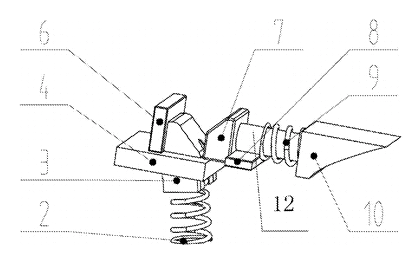
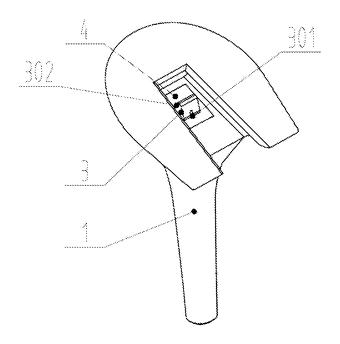
| No. | Part | What it does |
|---|---|---|
| 1 | Heel | The replaceable lower section of the shoe. |
| 2 | First spring | Pushes the movable push rod into the locked position. |
| 3 | Movable push rod | Slides up and down to engage or disengage the lock. |
| 4 | First stator | Secures the elastic push rod assembly in place. |
| 5 | Sole | The main bottom structure of the shoe. |
| 6 | Antifriction metal sheet | Reduces wear where the push rod contacts the flange. |
| 7 | Push head | Contacts the elastic push rod to compress it when the button is pressed. |
| 8 | Second stator | Holds the push rod structure within the concave wall. |
| 9 | Second spring | Returns the push rod after the button is released. |
| 10 | Button | Located on the outer surface; triggers the release. |
| 12 | Push rod | Connects the button to the push head. |
| 502 | Concave wall | Guides the push rod’s movement. |
| 503 | Concave wall end face | Supports the second stator. |
Operating steps
- Attach the heel - Align the fixture block with the draw-in groove. The first spring pushes the movable push rod into the slot, buckling the heel to the sole.
- Wear the shoe - The mechanism remains locked under the spring tension. The sealed interface blocks water from reaching the inner sole.
- Remove the heel - Press the button on the outer surface of the shoe body.
- Release - The push rod transfers force to the push head, which compresses the elastic push rod against the first spring. The heel detaches.
- Swap - Align a different heel and release the button. The spring pushes the rod back into the new heel’s groove.
Applications
Daily commute and office transition
A commuter wears flat or low heels on the train and switches to higher heels at the office. The button release allows the swap in seconds without sitting down or using tools, solving the problem of carrying a second pair of shoes in a bag.
Travel and business trips
Business travelers pack one pair of soles and two or three different heels instead of multiple full shoes. This saves luggage space and weight while providing options for daytime meetings and evening dinners.
Event and banquet footwear
Guests at long events can start with tall heels for photos and switch to shorter ones for dancing. The sealed docking device ensures the mechanism stays clean and functional even if the event moves outdoors.
Retail display and fitting rooms
Shoe stores can display one upper with several heel options. Customers try different heights quickly by pressing the button, reducing the number of boxes staff must pull from the stockroom.
Where it is less suitable
- Athletic or running shoes - this mechanism is designed for fashion and professional high heels, not for impact sports.
- Men’s dress shoes - the patent specifically covers high-heeled shoes; adapting it to flat men’s oxfords would require significant redesign.
- Lowest-cost disposable footwear - the springs, rods, and metal sheets add manufacturing steps that do not fit single-use or ultra-budget shoes.
Frequently asked questions
How does the heel attach and detach?
An elastic push rod, consisting of a movable rod and a spring, buckles into a draw-in groove on the mating part. To detach, you press a button on the outside of the shoe. The button pushes a rod connected to a push head, which compresses the spring and pulls the locking rod out of the groove, freeing the heel.
Will rain get inside the shoe through the button hole?
The patent describes the connection as preventing water from entering the sole of the shoe on rainy days. Because the docking interface encloses the mechanism and the button operates from the outer surface without creating an open channel to the interior, the inner sole remains dry.
Can I use any heel with this sole?
Only heels manufactured with the matching interface arrangement—the specific draw-in groove or fixture block dimensions described in the patent—will lock securely. The heel heights and shapes are set in design and confirmed on prototypes.
Is the button easy to press while wearing the shoe?
The trigger switch is arranged on the surface of the shoe body specifically to be convenient to press. The exact force required depends on the spring stiffness chosen during manufacturing.
Does the mechanism add a lot of weight?
The components include small metal rods, springs, stators, and an antifriction metal sheet. The exact added weight is to be confirmed in design, but the parts are sized to fit within the standard heel block footprint.
Are replacement parts available if a spring breaks?
The movable push rod, first spring, and antifriction metal sheet are individual components assembled into the sole or heel block. In a production setting, brands can supply replacement docking modules or repair kits.
Can this design be made and sold in the US?
The patent was filed only in China and is lapsed (terminated for non-payment of annual fees, recorded 2025-05-16), so it does not restrict the design in the US or in China. Interchangeable heel mechanisms may be covered by other US patents - see Patent & Production - so we recommend a freedom-to-operate check before volume production.
Are you affiliated with the patent owner?
No. IP2M is an independent design and manufacturing service working from the public patent document.
Request a quote
Click Request a Quote below to see our email address - copy it, or open your email app with a ready-made message. Please mention patent CN205866146U in the subject.
Helpful details to include:
- Your company and channel (footwear brand, Amazon seller, wholesale distributor)
- Target heel heights and styles (stiletto, block, wedge)
- Size range and upper material preferences
- Estimated quantity and target price
- Timeline - when you would like samples and the first shipment
You can also reach us at (332) 203-9997.
Explore this product
Interested in building this?
Tell us your target market, quantity and timeline. We reply with options for prototyping, small-batch runs or volume production.
Send your inquiry to
Please put CN205866146U in the subject line and tell us your company, country, estimated quantity and timeline.
Prefer to talk? Call (332) 203-9997.
More product-ready patents
All Apparel & Accessories patents →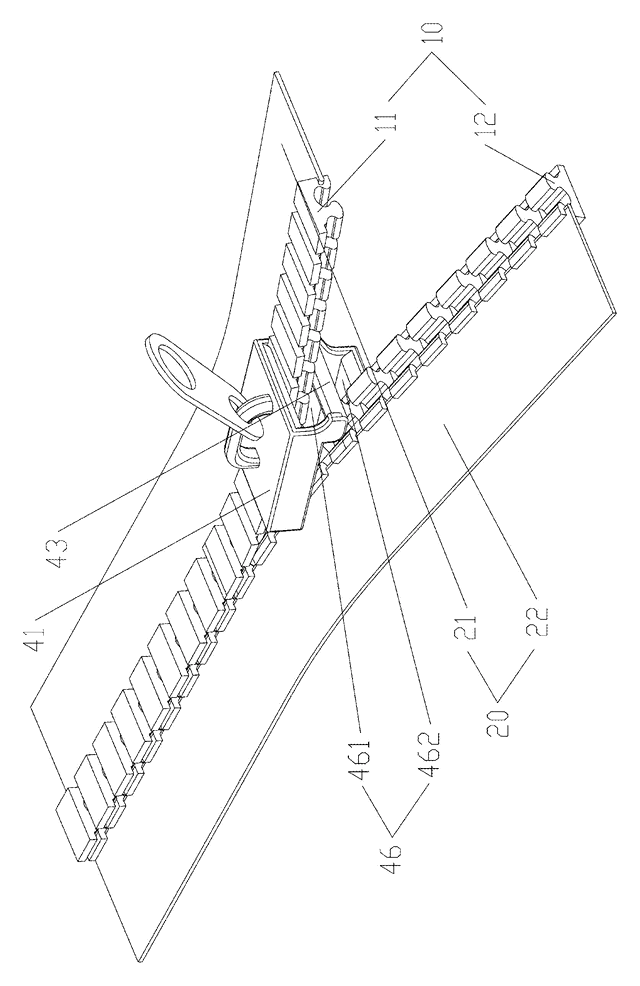
Apparel & Accessories
Stacked Zipper with Teeth That Mesh Top-to-Bottom
Zipper whose two identical tooth rows mesh on top of each other, closed by a simplified slider.
Patent CN205795062U
Apparel & Accessories
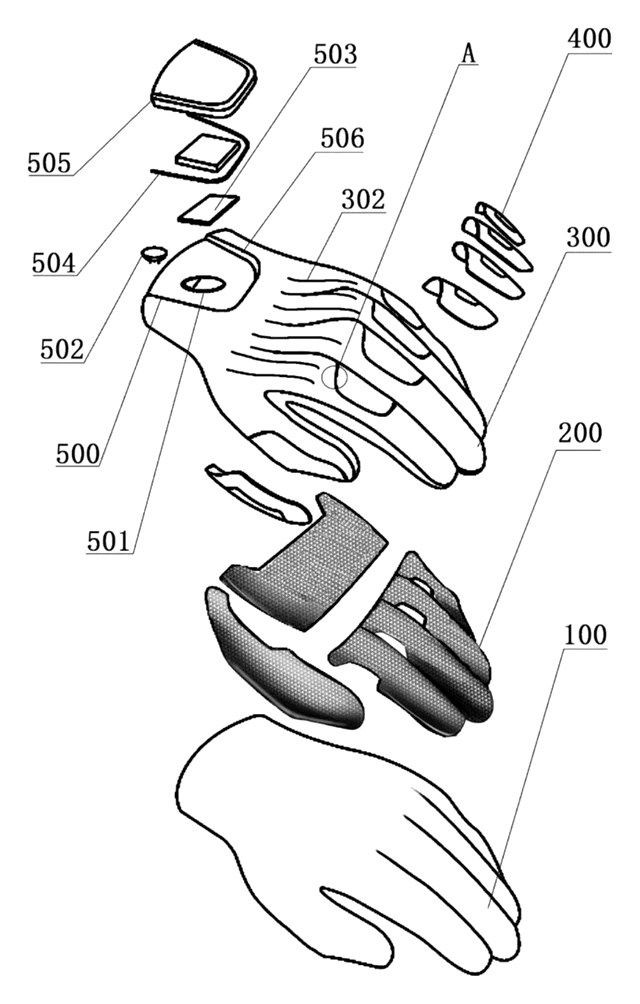
Impact-Resistant Glove with a 3D-Printed Lattice Layer
Work glove with a 3D-printed lattice impact layer, TPU knuckle guards and a light mounting area.
Patent CN213785583U
Apparel & Accessories
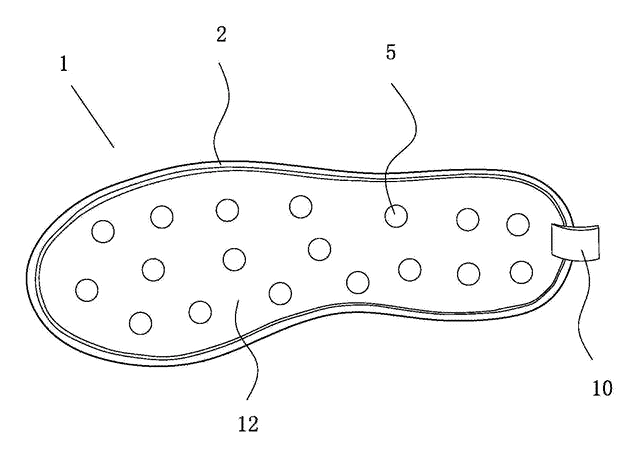
Massage Insole with Spring-Back Silicone Nubs and a Removable Top Layer
Layered insole: silicone nubs rise through a removable perforated top sheet and sink under each step.
Patent CN208286505U
Apparel & Accessories
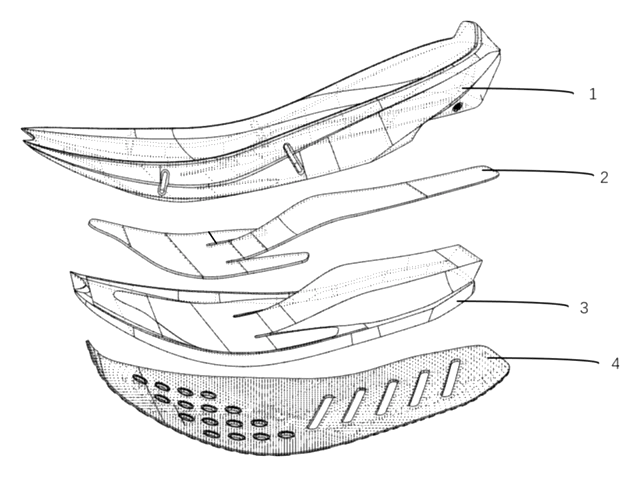
Heel-Less Carbon Plate Running Shoe Sole for Forefoot Strikers
Running sole for forefoot strikers: no ground-touching heel, winged carbon plate between two midsoles.
Patent CN216723354U
Apparel & Accessories
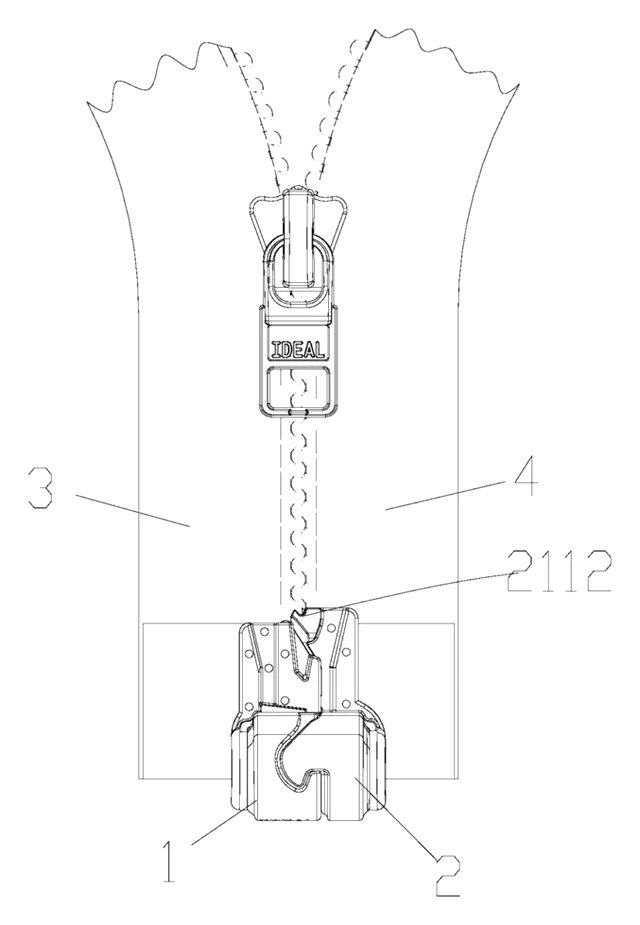
Waterproof Magnetic Zipper Stop That Snaps the Two Halves Together
Separating-zipper stop with sealed magnets: pin and box snap together one-handed, safe in rain and wash.
Patent CN215075936U
Apparel & Accessories
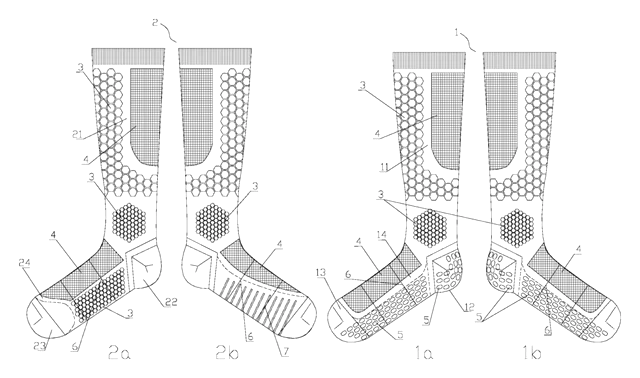
Left-Right Specific Soccer Socks: Grip for the Plant Foot, Touch Pads for the Kicking Foot
Soccer socks knitted as a left-right pair: grip zones for the plant foot, pads for the kicking foot.
Patent CN212728807U
Browse by category
- Apparel & Accessories (22)
- Baby & Kids (16)
- Bags & Luggage (9)
- Bath & Personal Care (16)
- Car Accessories (10)
- Furniture, Bedding & Storage (12)
- Garden & Outdoor (18)
- Health & Wellness (8)
- Home, Kitchen & Cleaning (24)
- Lighting (12)
- Packaging & Containers (6)
- Pet Products (6)
- Phone & Camera Accessories (4)
- Retail Display (13)
- School, Office & Art (19)
- Sports & Recreation (25)
- Tools & Workshop (27)
- Toys & Games (12)
This page is based on the public patent document CN205866146U, assigned to Hangzhou Jiuba Hongtu Technology Co Ltd. IP2M is an independent manufacturing service and is not affiliated with, endorsed by or licensed by the patent owner. Images marked as concept renderings are illustrations, not photos of an existing product. Patent status information is provided for reference only and is not legal advice; confirm freedom to operate for your market before production. Full disclaimer.