At a glance
| Patent number | CN206344912U (application CN201620946170) |
| Type | China utility model (实用新型) - protects product shape and structure |
| Original title | Adjustable shock-absorbing saddle (一种可调节的避震鞍座) |
| Patent owner | Vad Tianjin Bicycle Corp. Pty Ltd. |
| Inventors | Yang Maoxiu |
| Filing date | 2016-08-26 |
| Grant date | 2017-07-21 |
| Status (China) | Lapsed - terminated for non-payment of annual fees (recorded 2019-08-16) |
| Patent family | Chinese filings only - no US, European, Japanese, PCT or other filings listed |
| Cited by | 2 later documents |
| Source | Google Patents (search for CN206344912U) |
What the claims cover, in plain language
Claim 1 - a saddle with a seat post and a saddle body topped with a plastic cushion layer. The body is a first half and a second half with a cavity between them holding an air bag fixed at its ends to both halves. A bracket on the seat post carries sliders, and both halves have slide grooves underneath that fit the sliders.
Claim 2 - the air bag has an inflation valve. Claim 3 - the body has vent holes. Claim 4 - bumps between the vents at the rear of the body. Claim 5 - the seat post is a sprung post with a damping spring inside.
This is a simplified reading for orientation only. The legal scope is defined by the exact claim wording in the official Chinese document.
What this means for US production
This patent was filed only in China and has lapsed, so it no longer restricts anyone in China either. It has no US or other foreign counterpart.
Two points to settle early:
- Other patents may exist. Split, noseless and adjustable-width saddles have been patented in the US by comfort-saddle brands, so a freedom-to-operate (FTO) review of the slide mechanism and split shape is advisable before tooling.
- Locking the width. The patent describes sliding halves but not a lock; a secure, tamper-resistant lock is designed and tested before launch.
Customization and manufacturing
What can be customized
| Area | Options |
|---|---|
| Width range | Minimum and maximum width, click steps or stepless |
| Cover | PU leather, gel, memory foam, waterproof fabric |
| Air bag | TPU or PVC bag, valve type (Schrader, Presta, hand bulb) |
| Rails | Standard 7 mm steel rails or integrated seat-post clamp |
| Suspension | Sprung post, elastomer springs under the base, or none |
| Branding | Colors, embossed logos, reflective strips |
Things to plan for (US market)
- CPSC bicycle requirements (16 CFR 1512) - bicycles sold with this saddle must pass the seat adjustment-clamp and load tests in 16 CFR 1512.15.
- ISO 4210-9 - saddle and seat-post test methods many brands use for fatigue and static strength.
- California Prop 65 - PU, PVC and foam materials are screened; warnings if needed.
- CPSIA - if sold for youth bikes, lead and phthalate testing apply.
How a project runs
- Inquiry - bike type, width range, cover material and quantity.
- Design - halves and base, slide rails and lock, air bag cavity.
- Prototype - sit tests across rider sizes; slide and lock trials.
- Pilot run - static and fatigue tests, air bag leak tests, weathering.
- Production - base molding, foam and cover, bag welding, rail and lock assembly.
Quantities & timeline
Each saddle half needs a base injection mold and a foam mold, the air bag needs an RF-welding tool, and the bracket and rails need stamping or forging. Lock design and fatigue testing take most of the development time. Send us your bike type, width range, cover material, quantity and target price and we will reply with options.
Patent drawings
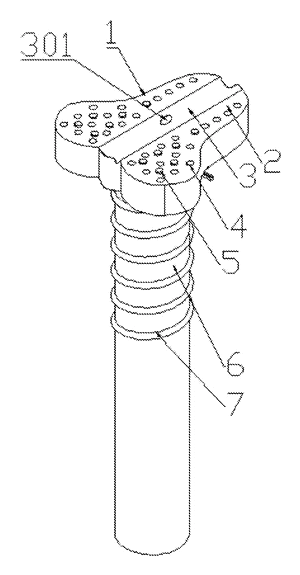
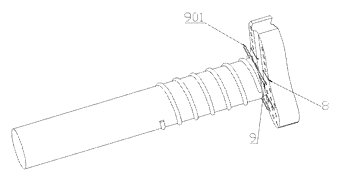
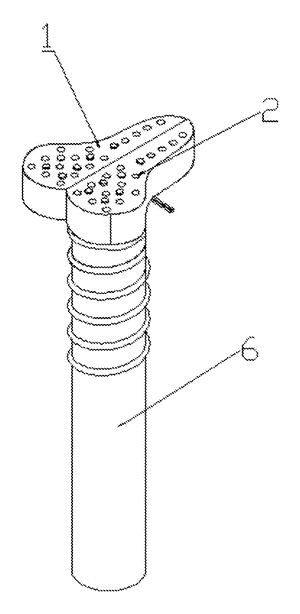
Drawings reproduced from the public patent document for reference.