
Patent CN206596956U
Updated November 7, 2026Pot Lid with Integrated Harmful Substance Detection Sensor
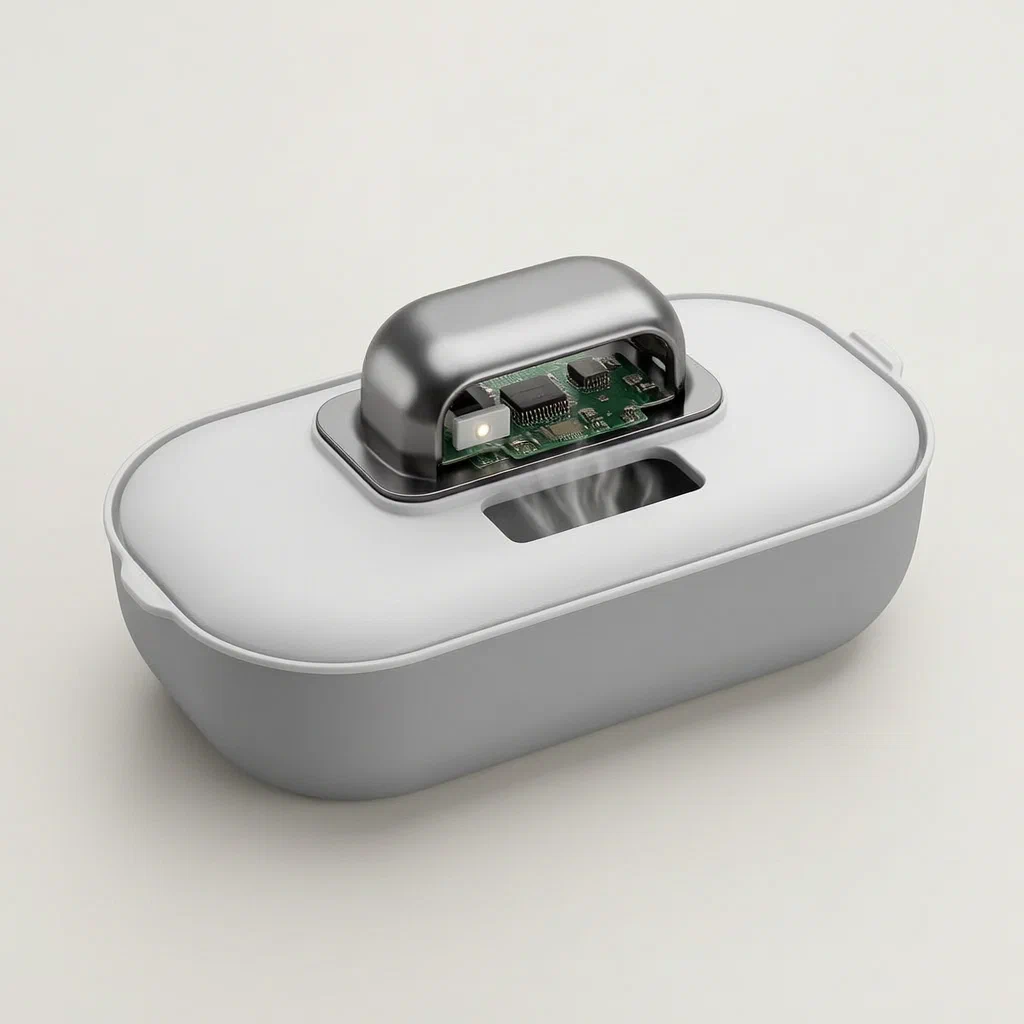
Standard pot lids only manage steam; they offer no insight into what is actually boiling inside. This utility model introduces a pot lid with a built-in analytical capability. By placing a specialized sensor within a dedicated drop-lid structure over the vent, the device captures escaping gases and condensates. **According to the patent,** this setup allows the sensor to detect specific chemical markers associated with unhealthy oils or contaminants. The system includes local alarms and remote notifications via mobile apps, providing users with immediate feedback on the quality of their cooking environment. This structural integration turns a passive kitchen tool into an active monitoring device without altering the primary function of the lid.
- China utility model - in force
- No filings outside China
- Kitchen appliance accessory
- Integrated sensor, PCB, wireless module
Splat! What let you down?
🔬
Vent-Integrated Sensor
The sensor is housed in a drop-lid structure directly above the steam vent to capture gases and condensate.
📱
Mobile Connectivity
Optional signal module sends alerts to smartphones, tablets, or wearables when harmful substances are detected.
⚠️
Local Alarms
Circuit board supports audio or light warnings for immediate user notification during cooking.
💧
Dual-State Detection
**The patent describes** the ability to monitor both gaseous emissions and condensed liquids simultaneously.
Bring this product to market
- ✓ Patent review Patent family and legal status reviewed in the relevant jurisdictions.
- 2 Product brief · now How it works, uses and options written up
- 3 Prototype First samples for buyers to review
- 4 Pilot run Small first batch for launch customers
- 5 Volume production Repeat orders at scale
Buyer interest
– of 100 buyers needed to start prototyping
One click, no sign-up. Each vote is one real visitor, and products with the most interest go to prototyping first.
Build team: no members yet. Need a partner, co-funding or skills to build this? Join and we introduce the team once it forms.
Patent Rights & Team Participation
Before joining a development team, participants should ensure they have the necessary rights or authorization to participate in the project.
Participation is generally appropriate where:
- You own the relevant patent rights or have obtained permission or a license from the rights holder.
- The relevant patent rights have expired or have been legally invalidated in the jurisdictions where the planned activities will take place.
- The planned development, manufacturing, and commercialization activities have been independently assessed and do not infringe applicable patent rights in the relevant jurisdictions.
Important: Being located outside a country where a patent is protected does not automatically exempt you from patent infringement risks. Patent rights may apply based on where development, manufacturing, use, sale, or import activities take place.
IP2M does not grant any patent license or authorization through team participation. Joining a project does not provide permission to use, manufacture, or commercialize patented technology.
The problem
Traditional pot lids serve a mechanical function: retaining heat, managing pressure, and allowing steam to escape through vents. However, they provide no information about the chemical composition of what is being cooked. Home cooks and professional chefs often have concerns about the quality of cooking oils, particularly regarding the potential use of recycled or “gutter” oils, or the degradation of fats into harmful compounds like aldehydes and ketones. Without laboratory equipment, detecting these issues in real-time during cooking is impossible. Existing smart kitchen devices usually rely on external probes or complex setups that are not integrated into standard cookware accessories, leaving a gap in everyday safety monitoring tools.
The solution
This utility model proposes a pot lid structure that embeds detection capabilities directly into the vent mechanism.
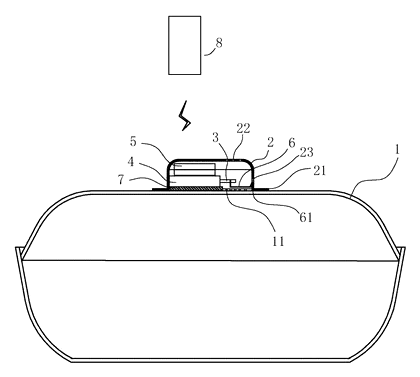
- A standard lid (glass or metal) has one or more stomata (vents) in its middle section.
- An inverted, oblate tubular drop lid covers the stoma area. It is attached to the main lid via screws or rivets through an annular edge with mounting holes.
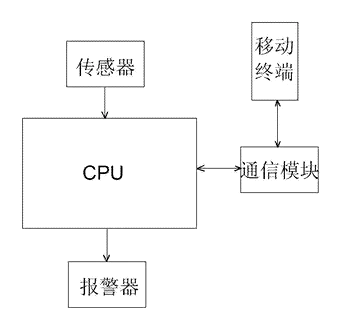
- Inside the drop lid, a circuit board and power unit form a detection circuit.
- A sensor is mounted on the circuit board, positioned horizontally at the top of the stoma.
- A detection cell with a concave longitudinal section surrounds the sensor’s detection head. This cell funnels gases and condensed liquids from the pot toward the sensor.
- The exterior of the detection cell features an inclined plane aligned with a liquid pouring mouth on the drop lid, allowing used liquid to be tipped out easily.
Who it is for
- Smart Kitchen Appliance Brands: Companies looking to differentiate their cookware lines by adding IoT-enabled accessories that appeal to health-conscious consumers.
- Commercial Food Service Suppliers: Restaurants and catering services that need to verify oil quality or monitor cooking conditions to maintain safety standards and reduce liability.
- Health-Conscious Consumer Goods Retailers: Stores targeting customers interested in organic, non-toxic, or high-safety food preparation environments who want proactive monitoring tools.
- OEM Manufacturers of Cookware Accessories: Factories capable of producing plastic injection-molded housings and assembling small electronics that can integrate this design into existing lid product families.
How it works
The main parts
| No. | Part | What it does |
|---|---|---|
| 1 | Lid | Main cover (glass or metal) with central stomata (vents). |
| 2 | Drop Lid | Inverted tubular cover housing the electronics, attached to Lid. |
| 3 | Sensor | Detects harmful components in gas or condensed liquid (e.g., aflatoxins, pH, IR). |
| 4 | Circuit Board | Processes sensor data; hosts alarm and communication modules. |
| 5 | Power Unit | Powers the detection circuit. |
| 6 | Detection Cell | Concave chamber focusing gases/liquids onto the sensor head. |
| 7 | Substrate | Fixes the power circuit board on the opposite side of the stoma. |
| 8 | Mobile Terminal | Optional receiver for wireless alerts (phone, tablet, watch). |
Operating steps
- Cooking begins: Heat causes oils and water to vaporize; steam and volatile compounds rise through the stoma.
- Focusing: Gases and condensed droplets enter the concave detection cell, surrounding the horizontal sensor head.
- Analysis: The sensor measures parameters such as conductivity, fluorescence, infrared spectrum, or pH. According to the patent, these metrics help assess the possibility of gutter oil or poor oil quality.
- Alerting: If harmful constituents are detected, the circuit board triggers an audio or light alarm locally.
- Notification: Simultaneously, a wireless signal module transmits data to a paired mobile terminal (smartphone, tablet, etc.) for remote alerting.
Applications
Home Cooking Safety
Home cooks concerned about the origin of their cooking oils can use this lid to get immediate feedback if the oil degrades or contains unexpected contaminants during frying or sautéing.
Restaurant Kitchen Monitoring
Chefs can monitor the state of deep-frying oil in real-time, receiving alerts when the oil reaches a critical point of degradation, helping maintain food quality and compliance with hygiene standards.
Educational Culinary Tools
Culinary schools can use this technology to teach students about fat degradation and oil quality, providing visual and digital data points during practical sessions rather than relying solely on experience.
Assisted Living Kitchens
For individuals with cognitive impairments or limited sensory acuity, the audible and mobile alerts provide an extra layer of safety, warning them if cooking materials become potentially hazardous.
Where it is less suitable
- High-Temperature Industrial Frying: The electronic components may not withstand prolonged exposure to extreme commercial fryer temperatures without additional thermal shielding not described in the patent.
- Non-Volatile Cooking Methods: Boiling water alone will not produce the specific chemical markers the sensor is designed to detect, making the feature redundant for simple hydration tasks.
Patent & Production
At a glance
| Patent number | CN206596956U (application CN201621255596) |
| Type | China utility model (实用新型) - protects product shape and structure |
| Original title | A Kind of Pot Cover (一种锅盖) |
| Patent owner | Ningbo Carter Intelligent Kitchen Ltd By Share Ltd |
| Inventors | Xu Hongwei |
| Filing date | 2016-11-22 |
| Grant date | 2017-10-31 |
| Status (China) | In force - valid until at most 2026-11-22, subject to annual fee payments |
| Patent family | Public record shows Chinese filings only - no US, European, Japanese, PCT or other filings listed |
| Cited by | 3 later documents |
| Source | Google Patents (search for CN206596956U) |
What the claims cover, in plain language
Claim 1 defines a pot lid comprising a lid and a drop lid arranged on the lid. The lid has stomata (vents) in the middle part. The drop lid covers the stomata and contains a sensor, circuit board, and power unit connected into a detection circuit. The sensor detects harmful health components in gas or condensed liquid contained within the lid.
Claims 2-4 add features to the circuit board: an alarm (audio or light) for when harmful components are detected; a signal communication module connecting to a mobile terminal (phone, tablet, ring, watch); and transmission of signals via wireless networks.
Claim 5 specifies the sensor types: capable of detecting aflatoxins, cholesterol, aliphatic acid, aldehyde, ketone, moisture, conductance, fluorescence spectrophotometry luminosity, infrared spectrum, refractive index, or pH value to assess gutter oil or poor oil possibilities.
Claims 6-8 describe the physical structure: a detection cell above the stoma where the sensor head is located; the cell has a concave longitudinal section; the sensor head is horizontal; the cell connects to the drop lid’s inner wall; and an inclined plane on the cell coordinates with a liquid pouring mouth.
Claim 9 details the layout: multiple stomata, substrate fixing the power circuit board on the opposite side, and the drop lid covering the top and connecting to the lid.
Claim 10 states the drop lid further opens with out-stomata.
This is a simplified reading for orientation only. The legal scope is defined by the exact claim wording in the official Chinese document.
What this means for US production
This patent was filed in China and is currently in force. The public record shows no US or other foreign counterpart. Making or selling this specific structural configuration in China requires the owner’s permission. For the US market, the public record shows no US counterpart, so this specific Chinese utility model does not restrict manufacturing or sales in the United States based on this document alone.
Two points to settle early:
- Other patents may exist. Smart kitchen appliances and sensor-integrated cookware are rapidly evolving fields. While no foreign patents citing this one were found in the provided records, broader US patents on general smart home devices, gas sensors, or IoT kitchen gadgets may exist. A freedom-to-operate (FTO) review is recommended before mass production.
- Electronic Compliance. Integrating wireless modules and batteries into kitchenware involves strict regulatory paths in the US regarding electromagnetic interference and battery safety.
Customization and manufacturing
What can be customized
| Area | Options |
|---|---|
| Sensor Type | Selectable parameters: pH, conductivity, IR, fluorescence, or multi-parameter compound sensors. |
| Connectivity | Wi-Fi, Bluetooth, or Zigbee modules for different ecosystem integrations. |
| Alarm Output | LED indicators, buzzer volume/frequency, or silent push-notification-only modes. |
| Housing Material | Heat-resistant plastics (PP, ABS) or silicone for sealing components. |
| Mounting | Screw/rivet attachment vs. snap-fit designs for easier cleaning/removal. |
Things to plan for (US market)
- FCC Part 15 - Any wireless communication module (Wi-Fi/Bluetooth) must comply with FCC regulations for unintentional radiators.
- UL 2056 / UN 38.3 - Battery safety standards for lithium-ion cells used in the power unit; transport regulations for shipping.
- FDA 21 CFR - Materials in direct contact with food or steam must meet food-contact substance requirements.
- RoHS - Restriction of Hazardous Substances in electrical and electronic equipment (though primarily EU, often requested by US buyers).
How a project runs
- Inquiry - Define sensor parameters, connectivity needs, and target price.
- Design - Mechanical integration of sensor in drop-lid, PCB layout, and enclosure design.
- Prototype - 3D printed housings, functional PCB tests, and sensor calibration checks.
- Pilot Run - Small batch assembly, FCC pre-testing, and durability cycles (steam/heat).
- Production - Injection molding for lids/drop-lids, SMT for PCBs, final assembly and packaging.
Quantities & timeline
Tooling for the complex drop-lid geometry and detection cell will require precision molds. Electronics sourcing depends on lead times for specific sensor ICs. Certification testing (FCC, UL) typically adds 4-8 weeks to the timeline. Send us your required sensor specifications, connectivity protocol, quantity and target price and we will reply with options.
Production notes
Tooling and process
Injection molding is likely the primary process for the lid and drop-lid structures, given the complex internal geometries like the detection cell. PCB assembly will involve surface-mount technology for the compact circuit board. Stamping may be used for any metal mounting brackets or fasteners if included in the design.
Cost drivers
Part count is typically high due to the separate drop-lid, sensor, PCB, and power unit. The number of molds and cavities will significantly impact initial tooling costs. Material grade selection for heat resistance (e.g., PP vs. ABS) affects unit cost. Surface finish requirements for aesthetic kitchen products also add to expenses.
Prototyping path
Start with a 3D model and interference check to ensure the sensor fits within the concave detection cell. Use 3D-printed bodies for fit and handling tests. CNC machining might be used for stressed parts or initial mold samples. Functional sample testing should focus on sensor accuracy under steam conditions. Finally, tooling and T1 samples validate the injection molding process.
What we would change before tooling
We would verify the thermal insulation of the PCB compartment to protect electronics from rising steam. The wire routing and strain relief within the tight drop-lid space should be optimized to prevent fatigue. We would also confirm the seal integrity around the stoma to prevent leaks while allowing gas flow to the sensor.
Common failure points
Thin walls in the detection cell may warp or sink under heat. The lid or seal could leak after repeated use if material degrades. Hinge or latch mechanisms (if added) may fatigue. Coating wear at contact points with steam is possible. Trapped water or residue in crevices could affect sensor readings. Wire routing issues may cause short circuits. Thread engagement and fastener torque must be precise to avoid cracking the plastic housing.
Patent drawings
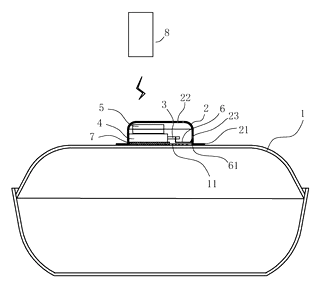
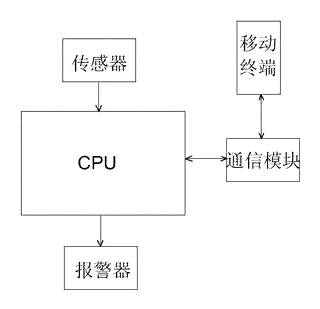
Drawings reproduced from the public patent document for reference.
Frequently asked questions
What exactly does the sensor detect?
According to the patent, the sensor detects harmful components in gas or condensed liquid. Specific parameters mentioned include aflatoxins, cholesterol, aliphatic acids, aldehydes, ketones, moisture, conductivity, fluorescence, infrared spectrum, refractive index, or pH value. These are used to assess the possibility of “gutter oil” or poor-quality cooking oils.
How does it alert the user?
The circuit board includes an alarm that can provide audio or light warnings directly on the lid. Additionally, Claim 3 describes a signal communication module that transmits alerts to a mobile terminal, such as a smartphone, tablet, smart ring, or watch, via wireless networks.
Is the sensor replaceable?
The patent describes the sensor as installed on the circuit board within the drop lid. While the structure suggests a modular drop lid attached by screws or rivets, specific maintenance protocols for replacing just the sensor are not detailed in the claims. Design for serviceability would depend on the final engineering choices.
What powers the device?
A power unit is integrated into the detection circuit within the drop lid. The patent does not specify the battery chemistry, but typical implementations for such IoT devices would use rechargeable lithium-ion cells or coin cells, set in design and confirmed on prototypes.
Can this work with any pot?
The design relies on a lid with stomata (vents) and a compatible drop-lid structure. It is intended to be integrated into the lid itself rather than retrofitted onto arbitrary pots. Compatibility depends on the lid diameter and vent placement.
Does it require an internet connection?
The local alarm functions independently. However, the mobile terminal notification feature described in Claims 3 and 4 requires a wireless connection (Wi-Fi or Bluetooth) to communicate with the user’s device.
Can this design be made and sold in the US?
The patent was filed in China and is currently in force there. The public record shows no US counterpart, so this specific Chinese utility model does not restrict the design in the US. However, smart kitchen devices are a crowded patent field. We recommend a freedom-to-operate check to ensure no other US patents cover similar sensor-integrated cookware technologies.
Are you affiliated with the patent owner?
No. IP2M is an independent design and manufacturing service working from the public patent document.
Request a quote
Click Request a Quote below to see our email address - copy it, or open your email app with a ready-made message. Please mention patent CN206596956U in the subject.
Helpful details to include:
- Your company and channel (appliance brand, restaurant supplier, consumer goods retailer)
- Sensor preferences (specific parameters like pH, IR, or multi-sensor)
- Connectivity (Wi-Fi, Bluetooth, or offline only)
- Material requirements (heat resistance, food-grade certification)
- Estimated quantity and target price
- Timeline - when you would like samples and the first shipment
You can also reach us at (332) 203-9997.
Page editor: Daniel Chen, Product Research Editor · IP2M
Last updated November 7, 2026. If something on this page looks wrong, email [email protected] and we will check it against the patent.
Interested in building this?
Tell us your target market, quantity and timeline. We reply with options for prototyping, small-batch runs or volume production.
Send your inquiry to
Please put CN206596956U in the subject line and tell us your company, country, estimated quantity and timeline.
Prefer to talk? Call (332) 203-9997.
More product-ready patents
All Home, Kitchen & Cleaning patents →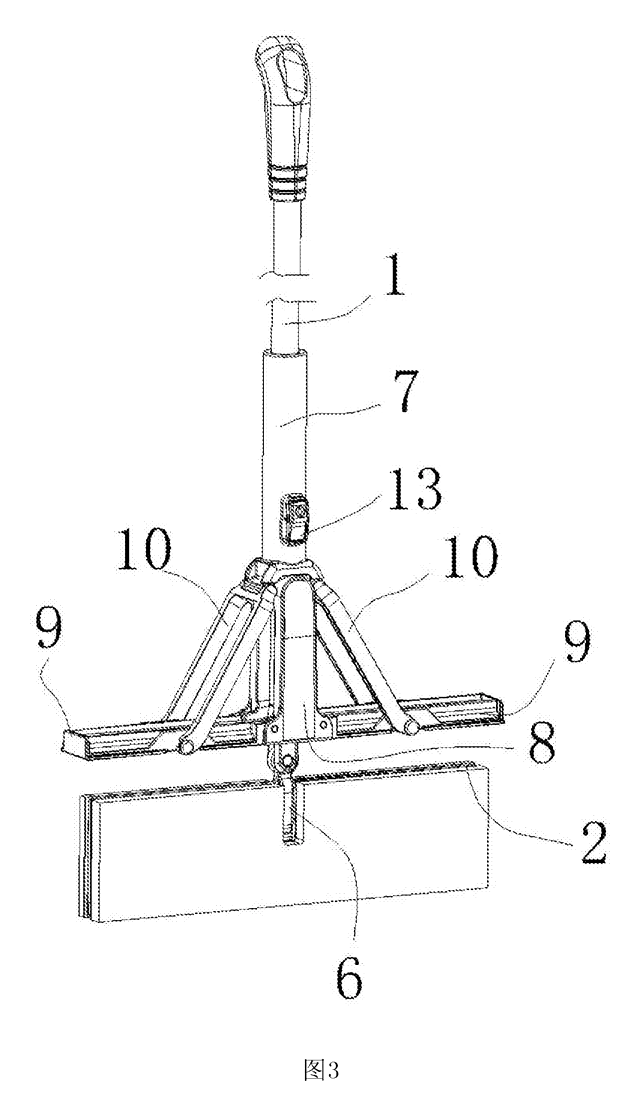
Home, Kitchen & Cleaning
Self-Wringing Flat Mop with Fold-Away Wringer
Flat mop with a built-in wringer that opens only when you wring and folds flat against the pole when you mop.
Patent CN207734114U
Home, Kitchen & Cleaning
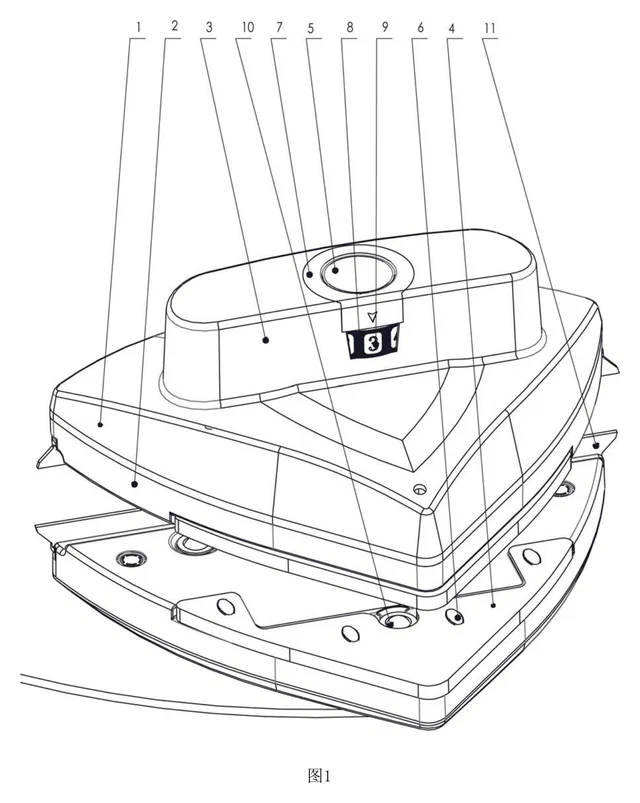
Magnetic Double-Sided Window Cleaner with Dial-Set Magnet Strength
Magnetic window cleaner with a sealed, sliding magnet, dial-set strength for different glass thicknesses and a spring-held idle position.
Patent CN209360543U
Home, Kitchen & Cleaning
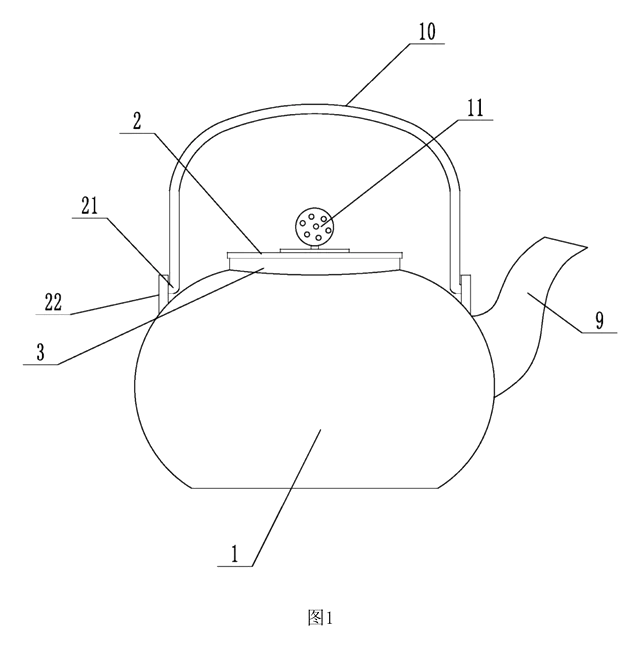
Metal Kettle with Magnetic Lid That Stays On When Pouring
Metal teapot/kettle with a magnet-held lid that does not fall off when pouring, and an insulated, vented lid knob.
Patent CN210540477U
Home, Kitchen & Cleaning
Reinforced Disposable Soup Spoon
Disposable soup spoon with a handle-to-bowl rib, stiffened edges and a ring foot to resist breaking.
Patent CN206964482U
Home, Kitchen & Cleaning
Self-Switching Double-Squeegee Window Cleaner
Cleaning head with two squeegee blades that switch automatically with the direction of movement.
Patent CN212630655U
Home, Kitchen & Cleaning
Self-Rinsing Roller Scrub Brush with Dirty-Water Tank
Powered roller brush that rinses and spins its bristles clean inside the body and stores the dirty water.
Patent CN210076909U
Browse by category
- Apparel & Accessories (48)
- Baby & Kids (29)
- Bags & Luggage (17)
- Bath & Personal Care (32)
- Car Accessories (25)
- Furniture, Bedding & Storage (24)
- Garden & Outdoor (32)
- Health & Wellness (14)
- Home, Kitchen & Cleaning (50)
- Lighting (23)
- Packaging & Containers (12)
- Pet Products (11)
- Phone & Camera Accessories (9)
- Retail Display (25)
- School, Office & Art (36)
- Sports & Recreation (46)
- Tools & Workshop (54)
- Toys & Games (22)
This page is based on the public patent document CN206596956U, assigned to Ningbo Carter Intelligent Kitchen Ltd By Share Ltd. IP2M is an independent manufacturing service and is not affiliated with, endorsed by or licensed by the patent owner. Images marked as concept renderings are illustrations, not photos of an existing product. Patent status information is provided for reference only and is not legal advice; confirm freedom to operate for your market before production. Full disclaimer.