
Patent CN206670777U
Updated October 23, 2026Luggage Handle with Built-In Scale
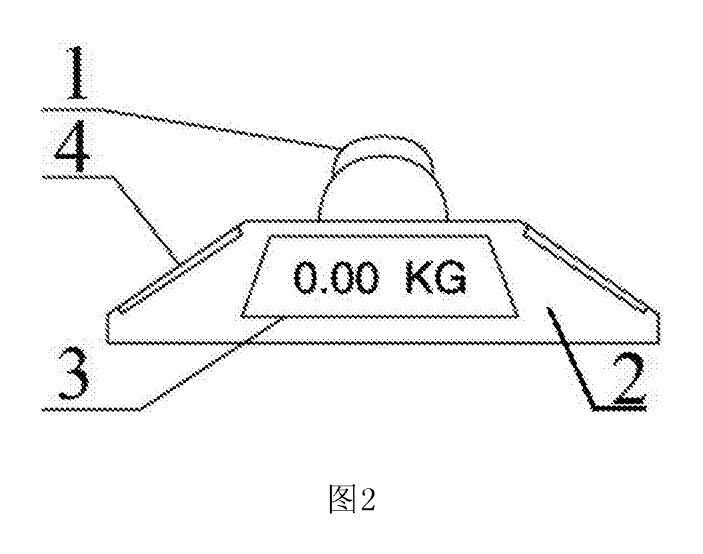
Lift your suitcase by its top handle and the weight appears on a small display in the handle base. Two strain-gauge sensors sit between the handle and the case, and the display can be powered by a battery or small solar panels - so travelers always know if they are under the airline limit.
- China utility model - lapsed
- No filings outside China
- Luggage & travel
- Load cell + LCD
Splat! What let you down?
⚖️
Weigh while you lift
Pick the case up by its handle and the weight shows on the display - nothing extra to pack.
✈️
No overweight surprises
Check against the airline limit at home or the hotel and move items before you reach the counter.
☀️
Battery or solar
A battery pack powers the sensor and display; the patent also describes small solar panels on the sides of the base.
🧳
Fits like a normal handle
The scale lives inside the handle base, which mounts to the case like an ordinary top handle.
Bring this product to market
- ✓ Patent vetted China-only family and legal status checked
- 2 Product brief · now How it works, uses and options written up
- 3 Prototype First samples for buyers to review
- 4 Pilot run Small first batch for launch customers
- 5 Volume production Repeat orders at scale
Buyer interest
– of 100 buyers needed to start prototyping
One click, no sign-up. Each vote is one real visitor, and products with the most interest go to prototyping first.
Build team: no members yet. Need a partner, co-funding or skills to build this? Join and we introduce the team once it forms.
The problem
Airlines charge steep fees for overweight bags, so travelers want to know their suitcase weight before they leave. The usual answers are awkward:
- Bathroom scale - weigh yourself, then weigh yourself holding the bag, and subtract. Imprecise and impossible in a hotel room.
- Hanging luggage scale - one more gadget to buy, pack and remember.
Earlier “weighing handle” designs put a sensor in the handle but were mechanically complicated and had no display, so travelers still could not read the weight directly.
The solution
This design puts a complete digital scale into the handle base:
- The handle joins the base through two handle connectors.
- Inside the base, two symmetric load cells sit between the connectors and the case: rigid pads with strain gauges on top (linked to the handle) and springs below (linked to the case).
- When the bag is lifted by the handle, the gauges sense the load and a scale circuit converts it to a weight.
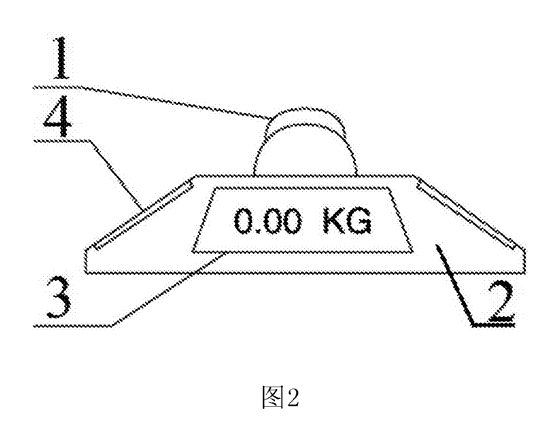
- An LCD on the outside of the base shows the reading.
- A battery pack powers the sensors and display; in one version, solar panels on both sides of the base provide the power.
Who it is for
- Luggage brands looking for a practical, easy-to-explain smart feature for a carry-on or checked-bag line.
- Amazon and travel-gear sellers - as a premium suitcase feature, or as a replacement / retrofit top handle.
- Corporate and travel-retail buyers who want a useful gadget feature without the complexity of GPS or charging electronics.
How it works
The main parts
| No. | Part | What it does |
|---|---|---|
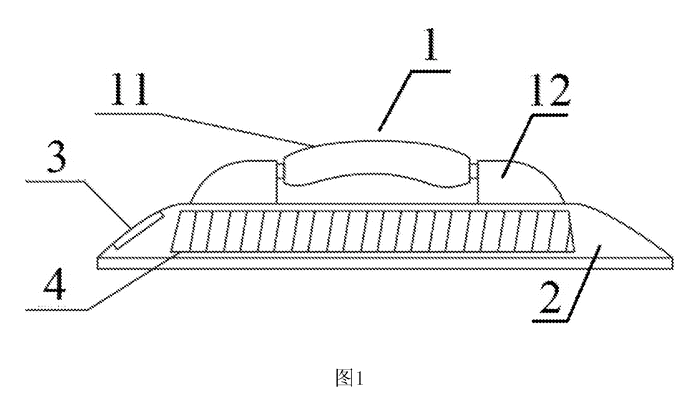
| 1 | Handle | The carry handle, made of the grip (11) and two handle connectors (12). |
| 11 | Grip | The part you hold. |
| 12 | Handle connectors | Join the grip to the base and pass the load to the sensors. |
| 2 | Base | Mounts on the suitcase; houses the load cells, scale circuit and battery. |
| 3 | LCD | Shows the measured weight on the outside of the base. |
| 4 | Solar panel | Optional power source on both sides of the base. |
| - | Load cells (×2) | Rigid pads with strain gauges on top (to the handle connectors) and springs below (to the case), with the scale circuit. |
| - | Battery pack | Powers the load cells and display. |
How it measures
- Lift. You pick up the suitcase by its top handle. The full weight of the case hangs from the two handle connectors.
- Sense. Each connector presses on a rigid pad carrying a strain gauge. The pad flexes very slightly under load; the gauge’s resistance changes in proportion.
- Spring support. Springs between the pads and the case let the pads move slightly so the load goes through the gauges.
- Calculate. The scale circuit adds the two readings and converts them into a weight.
- Display. The LCD on the base shows the weight, for example “23.0 KG”. A version for the US market would also show pounds.
Power
The patent describes a battery pack for the sensors and display, and as a variant, solar panels on both sides of the base. Low-power scale electronics run a long time on a coin cell or small rechargeable battery; the solar version can top up the battery in daylight.
Why two load cells
Using two symmetric sensors, one under each end of the handle, captures the full load even if the bag hangs slightly unevenly - the circuit simply adds both readings.
Applications
Air travelers
The core use: check the bag at home, at the hotel before flying back, or after shopping on a trip - and avoid overweight fees at the counter.
Students and people moving abroad
International students and expats pack right up to the limit. A built-in scale lets them balance weight between bags as they pack.
Business travelers
Frequent flyers on carry-on-only trips need to stay within cabin weight limits on some airlines. A handle scale makes that a two-second check.
Holiday shoppers
Souvenirs and shopping add weight fast; travelers can weigh as they go instead of guessing.
Duffels, sports and equipment bags
The same handle can be fitted to large duffels, golf-travel bags, ski bags and equipment cases that are often close to weight limits.
Retrofit handles
Sold separately, the handle can replace the top handle on compatible suitcases - a product line of its own for luggage-repair and accessory sellers.
Where it is less suitable
- Very heavy cargo above the rated capacity of the load cells - the handle and sensors must be sized for the maximum bag weight.
- Bags lifted by side handles only - the weight is measured through the handle that carries the scale.
Frequently asked questions
How do I weigh my bag?
Lift the suitcase by the top handle so it hangs freely, wait a moment for the reading to settle, and read the weight on the display.
How accurate is it?
Strain-gauge load cells are the same technology used in kitchen and luggage scales. We set an accuracy target with you and calibrate each unit during production.
What powers it?
A small battery. The patent also describes solar panels on the sides of the base; a rechargeable battery with USB-C is another option.
Can it show pounds?
Yes - a lb / kg switch is standard for the US market.
Can it be added to an existing suitcase?
As a retrofit handle it can replace the top handle on suitcases with a compatible mounting pattern. We can design mounting plates for common handle sizes.
Is it allowed on planes?
The handle contains only a small battery and simple electronics, similar to a pocket luggage scale. Battery type and capacity are chosen to comply with airline and transport rules.
Can this design be made and sold in the US?
The patent was filed only in China and lapsed in 2021, so it does not restrict anyone. Other luggage-scale designs may be patented - see Patent & Production - so we recommend a freedom-to-operate check before volume production.
Are you affiliated with the patent owner?
No. IP2M is an independent design and manufacturing service working from the public patent document.
Request a quote
Click Request a Quote below to see our email address - copy it, or open your email app with a ready-made message. Please mention patent CN206670777U in the subject.
Helpful details to include:
- Your company and target market (luggage brand, Amazon, travel retail…)
- Product type - built into new suitcases, or a retrofit handle
- Capacity and display - maximum weight, lb / kg, warning features
- Power - coin cell, rechargeable or solar
- Estimated quantity and target price
- Timeline - when you would like samples and the first shipment
You can also reach us at (332) 203-9997.
Explore this product
Interested in building this?
Tell us your target market, quantity and timeline. We reply with options for prototyping, small-batch runs or volume production.
Send your inquiry to
Please put CN206670777U in the subject line and tell us your company, country, estimated quantity and timeline.
Prefer to talk? Call (332) 203-9997.
More product-ready patents
All Bags & Luggage patents →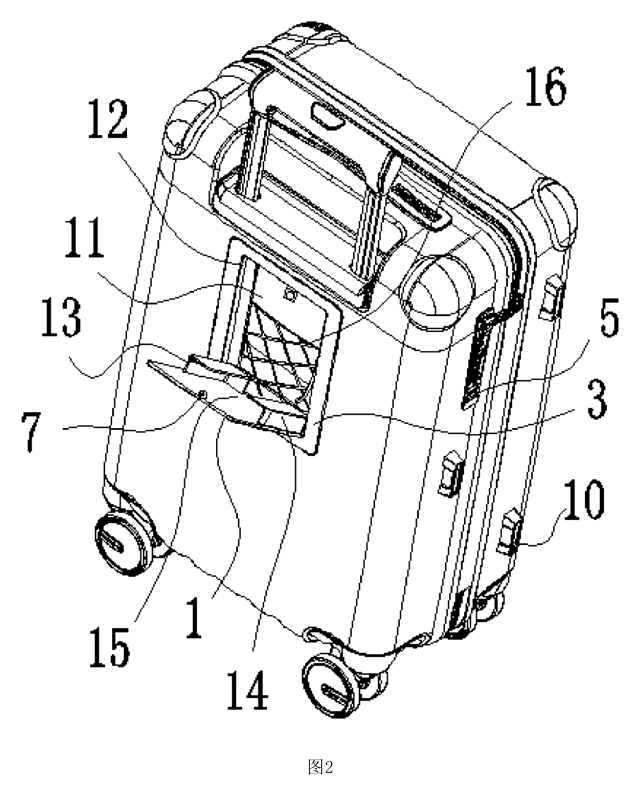
Bags & Luggage
Quick-Access Luggage with Fold-Down Back Compartment
Hard-shell suitcase with a fold-down compartment in the back panel for phone, passport and power bank - no need to open the case.
Patent CN210076793U
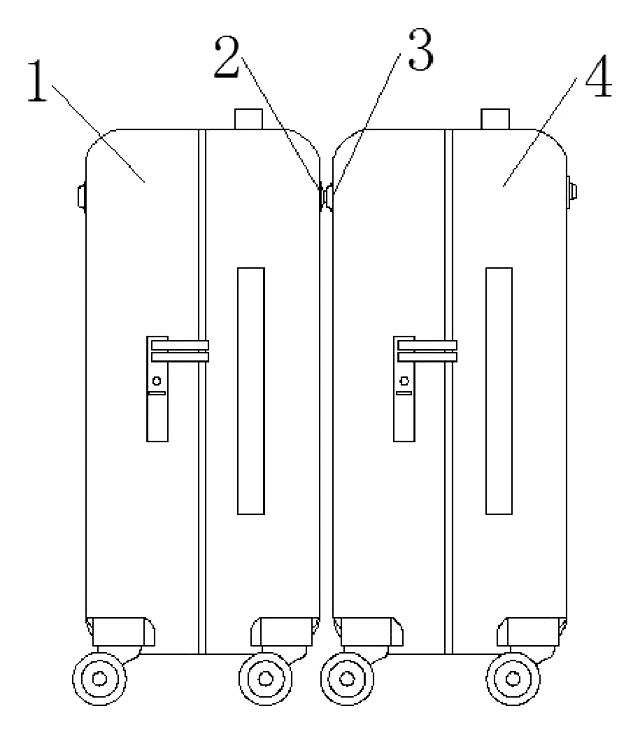
Bags & Luggage
Snap-Together Luggage Connector
Stud-and-socket snap built into suitcases so two cases lock together and roll with one hand.
Patent CN209862619U
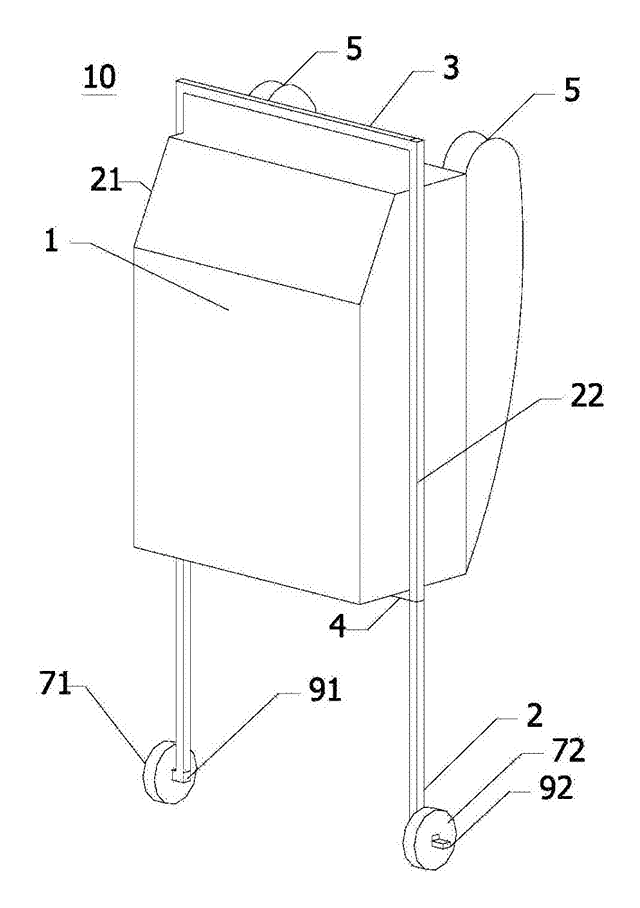
Bags & Luggage
Side-Rail Rolling Backpack with Raised Wheels
Rolling backpack with pull rails on the sides, not the back, and rails that lower the wheels.
Patent CN207733803U
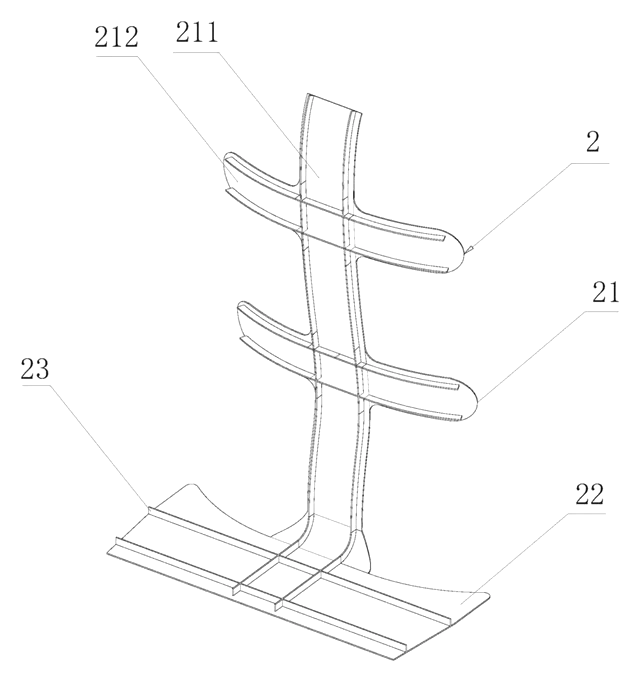
Bags & Luggage
Backpack with Removable Body-Shaped Inner Frame
Backpack with a lift-out inner frame shaped to the back that spreads the load to the back and hips.
Patent CN216534262U
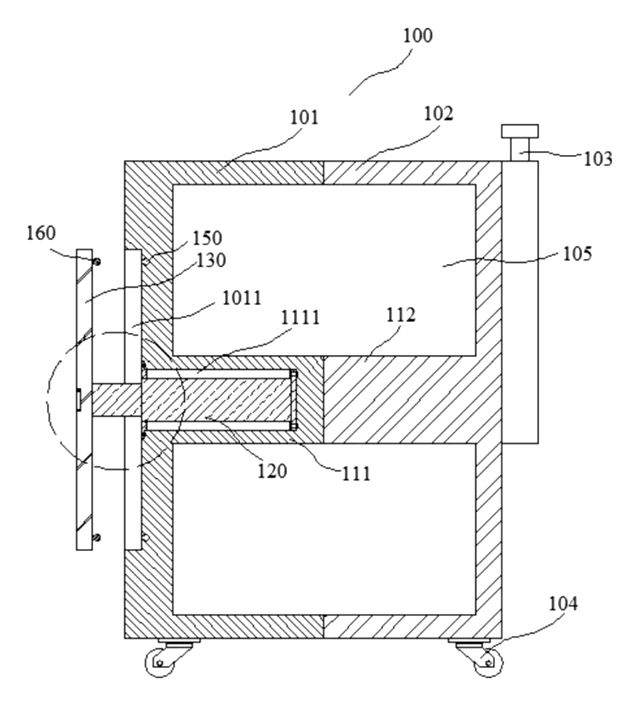
Bags & Luggage
Hard-Shell Luggage Case with a Built-In Lift Table
Hard-shell luggage with a telescopic rod and desktop that rises from the lid.
Patent CN107485137B
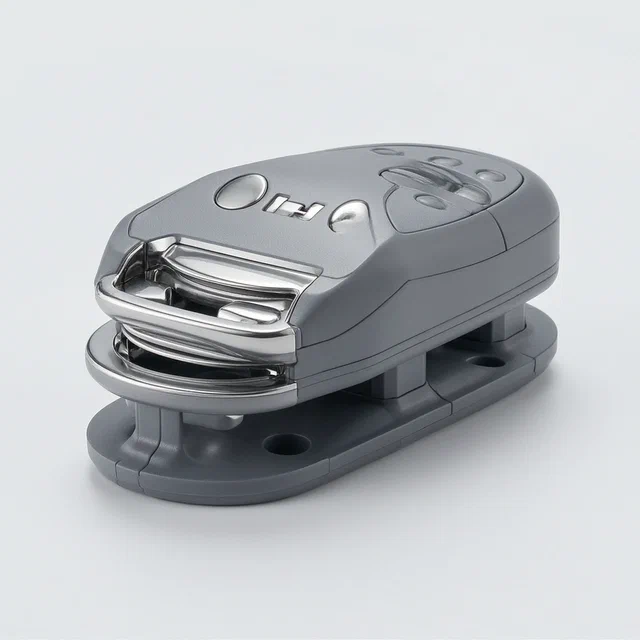
Bags & Luggage
Toggle-Unlock Buckle with Combined Opening Motion
Buckle that unlocks and opens a flap in one motion via a pivoting toggle.
Patent CN114027591B
Browse by category
- Apparel & Accessories (22)
- Baby & Kids (16)
- Bags & Luggage (9)
- Bath & Personal Care (16)
- Car Accessories (10)
- Furniture, Bedding & Storage (12)
- Garden & Outdoor (18)
- Health & Wellness (8)
- Home, Kitchen & Cleaning (24)
- Lighting (12)
- Packaging & Containers (6)
- Pet Products (6)
- Phone & Camera Accessories (4)
- Retail Display (13)
- School, Office & Art (19)
- Sports & Recreation (25)
- Tools & Workshop (27)
- Toys & Games (12)
This page is based on the public patent document CN206670777U, assigned to Shanghai University of Engineering Science. IP2M is an independent manufacturing service and is not affiliated with, endorsed by or licensed by the patent owner. Images marked as concept renderings are illustrations, not photos of an existing product. Patent status information is provided for reference only and is not legal advice; confirm freedom to operate for your market before production. Full disclaimer.