At a glance
| Patent number | CN206672576U (application CN201720206702) |
| Type | China utility model (实用新型) - protects product shape and structure |
| Original title | A kind of modular display lamp box (一种模块式展示灯箱) |
| Patent owner | Changzhou Hawke display system Limited by Share Ltd |
| Inventors | Sun Xiaoqiu |
| Filing date | 2017-03-05 |
| Grant date | 2017-11-24 |
| Status (China) | Active - In force until at most 2027-03-05 (if annual fees are paid) |
| Patent family | Chinese filings only - no US, European, Japanese, PCT or other filings listed |
| Cited by | 7 later documents |
| Source | Google Patents (search for CN206672576U) |
What the claims cover, in plain language
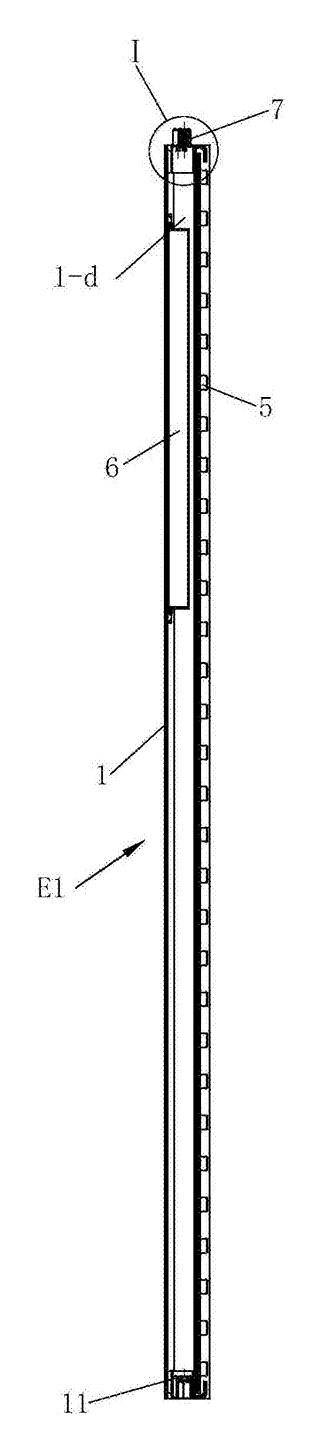
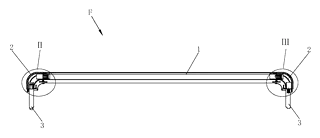
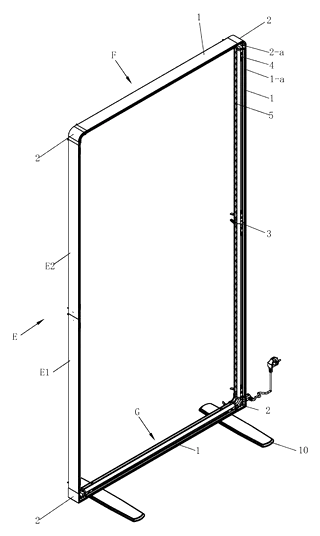
Claim 1 defines a modular display light box comprising a framework, LED light bar, and power supply adaptor. The framework consists of upper and lower transverse frames, side mullions, and corner pieces connecting them. Key features include:
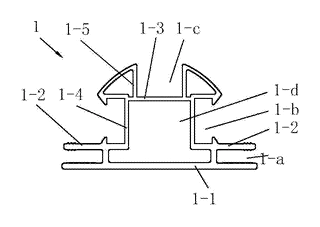
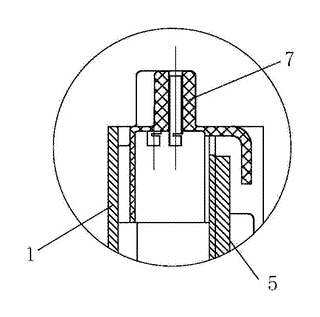
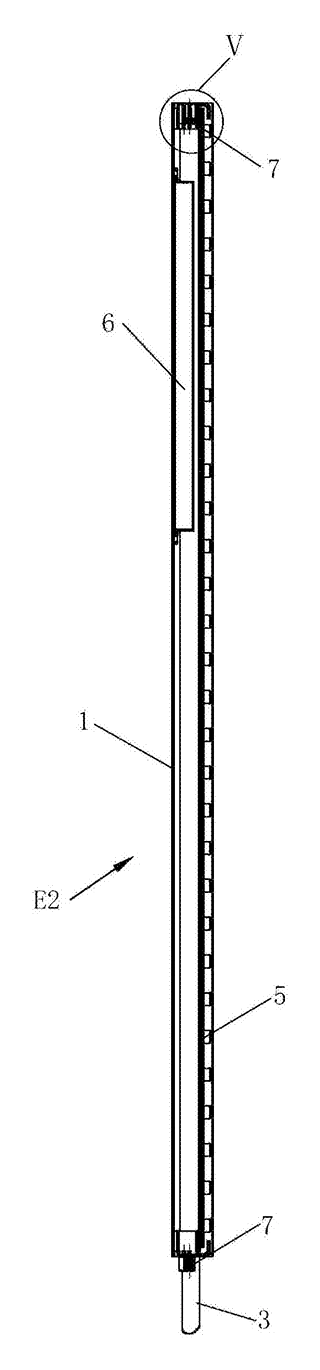
- Section Bars: Each module uses an aluminum profile with a through-hole for the power supply, a lamp bar groove, and side link slots.
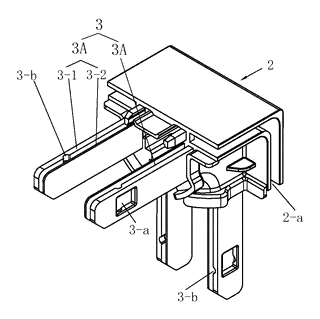
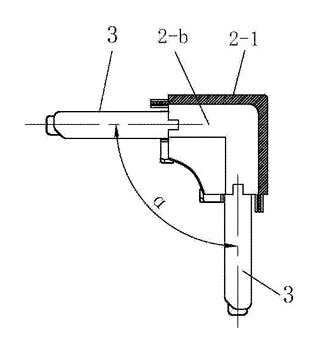
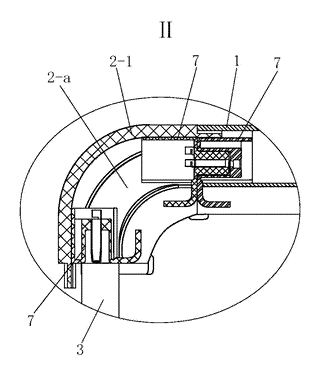
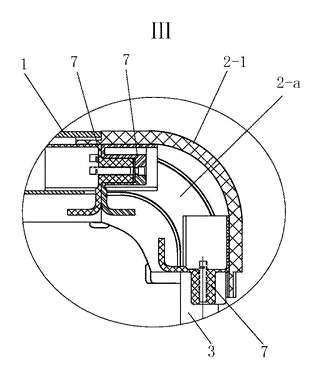
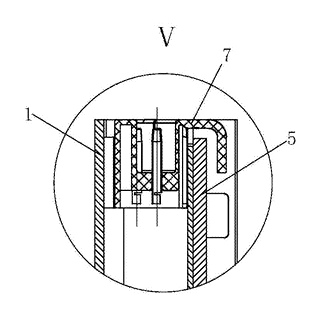
- Corner Pieces: Made of injection-molded material with a turning angle between 60° and 120°. They contain cavities with built-in power connectors.
- Electrical Integration: The mullion modules have power connectors at their ends. When assembled, the connectors on the mullions plug into the connectors inside the corner pieces, establishing the circuit without external wires.
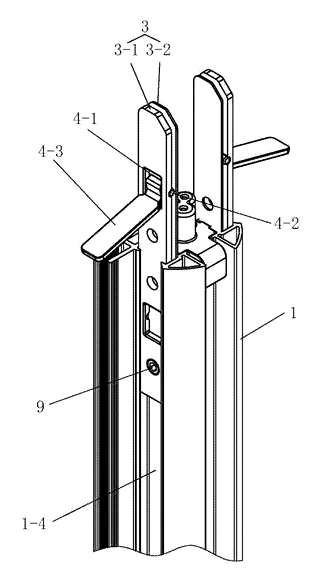
- Mechanical Connection: Modules are connected via a “connector” part that fits into the link slots of the section bars. One corner piece includes an external power socket.
Claims 2-4 specify how multiple sections of mullions, upper frames, and lower frames are linked together using the same connector and mating power plug system.
Claim 5 details the cross-section of the aluminum profile: it has a front panel, backboard, clamping plates forming a “cloth inserted trough” for graphics, and side plates defining the link slots and internal cavity.
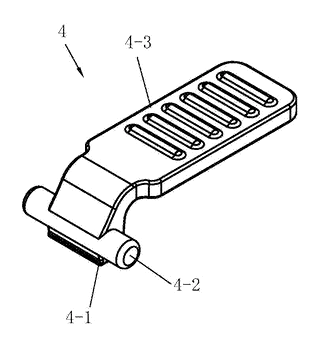
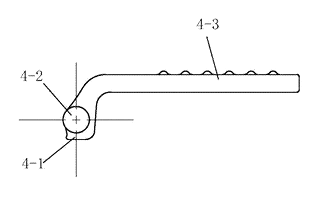
Claim 6 describes the locking mechanism: the connector comprises elastic support members with spring steel plates. A locking member with a camshaft and handle rotates to press the spring plate against the module’s side wall, locking the assembly.
This is a simplified reading for orientation only. The legal scope is defined by the exact claim wording in the official Chinese document.
What this means for US production
This patent was filed only in China and is currently active. Making or selling this specific configuration in China would require permission from the patent owner. However, since there are no US patents in this family, the design is not protected in the United States.
Two points to settle early:
- Other patents may exist. The display hardware industry is competitive. Companies like Ningbo Levi Lighting Technology Co., Ltd and individual inventors such as Lei Zhao have cited this patent in later applications (e.g., EP3582210A1, US11908347B2). These may represent improvements or variations that are patented in the US or Europe. A freedom-to-operate (FTO) review is essential to ensure your specific implementation of the plug-in power system and cam-lock mechanism does not infringe on these newer, potentially broader claims.
- UL Certification Path. Unlike generic LEDs, this design integrates the driver inside the structural aluminum profile. US safety standards (UL 48 / UL 8750) require rigorous testing for heat dissipation and electrical isolation within confined spaces. You cannot assume the Chinese design meets US thermal requirements without modification.
Customization and manufacturing
What can be customized
| Area | Options |
|---|---|
| Profile Depth | Adjust aluminum extrusion thickness for different graphic types (fabric vs. vinyl). |
| Corner Angles | Standardize on 90°, or offer 60°/120° kits for hexagonal/diamond layouts. |
| Light Source | Swap LED strips for higher CRI (Color Rendering Index) options for art galleries. |
| Driver Location | Move the power adapter to the base or top depending on user preference for weight distribution. |
| Finish | Anodized aluminum colors (black, silver, white) or powder-coated frames. |
| Connector Type | Proprietary cam-lock vs. simpler screw-based fasteners for lower-cost versions. |
Things to plan for (US market)
- UL 48 (Luminaires for Use in Signage): Mandatory certification for commercial signs in many US jurisdictions. Focuses on fire resistance and electrical safety.
- FCC Part 15: If the LED drivers emit electromagnetic interference, they must meet FCC limits. Shielding may be required inside the profile.
- RoHS Compliance: Ensures lead, mercury, and cadmium levels in the LEDs and plastics are below thresholds.
- Energy Star: Optional but beneficial for retail chains seeking sustainability credits. Requires specific efficacy levels (lumens per watt).
How a project runs
- Inquiry - Define dimensions, brightness requirements, and quantity.
- Design Adaptation - Modify the aluminum extrusion die for US voltage drivers and thermal loads. Update connector molds if FTO issues arise.
- Prototype - CNC machined or soft-tool aluminum samples. Test plug-in electrical reliability and cam-lock durability.
- Certification Prep - Submit prototypes to UL/FCC labs. Address any heat buildup or spark-gap issues.
- Production - Extrude aluminum, mold plastic corners, inject connectors, assemble LED/driver modules, pack.
Quantities & timeline
Creating new aluminum extrusion dies takes 4-6 weeks. Plastic injection molds for the complex corner pieces take 6-8 weeks. Testing cycles for UL certification can add 8-12 weeks. Send us your target dimensions, brightness specs, and estimated annual volume and we will reply with options.
Patent drawings
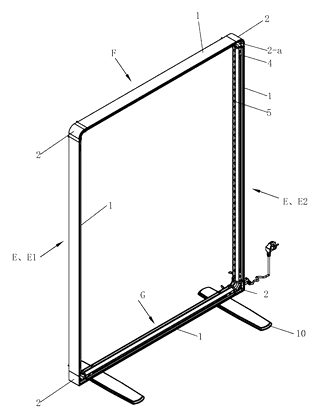
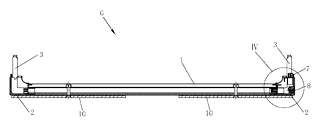
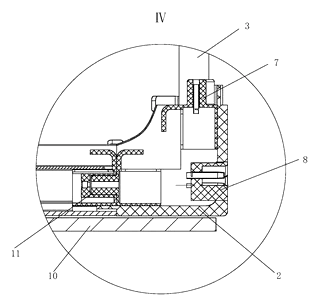
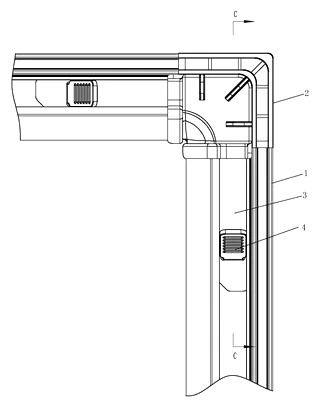
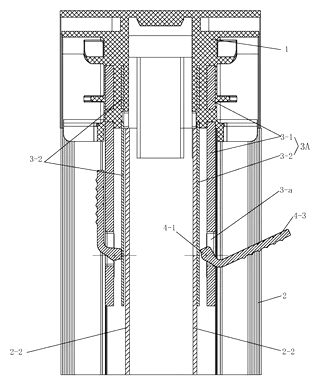
Drawings reproduced from the public patent document for reference.