At a glance
| Patent number | CN206730500U (application CN201720366376) |
| Type | China utility model (实用新型) - protects product shape and structure |
| Original title | Toy car with game function (具有游戏功能的玩具车) |
| Patent owner | Individual |
| Inventors | Dai Yifei, Xu Xiaofeng, Li Haiqing, Tao Yongjun, Hu Jinxing |
| Filing date | 2017-04-07 |
| Grant date | 2017-12-12 |
| Status (China) | Lapsed - terminated for non-payment of annual fees (recorded 2022-03-18) |
| Patent family | Chinese filings only - no US, European, Japanese, PCT or other filings listed |
| Cited by | 0 later documents |
| Source | Google Patents (search for CN206730500U) |
What the claims cover, in plain language
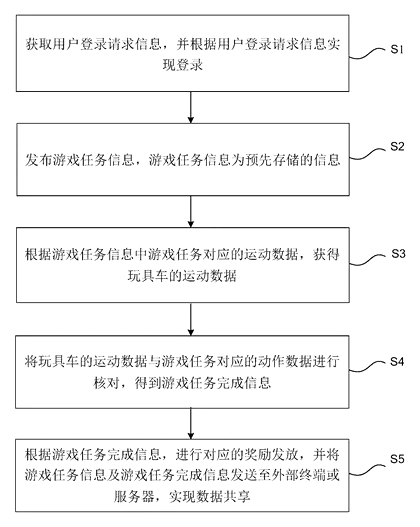
Claim 1 defines a toy car body equipped with a Mission Objective System. This system comprises a control chip, memory, multiple sensors, a voice module, and a power module, all connected to the chip. The memory stores pre-defined missions, and the sensors detect the car’s movement data.
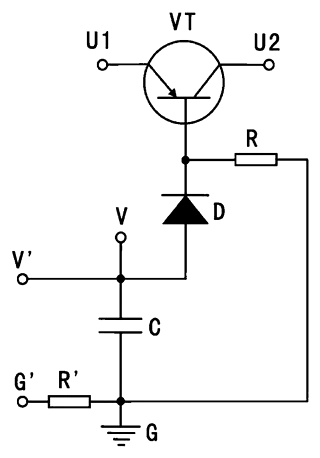
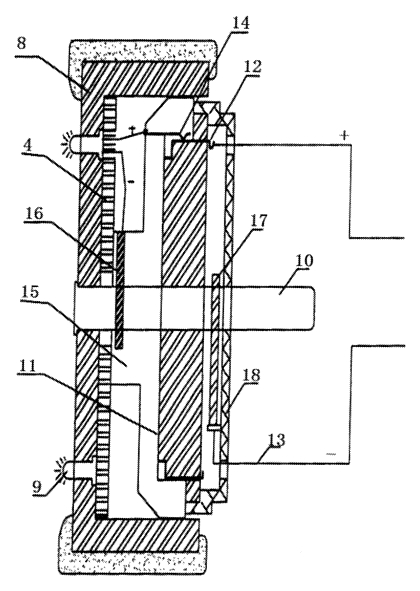
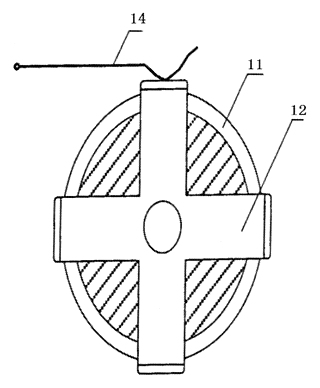
Claim 2 adds a data transmission module connecting the system to an exterior terminal or server. Claim 3 specifies the transmission module includes Wi-Fi, Bluetooth, or an external interface. Claim 4 details the external interface options as USB, COM, or RJ45. Claim 5 describes an inertial sensor placed on the headstock to perceive swaying direction. Claim 6 introduces a charging detection automatic power-off circuit using a triode, diode, and resistor to manage power input safely. Claims 7-9 focus on the wheel assembly. They describe a mechanism where LEDs are lit by a touch combination switch device. This involves inner sleeves, lower tactile copper sheets, and upper tactile copper sheets (or hoodle springs) that make contact when the wheel rotates, creating a discontinuous circuit that flashes the LEDs.
This is a simplified reading for orientation only. The legal scope is defined by the exact claim wording in the official Chinese document.
What this means for US production
This patent was filed only in China and has lapsed due to non-payment of fees. It no longer restricts anyone in China. It has no US or other foreign counterpart.
Two points to settle early:
- Other patents may exist. Interactive toys and IoT-connected children’s products are a crowded field. Major manufacturers hold extensive IP portfolios covering sensor fusion, app connectivity protocols, and specific mechanical lighting effects. A freedom-to-operate (FTO) review is essential before tooling to ensure your specific implementation of the “mission tracking” logic and wheel lighting mechanism does not infringe on active US patents.
- Safety Compliance. Because this is a children’s product with batteries and electronics, strict adherence to US safety standards is required. The patent describes a charging circuit, but actual production must meet rigorous electrical safety tests.
Customization and manufacturing
What can be customized
| Area | Options |
|---|---|
| Connectivity | Choose Wi-Fi, Bluetooth LE, or proprietary RF for app pairing. |
| Sensors | Integrate accelerometers, gyroscopes, or distance sensors depending on mission complexity. |
| Voice | Customizable audio files for different languages or brand personalities. |
| Lighting | Adjust LED color sequences and intensity; choose between copper sheet or spring contact mechanisms. |
| Chassis | Material selection (ABS, PC) and design styling to match brand aesthetics. |
| Battery | Capacity and chemistry (Li-ion vs NiMH) based on runtime requirements. |
Things to plan for (US market)
- ASTM F963: Standard Consumer Safety Specification for Toy Safety. Covers mechanical, physical, and flammability requirements.
- CPSC Requirements: General Conformity Certificates (GCC) are mandatory for children’s products.
- UL Standards: For battery packs and chargers (e.g., UL 2054 for household batteries).
- FCC Part 15: Certification for intentional radiators if using Wi-Fi or Bluetooth.
- California Prop 65: Screening for lead, cadmium, and other chemicals in plastics and finishes.
How a project runs
- Concept & Spec: Define mission types, connectivity needs, and target age group.
- Electronics Design: PCB layout for control chip, sensors, and power management.
- Mechanical Engineering: Mold design for chassis and wheel assemblies with integrated contacts.
- Prototyping: Functional samples for testing sensor accuracy and LED reliability.
- Certification: Submit units for ASTM, FCC, and UL testing.
- Mass Production: Injection molding, PCB assembly, and final packaging.
Quantities & timeline
Development cycles for smart toys typically take 4-6 months including certification. Tooling for injection molds and precision stamping for copper contacts requires careful planning. Send us your specifications for sensor types, connectivity protocol, and estimated volume, and we will reply with manufacturing options.
Patent drawings
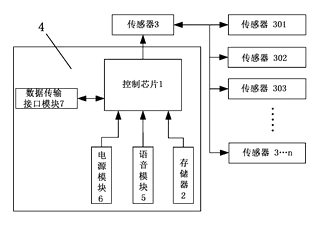
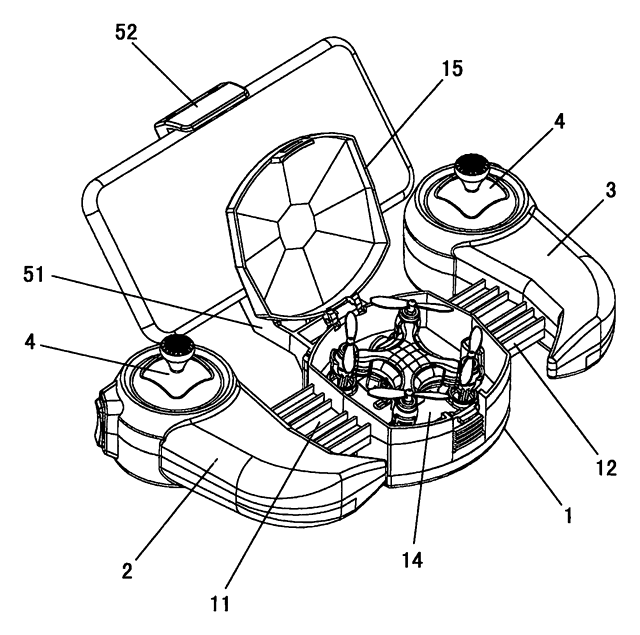
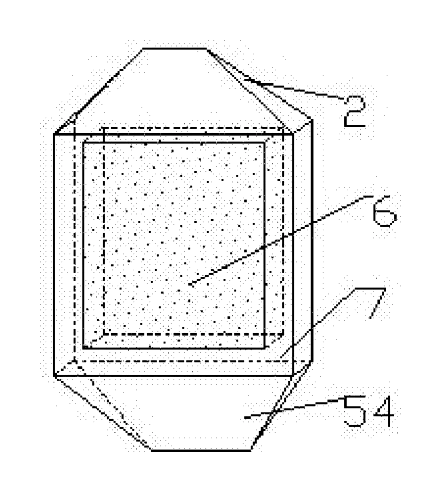
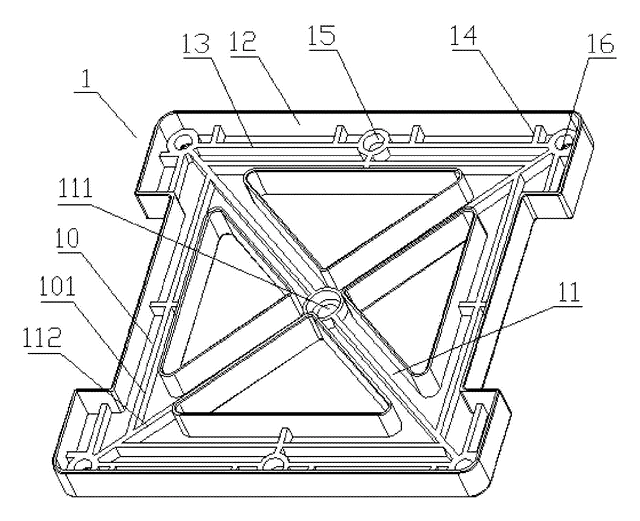
Drawings reproduced from the public patent document for reference.