
Patent CN206776782U
Updated October 26, 2026Heated Two-Piece Motorcycle Riding Suit with Carbon Fiber Pads
Cold-weather riders usually layer multiple garments under their jacket, adding bulk without warming the core. This two-piece suit tackles it differently. According to the patent, carbon fiber heating pads are placed directly against the upper back, left chest, right chest and both knees inside a removable inner liner. A digital controller cycles the heat in three bands—hot (about 45–55 °C), warm (about 40–45 °C) and mild (about 35–40 °C)—pulsing on and off so the rider feels warmth without local overheating. When the weather turns hot, shoulder, sleeve and hem vents open through mesh air ducts to let perspiration escape. Detachable elbow and knee protectors slip into external pockets or attach with hook-and-loop fasteners, so the suit works as everyday outerwear during rest stops.
- China utility model - in force
- No filings outside China
- Motorcycle apparel
- Carbon fiber heating, mesh ventilation, detachable armor
Splat! What let you down?
🔥
Carbon fiber heating
Pads at the upper back, chest and knees deliver targeted warmth powered by the motorcycle battery or a portable pack.
🌬️
Mesh vent channels
Shoulder, sleeve and hem vents connect to the interior through mesh ducts for airflow in warm weather.
🛡️
Detachable armor
Elbow and knee protectors sit in zippered external pockets or attach with hook-and-loop fasteners for easy removal.
🔌
Three-band controller
A front-mounted dial cycles hot, warm and mild settings, pulsing the current to avoid localized overheating.
Bring this product to market
- ✓ Patent vetted China-only family and legal status checked
- 2 Product brief · now How it works, uses and options written up
- 3 Prototype First samples for buyers to review
- 4 Pilot run Small first batch for launch customers
- 5 Volume production Repeat orders at scale
Buyer interest
– of 100 buyers needed to start prototyping
One click, no sign-up. Each vote is one real visitor, and products with the most interest go to prototyping first.
Build team: no members yet. Need a partner, co-funding or skills to build this? Join and we introduce the team once it forms.
The problem
Riders face wide temperature swings between seasons and even within a single ride. Layering bulky clothing restricts movement, yet thin jackets leave the chest, back and knees exposed to wind chill. Ventilation zippers on standard jackets often dump cold air directly onto the skin rather than circulating it evenly, and built-in armor makes the garment too stiff to wear off the bike. According to the patent, the goal is a single suit that provides adjustable electric warmth, effective airflow and impact protection without forcing the rider to change clothes when stopping.
The solution
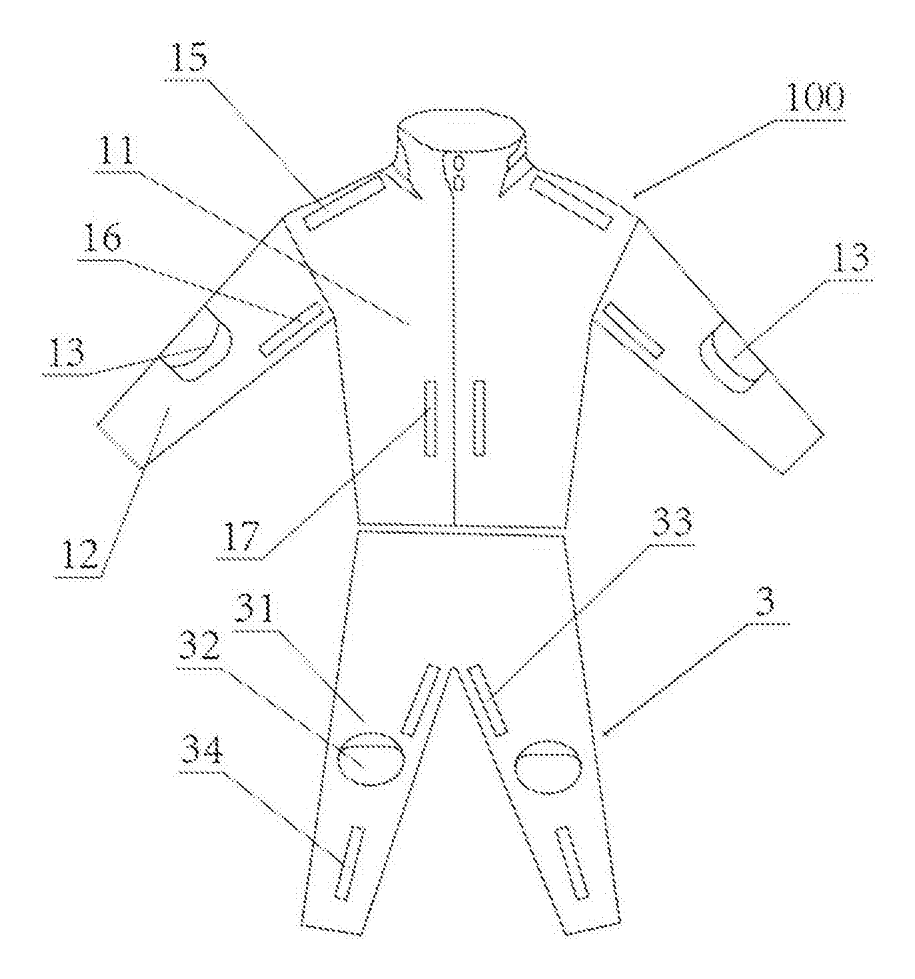
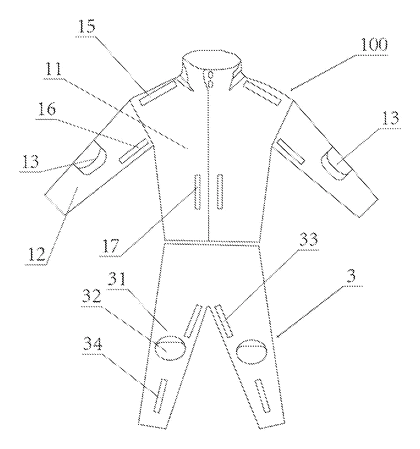
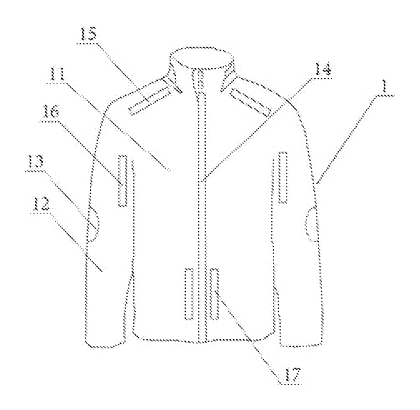
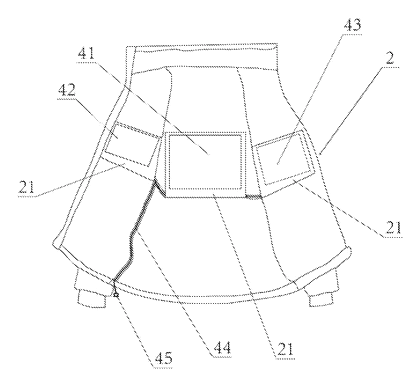
The design described in the patent separates the outfit into an upper garment (100) and lower trousers (3). The upper garment uses a double-layer structure: a windproof, waterproof outer shell (1) and a removable inner liner (2). Carbon fiber heating pads are positioned on the inner surface of the liner at the upper back, left chest and right chest, wired through insulated grooves to a control and adjustment device and a DC power connector (45) at the front hem. The trousers carry matching heating pads at both knees, an outer waterproof layer and an inner breathable layer. Vents on the shoulders, sleeves and lower hem link to the interior via mesh air ducts, and detachable protectors (5) fit into external zippered pockets or mount with hook-and-loop strips.
Who it is for
- Motorcycle apparel brands looking to add an electrically heated option to their touring or commuter lines without sourcing separate jackets and pants.
- Amazon sellers and e-commerce retailers targeting cold-climate riders who search for all-in-one heated gear rather than standalone vests.
- Fleet operators and delivery services whose riders spend hours outdoors in varying temperatures and need durable, washable heated uniforms.
- Outdoor workwear companies adapting motorcycle-style protection and heating for forestry, agriculture or construction crews working in the cold.
How it works
The main parts
| No. | Part | What it does |
|---|---|---|
| 1 | Outer shell | Windproof, waterproof exterior of the upper garment. |
| 2 | Inner liner | Removable thermal layer carrying the heating pads. |
| 3 | Lower trousers | Separate pants with knee heating pads and protector pockets. |
| 4 | Carbon fiber heating pads | First pad (upper back), second pad (left chest), third pad (right chest), plus fourth and fifth pads at the knees. |
| 41, 44 | Conductive wires | Route power from the connector to each pad through insulated grooves. |
| 45 | Power connector | DC4017 female socket at the front hem; mates with the motorcycle battery or portable pack. |
| 5 | Protectors | Elbow and knee guards made of a flexible outer layer (51) and a plastic buffer block (52) with elastic bumps (521). |
| 13, 32 | Mounting structures | Pockets or hook-and-loop zones for attaching the protectors. |
Operating steps
- Connect power – plug the conductive spring wire into the DC4017 connector (45) at the front hem. The source can be the motorcycle’s storage battery or a portable USB power bank.
- Select heat level – use the control device mounted on the front placket to choose hot (about 45–55 °C), warm (about 40–45 °C) or mild (about 35–40 °C).
- Automatic cycling – the controller pulses the current. For example, in the hot band it heats for about 120 seconds and pauses for about 60 seconds; in the mild band it heats for about 30 seconds and pauses for about 60 seconds. According to the patent, this prevents localized overheating while maintaining a feeling of circulating warmth.
- Ventilate – in warm weather, unzip the waterproof closures over the shoulder, sleeve and hem vents to expose the mesh air ducts, allowing perspiration to escape.
- Remove armor – during rest stops, pull the elbow and knee protectors out of their external pockets or detach the hook-and-loop strips so the suit behaves like ordinary outerwear.
Applications
Long-distance touring in cold climates
Touring riders crossing mountain passes experience rapid temperature drops. The carbon fiber pads keep the chest, back and knees warm without requiring three layers of fleece underneath, reducing fatigue and preserving range of motion on the handlebars.
Daily urban commuting
Commuters who ride before dawn benefit from the quick heat-up powered directly by the motorcycle battery. Once parked at the office, they detach the knee and elbow pads, turning the suit into a regular-looking jacket and trousers for the walk indoors.
Delivery and courier fleets
Couriers working eight-hour shifts in winter need consistent core warmth. The three-band controller lets riders adjust output based on whether they are moving at highway speed or stopped at traffic lights, managing battery draw throughout the shift.
Off-road and adventure riding
Dirt roads throw up water and mud. The windproof waterproof outer shell blocks spray, while the mesh vents can be sealed shut with the waterproof zippers during wet sections and opened again when the trail dries out.
Outdoor industrial work
Forestry workers, ranch hands and construction crews operating in freezing conditions can adapt this two-piece layout. The targeted heating zones cover the same vulnerable areas—lower back, chest and knees—that cause discomfort during prolonged outdoor labor.
Where it is less suitable
- Summer-only riding – the double-layer build and wiring add weight; riders in consistently hot climates prefer single-layer mesh jackets without heating infrastructure.
- Track-day racing – circuit racers require one-piece leather suits with specific CE-rated armor configurations and no electrical components that could interfere with aerodynamics or safety inspections.
- Formal business attire – despite the detachable armor, the suit retains a sporty cut and visible vent zippers, making it unsuitable for environments requiring tailored clothing.
Frequently asked questions
How does the heating system distribute warmth?
According to the patent, carbon fiber heating pads are sewn into the inner liner at the upper back, left chest and right chest, with additional pads at both knees in the trousers. Conductive wires route through insulated grooves to a central controller. The design targets the body’s core and joint areas where riders typically feel cold first, rather than attempting to heat the entire surface area of the garment.
What powers the heating pads?
The patent describes a DC4017 female socket located at the front hem bottom. Riders can connect this directly to the motorcycle’s storage battery using a compatible spring wire, eliminating the need to carry a separate power bank. Alternatively, the specification mentions compatibility with USB power supplies and portable batteries for use away from the vehicle. The exact voltage and wattage for production would be set in design based on the chosen battery platform.
Can the suit be washed safely?
Because the upper garment uses a split double-layer design, the inner liner containing the carbon fiber pads and wiring can be separated from the waterproof outer shell. The outer shell and trousers can be laundered according to the fabric care instructions once disconnected. The electrical liner requires spot cleaning or gentle handling as specified during the manufacturing phase to protect the conductive grooves and connector interfaces.
How does the ventilation work without letting in rain?
The patent details first vents at the left and right shoulders that connect to the interior through mesh-lined air ducts. Additional exhaust outlets are placed on the sleeves near the armpits and at the lower hem. Waterproof slide fasteners cover these openings. When closed, the zippers seal out rain and wind; when unzipped, the mesh channels allow body heat and perspiration to escape without exposing the rider’s skin directly to the airstream.
Are the elbow and knee protectors included?
Yes, the patent specifies protectors made of a flexible outer material layer and an internal plastic buffer block featuring elastic bumps for impact absorption. They fit into external cloth pockets on the sleeves and trouser legs, or attach via hook-and-loop fasteners. This allows riders to remove the armor quickly when parking the motorcycle and walking indoors, making the suit function like standard outerwear.
What happens if the temperature gets too high?
The control and adjustment device offers three preset bands: hot (about 45–55 °C), warm (about 40–45 °C) and mild (about 35–40 °C). According to the patent, the controller cycles the power automatically—for instance, heating for about 120 seconds and pausing for about 60 seconds in the hot band. This pulsing method maintains a comfortable warmth while preventing localized overheating against the skin. An optional humidity and temperature sensor configuration is also described for automated constant-temperature regulation.
Can this design be made and sold in the US?
The patent was filed only in China and is in force there, meaning manufacturing or selling this exact design in China requires the patent owner’s permission while the patent remains active. It has no US counterpart, so the design itself is not restricted in the United States by this specific document. However, heated motorcycle apparel involves overlapping intellectual property, so we recommend a freedom-to-operate check before volume production.
Are you affiliated with the patent owner?
No. IP2M is an independent design and manufacturing service working from the public patent document.
Request a quote
Click Request a Quote below to see our email address - copy it, or open your email app with a ready-made message. Please mention patent CN206776782U in the subject.
Helpful details to include:
- Your company and channel (motorcycle apparel brand, Amazon seller, fleet operator, outdoor workwear label)
- Target market and required certifications (UL, FCC, CE, CPSC)
- Fabric and membrane preferences for the outer shell and liner
- Heating specifications including voltage, power source type and controller style
- Sizing range and estimated order quantity
- Timeline - when you would like prototypes and the first shipment
You can also reach us at (332) 203-9997.
Explore this product
Interested in building this?
Tell us your target market, quantity and timeline. We reply with options for prototyping, small-batch runs or volume production.
Send your inquiry to
Please put CN206776782U in the subject line and tell us your company, country, estimated quantity and timeline.
Prefer to talk? Call (332) 203-9997.
More product-ready patents
All Apparel & Accessories patents →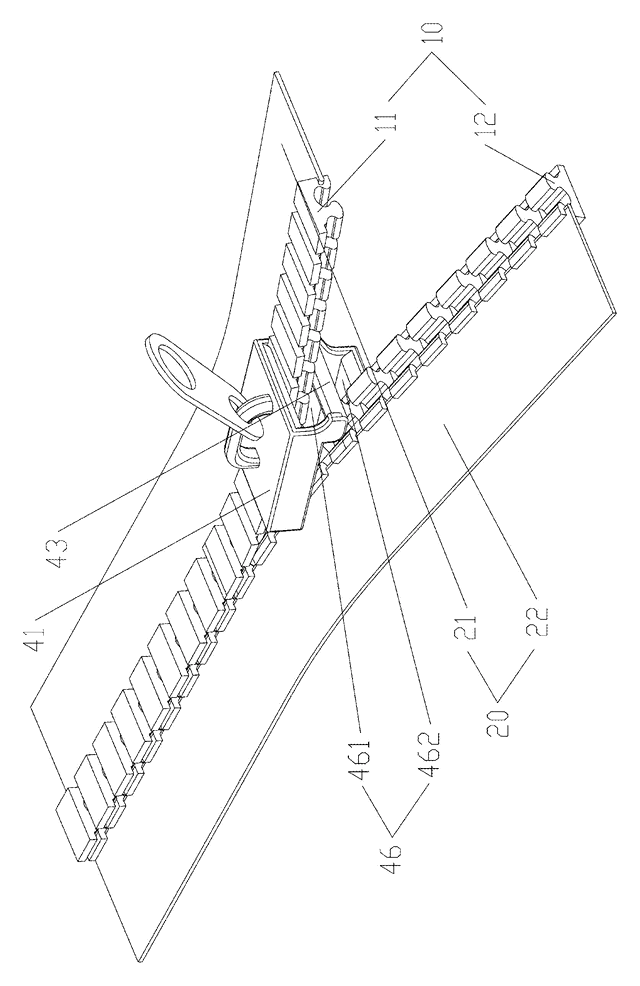
Apparel & Accessories
Stacked Zipper with Teeth That Mesh Top-to-Bottom
Zipper whose two identical tooth rows mesh on top of each other, closed by a simplified slider.
Patent CN205795062U
Apparel & Accessories
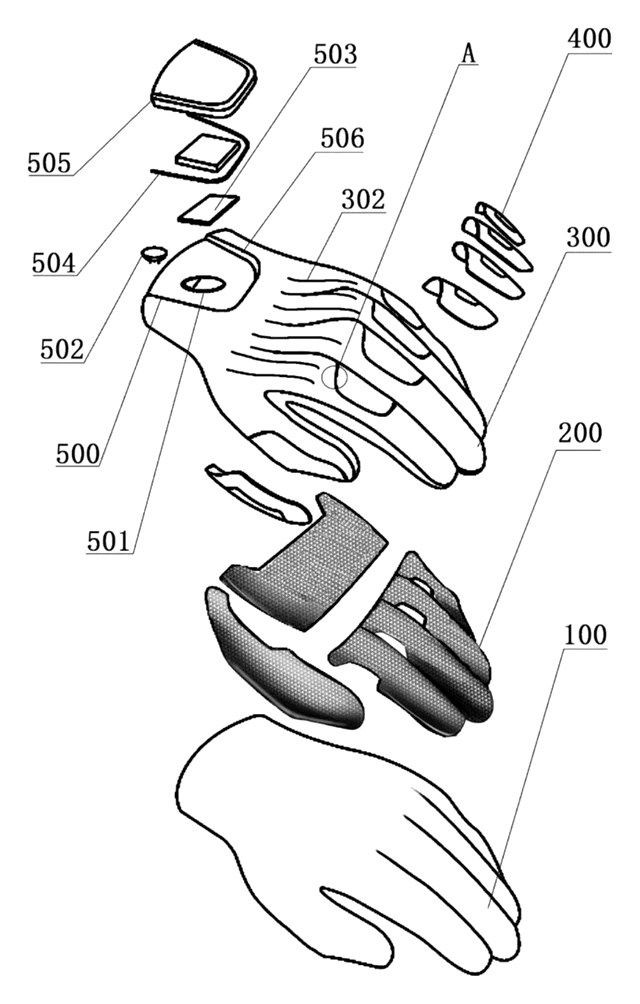
Impact-Resistant Glove with a 3D-Printed Lattice Layer
Work glove with a 3D-printed lattice impact layer, TPU knuckle guards and a light mounting area.
Patent CN213785583U
Apparel & Accessories
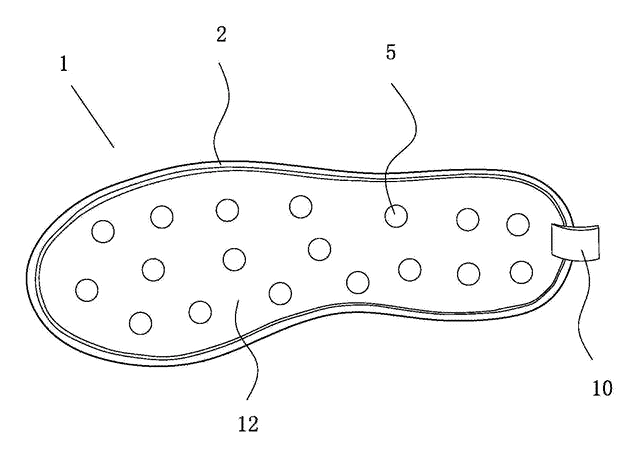
Massage Insole with Spring-Back Silicone Nubs and a Removable Top Layer
Layered insole: silicone nubs rise through a removable perforated top sheet and sink under each step.
Patent CN208286505U
Apparel & Accessories
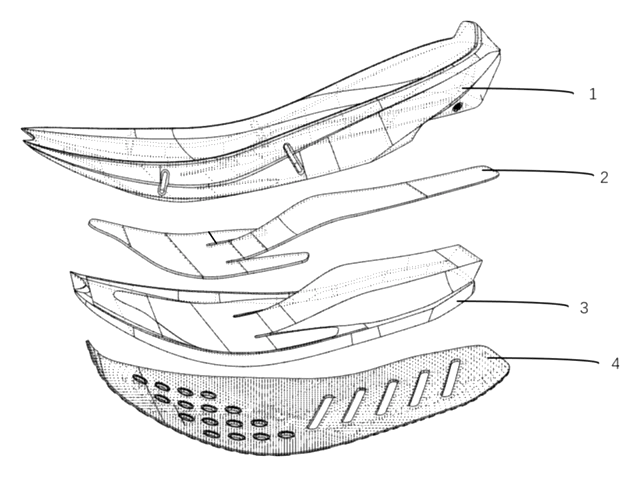
Heel-Less Carbon Plate Running Shoe Sole for Forefoot Strikers
Running sole for forefoot strikers: no ground-touching heel, winged carbon plate between two midsoles.
Patent CN216723354U
Apparel & Accessories
Waterproof Magnetic Zipper Stop That Snaps the Two Halves Together
Separating-zipper stop with sealed magnets: pin and box snap together one-handed, safe in rain and wash.
Patent CN215075936U
Apparel & Accessories
Left-Right Specific Soccer Socks: Grip for the Plant Foot, Touch Pads for the Kicking Foot
Soccer socks knitted as a left-right pair: grip zones for the plant foot, pads for the kicking foot.
Patent CN212728807U
Browse by category
- Apparel & Accessories (22)
- Baby & Kids (16)
- Bags & Luggage (9)
- Bath & Personal Care (16)
- Car Accessories (10)
- Furniture, Bedding & Storage (12)
- Garden & Outdoor (18)
- Health & Wellness (8)
- Home, Kitchen & Cleaning (24)
- Lighting (12)
- Packaging & Containers (6)
- Pet Products (6)
- Phone & Camera Accessories (4)
- Retail Display (13)
- School, Office & Art (19)
- Sports & Recreation (25)
- Tools & Workshop (27)
- Toys & Games (12)
This page is based on the public patent document CN206776782U, assigned to Individual (Song Jianhui). IP2M is an independent manufacturing service and is not affiliated with, endorsed by or licensed by the patent owner. Images marked as concept renderings are illustrations, not photos of an existing product. Patent status information is provided for reference only and is not legal advice; confirm freedom to operate for your market before production. Full disclaimer.